
3 Best Fruit Delivery Picks in Singapore Backed by a 4.85★ Rating
For most Singapore shoppers who want reliably fresh, premium fruit without gambling on a stranger’s sourcing claims, the Fruitastic Basket from Tai Kang Healthy Fruits is the safest first order. Buyers planning a gift lean toward the Deluxe Harvest Premium Fruit Hamper, while anyone eating fruit daily saves the most through the bi-weekly subscription plan. All three share the same backbone: temperature-controlled storage and hands-on inspection before anything leaves the warehouse.
TL;DR:
- Most vendors lack transparency about their cold storage practices, making Tai Kang’s temperature-controlled storage a key differentiator for freshness.
- Same-day delivery options are reliable only when ordered before the vendor’s clear cutoff times, which vary by location and demand.
- The bi-weekly subscription provides the lowest overall cost and convenience for regular fruit buyers, especially when combined with a trial order.
- The Fruitastic Basket offers fast turnaround, affordability, and variety, making it ideal for daily households seeking quality fruit.
- Gifting hampers emphasize premium presentation and import origins, but their quality depends heavily on sourcing and handling, not just aesthetics.
Table of Contents
- What Makes the Best Fruit Delivery in Singapore?
- Fruitastic Basket, Deluxe Harvest, and the Bi-Weekly Plan
- How to Choose a Fruit Delivery Service in Singapore
- Subscriptions, Hampers, or Office Delivery: Which Fits Your Need?
- What Does Fruit Delivery Cost in Singapore, and How Fast Is It?
- Why Sourcing and Storage Decide Whether Fruit Is Actually Fresh
- How to Order, Store, and Get the Most Out of Your Delivery
- Why These Picks Are the Right Standard for Singapore Buyers
- Get Fresh Fruit Delivered Without the Guesswork
- Sources
- FAQ
What Makes the Best Fruit Delivery in Singapore?
The best fruit delivery in Singapore comes down to three things working together: fruit that’s actually fresh when it arrives, a delivery window you can plan around, and a company that stands behind what it ships. That sounds obvious until you’ve had a hamper show up with bruised mangoes and a vendor that goes quiet when you ask for a replacement.
Singapore’s fruit market is unusual. Almost everything is imported, since the island grows very little of its own produce at scale, which means the difference between a good delivery service and a mediocre one often comes down to logistics you never see: how long fruit sits on a tarmac, whether it travels in a cooled truck, how quickly someone checks it before packing. Fresh food delivery generally holds its quality only when lead times stay short and the cold chain never breaks, and that principle applies just as much to a papaya as it does to a fillet of salmon.
Tai Kang Healthy Fruits was built around that exact gap. The company sources from trusted growers worldwide, inspects every batch, and stores fruit in temperature-controlled conditions rather than leaving it to sit at ambient warehouse temperature. That’s the standard this guide measures every option against, whether you’re buying a one-off hamper for a birthday or setting up a recurring order for your kitchen counter.
Fruitastic Basket, Deluxe Harvest, and the Bi-Weekly Plan
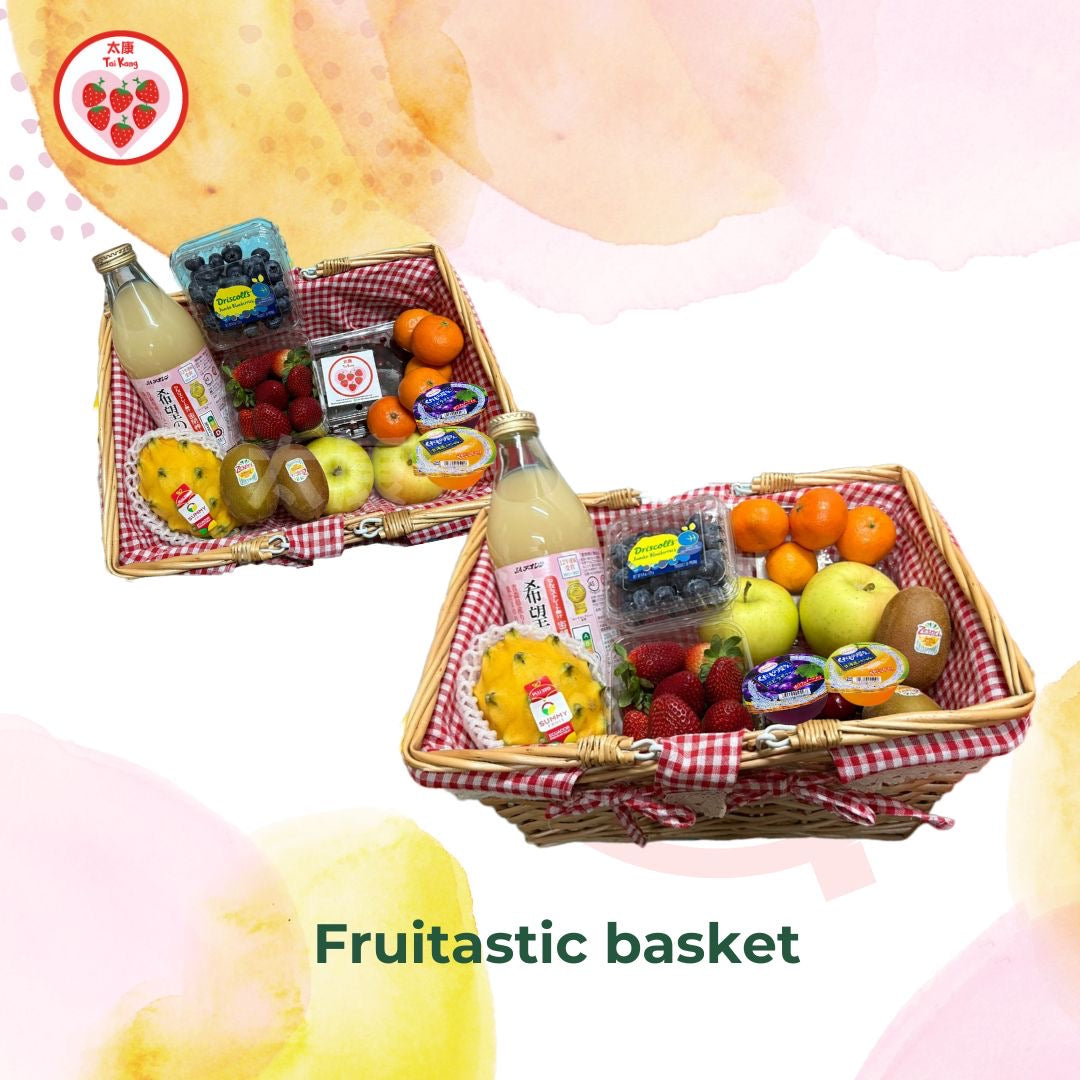
Three products cover almost every fruit-buying scenario in Singapore, and each one solves a slightly different problem.
Fruitastic Basket is the best-seller for a reason. It’s a curated mix of premium seasonal fruit, built for households that want variety without having to think about what’s in season or what pairs well together. It suits a small family, a couple wanting a weekly treat, or someone who simply wants a low-effort way to eat better. The basket ships in insulated, temperature-controlled packaging, and because it’s the highest-volume product in the catalog, turnaround tends to be the fastest of the three. You can order the Fruitastic Basket directly and expect standard delivery windows across the island.
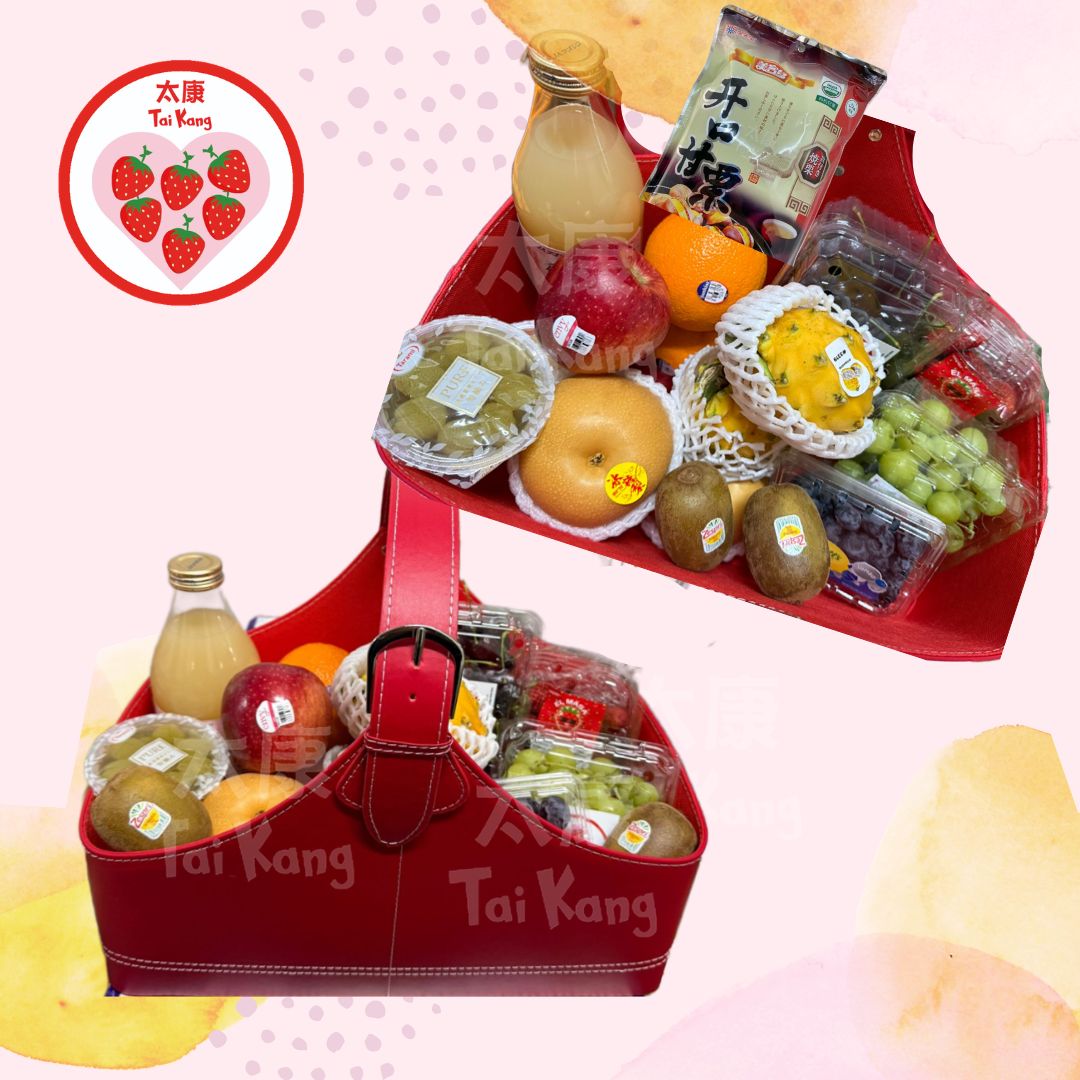
Deluxe Harvest Premium Fruit Hamper is built for occasions, not habits. Think client gifts, hospital visits, anniversaries, or Lunar New Year. The presentation is noticeably more polished, the fruit selection skews toward premium and imported varieties, and it’s designed to look impressive the moment the recipient opens the box. If you’re buying for someone you want to impress rather than someone you’re feeding daily, this is the one to pick. Corporate buyers sending gifts to multiple offices often default to the Deluxe Harvest hamper for exactly this reason.
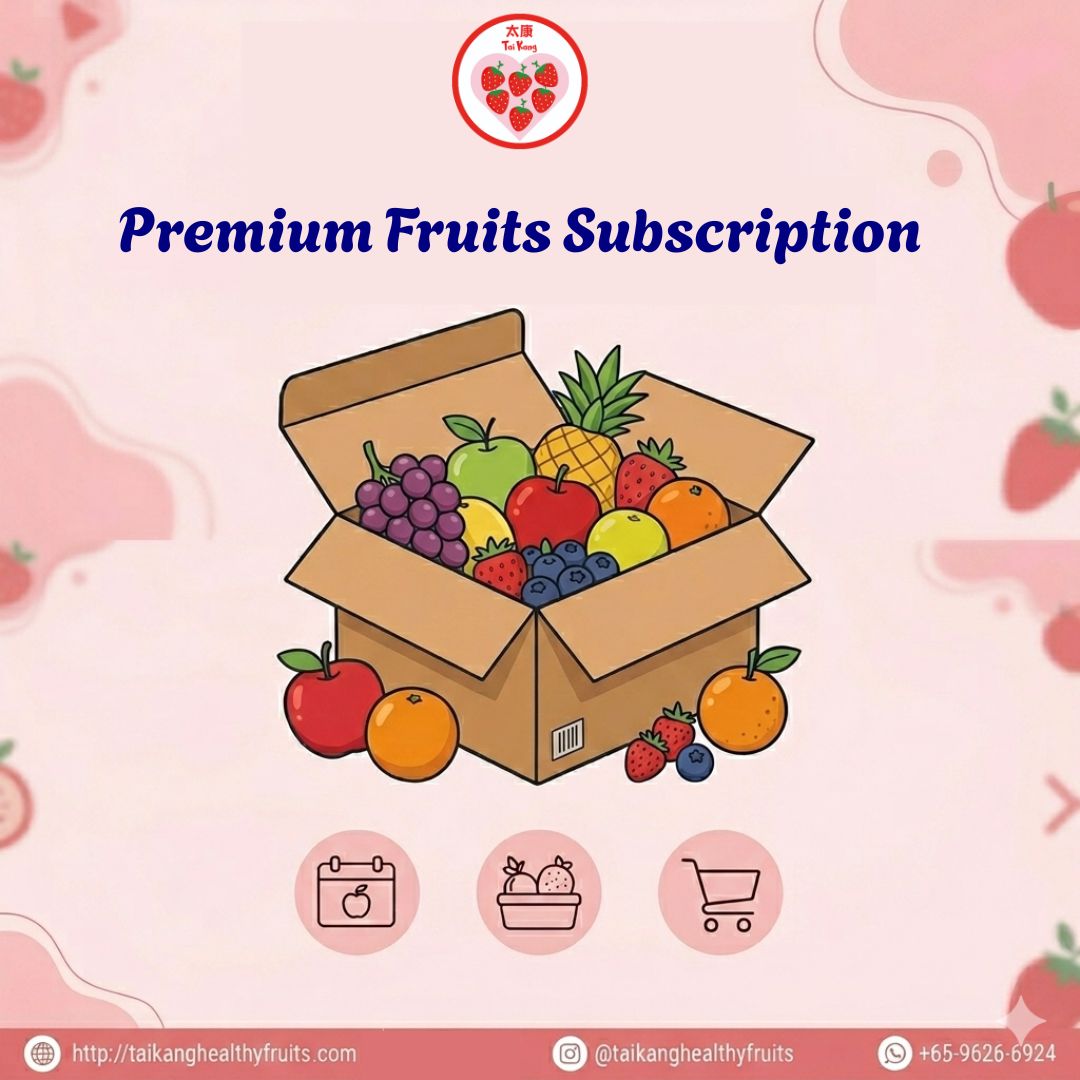
Bi-weekly fruits delivery (2-month subscription plan) solves a different problem entirely: the mental load of reordering. Instead of remembering to place an order every week, the subscription locks in delivery every two weeks for two months, at a lower effective per-box cost than ordering one-off baskets each time. It fits people who’ve already decided fruit is part of their routine and just want the logistics handled. You can review the bi-weekly subscription plan and pause or adjust it as your schedule changes.
Here’s how the three stack up at a glance:
- Fruitastic Basket — best for everyday households, fastest turnaround, most affordable entry point.
- Deluxe Harvest Premium Fruit Hamper — best for gifting, strongest presentation, premium fruit selection.
- Bi-weekly subscription (2 months) — best for recurring buyers, lowest cost per delivery over time, least effort.
Pro Tip: If you’re unsure which format fits, order a single Fruitastic Basket first. It’s the fastest way to judge freshness and packaging quality before committing to a subscription or a gift order for someone else.
None of this matters if the fruit itself isn’t good, which is where trust signals earn their keep. Tai Kang Healthy Fruits reports a 4.85-star customer satisfaction rating from 46 reviews, a number that’s hard to fake at that review volume without consistent quality behind it. The company also runs a rewards program, so repeat buyers earn points toward future orders rather than paying full price every single time. Combined with inspection at packing and cold storage throughout, that’s a fuller picture of reliability than most fruit vendors are willing to publish.
How to Choose a Fruit Delivery Service in Singapore
Comparing fruit delivery services is harder than comparing most online purchases, because you can’t inspect the product before it arrives. That means you’re really evaluating a company’s process, not just its photos. Here’s the order to check things in.
- Freshness practices first. Ask how the fruit is stored between sourcing and delivery. A vendor using genuine temperature-controlled storage will usually say so directly and explain it, not just slap “fresh” on the homepage.
- Delivery reliability second. Does the company give you an actual delivery window, or just a vague “within a few days”? Same-day and next-day options should come with a clear cutoff time, not a promise that quietly slips.
- Subscription flexibility third. If you’re considering recurring delivery, confirm you can pause, skip, or cancel without jumping through hoops. A subscription that locks you in with no easy exit is a bad sign regardless of how good the fruit looks in photos.
- Price transparency fourth. Look for clear per-box or per-hamper pricing rather than a quote you have to request. Hidden delivery fees that appear only at checkout are one of the most common complaints across fresh-food delivery generally.
- Gift presentation last, if relevant. For hampers, check whether the packaging is designed for gifting or just a produce box with a ribbon taped on.
A few questions are worth confirming before you check out, no matter which vendor you’re considering: What happens if fruit arrives bruised or underripe? Is there a real replacement or credit policy, or does the FAQ dodge the question? What’s the actual delivery lead time for your postal code, and is same-day delivery a genuine same-day cutoff or marketing language?
Watch for red flags too. A site with no stated delivery window, sourcing language that’s suspiciously vague (“the finest fruits from around the world” with zero specifics), or no visible policy for damaged goods usually means the company hasn’t thought through what happens when something goes wrong, and something eventually does.
Pro Tip: Before ordering a subscription, place a single one-off order first. It’s the cheapest way to test a vendor’s actual delivery reliability without committing two months of payments upfront.
Subscriptions, Hampers, or Office Delivery: Which Fits Your Need?
Fruit delivery in Singapore generally splits into three formats, and picking the wrong one is the most common reason people end up disappointed with an otherwise decent vendor.
Subscriptions work best for anyone who already eats fruit regularly and wants the reordering handled automatically. Tai Kang’s bi-weekly plan runs on a two-month cycle, which is long enough to build the habit without locking you into a full year. Most subscription models let you pause a delivery if you’re traveling, and the per-delivery cost typically comes in lower than repeated one-off orders. Some office fruit delivery providers internationally offer trial crates before a full subscription commitment, a practice worth asking about with any recurring plan you’re considering.
One-off hampers exist for a specific moment rather than a routine. Same-day gifting depends heavily on cutoff times: order before the deadline and it arrives that afternoon; miss it and you’re pushed to next-day. Presentation matters more here than in a subscription box, since the hamper is often the entire gift, not a supplement to something else.
Office and corporate delivery solves a completely different problem: feeding a team, not a household. This model usually involves:
- Larger portion counts scaled to headcount rather than a fixed basket size
- Consolidated invoicing for finance teams instead of individual employee purchases
- Regular delivery schedules, often weekly, to keep a pantry or break room stocked
International examples like FruitGuys show how common flexible weekly or biweekly frequency plans are in the corporate wellness space. Locally, Tai Kang’s corporate fruit gift box program applies the same sourcing and inspection standards used for individual hampers, scaled up for offices that want a wellness perk without managing it themselves.
What Does Fruit Delivery Cost in Singapore, and How Fast Is It?
Pricing in fresh fruit delivery generally falls into three shapes, and knowing which one you’re looking at prevents sticker shock at checkout.
Single hampers and gift boxes tend to sit at the higher end per unit, since you’re paying for curated selection and presentation in one purchase. Standard fruit baskets like the Fruitastic Basket land in a more accessible everyday range, positioned for repeat buying rather than a single splurge. Subscriptions typically bring the lowest cost per delivery, because you’re committing to volume over the length of the plan, in this case two months of bi-weekly boxes.
Delivery speed follows a similar logic to pricing:
- Same-day delivery works when you order before a set cutoff time, usually earlier in the day, and it’s the option most people reach for when a gift can’t wait.
- Next-day delivery gives the vendor more flexibility on sourcing and packing, often at a slightly lower delivery fee.
- Scheduled recurring delivery (subscriptions) fixes the day and frequency in advance, which removes lead-time anxiety entirely since you know exactly when the next box arrives.
Understanding same-day cutoff windows matters more than most buyers realize. Fresh food delivery only holds up when lead times stay tight, and a vendor that’s vague about its cutoff time is usually one that can’t reliably hit it.
You can reduce delivery cost a few practical ways: ordering above a minimum threshold if the vendor waives fees past a certain amount, choosing a subscription over repeated one-off orders, and avoiding last-minute same-day requests when a scheduled delivery would work just as well. Island-wide delivery is standard practice across Singapore, though timing windows can vary depending on the postal code and how central it is.
Why Sourcing and Storage Decide Whether Fruit Is Actually Fresh
Fruit quality starts long before delivery, at the sourcing stage. Imported fruit dominates the Singapore market simply because so little is grown locally at commercial scale, and the taste and shelf life you get depend heavily on how that fruit traveled and how long it sat before reaching a warehouse. A mango flown in and stored properly can taste dramatically better than one that sat in a non-cooled truck for two extra days, even if both are technically the “same” fruit.
Seasonal availability plays a role too. Certain fruits taste better and cost less at specific points in the year, and a vendor that adjusts its curated selections seasonally is usually paying closer attention to quality than one running the identical lineup every month regardless of what’s actually in season.
Temperature control is where the real difference shows up. Tai Kang Healthy Fruits inspects fruit and stores it in temperature-controlled conditions throughout the process, rather than only during the final delivery leg. That distinction matters because refrigeration in roughly the 4 to 10 degree Celsius range for many temperate fruits, alongside insulated packing for tropical varieties, is what actually slows spoilage during the window between packing and your doorstep.
Fresh-food delivery only holds its edge when lead times are short and the cold chain never breaks. The moment fruit sits unrefrigerated, even briefly, the clock on freshness starts running faster than most buyers realize.
Replacement policies matter just as much as sourcing, because even the best cold chain occasionally lets something through. Clear replacement or credit policies tend to correlate with higher customer satisfaction, since buyers know exactly what happens if a piece of fruit arrives bruised or underripe. Filing a claim should be straightforward: photograph the item, contact the vendor promptly, and expect either a replacement on the next delivery or a credit toward a future order.
How to Order, Store, and Get the Most Out of Your Delivery
Getting the ordering process right saves you from most of the common frustrations with fresh fruit delivery.
- Schedule around your actual availability. When placing an order, add clear delivery instructions, including unit number, preferred time window, and any building access notes common in Singapore condos and offices.
- Inspect immediately on arrival. Open the box the moment it’s delivered rather than letting it sit. If anything looks bruised, underripe, or damaged, photograph it and contact the vendor the same day. Fast reporting is almost always the quickest path to a replacement.
- Store fruit by type, not all together. Bananas and other ethylene-producing fruit ripen everything around them faster, so keep them separate from berries, which spoil quickly once exposed to that gas. Mangos ripen best at room temperature and move to the fridge only once soft. Citrus holds up well in the fridge for extended freshness but tastes better at room temperature when you’re ready to eat it.
Pro Tip: Keep bananas on the counter, away from everything else. It’s a small habit that noticeably extends the life of berries and other delicate fruit stored nearby.
Why These Picks Are the Right Standard for Singapore Buyers
Fruit delivery in Singapore lives or dies on things you can’t see in a product photo: how the fruit was stored, whether someone actually inspected it, and whether the company answers honestly when something goes wrong. That’s the standard I judge every option against, and it’s why sourcing from trusted growers, hands-on inspection, and genuine temperature-controlled storage sit at the center of this guide rather than as a footnote.
The Fruitastic Basket, Deluxe Harvest hamper, and bi-weekly subscription aren’t arbitrary picks. They cover the three ways people actually buy fruit here, daily eating, gifting, and recurring convenience, and each one carries the same freshness discipline behind it. A 4.85-star rating across 46 reviews and a working rewards program aren’t flashy, but they’re the kind of unglamorous proof that tends to separate a vendor worth trusting from one riding on stock photography.
— Tai Kang
Get Fresh Fruit Delivered Without the Guesswork
Taikanghealthyfruits skips the part where you’re stuck comparing vague sourcing claims across five different websites: every fruit is inspected and kept in temperature-controlled storage before it ever reaches your door, and you can see exactly which product fits your situation instead of guessing.
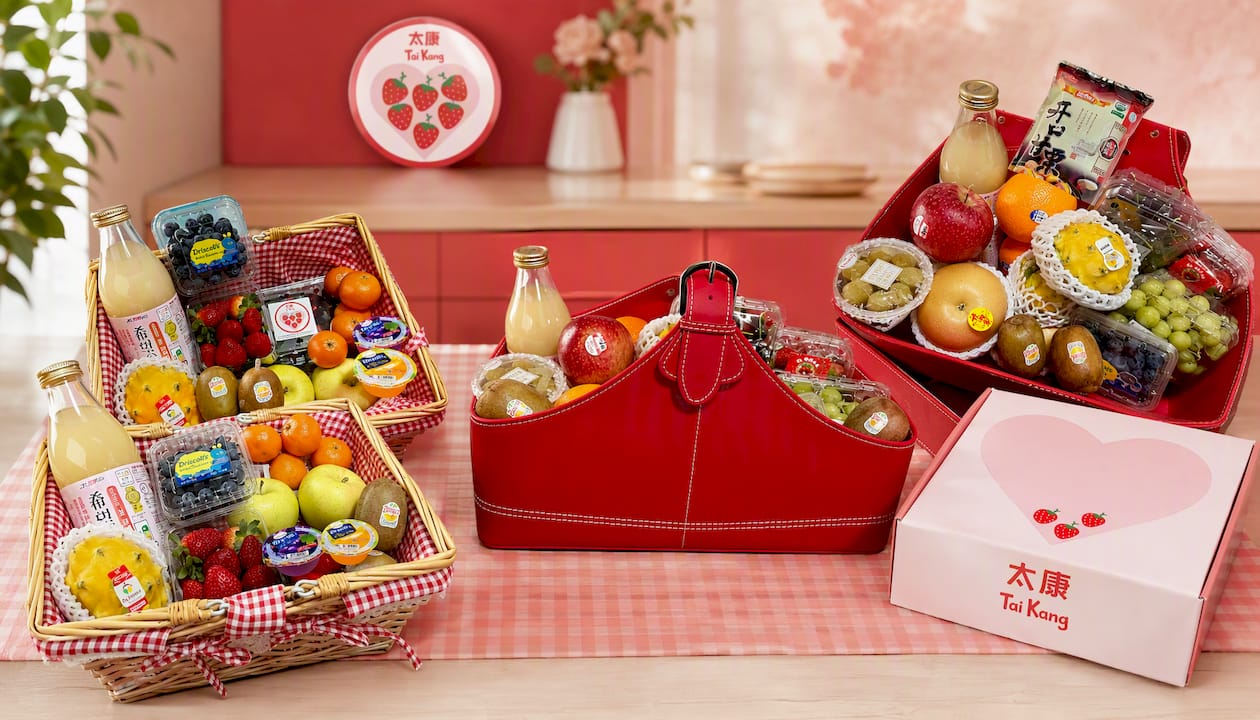
Feeding a household daily, the Fruitastic Basket is the fastest way to start. Sending a gift someone will remember, the Deluxe Harvest Premium Fruit Hamper is built for exactly that moment. Want to stop thinking about reordering altogether? The bi-weekly subscription plan locks in delivery every two weeks for two months at a lower cost per box. Same-day delivery is available for last-minute gifts, and subscription sign-up takes a few minutes. Place your first order today and see the difference proper cold-chain handling makes.
Sources
For more on how sourcing and cold-chain handling affect fruit quality, see Tai Kang’s full guide to freshness and its tips on finding the freshest local produce. For a broader look at how fresh food delivery logistics work industry-wide, Wild Foodz breaks down cold-chain basics in plain terms.
- Fresh Food Delivery Explained: What You Need to Know – Wild Foodz by Hotel Entree Brugge
FAQ
Where can I buy the best fruits in Singapore?
Tai Kang Healthy Fruits offers premium fruit sourced from trusted growers worldwide, with every batch inspected and stored under temperature control before delivery. The Fruitastic Basket is the best starting point for most buyers.
Where can I find fresh fruit and vegetable delivery in Singapore?
Look for a service that publishes clear sourcing and storage practices rather than vague freshness claims. Tai Kang’s catalog covers everyday fruit baskets, premium hampers, and subscription delivery across Singapore.
Where can I order fruit basket delivery in Singapore?
The Fruitastic Basket and Deluxe Harvest Premium Fruit Hamper both ship with same-day options when ordered before the cutoff time, making them suitable for last-minute gifting as well as routine orders.
Which fruit delivery service is best for regular orders?
For recurring delivery, the bi-weekly subscription plan offers a lower cost per box than repeated one-off orders and lets you pause or adjust as your schedule changes over the two-month cycle.
What should I check before choosing a fruit delivery service?
Confirm the delivery window, ask about the replacement or credit policy for damaged fruit, and look for specifics on sourcing and storage rather than generic freshness language.