
Dragon Fruit in Singapore: A Guide to Varieties, Benefits, and Delivery
What if the bland, watery dragon fruit you bought at the neighborhood supermarket last Tuesday isn't actually what this superfruit is supposed to taste like? It's a common frustration for many Singaporeans who want healthy options but end up with flavorless produce. We understand that you value quality and want the best for your family's health. You probably agree that finding consistent, sweet fruit in a local bin feels like a game of chance, especially when 60% of supermarket imports are harvested early for shelf life rather than flavor.
We're here to change that by showing you exactly how to pick a winner every time. You'll discover the specific nutritional profiles of the red, white, and yellow varieties, including why the red-fleshed type contains 2 times the betacyanin of its white-fleshed counterpart. We'll also share our professional secrets for identifying ripeness so you never waste money on under-ripe fruit again. This guide offers no guesswork, no wasted money, and no more flavorless snacks. You'll learn how to source the freshest premium varieties for direct delivery to your home in Singapore today.
Key Takeaways
- Understand why dragon fruit is a nutrient-dense superfood ideal for weight management and boosting essential mineral intake in Singapore.
- Compare the unique flavor profiles and nutritional benefits of white, red, and yellow varieties found in premium local grocers.
- Learn the most efficient way to prepare and serve this exotic fruit at home with our simple, step-by-step slicing guide.
- Explore how sourcing premium fruit through specialized online delivery ensures superior freshness and quality compared to traditional wet markets.
What is Dragon Fruit (Pitaya)? An Exotic Staple in Singapore
The dragon fruit is the fruit of several cactus species, primarily from the genus Hylocereus. It features a vibrant, leathery skin and a speckled pulp that provides a refreshing crunch. While it originated in Central America, it's now a fundamental part of the Singaporean diet. You'll see it stacked in colorful pyramids at wet markets like Tekka Centre or chilled in the premium produce aisles of FairPrice Finest. Its rise in popularity isn't accidental. Between 2018 and 2023, consumer demand for nutrient-dense tropical fruits in Singapore grew by approximately 15 percent. This growth reflects a shift toward wholesome, natural foods that offer transparency in their health benefits.
In international trade and botanical circles, the fruit often goes by the name "Pitaya" or "Pitahaya." Some regions even refer to it as the "Strawberry Pear" due to its slight sweetness and seeded texture. To understand the botanical background of this crop, one might ask, What is Dragon Fruit (Pitaya)? It's a versatile fruit that comes in three main varieties: red skin with white flesh, red skin with red flesh, and yellow skin with white flesh. Each variety offers a slightly different brix level, which measures sugar content. Red-fleshed varieties are often preferred in Singapore for their higher antioxidant levels and deep, striking color that enhances fruit salads and smoothie bowls.
The name "dragon fruit" comes from the unique appearance of its exterior. The skin is covered in fleshy, green-tipped "scales" that resemble the mythical dragons found in Asian folklore. This visual appeal makes it a prized item during festive seasons. During the Lunar New Year, sales for the red variety typically spike as the color symbolizes luck and prosperity. Beyond its looks, the fruit is prized for its purity. It requires minimal processing to enjoy; it has no added sugar, no preservatives, and no artificial colors. It's a simple, honest gift from nature that fits perfectly into a balanced lifestyle.
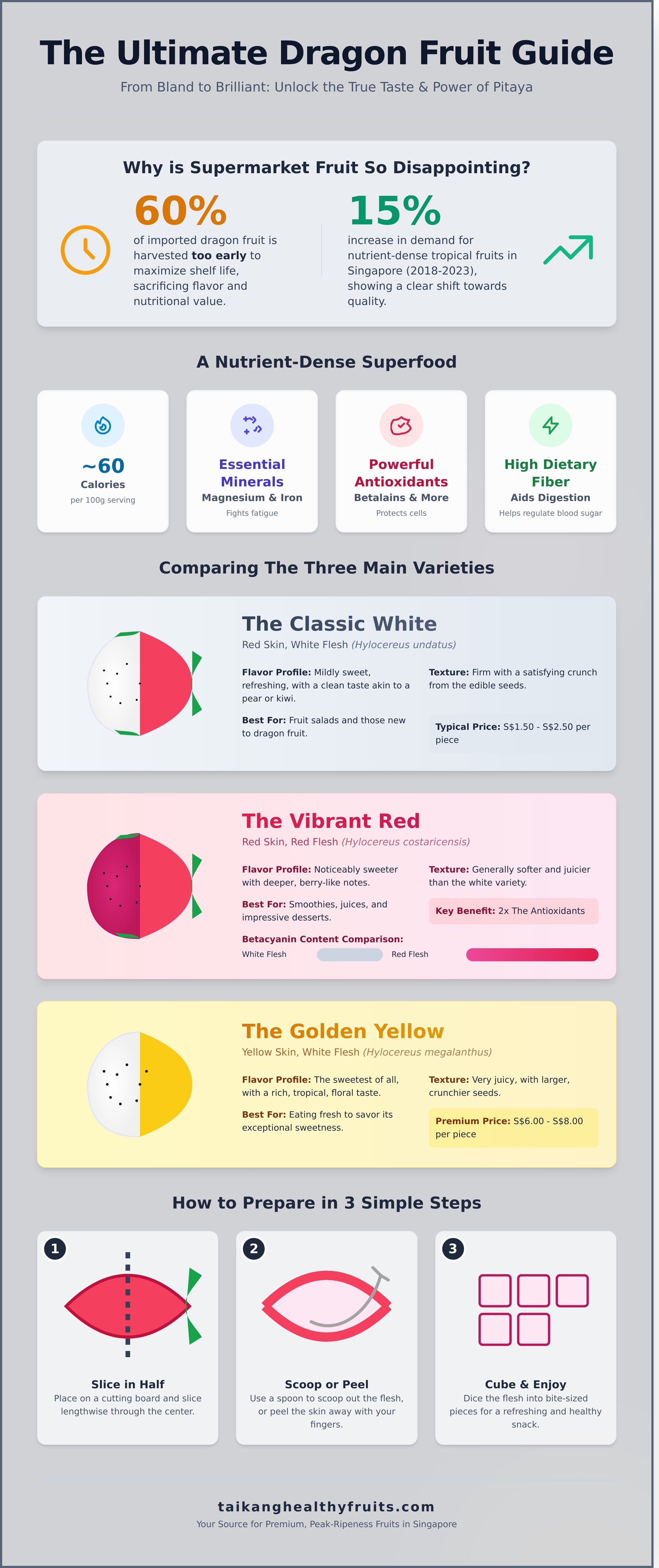
Local pricing reflects the fruit's accessibility and its premium status. At a neighborhood wet market, a standard white-fleshed fruit might cost between S$1.50 and S$2.50. In contrast, the sweeter yellow pitahaya, often imported from Ecuador, can retail for S$6.00 to S$8.00 per piece at high-end grocers. This price gap exists because the yellow variety has a much higher sugar concentration and a longer growth cycle. Regardless of the price point, Singaporeans value the fruit for its high fiber content and its ability to aid digestion in a tropical climate.
The Dragon Fruit Bloom
The "Honolulu Queen" cactus produces the fruit through a fascinating nocturnal process. The large, white flowers open only at night and usually wilt by the first light of dawn. These cacti thrive in tropical environments like Southeast Asia where temperatures remain between 20 and 30 degrees Celsius. The pitaya is a member of the Cactaceae family native to Central America but now synonymous with tropical Asian diets.
Dragon Fruit Nutrition: Why It Is a Singaporean Superfood
Dragon fruit is a staple in Singaporean fruit stalls for good reason. It offers high nutrient density with very few calories. One 100g serving contains only about 60 calories. This makes it a perfect snack for professionals in the CBD who want to manage their weight without sacrificing energy. It's packed with essential minerals like magnesium and iron. Many modern diets in Singapore lack these minerals due to a reliance on processed food. Magnesium helps with muscle relaxation and sleep. Iron supports oxygen transport in your blood. This combination helps combat the fatigue often felt after a long day at the office.
The fruit contains powerful antioxidants. These include betalains and hydroxycinnamates. These compounds help reduce inflammation and protect your cells from damage. You can read more about Dragon Fruit Nutrition and Benefits to see how these antioxidants support long term health. These nutrients are vital for maintaining a strong immune system in a crowded city environment. Regular consumption helps the body fight oxidative stress. This is especially important for those living in urban settings with higher pollution levels.
High dietary fiber is another reason this fruit is a local favorite. A single serving provides a significant portion of your daily needs. Fiber is essential for digestive health. It also plays a key role in blood sugar regulation. For the 1 in 9 Singaporeans living with diabetes, choosing low glycemic index fruits is crucial. The fiber slows down the absorption of sugar into the bloodstream. This prevents the sharp spikes in glucose that can lead to health complications over time. It's a natural way to maintain steady energy levels from morning until night.
Red vs. White Dragon Fruit Nutrition
Red-fleshed varieties are famous for their deep magenta hue. This color comes from betalains. These are the same potent antioxidants found in beets. They're known for their ability to lower bad cholesterol. White-fleshed varieties are equally valuable. They're excellent sources of Vitamin C and dietary fiber. Both types belong in a weekly fruit box to ensure a diverse intake of vitamins. Including both colors helps you get a wider range of plant compounds. If you want to experience these benefits, you can browse our selection of fresh produce to find the highest quality options.
Prebiotic Benefits for Gut Health
The tiny black seeds in the dragon fruit are more than just decoration. They provide healthy omega-3 and omega-9 fatty acids. These seeds act as prebiotics. They feed the "good" bacteria in your gut like bifidobacteria and lactobacilli. A 100g serving provides approximately 3g of fiber. This is about 12 percent of the recommended daily intake. This fiber is essential for the busy Singaporean professional. It promotes regular digestion and prevents bloating. A healthy gut microbiome leads to a stronger immune response and better mental clarity. Choosing whole fruits over processed snacks ensures your digestive system stays efficient and healthy.
Safety and purity are central to the value of this produce. High quality fruit is grown without excessive chemicals. This ensures that every bite is as nutritious as nature intended. When you choose fresh, vibrant fruit, you're investing in your long term wellness. It's a simple, effective way to improve your daily nutrition. The combination of vitamins, minerals, and fiber makes it an unbeatable choice for any health conscious person in Singapore.
Comparing Varieties: White, Red, and Yellow Dragon Fruit
Singapore's premium fruit boutiques typically stock three distinct varieties. Each offers a unique balance of sweetness and texture. The white-fleshed variety is the most common. It has a clean, mild taste. It's refreshing and works well in fruit salads. The seeds provide a distinct crunch that contrasts with the soft pulp. Red-fleshed fruit is visually stunning. The juice is vibrant magenta and can stain surfaces easily. It's a staple in festive hampers during Lunar New Year. Many customers appreciate the nutritional benefits of dragon fruit, especially the high antioxidant content found in the red pigments. While white varieties average a sugar content of 10 to 13 Brix, red varieties often reach 13 to 15 Brix. This makes the red type noticeably sweeter and more popular for juicing.
Visual impact matters for gifting in Singapore. Red dragon fruit is a favorite for festive hampers because the color symbolizes prosperity. In 2024, approximately 85 percent of luxury fruit baskets in the local market featured either red or yellow varieties. These fruits aren't just food; they're a gesture of health and good fortune. The contrast between the bright skin and the speckled flesh creates a sophisticated look for any table arrangement.
The Premium Choice: Ecuadorian Yellow Dragon Fruit
The yellow variety, known as Selenicereus megalanthus, is the undisputed "King of Dragon Fruits." It's smaller than its cousins but carries a much higher price point in Singaporean markets. This fruit is prized for its honey-like intensity. While standard varieties are mild, the yellow type is exceptionally sweet. It often registers between 18 and 22 on the Brix scale. The pulp is translucent and has a creamier, jelly-like texture. Tai Kang selects these specifically for luxury gift sets because they represent the pinnacle of quality. They're consistently sweet, unlike some white varieties that can taste watery if not grown correctly.
How to Pick a Ripe Dragon Fruit in Singapore
Finding the perfect fruit requires a hands-on approach. Use these specific indicators to ensure you don't bring home a flavorless "supermarket dud."
- The Squeeze Test: Hold the fruit in your palm and press gently. It should have a slight give, similar to a ripe avocado. If it's rock hard, it was picked too early. If it's mushy, it's overripe and may have fermented inside.
- Evaluate the Wings: Look at the leafy "scales" on the skin. They should be bright and colorful. If the tips are withered or brown, the fruit has been sitting on the shelf for more than 5 days. Fresh wings indicate a recent harvest.
- Skin Consistency: Avoid fruits with dark blotches or dry, shriveled skin. A healthy fruit has a uniform color across the entire surface.
Buying from specialized importers like Tai Kang ensures you receive fruit at its peak. Supermarket chains often stock dragon fruit that has been cold-stored for long periods. This leads to a loss of flavor and a rubbery texture. For the best experience, choose fruits that feel heavy for their size. This weight indicates high water content and juiciness. A fresh yellow or red variety should provide a burst of natural sweetness that needs no added sugar.
How to Prepare and Enjoy Dragon Fruit at Home
Preparing a dragon fruit is a quick process that requires no specialized tools. Its soft flesh and thin skin make it one of the most accessible tropical fruits for daily consumption. You only need a sharp knife and a clean surface to begin.
First, place the fruit on a cutting board and slice it vertically from the stem to the base. This reveals the striking interior, whether it is the classic white or the deep magenta variety. A standard fruit usually weighs between 350 and 500 grams, making it a perfect size for a single serving or sharing with one other person.
Next, use a large spoon to scoop the flesh away from the skin. The skin is leather-like but flexible; a spoon should glide between the pink rind and the speckled meat with minimal resistance. If the fruit is perfectly ripe, the skin might even peel back easily by hand. You'll notice the texture is similar to a kiwi, filled with tiny, crunchy black seeds that provide a gentle contrast to the smooth pulp.
For a professional presentation, dice the halves into 2-centimeter cubes. These uniform pieces are ideal for fruit platters or topping breakfast bowls. If you want to impress guests, use a melon baller to create small spheres. This technique works best with chilled fruit, as the flesh holds its shape better at lower temperatures.
For these and other helpful kitchen gadgets to elevate your fruit preparation, you can visit SUZANA SHOP.
Proper storage is vital in Singapore, where the average relative humidity often hits 84% according to Meteorological Service Singapore data. Leave uncut fruit on the counter if you plan to eat it within 24 hours. Once sliced, place the pieces in an airtight glass container and store them in the refrigerator at 4 degrees Celsius. This prevents the fruit from absorbing other food odors and keeps it fresh for up to 5 days. High humidity causes rapid spoilage, so don't leave exposed fruit in the open air for more than 30 minutes.
Culinary Pairings for the Tropical Palate
Thai Honey Mangoes are the perfect companion for this fruit. The mango's 15% average sugar content balances the mild, earthy sweetness of the dragon fruit. Mix them together for a salad that offers both creamy and crunchy textures. The vibrant pink or white cubes also serve as a nutrient-dense topper for acai bowls or Greek yogurt, adding visual appeal without overwhelming the other flavors.
You can also create a "Singapore Cooler" to combat the afternoon heat. Blend half a fruit with 250ml of chilled coconut water and a squeeze of lime. This drink is hydrating, refreshing, and contains no added sugars or artificial flavors. It's a wholesome alternative to processed sodas found in local convenience stores.
Is the Skin Edible?
Many people wonder if they should eat the bright pink peel. While the skin isn't toxic, it's very fibrous and has a bitter taste that most find unpleasant. It's standard practice to discard the skin or compost it. Instead of throwing it away immediately, use the hollowed-out halves as natural serving bowls. They provide a stable, colorful base for fruit salads or sorbets, making your home-cooked meals feel like a premium cafe experience. This zero-waste presentation style is both sustainable and aesthetically pleasing for any occasion.
Experience the premium quality of our hand-selected produce today. Order fresh dragon fruit from Taikang Healthy Fruits for guaranteed ripeness and doorstep delivery.
Sourcing Premium Dragon Fruit and Gift Boxes in Singapore
Finding high-quality dragon fruit at traditional wet markets or open-air stalls often involves a degree of risk. These exotic fruits are delicate. Their vibrant scales can wither quickly under the humid Singapore sun, and the flesh inside is prone to bruising if handled roughly by multiple shoppers. Choosing a specialized online delivery service like Tai Kang Healthy Fruits eliminates these concerns. We manage the entire supply chain to ensure the fruit stays in a temperature-controlled environment until the moment it reaches your home.
Our quality assurance process is rigorous. We implement a 100% hand-selection policy for every order. Our staff inspects each fruit for skin firmness, weight, and color consistency. We discard any specimens with soft spots or dull skin. This attention to detail ensures that the fruit you receive is at its peak ripeness. You don't have to worry about selecting a fruit that is underripe or past its prime. We do the expert work for you.
Freshness depends heavily on logistics. We operate a streamlined delivery network that spans across the island. Your fruit moves from our specialized warehouse directly to our delivery vehicles. We avoid long transit times that can lead to sugar fermentation or texture loss. Whether you are located in a high-rise in the Central Business District or a landed property in Changi, our goal is to maintain the cold chain. This preserves the crisp texture and natural sweetness of the fruit.
- Hand-selected for 100% quality assurance.
- Cold-chain logistics to prevent spoilage.
- Direct delivery from warehouse to doorstep.
- No bruising from public handling.
The Perfect Addition to a Wellness Gift
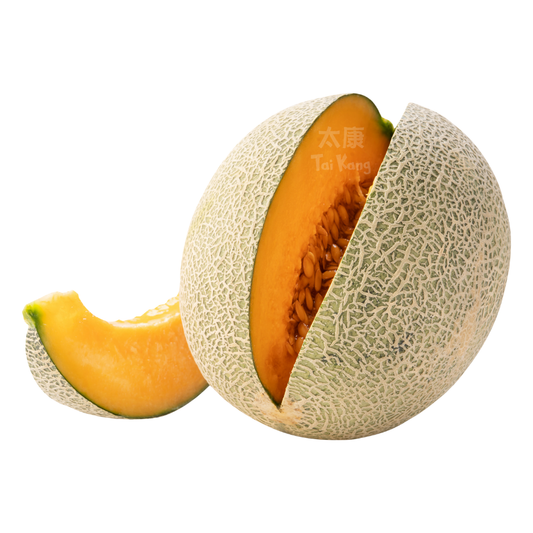
Dragon fruit is a thoughtful choice for health-conscious friends or family members. It's packed with Vitamin C, magnesium, and dietary fiber. You can customize a Premium Fruit Gift Box by pairing the refreshing dragon fruit with a luxurious Japanese Musk Melon. This combination offers a sophisticated balance of flavors. We arrange these boxes with protective padding to ensure the gift arrives in pristine condition. It's an ideal "Get Well Soon" gesture that promotes natural healing and hydration.
While a fruit box is perfect for promoting wellness, other special occasions might call for a more lasting, elegant gift. If you're exploring handcrafted presents, you can learn more about fine jewelry collections.
Ordering for Corporate Events or Group Buys
Corporate wellness programs are now a priority for over 80% of modern Singaporean enterprises. We offer bulk ordering options for offices located in the Central Region and West Region. We maintain consistent quality across high-volume orders, ensuring every employee receives the same premium experience. Our team handles the coordination for large-scale gifting during festive seasons or monthly wellness days. You can Contact Tai Kang for customized corporate fruit hampers to receive a quote tailored to your specific staff count and budget requirements.
We believe that premium fruit should be accessible and reliable. By focusing on transparent sourcing and careful handling, we provide a service that traditional retailers cannot match. Our commitment to purity means you receive fruit with no added preservatives or artificial ripening agents. You get the true taste of nature, delivered with professional care to any corner of Singapore.
Experience the Vitality of Fresh Tropical Produce
This superfruit is a nutrient-dense powerhouse. It fits perfectly into the busy Singaporean lifestyle. It provides essential fiber and antioxidants for heart health and digestion. You can choose from three distinct varieties including the mild white, the antioxidant-rich red, or the premium yellow selection known for its 18 percent sugar brix level. It's an easy way to boost your daily vitamin intake. Preparation is simple and takes less than 60 seconds from fridge to plate.
Tai Kang Healthy Fruits has been a trusted partner for over 5,000 Singaporean families since 2020. We ensure every piece of produce is hand-selected to guarantee ripeness and flavor. Our team manages logistics to provide same-day delivery for fruit hampers across the island. We prioritize purity with no added sugar, no preservatives, and no artificial colors. Health starts with quality. You'll receive only the highest quality seasonal harvests delivered directly to your home or office.
Order Premium Dragon Fruit and Seasonal Gift Boxes for Singapore Delivery
Take the first step toward a healthier home by choosing fruits that reflect your commitment to quality and wellness.
Frequently Asked Questions
Is dragon fruit good for weight loss?
Yes, dragon fruit is an excellent choice for weight loss because it's low in calories and high in fiber. A 100g serving contains about 60 calories and 3g of dietary fiber. This fiber helps you feel full longer and reduces the urge to snack between meals. It's also 80% water, which keeps you hydrated and supports a healthy metabolism. Incorporating this fruit into your morning routine helps manage your daily calorie intake effectively.
What is the difference between red and white dragon fruit?
The main difference lies in the antioxidant content and sweetness levels. Red dragon fruit contains higher levels of betalains, which are powerful antioxidants that give the flesh its vibrant color. White dragon fruit typically has a milder flavor and slightly less sugar than the red variety. Both types offer similar amounts of vitamin C and fiber. You'll find the red variety is often preferred for smoothies due to its intense hue and sweeter profile.
Why is yellow dragon fruit more expensive in Singapore?
Yellow dragon fruit is more expensive in Singapore because it's imported primarily from Ecuador or Colombia rather than neighboring Malaysia. You can expect to pay between S$6.00 and S$9.00 per piece at local supermarkets like FairPrice Finest. This variety has a higher Brix score of 18 or more, making it significantly sweeter than red or white types. The limited supply and long transport distance drive the premium pricing in the local market.
Can I eat dragon fruit seeds?
You can safely eat dragon fruit seeds as they are rich in healthy fats like Omega-3 and Omega-9 fatty acids. These tiny black seeds are distributed throughout the flesh and provide a slight, pleasant crunch. They help promote heart health by improving cholesterol levels. You don't need to remove them; simply slice the fruit and enjoy the seeds as part of the whole fruit experience. They're an essential part of the fruit's nutritional profile.
How long does dragon fruit stay fresh in the fridge?
A whole dragon fruit stays fresh in the refrigerator for 5 to 7 days when stored in a sealed plastic bag. If you've already sliced the fruit, it's best to consume it within 2 days to maintain its texture and flavor. Keep the cut pieces in an airtight container to prevent them from absorbing other food odors. Proper storage ensures you get the most nutritional value and the best taste from your produce.
Is dragon fruit safe for diabetics?
Dragon fruit is safe for diabetics to enjoy in moderation because it has a relatively low Glycemic Index (GI) of approximately 48 to 52. This means it doesn't cause rapid spikes in blood sugar levels. A standard serving size of 120g is generally recommended by nutritionists for those managing glucose levels. Its high fiber content helps stabilize glucose absorption. Always monitor your own response as individual tolerances can vary.
Does dragon fruit help with digestion?
Yes, dragon fruit significantly helps with digestion because of its high fiber and prebiotic content. The fruit contains 3g of fiber per 100g, which aids in regular bowel movements and prevents constipation. It also encourages the growth of healthy gut bacteria like Lactobacilli and Bifidobacteria. This support for your microbiome improves overall gut health and nutrient absorption. It's a natural way to keep your digestive system running smoothly.
Where can I buy organic dragon fruit in Singapore?
You can buy organic dragon fruit in Singapore at specialized retailers like Zenxin Organic Food or through online platforms like RedMart's organic section. These fruits are grown without synthetic pesticides or chemical fertilizers to ensure purity and safety. Prices for organic varieties typically range from S$4.50 to S$7.50 per piece. Look for the "SG-BIO" or international organic certification labels to guarantee the quality and origin of your fruit.