
Avoid Pears and Sets of Four: Fruit Gift Etiquette in Asia
Yes, fruit can be a respectful and auspicious gift in many Asian contexts, as long as you match the fruit, the number, and the presentation to the occasion. The three rules that matter most are symbolism (choose fruits with positive associations), number conventions (even counts for Chinese celebrations, odd counts in Japan, and never a set of four), and freshness paired with tidy presentation. Sources like Roots and ActiveSG outline these customs in practical terms.
TL;DR:
- Giving pairs of mandarins during Chinese New Year reinforces the symbolism of luck and abundance, while odd numbers are preferred in Japan, with four avoided altogether.
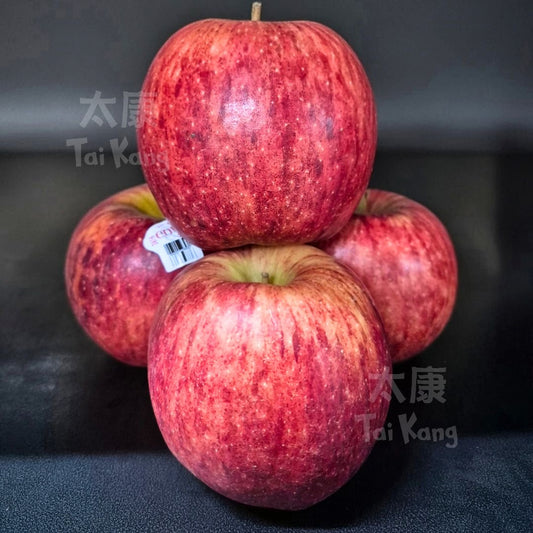
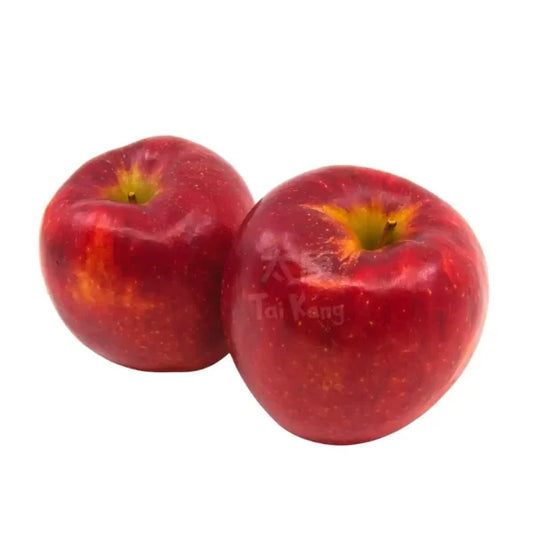
- Fruits like apples are safe for most occasions due to their association with peace, but pears should generally be avoided in Chinese contexts because of their homophone that suggests separation.
- Ensuring fruit is fresh, firm, and well-packaged is crucial, with seasonal options typically offering better taste and value, and professional suppliers reducing the risk of bruising and spoilage.
- Presentation, including symmetry, color contrast, and stable packaging, amplifies respect and thoughtfulness, especially in formal or cultural gift-giving.
- When receiving fruit, reciprocate with a similar gesture where culturally appropriate, such as offering a pair of mandarins back during Chinese New Year, avoiding over-the-top responses to maintain balance.
Table of Contents
- What do common fruits symbolize across Asian cultures?
- How many fruits should you give, and for which occasions?
- How do you pick fruit that looks and tastes gift-worthy?
- What presentation choices signal respect?
- What are the quick dos and don’ts for gifting fruit?
- Why does buying from a trusted fruit specialist make this easier?
- How should you respond when someone gives you fruit?
- What mistakes do people most often make with fruit gifts?
- How does fruit gift etiquette differ in Japan, Korea, and Southeast Asia?
- When should tradition bend for modern gifting?
- Where to find fruit gifts that handle the etiquette for you
- Sources
- FAQ
What do common fruits symbolize across Asian cultures?
Fruit gifting across Chinese-speaking cultures leans heavily on homophones, words that sound like other words with meanings worth celebrating or avoiding. Mandarin oranges are the clearest example: in Cantonese and Mandarin, the words for “orange” and “tangerine” echo the words for “luck” and “gold,” which is why pairs of mandarins are exchanged during Chinese New Year as a wish for abundance. Apples carry a similarly friendly association: the Mandarin word for apple resembles the word for “peace,” making apples a safe, low-risk choice for almost any occasion, including hospital visits or first meetings with in-laws.
Pears are trickier. In many Chinese-speaking contexts, the word for pear sounds like the word for “separation,” so pears are often avoided when gifting to couples, business partners, or anyone you hope to stay close with. Grapes, melons, and plums sit in a gray zone: grapes often suggest fruitfulness and family growth, but plum varieties can carry unintended homophone risks depending on the dialect and context.
- Mandarin oranges: luck and wealth, especially in pairs during festive visits.
- Apples: peace, a dependable choice across most occasions.
- Pears: risk of suggesting separation, best avoided for couples or close relationships.
- Grapes and melons: generally positive, though plums may need a thoughtful substitute like apples.
How many fruits should you give, and for which occasions?
Numbers carry as much weight as the fruit itself. In Chinese celebratory contexts, even numbers are generally preferred because they suggest things come in pairs, good fortune included. Pairs of mandarin oranges exchanged at Chinese New Year are the clearest example, and the custom includes receiving a pair in return. Japan runs the opposite direction in many gifting contexts, where odd numbers are often favored, and the number four is avoided entirely because it sounds like the word for “death.”
A short occasion checklist keeps this simple:
- Chinese New Year: bring pairs of mandarin oranges, and expect a pair back.
- Weddings: follow the host’s stated preferences, since regional customs vary.
- Funerals: skip festive fruit like oranges, and avoid numbers associated with celebration.
- House visits: a small, neatly paired selection reads as thoughtful rather than extravagant.
- Corporate or Japanese-context gifts: avoid sets of four, and lean toward odd counts.
How do you pick fruit that looks and tastes gift-worthy?
A beautifully arranged gift falls apart fast if the fruit underneath is bruised or underripe. A few checks take less than a minute at the point of sale or before you place a delivery order.
- Citrus and mandarins: look for firm skin with a slight give, and a stem end that is still green rather than dried out.
- Grapes: check for a natural bloom, the faint dusty coating that signals the fruit hasn’t been handled too much.
- Melons and peaches: smell the stem end. A ripe melon or peach gives off a mild sweet aroma even through the skin.
- Apples and pears: firm to the touch with no soft spots, and skin that’s free of punctures.
Seasonal fruit tends to taste better and cost less, while imported or off-season fruit often carries more perceived prestige, a trade-off worth weighing against your budget. Whichever route you choose, check that packaging holds the fruit snugly, with padding between pieces so nothing shifts in transit.
Pro Tip: Schedule fruit deliveries for cooler parts of the day or have them placed in shade immediately on arrival, since heat exposure speeds up bruising and shortens shelf life.
What presentation choices signal respect?
Presentation does real communicative work in gift-giving. Research on Japanese gift exchange found that wrapping and arrangement function as a kind of non-verbal message, shaping how a gift is received and whether it prompts an obligation to reciprocate. The same logic applies more broadly: a tidy, intentional arrangement says more than an expensive piece of fruit dropped into a plastic bag.
A few principles carry most of the weight:
- Symmetry and spacing: arrange fruit so no single piece dominates or looks crowded.
- Color contrast: pair reds, oranges, and greens so the gift reads as vibrant rather than monochrome.
- Stable packaging: use boxes or baskets that hold fruit firmly in place during transport.
- Finishing touches: a handwritten card or natural filler like tissue paper or dried grass adds warmth without extra cost.
For Chinese New Year specifically, pair-wrapping mandarins in matching sets reinforces the pairing custom itself. A curated CNY fruit hamper handles this kind of pairing automatically, which helps when you’re short on time. For a visual sense of how boxed arrangements can look polished without being fussy, a classic boxed floral arrangement offers a useful comparison in presentation logic, even outside the fruit category.
What are the quick dos and don’ts for gifting fruit?
A short mental checklist prevents most mistakes before they happen.
- Do check freshness indicators before buying or before a delivery leaves the warehouse.
- Do match fruit symbolism to the occasion, and keep a short note handy if the choice needs explaining.
- Do use neat, stable packaging rather than a loose plastic bag.
- Don’t give pears to someone you want to stay close with, since the word’s association with separation lingers in many Chinese-speaking communities.
- Don’t give sets of four in Japanese contexts, where the number echoes the word for death.
- Don’t choose highly perishable fruit for long-distance delivery or hot weather.
Watch for red flags when buying: a loose or dented box, visible bruising, or an off smell near the stem end. A single bruised piece in an otherwise fresh arrangement is often enough to undercut the entire presentation, according to the same gift-exchange research that found presentation shapes how gifts are valued. If you spot any of these signs, ask for a replacement or choose a different arrangement rather than risk the gift’s impression.
Why does buying from a trusted fruit specialist make this easier?
Getting the symbolism right matters less if the fruit itself arrives bruised or the box looks thrown together. A trusted fruit specialist inspects fruit by hand before it ships and stores everything in temperature-controlled conditions, which keeps the freshness checks covered in the previous section from becoming your problem to solve.
- Hand inspection catches bruising and ripeness issues before they reach your door.
- Temperature-controlled storage protects fruit from the heat exposure that shortens shelf life.
- Reliable delivery means timing doesn’t become a last-minute scramble.
- A 4.85-star rating from 46 reviews reflects consistent customer satisfaction with quality and service.
A curated gift box makes sense when you want the pairing, arrangement, and freshness handled together. A DIY basket still works well when you have time to shop in person and want full control over which fruits go in. Either way, A rewards program can encourage repeat orders, which suits anyone gifting fruit regularly for work or family occasions.
How should you respond when someone gives you fruit?
Receiving a fruit gift well is its own small piece of etiquette. In Chinese custom, when someone offers a pair of mandarin oranges during a Chinese New Year visit, the polite response is to offer a pair back rather than simply accepting and setting them aside. This exchange is part of the custom itself, not an optional extra.

In most contexts, accepting fruit with both hands and a brief thank you is enough. Opening the gift immediately isn’t expected or required in most Asian settings, unlike in some Western gift customs where unwrapping on the spot is the norm. If the fruit was clearly chosen with a specific occasion in mind, a short acknowledgment of the thought behind it, rather than just the fruit itself, tends to land better than a generic thank you.
Reciprocation doesn’t need to happen immediately, except where custom specifically calls for it, as with Chinese New Year mandarins. For a house visit or a thank-you gesture, remembering the gesture and returning something comparable the next time you visit is usually sufficient. Over-reciprocating, such as responding to a small basket with an elaborate one, can read as awkward rather than generous, since gift exchanges in many Asian contexts aim for balance rather than escalation.
What mistakes do people most often make with fruit gifts?
The most common mistake is treating fruit as a neutral, safe gift that requires no thought, when the opposite is closer to the truth. Giving pears to a couple, assuming the gesture is purely about freshness and taste, can land as an awkward message about separation in Chinese-speaking communities. Similarly, bringing four of anything to a Japanese household or business, even with good intentions, risks an unwanted association with death.
Another frequent misstep is mismatching formality and occasion. A simple bag of loose fruit might be perfectly fine for a casual visit between friends but can look careless for a corporate gift or a formal house call where presentation signals respect. On the flip side, an elaborate, expensive arrangement for a casual drop-in can feel excessive and create an uncomfortable sense of obligation to reciprocate at the same level.
Cross-cultural gifting adds another layer of risk. A number or fruit that’s perfectly fine in one country can carry different weight elsewhere. Even numbers that read as celebratory in Chinese custom aren’t automatically meaningful in Japanese or Korean contexts, where the preferences shift. When gifting across these lines, a brief note explaining your intention, something as simple as “wishing you health and good fortune,” removes ambiguity without requiring the recipient to interpret symbolism you may not have gotten exactly right.
How does fruit gift etiquette differ in Japan, Korea, and Southeast Asia?

Japan’s fruit gifting culture leans toward restraint and precision rather than abundance. Odd numbers are often preferred, the number four is avoided outright, and presentation, down to the wrapping paper and box shape, carries real communicative weight, as research on Japanese gift exchange documents. Premium, carefully selected individual pieces of fruit, rather than large mixed baskets, are common as higher-end gifts, which is part of why imported seasonal fruit carries particular prestige there.
Korean fruit gifting shares some ground with Chinese customs, including a preference for pairs and an emphasis on fruit as a staple gift during major holidays, though the specific fruits favored, such as Asian pears presented as a premium item rather than an item to avoid, can diverge from Chinese norms. This is a useful reminder that a rule in one culture, like avoiding pears, doesn’t transfer automatically to a neighboring one.
Southeast Asian gifting customs vary by community and often blend Chinese, Malay, and local traditions, particularly in multicultural settings. Fruit remains a common and welcome gift across most of these communities, but religious considerations can shape what’s appropriate. For gifts to Buddhist recipients, for instance, guidance on appropriate gift choices suggests paying attention to symbolism and modesty rather than assuming any fruit works universally.
When should tradition bend for modern gifting?
Strict adherence to every rule matters most for formal occasions: weddings, funerals, and first meetings with elders. For casual visits or cross-cultural friendships, a brief note explaining your choice, such as mentioning you picked apples for good health, does more good than silent perfection. Tradition should guide the gift, not complicate it.
— Tai Kang
Where to find fruit gifts that handle the etiquette for you
Choosing the right fruit, count, and presentation takes effort, and ordering from a curated selection removes most of the guesswork while keeping the final choice yours. Tai Kang Healthy Fruits inspects every piece by hand and stores it at controlled temperatures before it ships, so the freshness and presentation concerns covered earlier in this guide are handled before the box reaches your door.

- The “I’m Grapeful” gift box suits Teacher’s Day and other appreciation gifts where a warm, personal gesture fits better than a formal arrangement.
- The “I cherry-ish you” Fruit box works well for close friends or family where the message is personal rather than ceremonial.
- The Abundance Harvest Premium Gift Box fits Chinese New Year, corporate gifting, and other occasions where symbolism and presentation both need to be right.
For gift-givers who want fruit on hand regularly rather than for a single occasion, the bi-weekly fruits delivery subscription keeps a steady supply of fresh, inspected fruit coming without repeat ordering. Browse the full range of gift boxes and hampers to find the arrangement that matches your occasion.
Sources
- Chinese New Year
- Lo Hei for Health!
- The `Social Death’ of Unused Gifts: Surplus and Value in Contemporary Japan
FAQ
What is a good gift for someone who loves fruit?
A curated fruit gift box with a mix of fresh, in-season fruit is a reliable choice, since it combines variety with the presentation that signals thoughtfulness. Matching the fruit to the occasion, such as mandarins for a festive visit or apples for a general gesture of goodwill, makes the gift feel intentional rather than generic.
How many fruits should you offer during worship or at an altar?
Offerings vary by tradition and household, and there’s no single universal count that applies everywhere. Many Chinese households favor even numbers for celebratory offerings, while some religious or regional customs call for odd numbers instead, so it’s worth checking the specific practice of the household or temple involved.
What does a fruit basket symbolize?
A fruit basket generally symbolizes good health, abundance, and goodwill, though the specific meaning shifts depending on which fruits are included. Pairs of mandarin oranges carry a specific association with luck and wealth, while a mixed basket without specific symbolic fruit usually just reads as a warm, general gesture.
How do you gift fresh fruit properly?
Check freshness indicators like firmness, stem condition, and aroma before gifting, and pack the fruit in a stable container that prevents bruising in transit. Presentation matters too, since a tidy, well-arranged box communicates more care than loose fruit in a bag, and ordering from a specialist that uses temperature-controlled storage, like Tai Kang Healthy Fruits, reduces the risk of spoilage before the gift arrives.