
Fruit Lunchbox Ideas That Stay Fresh 4 Hours for Singapore Parents
Pack one to two fruit portions in every lunchbox, mixing whole fruit, pre-cut pieces, and a shelf-stable backup so something always survives the school day. Rub a little lemon juice on cut apples or pears to stop browning, and use an ice pack if lunch sits more than four hours before eating. That simple rotation, backed by guidance from the Harvard T.H. Chan School of Public Health’s Nutrition Source, covers freshness and variety without adding prep time, and Tai Kang Healthy Fruits can fill in the gaps on busy weeks.
TL;DR:
- Using cold packs and proper insulation extends fruit freshness for up to four hours, especially for berries, melon, and cut apples.
- Pre-cut fruit like apple slices and berries should be rinsed with lemon or salt to prevent browning and maintain quality.
- Frozen grapes serve as both a nutritious snack and a mini ice pack, keeping other fruit cool and ready to eat by lunchtime.
- Selecting firm, low-mess fruits like mandarin segments and halved grapes reduces spoilage and choking hazards for younger children.
- Seasonal fruits like strawberries and mangoes offer better flavor and cost savings, with pre-washed options speeding up morning packing.
Table of Contents
- Fruit Lunchbox Ideas Kids Actually Eat
- How to Keep Fruit Fresh and Safe Until Lunchtime
- Presentation Tricks That Get Fruit Eaten, Not Traded Away
- Portion Guidance and Combos That Keep Kids Full
- Why the Sourcing Behind Your Fruit Matters
- Fruit Allergies and Safe Substitutions
- Choosing Fruit by Season for Variety and Value
- A Realistic Habit Worth Trying This Week
- Make Lunchbox Prep Easier With Ready-to-Use Fruit
- Sources
- FAQ
Fruit Lunchbox Ideas Kids Actually Eat
Rotating through a short list of go-to options is what makes fruit lunchbox ideas sustainable on a Tuesday morning, not just a Pinterest board. Here are the combinations that hold up in a standard insulated lunchbox and don’t need a culinary degree to assemble.
- Frozen grapes. Wash, halve for kids under four, and freeze overnight. They double as a mini ice pack and thaw to a chilled snack by lunchtime, lasting the full school day.
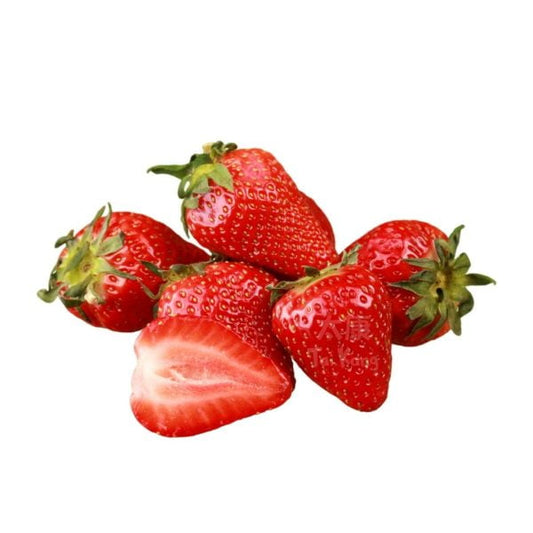
- Berry mix cups. Pat blueberries and strawberries dry before packing in a small ventilated container; wet berries turn mushy within a couple of hours.
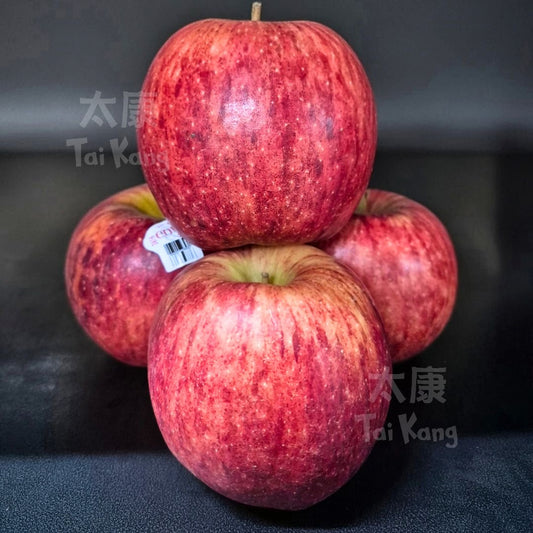
- Apple dippers with lemon. Slice, brush with lemon juice or a quick water dip, and pack in a compartment away from other food. Stays fresh 4 to 5 hours.
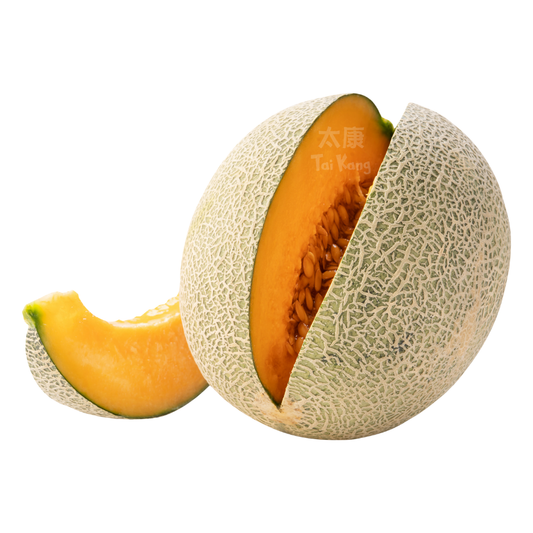
- Melon balls. Use a small scoop for cantaloupe or honeydew; keep cold with an ice pack since melon spoils faster than firmer fruit.
- Mandarin segments. Peel ahead of time; naturally holds up well without browning, making it one of the lowest-effort options.
- Mango cubes in mini pots. Great texture for toddlers; pack in a small lidded pot to contain juice.
- Fruit kabobs. Skewer grapes, melon, and pineapple on a blunt-tip stick; swap for a fork-and-cup version for kids under five to avoid a choking risk.
- Banana roll-ups with nut butter. Spread thin on a tortilla, roll, slice into coins. Check school allergy policies before packing nut butter.
- Pear slices. Firmer varieties like Bosc hold shape better than ripe Anjou; add lemon juice the same as apples.
- Halved grapes for younger kids. Whole grapes are a common choking hazard for children under four, so always cut them.
- Pre-washed berries in a divider. Buying pre-washed cuts morning prep to zero; store dry, add to the box last.
- Yogurt and fruit pots. Layer diced fruit with plain yogurt the night before; keeps well overnight in the fridge.
- Fruit and cheese bites. Cube cheese and fruit together for a protein pairing that keeps kids full longer.
- Applesauce pouches. A shelf-stable backup for days when nothing else survives the backpack; choose unsweetened versions.
- Dried apricot portion. A small handful, roughly six pieces, works as a sweet finish without added sugar.
Shelf-stable choices like applesauce pouches and dried apricots earn their spot on hot days, long field trips, or whenever refrigeration between packing and eating is uncertain.
How to Keep Fruit Fresh and Safe Until Lunchtime
Fruit that browns, wilts, or turns mushy gets left in the box, so the prep step matters as much as the fruit itself.
- Stop browning with an acid rinse. Mix 1 cup of water with 1 teaspoon of lemon juice, or dissolve ½ teaspoon of salt in a cup of water, dip cut apples or pears for 30 seconds, then rinse and pack. Either method slows oxidation for several hours.
- Chill before you pack, not after. Prep and refrigerate fruit the night before rather than cutting it cold in a rushed morning; it starts colder and stays fresher longer.
- Use insulation for anything over four hours. An insulated lunch bag plus one ice pack keeps berries and melon safe through a typical school day, per practical packing guidance from Healthier Families at NHS.
- Dry berries before sealing them in. Pat blueberries and strawberries dry with a paper towel; trapped moisture is what turns them soft by noon.
- Handle shelf-stable fruit deliberately. Drain canned fruit packed in juice rather than syrup, and portion dried fruit rather than pouring it in loose.
Pro Tip: Freeze a handful of grapes the night before and drop them straight into the lunchbox. They chill everything else around them and thaw into a ready-to-eat snack by lunch.
Presentation Tricks That Get Fruit Eaten, Not Traded Away
A banana that looks like dessert competition disappears faster than one tossed in whole. Small visual tweaks change what kids actually reach for first.
- Use a cookie cutter on melon or pineapple slices for simple star or heart shapes; takes 20 extra seconds per fruit.
- Thread fruit onto blunt skewers for kabobs, but switch to a fork-and-cup format for kids under five.
- Compartmentalized bento boxes keep fruit separate from sandwiches so nothing gets soggy.
- Pack a single-serve yogurt pot, cottage cheese cup, or nut-butter sachet as a dip, choosing seed-butter alternatives for nut-allergic classrooms.
- Silicone cups, mini forks, and colorful picks make fruit feel like a treat rather than an obligation.
- Assemble kabobs and cut fruit the night before, storing everything in the fridge so mornings only involve packing, not prepping.
Half the plate, half the box: the Nutrition Source at Harvard recommends filling half a child’s meal with fruits and vegetables, and offering two to three different types when possible. A partitioned bento box makes that ratio easy to hit without measuring anything.
For more plating inspiration beyond the lunchbox, Wildfoodz’s guide to colorful meal presentation has ten tips that translate well to small containers, too.
Portion Guidance and Combos That Keep Kids Full
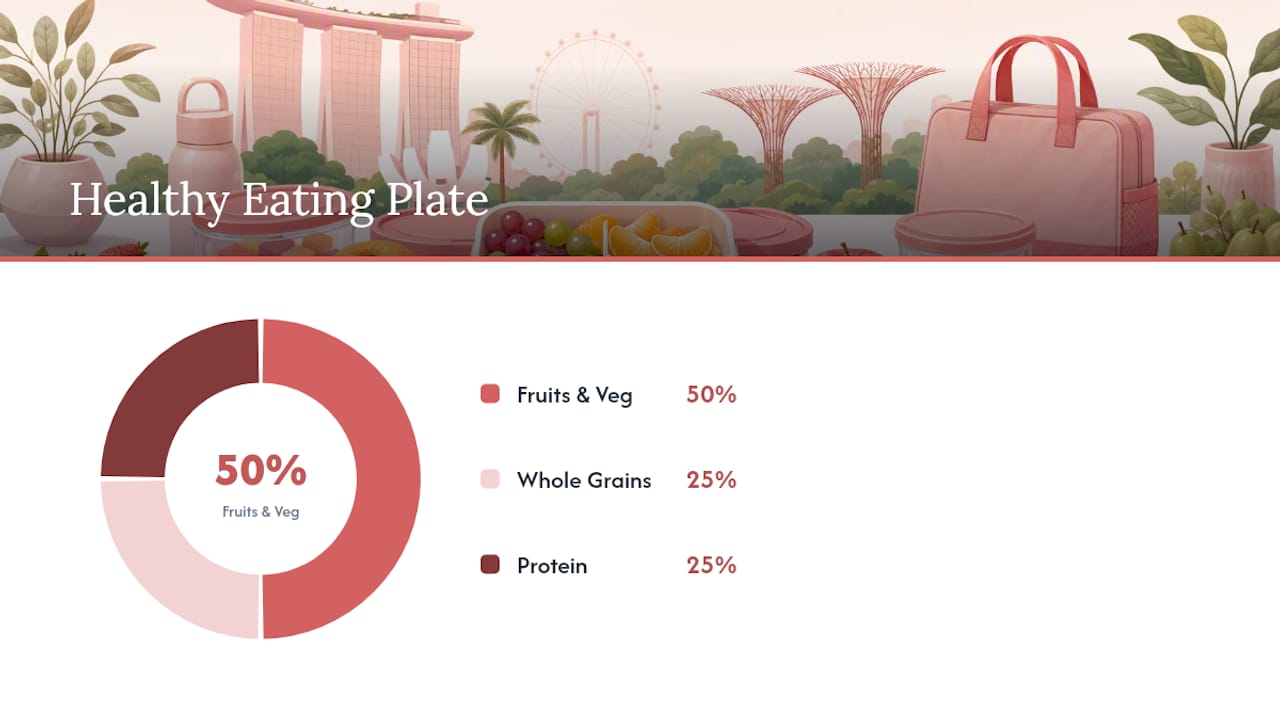
The Kid’s Healthy Eating Plate model breaks a lunchbox into simple fractions: half fruits and vegetables, a quarter whole grains, a quarter protein. Translated into compartments, that means one section for fruit, one for crackers or bread, and one for cheese, egg, or another protein source.
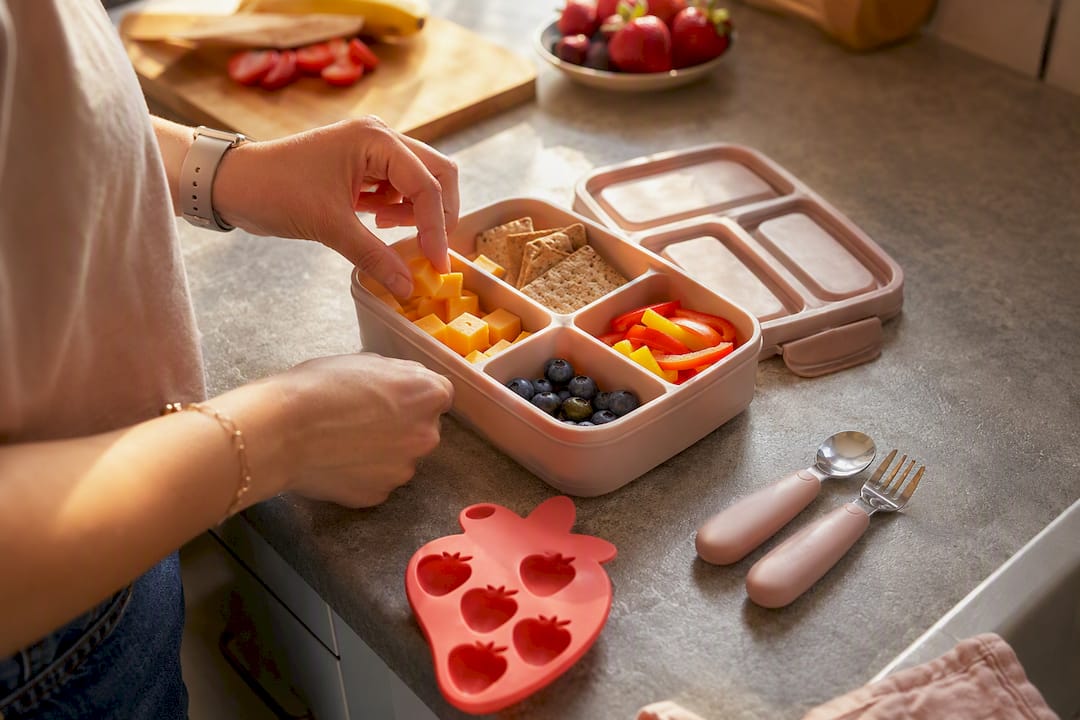
As a general guide, toddlers do well with ¼ to ½ cup of chopped fruit, while older children can handle ½ to 1 cup. These are starting points, not hard rules. Every kid’s appetite runs differently.
Pairing fruit with protein or fat keeps hunger at bay longer than fruit alone:
- Fruit and string cheese
- Fruit with a yogurt dip
- Fruit kabob alongside wholegrain crackers
- Fruit slices in a nut-butter sandwich
Why the Sourcing Behind Your Fruit Matters
Consistent lunchbox fruit starts with consistent fruit quality, and that’s the piece easy to overlook in a packing routine. Tai Kang Healthy Fruits inspects every order and stores it in temperature-controlled conditions before it reaches a family’s door, which matters more for berries and melon than most parents realize since both spoil fast once bruised.
Customers rate Tai Kang Healthy Fruits 4.85 stars across 46 reviews, a signal that quality control on the receiving end translates into fewer soft spots and less waste in a Tuesday lunchbox.
Boxes like the Berries Bliss Medley, the Sending Good Vibes pack, and the Omakase Gift Box work well as a weekend fruit haul that gets portioned into the week’s lunchboxes rather than a single-occasion gift.
Written with guidance from Tai Kang Healthy Fruits, drawing on public health packing standards and hands-on sourcing experience.
Fruit Allergies and Safe Substitutions
Fruit allergies are less common than tree nut or peanut allergies, but they happen, particularly with strawberries, kiwi, and stone fruits like peaches and plums. Oral allergy syndrome, a mild reaction linked to pollen sensitivity, can also cause tingling or itching around the mouth after eating certain raw fruits, especially apples, pears, or melon, in kids with seasonal allergies.
If a school or classroom has restrictions, swaps are usually straightforward. Melon, banana, and citrus segments rarely trigger oral allergy syndrome the way raw apple or pear can, so they’re a safer default for a shared classroom snack bin. Canned fruit in juice can also reduce reactivity for some kids, since cooking breaks down some of the proteins responsible for the itching sensation, though that shouldn’t be treated as a guarantee for a child with a diagnosed food allergy.
Nut-butter dips are the more common allergy flashpoint in a fruit-forward lunchbox, not the fruit itself. Sending a nut-butter roll-up to a peanut-free classroom is one of the easiest packing mistakes to make without realizing it. Seed butters like sunflower seed butter, or a simple yogurt dip, cover the same protein-pairing goal without the risk.
Always check your child’s specific allergy plan and the school’s posted policy before introducing a new fruit or dip combination, and when in doubt, ask your pediatrician about safe substitutions rather than guessing.
Choosing Fruit by Season for Variety and Value
Fruit that’s in season costs less and tends to taste better, which solves two lunchbox problems at once: budget and boredom. Strawberries and mangoes peak in warmer months and often show up cheaper and sweeter at that time; citrus and apples tend to be at their best and most affordable in cooler months.
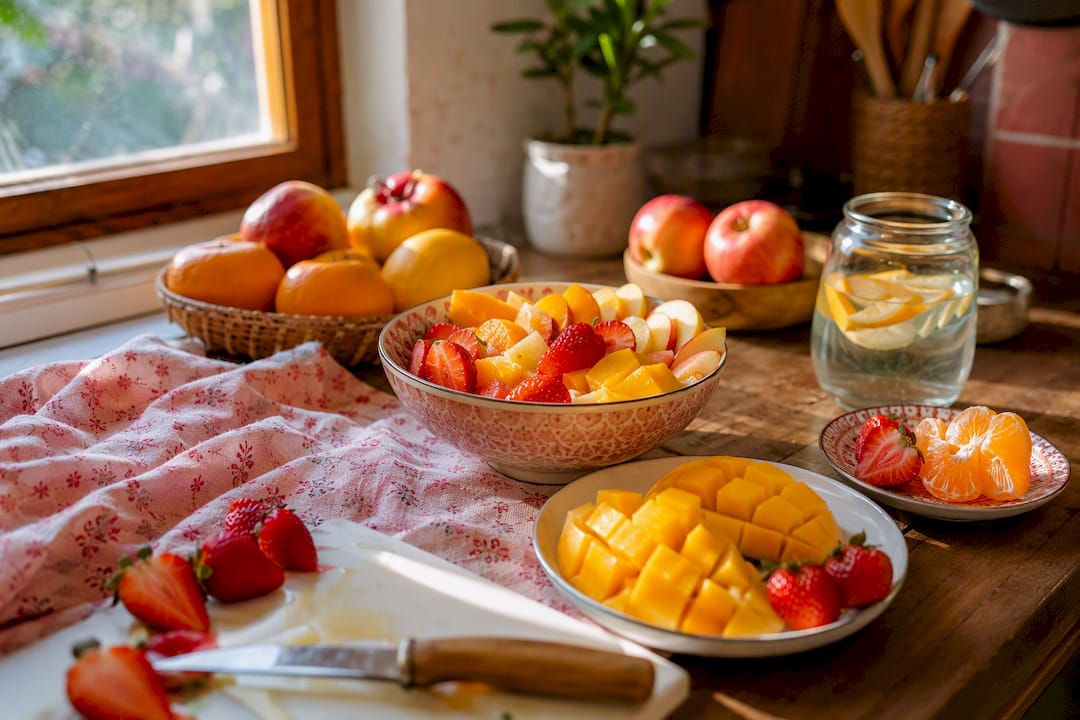
Rotating with the season also naturally builds in the variety that public health guidance points to, since a lunchbox stuck on the same three fruits all year gets boring fast for a kid and for whoever’s packing it. Tai Kang Healthy Fruits publishes a running guide to what’s fresh by season if you want a shortcut to what’s worth buying this month instead of guessing at the grocery aisle.
Buying a seasonal fruit box once a week and portioning it into lunchbox-ready pieces on Sunday tends to be cheaper than buying pre-cut fruit cups daily, and it gives kids more variety without more decisions from you.
A Realistic Habit Worth Trying This Week
Most fruit lunchbox failures happen at 7:10 AM when nothing is cut and the bus leaves in ten minutes. The fix isn’t more willpower, it’s less to do that morning. Try prepping two fruit options the night before, one fresh and one shelf-stable, so there’s always a backup when the fresh one runs out or gets left in the fridge by mistake. Small habit, fewer wasted mornings.
— Tai Kang
Make Lunchbox Prep Easier With Ready-to-Use Fruit
Weekend prep goes faster when the fruit shows up already clean and portioned. The Berries Bliss Medley Gift Box from Tai Kang Healthy Fruits is a mix of pre-washed berries designed for exactly this kind of quick turnaround, pat dry, split into small containers, and you’ve covered two or three lunchboxes without touching a colander.
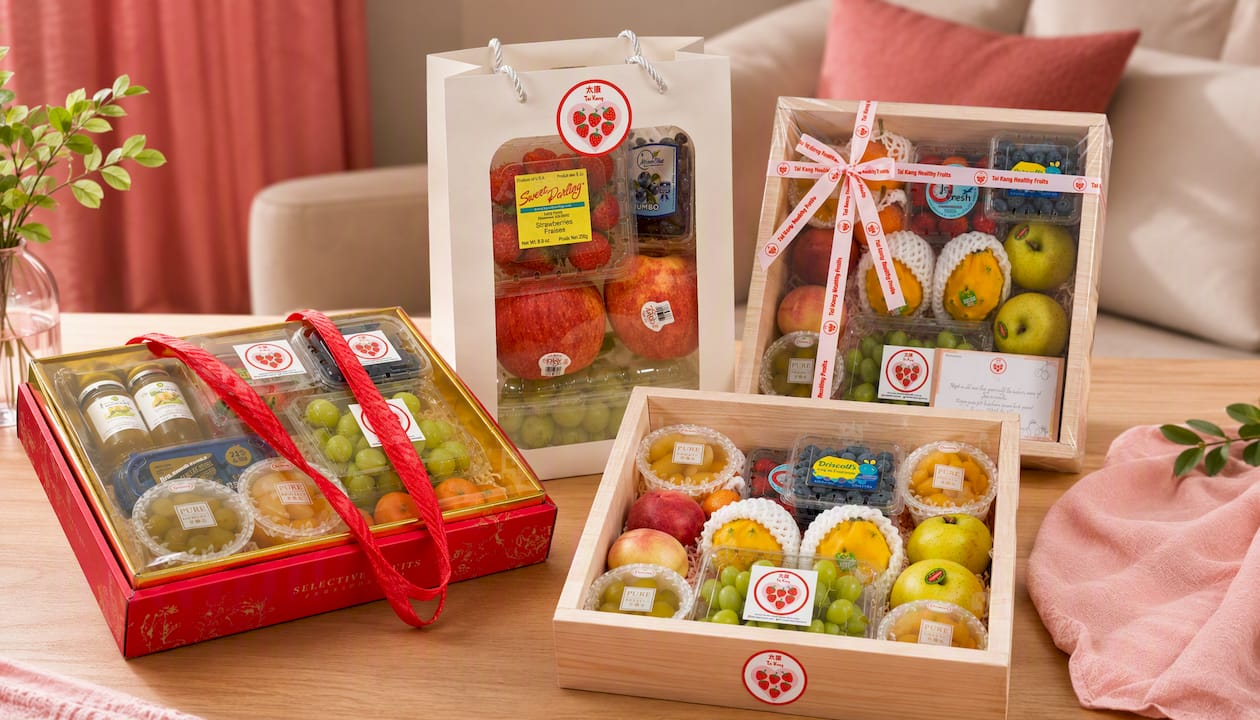
For families packing lunch daily, the Sending Good Vibes gift pack offers a mixed seasonal selection that portions well across the week, and the Omakase Gift Box works as a premium option for a weekend fruit haul you divide into lunchbox packs. Every order goes through inspection and temperature-controlled handling before delivery, so what arrives is close to peak freshness rather than several days into decline.
If your lunchbox routine needs a reliable Sunday reset, order a fruit box for the week ahead and spend twenty minutes portioning instead of scrambling every morning.
Sources
FAQ
What is the best fruit to pack in a lunchbox?
There isn’t one single best fruit, but firm, low-mess options like apple slices with lemon, mandarin segments, and grapes (halved for younger kids) hold up best and rarely need refrigeration for a standard school day.
What fruits are good for a lunch box?
Bite-sized fresh fruit such as chopped apple, halved grapes, melon balls, and berries work well, alongside shelf-stable backups like unsweetened applesauce pouches and canned fruit in juice.
What are some good fruit ideas for a lunch box?
Frozen grapes, fruit kabobs, banana roll-ups with a seed or nut butter, and yogurt-fruit pots all add variety without much extra prep time, especially when assembled the night before.
How can I keep fruit fresh in a lunch box?
Rinse cut apples or pears in a light lemon or salt solution to slow browning, pat berries dry before packing, and use an insulated bag with an ice pack for anything sitting longer than four hours.