
How to Cut a Japanese Musk Melon: The Ultimate 2026 Presentation Guide
What if the difference between a $160 culinary masterpiece and a messy kitchen disaster was simply the angle of your knife? You've invested in a premium Japanese Musk Melon, perhaps a Shiro or Yama grade, and the pressure to serve it perfectly is real. It's natural to worry about wasting that precious, nectar-like juice or slicing into it before it's truly ready. We understand that when you handle a fruit grown with the meticulous "one tree, one fruit" method, you want to respect the craftsmanship involved.
This guide will show you exactly how to cut a japanese musk melon like a professional artisan. You'll master the techniques to ensure every uniform wedge captures the maximum flavor and sweetness without losing a single drop of juice. We'll walk through how to identify peak ripeness by checking the withered T-stem and the soft base. Then, we'll cover the specific slicing steps to create a presentation that honors the luxury of this natural treasure. You'll gain the confidence to serve guests a perfectly plated experience that highlights the fruit's purity and incredible sweetness.
Key Takeaways
- Learn how to identify peak ripeness by using the bottom-press test and observing the natural withering of the T-stem.
- Master the professional technique for how to cut a japanese musk melon to preserve its delicate honey-flesh and precious nectar.
- Discover elegant presentation methods like the half-shell and staggered wedges that elevate the fruit for any special occasion.
- Understand why serving the melon between 10 and 15 degrees Celsius is essential for maximum flavor extraction.
- Learn why this premium fruit is best enjoyed solo to fully appreciate its natural purity and concentrated sweetness.
Essential Preparation: Knowing When Your Musk Melon is Ready to Cut
Timing is the most critical factor for a fruit with such high sugar content. A Japanese Musk Melon is a labor of love. Farmers use the "one tree, one fruit" method to concentrate all nutrients into a single melon. Cutting it at the wrong moment wastes this meticulous effort. You want the sugars to be fully developed but the flesh to remain firm enough for an elegant presentation.
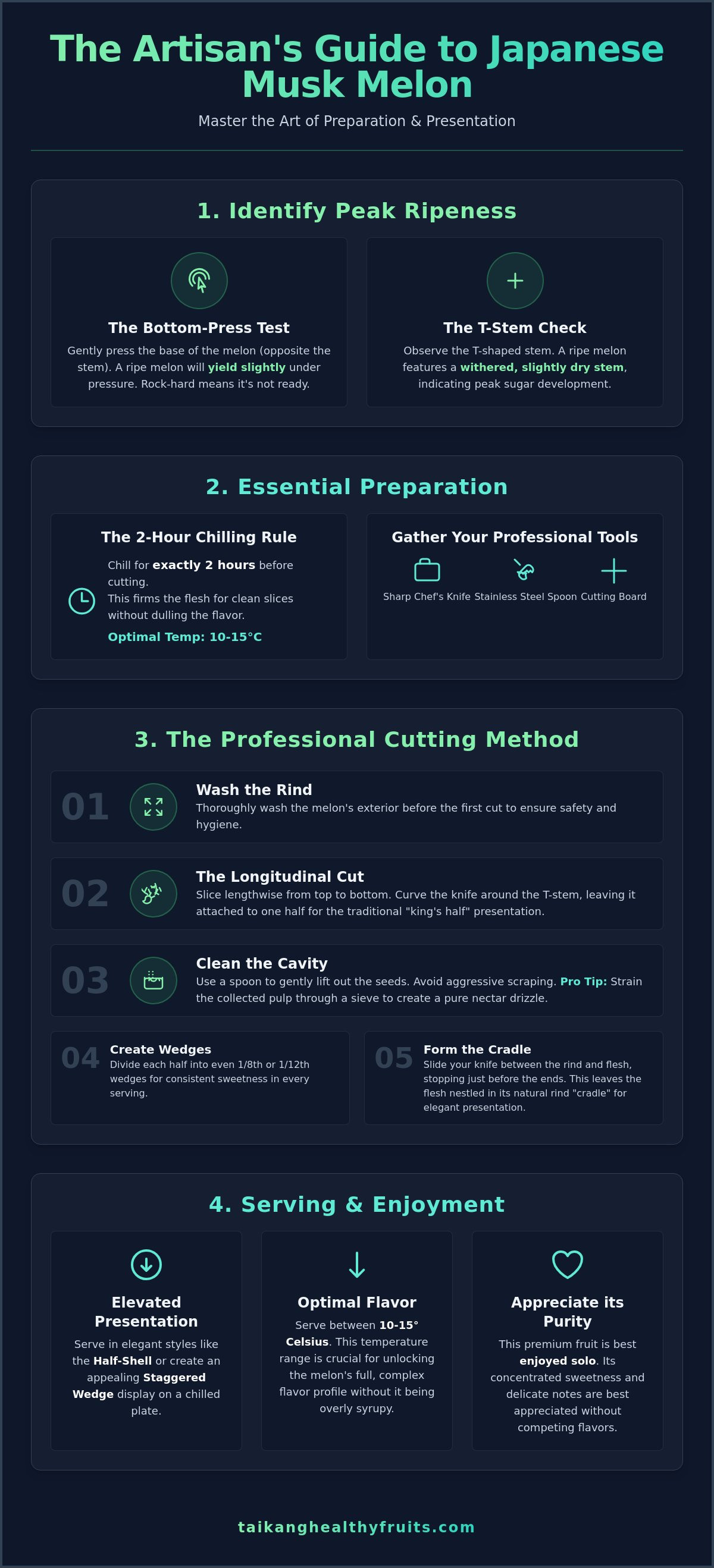
These premium fruits belong to Cucumis melo, the muskmelon species, but their quality standards are much higher than standard grocery store varieties. To ensure peak ripeness, perform the "Bottom-Press" test. Place your thumb on the base of the melon, opposite the T-shaped stem. It should yield slightly under gentle pressure. If it feels rock-hard, the melon is not ready. You should also check the stem. A ripe melon features a withered, slightly dry stem rather than a vibrant green one. This indicates the fruit has reached its maximum brix level.
To better understand this concept, watch this helpful video:
The 2-Hour Chilling Rule Before Cutting
A room temperature musk melon often feels overly syrupy and soft. This makes it difficult to achieve the clean, professional slices required for high-end presentation. We recommend chilling the melon for exactly two hours before you begin. This short period firms the flesh without dulling the delicate floral aroma. Avoid leaving it in the refrigerator for days. Excessive cold can mask the complex flavor profile that makes this fruit so special. The goal is a refreshing temperature of 10 to 15 degrees Celsius.
Gathering Your Professional Tools
Preparation is simpler when you have the right equipment. You will need a long, sharp chef’s knife. A sharp blade allows you to halve the fruit in a single stroke. This minimizes sawing motions that can bruise the delicate honey-flesh. You also need a stainless steel spoon. This tool is perfect for gentle seed removal without scraping away the sweetest parts of the fruit. Finally, use a clean cutting board with a juice groove. This prevents the precious nectar from spilling onto your counter when you learn how to cut a japanese musk melon with precision.
Step-by-Step: How to Cut a Japanese Musk Melon Like a Professional
Mastering how to cut a japanese musk melon requires a steady hand and respect for the fruit's unique anatomy. This process is not just about preparation; it's a ritual that honors the year-long cultivation process. By following a professional sequence, you ensure that the texture remains intact and the appearance matches the fruit's premium status. Always start by washing the rind thoroughly to safely prepare melons at home before your first cut.
The Initial Longitudinal Cut
Place the melon on a stable cutting board. The T-shaped stem is the hallmark of a genuine Japanese melon, so you must handle it with care. Position your knife to the side of the stem. Slice the melon lengthwise from top to bottom, but avoid cutting through the stem itself. Instead, curve your knife slightly to leave the stem attached to one of the halves. This creates the traditional "king's half" presentation often seen in high-end Tokyo fruit parlors. A single, clean stroke prevents bruising the soft interior cells.
Cleaning the Cavity Without Waste
Once halved, you will find the central seed cavity. This area holds the most concentrated sweetness, often referred to as the "honey" of the melon. Use a stainless steel spoon to lift the seeds out with a gentle, circular motion. Don't scrape the walls of the cavity too aggressively. You want to preserve the soft, pulpy fibers that sit just beneath the seeds. The center pulp should be strained through a fine-mesh sieve to extract the pure nectar, which can be drizzled over the final wedges for an extra burst of flavor.
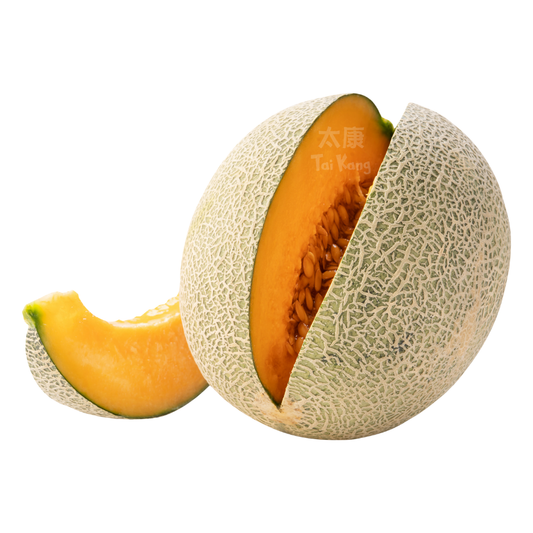
After cleaning the cavity, divide each half into consistent 1/8th or 1/12th wedges. This ensures that the sugar content is distributed evenly among your guests. To finish, place each wedge skin-side down. Slide your knife between the green rind and the pale flesh in one smooth, continuous motion. Stop just before reaching the ends so the flesh stays nestled in its natural cradle. If you're ready to practice these techniques with the finest fruit available, explore our latest arrivals in the Japanese Musk Melon shop. This professional finish highlights the fruit's purity and makes every bite effortless to enjoy.
Elevated Presentation: From Elegant Wedges to Decorative Bowls
Presentation is the final step in honoring the quality of a premium melon. After you learn how to cut a japanese musk melon, the way you arrange the fruit determines the overall experience for your guests. For individual indulgence, the "Half-Shell" method is a classic choice. This involves serving a cleaned melon half directly in its rind. It allows the diner to scoop out the honey-sweet flesh with a spoon, ensuring every drop of nectar is enjoyed. This method is particularly popular for the highest grades of fruit, where the natural beauty of the netting is a centerpiece itself.
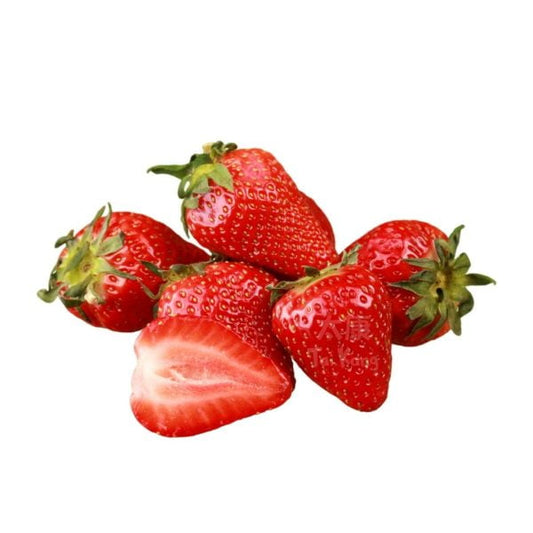
Creating a premium fruit platter requires a balance of color and texture. You can achieve a professional look by pairing the vibrant green of the musk melon with bright red Korean Strawberries or deep purple Japanese Kyoho Grapes. These additions provide a stunning visual contrast that highlights the melon's purity. When arranging a platter for family or corporate gatherings, aim for a clean, organized layout that allows each fruit variety to stand out without overcrowding the plate.
The Traditional Japanese Wedge Style
The staggered wedge is the gold standard for luxury hotel service. To achieve this, slice the flesh into equal segments while keeping them resting on the rind. Gently push every other segment in opposite directions to create a zig-zag displacement. This technique makes the fruit easy to pick up with a fork and creates an architectural, high-end appearance. You can find inspiration for these beautiful arrangements by viewing our Premium Fruit Gift Box options, which showcase the intrinsic value of perfectly presented fruit.
Preparing Cubes for Fruit Boxes and Platters
Uniformity is essential for professional fruit boxes. We recommend cutting the melon into precise 2cm cubes. This size is ideal for easy consumption and maintains the structural integrity of the flesh. To prevent any slight oxidation and keep the hue vibrant, keep the cubes chilled until the moment of serving. This attention to detail is what defines our Corporate Wellness Fruit Box selections. If you want to impress your guests with the world's finest produce, you can order your Japanese Musk Melon today and start practicing these professional presentation techniques.
Serving Etiquette and Best Practices for Maximum Flavor
The final experience of a Japanese Musk Melon depends on how you serve it. Temperature is the most vital element. You've learned how to cut a japanese musk melon with precision, so don't let improper temperature ruin the result. The ideal range is 10 to 15 degrees Celsius. This sweet spot allows the natural sugars to shine without being masked by excessive cold. If the fruit is too cold, you won't taste the delicate floral notes. If it's too warm, the texture can feel unpleasantly soft and syrupy.
We recommend enjoying this premium fruit solo. Its flavor profile is incredibly complex. Strong cheeses or heavy wines often overpower the subtle musk aroma. Before you take your first bite, cleanse your palate with a glass of room-temperature water. This simple step ensures you appreciate the full spectrum of sweetness and the buttery texture of the honey-flesh. Eating the melon on its own allows the craftsmanship of the "one tree, one fruit" method to be fully realized.
Storing Leftovers Correctly
If you don't finish the melon in one sitting, proper storage is essential to maintain its integrity. Use air-tight cling wrap and press it directly against the exposed flesh. This prevents the fruit from drying out or absorbing unwanted refrigerator odors. Japanese Musk Melons are highly porous. They easily take on the scent of strong foods like onions or durian. For the best texture and flavor, consume any leftovers within 24 hours. After this period, the cell structure begins to break down, and the nectar loses its vibrancy.
Health and Nutritional Integrity
Proper handling preserves more than just taste. It also protects the fruit's nutritional value. These melons are naturally rich in Vitamin C and potassium, which support heart health and immune function. At Tai Kang Healthy Fruits, we prioritize freshness in every delivery to ensure these nutrients remain intact. We never use additives or artificial ripening agents. Our commitment to purity means you receive the fruit exactly as nature intended. Ready to experience this culinary masterpiece? Order your hand-selected Japanese Musk Melon today for national delivery and enjoy the pinnacle of premium fruit.
Elevate Your Next Culinary Occasion
Mastering the ripeness window and the precise wedge technique ensures you honor the meticulous "one tree, one fruit" cultivation process. Maintaining the 10 to 15 degree Celsius serving temperature is the final step to unlocking that legendary sweetness. Understanding how to cut a japanese musk melon transforms a simple snack into a sophisticated dessert experience that your guests will remember. These techniques allow you to preserve every drop of precious nectar while creating a visual masterpiece on the plate.
Tai Kang Healthy Fruits has been trusted by families and corporate partners since 2020 to provide the finest seasonal harvests available. Every melon is hand-selected for peak ripeness to ensure you receive only the highest quality fruit. We provide reliable national delivery across Singapore, bringing the orchard's best directly to your doorstep. Experience the peak of luxury with our hand-selected Japanese Musk Melons. You now have the professional skills to present these natural treasures with confidence and grace.
Frequently Asked Questions
Can you eat the skin of a Japanese Musk Melon?
You should not eat the skin of a Japanese Musk Melon because the rind is incredibly tough and fibrous. It's specifically developed to protect the delicate honey-flesh inside and provide a beautiful aesthetic for presentation. While the outer netting is a hallmark of quality, it's not digestible. Always focus on the soft, inner fruit where the nutrients and concentrated sugars are found.
How long does a Japanese Musk Melon last after it is cut?
A cut melon lasts for approximately 24 hours in the refrigerator before the texture begins to soften significantly. While it remains safe to eat for up to two or three days, the signature "melt-in-your-mouth" quality degrades quickly once exposed to air. To maintain the highest standards of freshness, wrap the exposed flesh tightly in air-tight film and consume it as soon as possible after you learn how to cut a japanese musk melon.
Is it necessary to wash the outside of the melon before cutting?
It's essential to wash the outside of the melon under cold running water before you begin slicing. Even though you don't eat the rind, bacteria on the surface can be transferred to the pristine flesh by your knife. Using a clean vegetable brush helps remove any dust or debris trapped in the intricate netting. This simple step ensures the safety and purity of your premium fruit experience.
What should I do with the seeds and the juice in the middle?
You should strain the central pulp and save the liquid nectar while discarding the seeds. The juice in the middle of the melon contains the highest brix level and most intense flavor. Drizzling this extracted "honey" back over your prepared wedges enhances the overall sweetness. This practice ensures you don't waste any of the precious nectar that the "one tree, one fruit" method worked so hard to produce.
Why is my Musk Melon still hard after three days on the counter?
Your melon may still be hard because it hasn't reached its peak ripeness window yet. Some premium melons require up to five or seven days at room temperature to soften, depending on when they were harvested. Ensure the room is not too cold, as low temperatures stall the ripening process. Continue to monitor the base for a slight give and wait for the T-stem to show signs of withering before you decide how to cut a japanese musk melon.
Can I freeze Japanese Musk Melon for smoothies?
You can freeze Japanese Musk Melon if you intend to use it for smoothies or sorbets, but it shouldn't be eaten as fresh fruit once thawed. Freezing breaks down the delicate cell walls, which causes the flesh to become mushy upon defrosting. To preserve the fruit's integrity, cut it into small cubes and freeze them in a single layer on a tray before transferring them to a sealed bag for long-term storage.