
How to Store Fresh Fruits and Keep Them at Their Best
Share
Knowing how to store fresh fruits properly is one of the simplest ways to protect your investment in good food. You pick out the ripest peaches, the most vibrant berries, and the sweetest mangoes, only to find them mushy or moldy just days later. It is a frustrating and wasteful experience that happens to nearly every household. Whether you are a busy parent packing lunchboxes, a health-conscious foodie who shops the farmers' market every weekend, or an eco-conscious consumer trying to reduce food waste, the right storage habits make a real difference. This guide walks you through practical, easy-to-follow strategies that keep your fruits tasting fresh, staying nutritious, and looking their best from the moment you bring them home.
Know Which Fruits Belong in the Fridge vs. the Counter
One of the most common fruit storage mistakes is treating every piece of produce the same way. Some fruits thrive in the cool, controlled environment of a refrigerator, while others suffer and lose both flavor and texture when chilled too early.
The Simple Rule That Saves Your Fruit from Spoiling Too Soon
The general rule is straightforward: fruits that are already ripe belong in the fridge, and fruits that are still ripening belong on the counter.
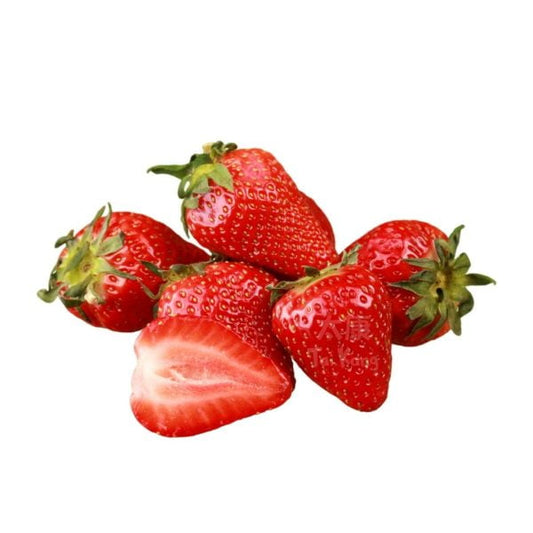
Berries, grapes, citrus fruits, and cherries do best when refrigerated right away. They are delicate and prone to mold, so cold temperatures slow down that process significantly. Store them unwashed in breathable containers or their original packaging, and only rinse them just before eating. Washing before storage introduces moisture that accelerates spoilage.
Tropical and stone fruits tell a different story. Mangoes, peaches, plums, nectarines, avocados, and bananas all need room-temperature conditions to finish ripening. Placing them in the fridge before they are ready interrupts the natural ripening process and can cause the flesh to become mealy and flavorless. Once they reach your preferred level of ripeness, you can transfer them to the fridge to extend their life by a few more days.
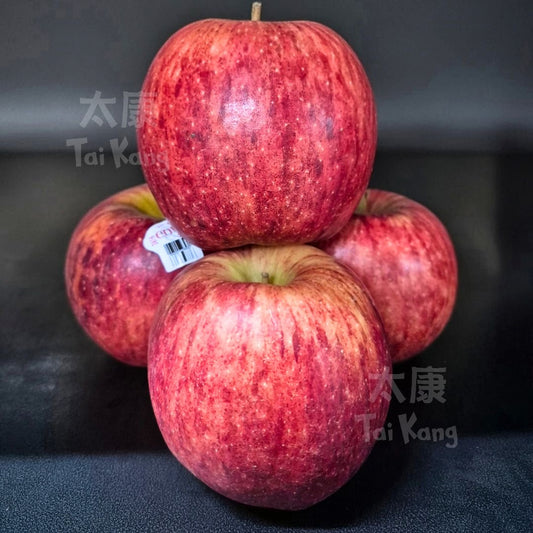
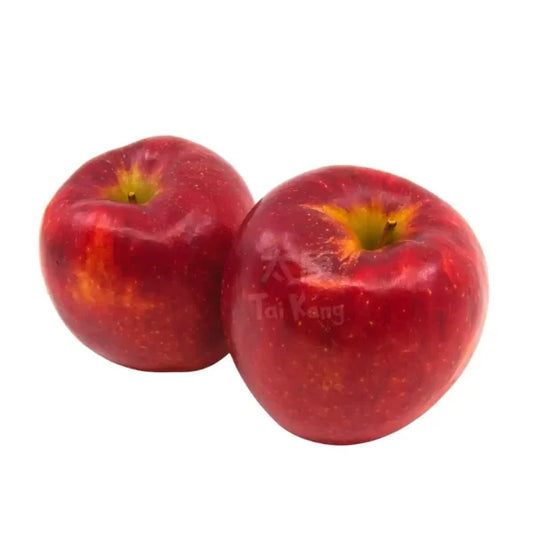
Apples and pears sit in an interesting middle ground. They can ripen on the counter but last significantly longer when refrigerated. One important note: apples release ethylene gas, a natural compound that speeds up the ripening (and eventual overripening) of nearby fruits. Keep apples stored separately, or at least away from more sensitive produce like bananas and leafy herbs.
A few quick storage reminders worth keeping in mind:
Keep bananas at room temperature and away from other fruits until they are fully ripe.
Store citrus fruits in a cool, dry spot on the counter for up to a week, or refrigerate for longer freshness.
Refrigerate grapes in their original ventilated bag to maintain moisture balance.
Place stone fruits in a single layer on the counter to ripen evenly, then move them to the fridge.
How Humidity and Airflow Affect Your Fruit's Freshness
Temperature is only part of the equation. Humidity and airflow inside your storage environment play an equally important role in how long your fruits stay fresh.
Why the Right Storage Container Makes All the Difference
Most modern refrigerators come with humidity-controlled crisper drawers, and they are worth using correctly. High-humidity drawers are best suited for leafy greens and vegetables, while low-humidity drawers are ideal for fruits. The slightly drier environment in a low-humidity setting prevents excess moisture buildup, which is the primary cause of mold growth on soft fruits like strawberries and blueberries.
Airflow matters just as much as humidity. Fruits stored in airtight containers without any ventilation can trap ethylene gas and moisture, creating the perfect conditions for rapid spoilage. Opt for containers with small ventilation holes or loosely covered bowls that allow a bit of air circulation. Reusable produce bags made from breathable mesh or cotton are an excellent eco-friendly option that works well for both countertop and refrigerator storage.
Here are a few container tips that make a noticeable difference:
Line berry containers with a dry paper towel to absorb excess moisture and prevent mold.
Avoid stacking heavy fruits on top of delicate ones. Pressure bruising speeds up decay.
Use shallow, wide containers rather than deep ones so fruits are not compressed at the bottom.
Glass containers with loose-fitting lids work well for refrigerated cut fruits, keeping them fresh without trapping too much moisture.
If you are serious about reducing food waste and extending the life of your produce, investing in quality storage containers is one of the most practical decisions you can make for your kitchen.
Smart Tips for Storing Cut and Mixed Fruits
Pre-cut fruits are incredibly convenient, especially for families with young children or anyone who does meal prep for the week. However, once a fruit is cut, its shelf life drops considerably. The exposed flesh oxidizes quickly, leading to browning and a loss of both texture and nutritional value.
Keeping Prepped Fruits Fresh for Lunchboxes and Snack Prep
The most effective way to slow oxidation in cut fruits is to use a small amount of acid. A light squeeze of fresh lemon or lime juice over sliced apples, pears, peaches, or bananas creates a protective barrier that significantly delays browning. The citric acid inhibits the enzyme responsible for oxidation without dramatically changing the flavor, especially when used in small amounts.
For mixed fruit salads, timing is everything. If you are preparing a fruit bowl for the week, keep more delicate fruits like berries and bananas separate and add them just before serving. Heartier fruits like melon chunks, grapes, and pineapple hold up well together in the fridge for two to three days when stored in a sealed container.
A few more practical tips for cut and prepped fruits:
Store cut watermelon with the rind facing outward in an airtight container to prevent it from absorbing fridge odors.
Keep sliced citrus fruits like oranges and grapefruits in a sealed container and consume within two days for the best flavor.
Freeze overripe bananas, mangoes, or berries that you cannot use in time. They are perfect for smoothies and baked goods, and freezing preserves most of their nutritional value.
For lunchbox prep, pack fruits like grapes, blueberries, and mandarin segments directly into small, sealed containers the night before. They stay fresh and chilled by lunchtime without any extra effort.
When it comes to children's snacks, presentation matters too. Keeping fruits visually appealing by preventing browning and storing them in fun, accessible containers encourages healthier snacking habits. It is a small detail that makes a big difference in how enthusiastically kids reach for fruit over less nutritious options.
One more habit worth building: do a quick fridge audit every two to three days. Move fruits that are approaching peak ripeness to the front so they get used first. This simple rotation habit prevents forgotten fruit from spoiling quietly at the back of your crisper drawer.
Make Every Piece of Fruit Count
Storing fresh fruits the right way means more flavor, more nutrition, and significantly less waste in your home. The tips in this guide are not complicated or time-consuming. They are small, consistent habits that add up to a real difference in how long your produce lasts and how good it tastes when you finally enjoy it.
Knowing which fruits belong on the counter versus in the fridge, using the right containers, managing humidity, and handling cut fruits with a little extra care are all steps that protect the quality of every piece of produce you bring home. For busy parents, health-focused shoppers, and anyone who values getting the most from good food, these practices also translate directly into savings, less food guilt, and a more sustainable kitchen.
Start applying these tips today. Your fruits deserve better than the back of a cluttered fridge, and so do you. Enjoy every bite at its very best.