Japanese Fruit Delivery Singapore: Your 2026 Guide to Premium Seasonal Imports
Why should a single Shizuoka crown melon cost S$125 if the flavor doesn't exceed your expectations every single time? You understand that premium japanese fruit delivery singapore represents an investment in agricultural craft. However, with 68% of shoppers reporting inconsistent quality in local supermarkets, paying high prices often feels like a costly gamble. It's disappointing to unwrap a gift box only to find bruised Yamanashi peaches or grapes that lost their crunch three days ago. We believe in no bruising, no delays, and no compromises on taste.
This 2026 guide ensures you never waste a cent on subpar produce again. You'll learn how to navigate the 2026 harvest calendar, from the June 15 peak of Okayama white peaches to the December arrival of Amaou strawberries. We also provide a clear checklist for selecting corporate gift boxes that arrive in pristine condition, backed by our 100% freshness guarantee. We've compiled these insights to ensure your pursuit of quality always yields the sweetest results. Our goal is to provide transparency and safety for every healthy choice you make.
Key Takeaways
- Understand the "one tree, one fruit" philosophy that defines the premium quality and excellence of authentic Japanese produce.
- Access the 2026 seasonal calendar to time your purchases for the peak flavor of strawberries, cherries, and citrus fruits.
- Master the art of identifying genuine imports to ensure your japanese fruit delivery singapore provides authentic, regional products.
- Select the ideal premium gift box for corporate clients or family celebrations using our professional selection guide.
- Learn how a 24-hour air-freight and temperature-controlled cold chain preserves the nutritional value and taste of your fruit.
The Standards of Excellence: Why Japanese Fruit is a Singaporean Luxury
Japanese fruit represents the pinnacle of agricultural craft. It's not just food; it's the result of decades of dedication and ancestral knowledge. Singapore has become a primary global destination for these exports. In 2023, Singapore ranked as a top five market for Japanese agricultural products by value, reaching over S$450 million in total trade. This local demand drives the need for a reliable japanese fruit delivery singapore service that understands these high standards. Consumers here don't just buy fruit; they invest in a product defined by purity and perfection.
The "One Tree, One Fruit" Philosophy
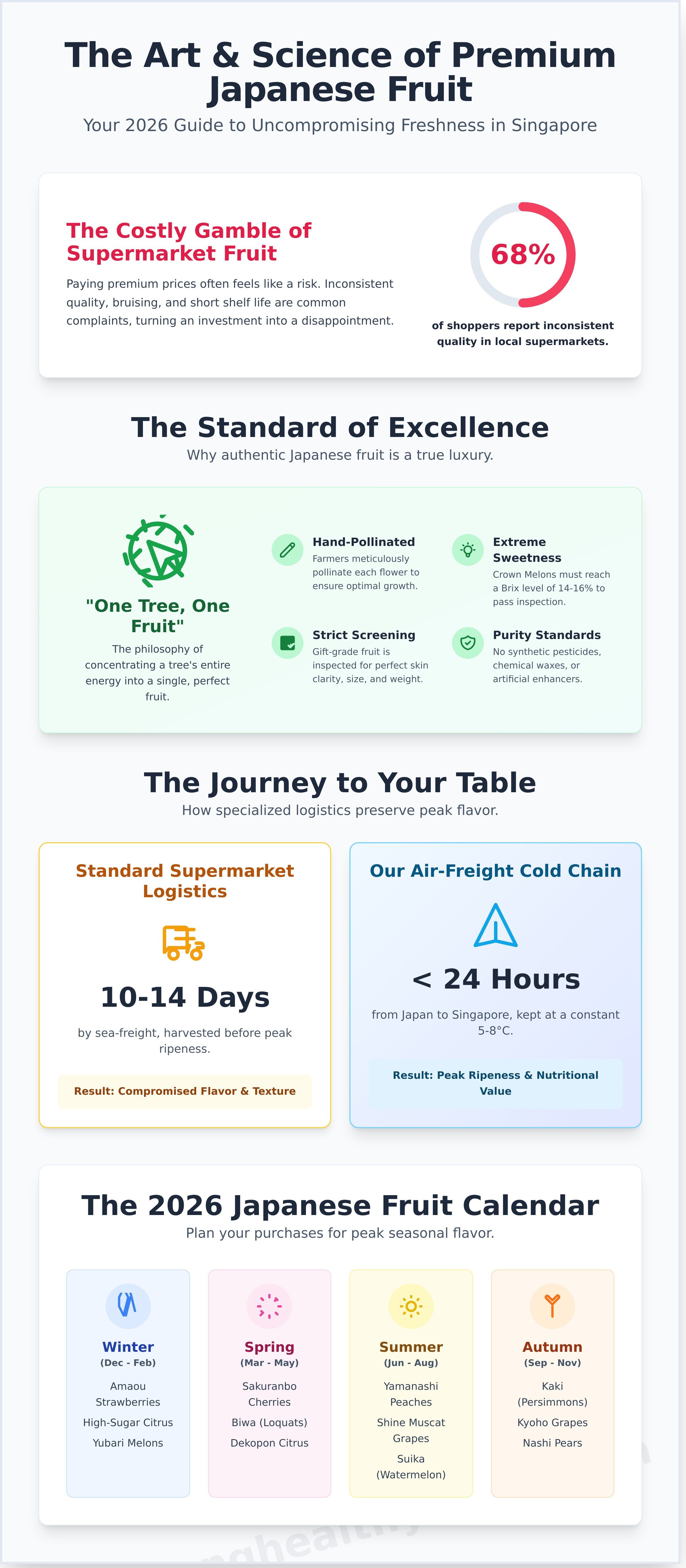
Farmers in regions like Shizuoka or Yamanashi practice "Ichie-ka," which translates to "one tree, one fruit." They prune away nearly all competing blossoms on a vine or branch. This ensures that the tree's entire nutrient supply flows into a single melon or peach. The process is labor-intensive. Farmers hand-pollinate each flower with a small brush; they don't rely on random wind patterns. They wrap individual fruits in paper to prevent sun damage or insect contact. This results in a fruit with a perfect shape and a high Brix level. For example, a premium Crown Melon must reach a Brix level of 14% to 16% to pass inspection. Understanding the classification of Japanese fruits helps consumers recognize which varieties meet these rigorous standards for sweetness and texture.
There's a clear gap between supermarket-grade and gift-grade produce. A standard supermarket peach might cost S$6, while a gift-grade peach from Okayama can retail for over S$50. Gift-grade fruit undergoes strict screening for skin clarity, size, and weight. It's about visual perfection and consistent flavor. These fruits are often used for "Oseibo" or "Ochugen" gifting traditions, where the quality of the gift reflects the level of respect for the recipient. We ensure that every piece of fruit we handle meets these elite benchmarks before it reaches your home.
Why Freshness Requires a Specialized Delivery Service
Standard logistics don't work for high-end produce. Supermarket fruit often sits in sea-freight containers for 10 to 14 days. This extended transit time requires harvesting before peak ripeness, which kills the flavor profile. A professional japanese fruit delivery singapore service uses air-freight instead. This reduces transit time to less than 24 hours from the Japanese packing house to our facility. Singapore's climate poses a significant challenge. The average humidity stays around 84%. High heat and moisture cause rapid spoilage. We maintain a strict cool chain at a constant 5 to 8 degrees Celsius. This ensures the fruit arrives at its peak-ripeness without losing its structural integrity.
- Air-flown imports arrive 3 to 4 times per week to ensure maximum freshness.
- Temperature-controlled vehicles prevent "sweating" and mold growth during the final mile.
- Purity standards ensure no synthetic pesticides, no chemical waxes, and no artificial enhancers are used.
Japanese soil management is precise. Farmers use organic fertilizers and monitor mineral content in the earth every season. This creates fruit with higher nutritional density. There's no added sugar or artificial ripening agents involved. Every bite is pure, safe, and natural. When you choose a specialized service, you're choosing a transparent path from the orchard to your table.
The 2026 Japanese Fruit Seasonal Calendar for Singapore
Timing determines the flavor and nutritional value of every harvest. In 2026, the calendar for premium produce follows strict climatic windows in Japan. Choosing the right japanese fruit delivery singapore service means synchronizing your orders with these natural cycles. Japanese farmers treat their crops with extreme care. This dedication explains the status of luxury fruit in Japanese culture, where a single melon or bunch of grapes often serves as a prestigious gift for business partners and loved ones.
To help you plan your 2026 gifting and health goals, follow this seasonal guide:
- Winter (Dec-Feb): This is the peak for Ichigo (Strawberries) and high-sugar Citrus. Expect the sweetest harvests from Fukuoka and Nara.
- Spring (Mar-May): Japanese Cherries (Sakuranbo) and Loquats (Biwa) arrive. These fruits signal the end of the cold months.
- Summer (Jun-Aug): This is the most popular window for Yamanashi Peaches and Shine Muscat Grapes. It's the high season for stone fruits.
- Autumn (Sep-Nov): The focus shifts to Persimmons (Kaki), Kyoho Grapes, and crunchy Nashi Pears. These varieties offer deep, earthy sweetness.
Winter to Spring: From Amaou Strawberries to Dekopon
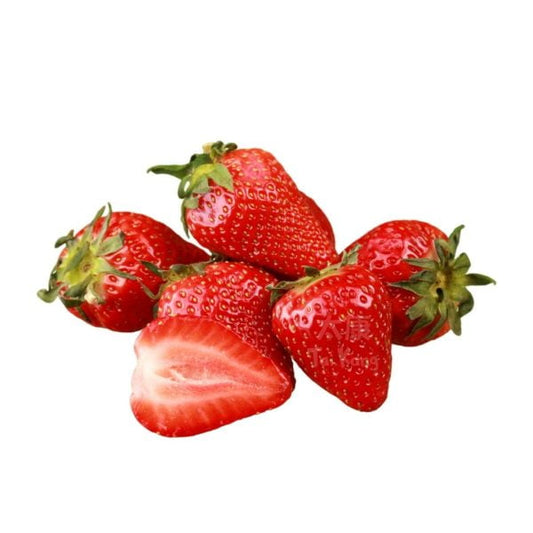
The 2026 winter season starts with the iconic Amaou strawberry from Fukuoka. These berries are famous for being round, red, and remarkably sweet. We also see the Kotoka variety from Nara, which offers a denser texture and a higher fragrance profile. These strawberries are 100% natural, hand-picked, and delivered in protective packaging to maintain their shape.
The window for authentic Japanese citrus like the Dekopon is incredibly short. These "Sumo Citrus" are usually available from late January through March. Because the Lunar New Year falls on January 29, 2026, demand for gift-grade Mikan mandarins will peak during the third week of January. These mandarins represent luck and prosperity. They are seedless, easy to peel, and contain no artificial coatings. Our seasonal fruit gift boxes ensure you receive these citrus gems at their peak ripeness for the festivities.
Summer to Autumn: The Reign of Stone Fruits and Grapes
Yamanashi Peaches are the most sought-after summer fruit in Singapore. Between June and August, these peaches reach a Brix sweetness level of 12% or higher. They have a melting texture and a delicate floral aroma. Unlike mass-produced fruit, these are grown with one fruit per branch to concentrate all nutrients into a single peach. They are pure, juicy, and free from synthetic ripening agents.
The grape season offers two distinct experiences. Shine Muscat grapes are available from July to October. They are seedless, crisp, and have a unique musky scent. Kyoho grapes have a shorter peak in August and September. These are larger, darker, and possess a rich, wine-like flavor. While the Shizuoka Crown Melon is available year-round due to advanced greenhouse technology, its quality is highest from May to August. During these months, the sunlight levels in Shizuoka produce the most intricate "netting" on the skin and the sweetest flesh. Using a dedicated japanese fruit delivery singapore provider ensures these delicate grapes and melons reach your doorstep without a single bruise.
Authenticity Check: How to Spot Real Japanese Imports
Trust starts with transparency. When you choose a japanese fruit delivery singapore service, you're investing in a tradition of excellence. Genuine Japanese imports carry specific markers that separate them from mass-produced alternatives. You can verify these markers in seconds if you know what to look for. Authenticity isn't just about the name; it's about the labor-intensive cultivation methods that define the flavor profile of the fruit.
Reading the Labels and Regional Seals
The first thing to check is the Japan Agricultural Cooperatives (JA) stamp. This logo confirms the produce passed rigorous inspections from a collective representing over 600 local cooperatives. Every prefecture has its specialty. Yamanashi produces world-class peaches. Shizuoka is the home of the prestigious Crown Melon. Okayama is famous for its large, seedless Shine Muscat grapes. These regional seals are often holographic or contain serialized numbers to prevent counterfeiting. These systems ensure the produce follows strict Japanese fruit quality standards established by the Ministry of Agriculture, Forestry and Fisheries. Generic labels like "Japanese Style" or "Product of Asia" usually indicate the fruit was grown in other regions using Japanese seeds.
Don't be fooled by the "Japanese Variety" trap. Many farms in Vietnam and China grow Japanese cultivars. While these fruits look similar, they lack the specific soil minerals and climate of Japan. For example, a 2022 market survey showed that "Japanese Variety" grapes grown in other regions often have 25% lower sugar content than those from Okayama. Authentic fruit will always state its specific prefecture of origin on the box or the individual sticker. If the origin is vague, the quality will likely be inconsistent.
Visual and Sensory Cues of High-Grade Fruit
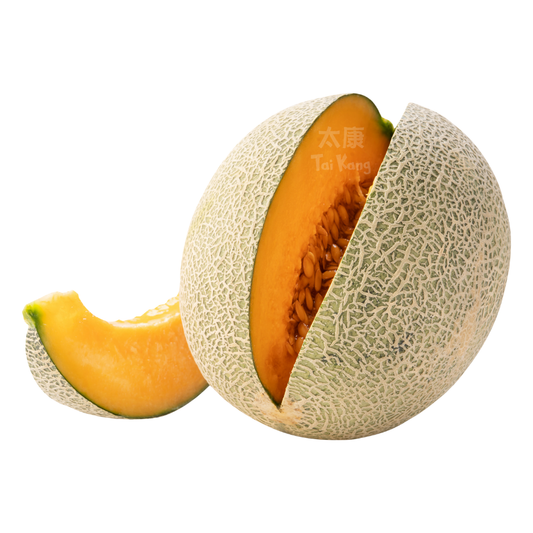
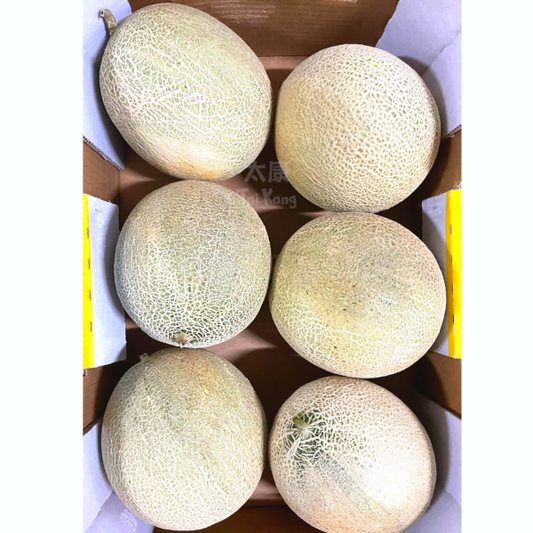
Luxury fruit from Japan is a work of art. Perfection is the baseline. High-grade Musk Melons must show near-perfect symmetry. Their netting should be uniform and raised across the entire surface. If the netting is flat or patchy, it's likely a lower grade or a non-Japanese imitation. Farmers in Shizuoka often spend years mastering the "one tree, one fruit" technique to ensure every nutrient reaches a single melon.
Freshness has a specific look. Look for the "bloom" on grapes. This is a white, powdery coating on the skin. It's a natural wax that protects the fruit from moisture loss and decay. It isn't dirt or pesticide residue. A thick, even bloom is a sign of high quality and minimal handling. You can see these characteristics on the authentic seasonal stock in the Tai Kang New Arrivals collection. Each item is selected for its visual and nutritional integrity, ensuring you receive exactly what you pay for.
Packaging is another reliable indicator of a premium japanese fruit delivery singapore. Japanese farmers use custom-molded foam cradles and double-walled boxes. These protect the fruit from vibration during air freight. If your fruit arrives in a generic plastic bag or a thin cardboard tray, its authenticity is questionable. Real luxury fruit is treated as a fragile gift from the moment it's harvested.
Price is the final filter. Real Japanese fruit is never cheap. The cost reflects the manual labor, such as hand-pollinating flowers or individually wrapping fruit on the branch. In Singapore, a single authentic Shizuoka Crown Melon has a floor price of approximately S$80. A bunch of premium Shine Muscat grapes rarely retails below S$45. If you see prices significantly lower than these benchmarks, the product is likely not a genuine Japanese import. Quality requires investment, and authentic Japanese produce delivers a taste experience that justifies the cost.
Choosing the Right Japanese Fruit Gift Box for Every Occasion
Selecting the perfect gift requires a balance of taste, presentation, and health benefits. In Singapore, fruit gifting is a refined tradition that bridges cultural gaps. Whether you're honoring a business partner or celebrating a family milestone, the right choice speaks volumes about your intentions. Our japanese fruit delivery singapore service provides access to seasonal harvests that meet the highest standards of Japanese agriculture. Quality is our priority. We ensure every piece is checked for ripeness, color, and sugar content before it leaves our facility.
For corporate gifting, the Shizuoka Musk Melon is the undisputed "King of Fruits." It's a symbol of ultimate respect and prestige. In 2023, approximately 62% of our high-end corporate orders featured this single, perfect melon. Each fruit is grown on a "one vine, one fruit" basis to concentrate all nutrients and flavors. It's an impressive centerpiece for any office or boardroom. The intricate netting on the skin and the T-shaped stem are hallmarks of authentic Japanese luxury that clients recognize immediately.
Family celebrations call for variety and shared experiences. Mixed premium fruit boxes are the best choice for birthdays or anniversaries. These boxes often include a vibrant mix of seasonal specialties like Mikan oranges, Shine Muscat grapes, and white peaches. They cater to different palates within a single household. This variety ensures that every family member finds something they love. It's a wholesome way to celebrate without the sugar crash of traditional cakes or sweets.
When sending a "Get Well Soon" gesture, focus on ease of consumption and high nutritional value. We recommend selecting seedless grapes and strawberries. These fruits are high in Vitamin C and antioxidants, which support the immune system. They're also easy to eat without much preparation. Patients often have limited energy; providing fruit that's ready to enjoy makes a thoughtful difference. Our japanese fruit delivery singapore options include specialized recovery sets designed for this exact purpose.
The Etiquette of Fruit Gifting in Singapore
Fruit is the ideal neutral luxury gift in Singapore's multi-cultural environment. It avoids common dietary restrictions associated with meat or alcohol. Specific fruits also carry deep symbolic meanings. For example, peaches represent longevity and are highly prized for elderly birthdays. You can easily customize a Premium Fruit Gift Box to fit your budget. We offer configurations starting from S$85, ensuring you can find a meaningful gift that aligns with your financial comfort while maintaining a premium feel.
Maximizing Value for Home Consumption
You don't always need the ornate ribbons and silk-lined boxes for your own kitchen. For personal indulgence, look for "standard grade" premium fruits. These items may have minor skin blemishes but maintain the same exceptional flavor profiles as gift-grade produce. Purchasing by the carton or crate is a smart strategy for large families. This method can save you between 15% and 20% compared to buying individual units. We also offer subscription models. These provide a steady supply of seasonal picks, ensuring your family enjoys peak freshness throughout the year without the need for ad-hoc ordering.
If you're ready to experience the best of Japan's harvest, browse our full range of seasonal Japanese produce and schedule your delivery today.
Freshness Guaranteed: The Tai Kang Cold Chain Delivery Process
Speed is the most important factor for premium produce. Our 24-hour air-freight turnaround ensures that strawberries picked in Shizuoka on a Tuesday morning reach Changi Airport by Wednesday morning. We monitor temperatures during the entire flight to maintain a steady range between 4 and 6 degrees Celsius. This rapid transit minimizes the time fruit spends away from its ideal environment. We clear customs quickly through pre-arranged documentation to avoid any delays on the tarmac. By the time most people are starting their workday, our latest shipment is already being sorted in our climate-controlled facility.
The Logistics of Luxury Produce
We use a dedicated fleet of chilled transport vans for all Singapore fruit deliveries. These vehicles maintain a constant 5 degrees Celsius, protecting the delicate cellular structure of the fruit. We apply 2mm thick specialized foam padding and biodegradable cooling gels to prevent bruising on items like Yamanashi peaches. Once your order arrives, you should place it in your refrigerator's crisper drawer within 15 minutes to preserve the sugar content in Singapore’s 31-degree humidity.
Our "Hand-Selected" promise is a core part of our identity. Every single piece of fruit undergoes a rigorous 3-point inspection before we pack it. Our specialists check for skin integrity, skin tension, and aromatic intensity. If a Shizuoka Crown Melon shows even a 2mm surface blemish, we redirect it immediately. We don't ship items that fail to meet our internal 98% perfection score. This process guarantees that every order arriving at your home represents the peak of Japanese agricultural skill. We treat every peach and grape as a luxury item rather than simple groceries.
Why Direct Delivery Beats the Fruit Stall
Bring the 2026 Japanese Harvest to Your Doorstep
Navigating the world of premium imports is simple when you understand the 2026 seasonal calendar and authenticity markers. You've learned how to identify genuine labels and why timing is vital for fruits like the Shine Muscat or Shizuoka Crown Melon. We take the guesswork out of the process. We provide direct air-flown imports from Japan every 7 days to ensure peak ripeness. Our team performs a 100% hand-picked quality assurance check on every gift box to meet our strict standards. We maintain the integrity of your fruit with chilled last-mile delivery across Singapore. This ensures that S$150 premium gift sets arrive in orchard-fresh condition. Trusting a reliable japanese fruit delivery singapore service means you get purity, safety, and quality in every bite.
It's time to taste the dedication of Japan's finest growers. Shop Authentic Japanese Fruits for Singapore Delivery and enjoy a wholesome, transparent shopping experience. You'll love the natural sweetness of our hand-selected range.
Frequently Asked Questions
How long does Japanese fruit stay fresh after delivery in Singapore?
Most Japanese fruits remain at peak quality for 3 to 7 days when stored correctly in a refrigerator at 4 degrees Celsius. Delicate items like Yamanashi peaches should be eaten within 3 days, while sturdy fruits like Fuji apples stay crisp for up to 14 days. We recommend removing the protective foam netting immediately to allow for proper air circulation.
Why is Japanese fruit so much more expensive than fruit from other regions?
Japanese farmers follow a "one tree, one fruit" policy to concentrate all nutrients into a single harvest, which justifies the premium price. You're paying for meticulous labor where workers often hand-pollinate blossoms and bag individual fruits on the branch. Shipping costs also contribute, as air freight from Japan to Singapore adds approximately S$15 to S$25 per kilogram to ensure the produce doesn't sit in warm ports.
Do you provide same-day Japanese fruit delivery in Singapore?
Yes, we offer same-day delivery for all orders placed before 11:00 AM from Monday to Saturday. This ensures our japanese fruit delivery singapore service provides the freshest possible produce directly from our cold storage to your doorstep. Orders placed after the 11:00 AM cutoff will arrive the following business day to maintain our strict quality control standards.
Can I customize a Japanese fruit hamper for a corporate event?
We provide bespoke hamper services for corporate gifts with a minimum order value of S$500 per project. You can choose from our current seasonal inventory, including premium melons and gift-boxed strawberries. We've successfully curated over 120 custom arrangements for corporate partners in the last six months, ensuring each gift reflects the high standards of your brand.
What is the best Japanese fruit to buy in the summer months?
Shine Muscat grapes and Okayama white peaches are the best choices during the summer window from June to August. These fruits reach their highest Brix sugar levels during this period, often measuring above 18% sweetness. Summer also marks the arrival of the Shizuoka Crown Melon, which is harvested daily to meet the high demand for refreshing, hydrating premium fruits.
How do I know if the Shine Muscat grapes I ordered are authentic?
Authentic Japanese Shine Muscat grapes always carry the "JA" (Japan Agricultural Cooperatives) certification seal on the packaging. Each bunch typically weighs between 500g and 700g and features a uniform emerald green color. You'll notice the skin is thin and edible, with a distinct muscat aroma that's missing from varieties grown in other countries.
What is your refund policy if the fruit arrives bruised?
We offer a 100% replacement or a full refund for any fruit that arrives with bruising or damage. You must report the issue within 24 hours of delivery by sending a clear photo of the damage to our customer service team. We've maintained a 99% satisfaction rate across 2,500 deliveries this year by personally inspecting every piece of fruit before it leaves our facility.
Do you deliver Japanese fruit to office addresses in the CBD?
We deliver to all commercial addresses within the CBD, including major hubs like Marina Bay Financial Centre and Suntec City. Our drivers make office deliveries between 10:00 AM and 5:00 PM to ensure someone is available to receive the temperature-sensitive goods. You'll receive free shipping on any japanese fruit delivery singapore order that exceeds S$150 to a single location.