
Seasonal Fruits in Singapore: Your 2026 Guide to Peak Freshness
Imagine spending S$85 on a box of imported peaches in July 2025, only to find them dry and flavorless inside. It's a frustrating experience that many Singaporeans face when they pay a premium for quality. Finding the best seasonal fruits singapore offers shouldn't feel like a gamble. You deserve produce that's worth every cent, whether it's for your daily health or a special gift. We believe in transparency and the natural value of high-quality produce.
We know it's hard to find time for 6:00 AM wet market trips just to secure the best picks. You want honesty about where your food comes from and when it's truly ready to eat. This guide provides a complete 2026 calendar for peak freshness across all major global imports. We'll show you how to identify top-tier Japanese, Korean, and Australian varieties. You'll gain the confidence to order premium fruit for doorstep delivery without worrying about overripe or sour surprises. Our guide ensures no more sour grapes, no more mealy peaches, and no more wasted money. Our simple approach helps you enjoy pure, safe, and delicious fruit every single month.
Key Takeaways
- Understand how Singapore’s unique global seasonality model ensures a year-round supply of peak-quality harvests from both hemispheres.
- Use our comprehensive 2026 calendar to track the best months for purchasing the premium seasonal fruits singapore residents love.
- Decode the rigorous grading systems of Japanese and Korean imports to ensure you are selecting the highest "Royal" or "Premium" quality.
- Master professional sensory tests for scent, color, and texture to guarantee ripeness and optimal nutritional value at home.
- Learn to curate health-focused fruit gift boxes that align with modern wellness trends and individual recipient preferences for 2026.
Understanding Seasonality in Singapore: A Global Fruit Perspective
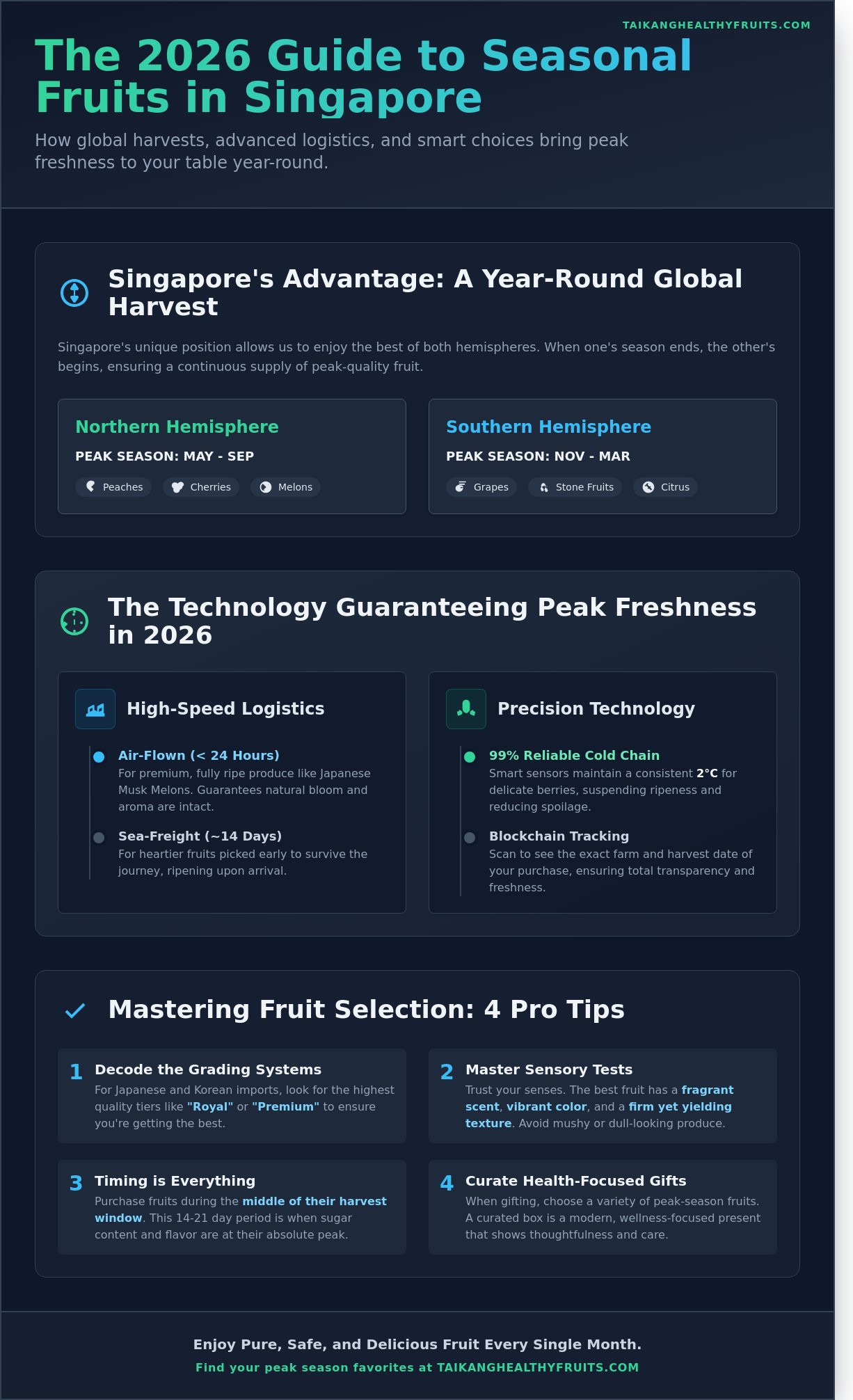
Singapore sits near the equator, so we don't have traditional spring or autumn harvests. Our market operates on a global seasonality model instead. We source from over 170 different countries to ensure a steady supply of fresh produce. This unique position allows us to enjoy the best seasonal fruits singapore can provide by following the harvest cycles of both the Northern and Southern Hemispheres. When Japan's strawberry season ends in May, Australia's winter citrus begins to arrive in June. This six-month offset between hemispheres means there is always a peak season happening somewhere in the world.
To better understand how variety and availability work in our local market, watch this helpful video:
Timing matters more than price when you want the best quality. Peak freshness occurs during the middle of a country's harvest window. In 2026, cold-chain logistics have reached a 99% reliability rate for temperature-controlled shipping. This technology keeps fruit in a suspended state of ripeness. It ensures that a peach picked in California tastes exactly as it should when it reaches a Singaporean home. By 2026, smart sensors track every shipment, maintaining a consistent 2 degrees Celsius for delicate berries. This precision reduces spoilage and guarantees that the seasonal fruits singapore residents buy are nutrient-dense and flavorful.
The Tropical Advantage: Always Available vs. Seasonally Best
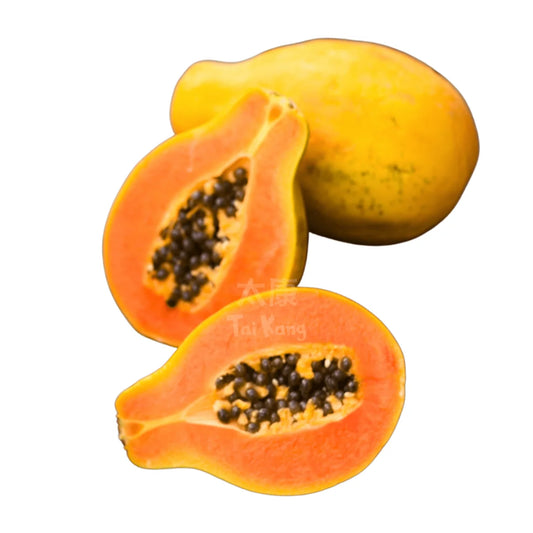
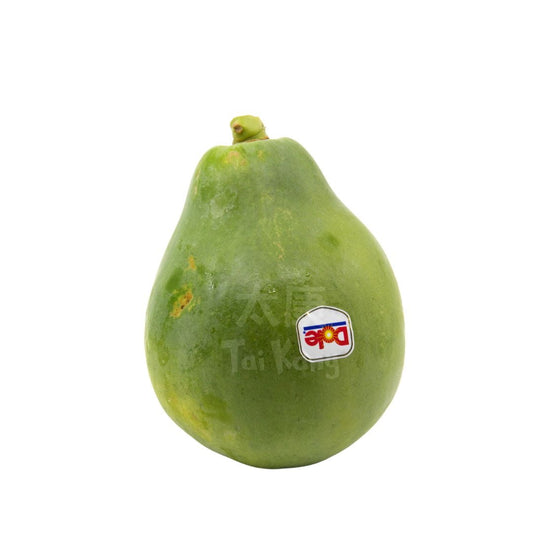
Singapore offers many tropical fruits like Papaya and Pineapple throughout the year. These are staples because our regional neighbors harvest them monthly. However, even these year-round fruits have sweet spots. A Malaysian pineapple is often at its peak sweetness between March and July due to specific rainfall patterns. Supermarket fresh often means the fruit survived the journey. Peak harvest means the fruit reached its maximum sugar content before being picked. We prioritize these peak windows to ensure the highest natural quality for our customers.
How Global Logistics Bring the World to Singapore
A Japanese Musk Melon from Shizuoka can reach your doorstep in under 24 hours via air-flown logistics. Air-flown produce is harvested at full ripeness, while sea-freight items are often picked early to survive the 14-day journey. By 2026, direct-to-consumer premium sourcing has grown by 22% in Singapore. This model bypasses traditional wholesalers. It allows us to deliver a S$120 premium melon or a S$15 punnet of grapes with its natural bloom and aroma intact. High-speed logistics ensure that the distance from the orchard to your table doesn't compromise the fruit's integrity.
- Northern Hemisphere: Peak supply from May to September (Peaches, Cherries, Melons).
- Southern Hemisphere: Peak supply from November to March (Grapes, Stone fruits, Citrus).
- Regional Tropical: Best quality during the dry seasons of Thailand and Malaysia.
We believe in transparency regarding where your food comes from. Knowing the origin helps you understand the value of what you eat. Quality produce is an investment in your health. We focus on purity and safety in every piece of fruit we source. Our steady, informative approach helps you make better choices for your family. By 2026, we've integrated blockchain tracking so you can see the exact farm and harvest date of your purchase. This ensures every bite is as fresh as the day it was picked.
The 2026 Singapore Seasonal Fruit Calendar: What’s Fresh Each Month
Timing your purchases is the secret to enjoying the highest quality produce at the best prices. Because our nation relies on Singapore's agricultural imports for over 90% of its food supply, the availability of seasonal fruits singapore residents love is dictated by global harvest cycles. You'll find that fruit quality peaks during specific windows, often lasting only 14 to 21 days. By following a structured calendar, you can ensure your family enjoys fruit at its nutritional and flavor peak.
A well-planned shopping strategy helps you avoid the high costs of out-of-season air freight. It also ensures you select fruits when their natural sugar content, or Brix level, is at its highest. For instance, Australian stone fruits arrive in late November, while Japanese citrus peaks in mid-winter. Understanding these transitions allows you to plan your household budget and gift-giving with precision.
Q1 & Q2: Lunar New Year Favorites and Spring Delights
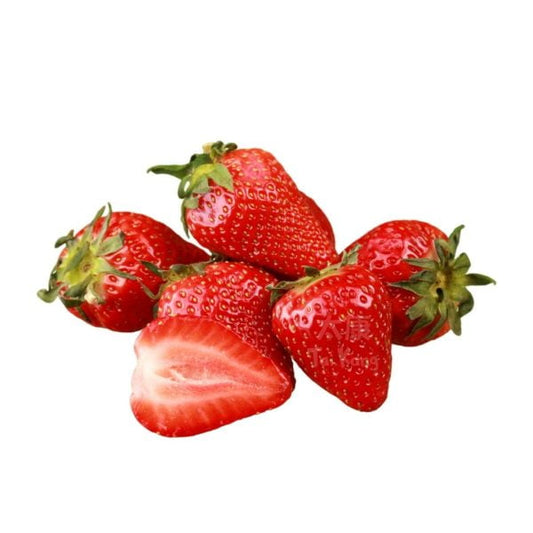
The first quarter of 2026 centers around the Lunar New Year, which falls on February 17. From January to March, the market sees a heavy influx of Australian Honey Murcott Mandarins. These are prized for their thin skin and high juice content, often reaching Brix levels of 12% or higher. During these same months, Korean Strawberries, particularly the Seolhyang variety, arrive in peak condition. They offer a soft texture and intense sweetness that disappears by late March as temperatures rise in the northern hemisphere.
As we move into April and June, the focus shifts to Southeast Asia and early Japanese harvests. This is the prime window for Thai Honey Mangoes, which are most fragrant during these 60 days. By June, the first shipments of early Japanese Peaches reach Singapore. These initial harvests are limited in volume. You must act quickly, as these early varieties often have a "fleeting season" of just three weeks before the main summer crop begins. When selecting pomelos for festive occasions in early 2026, look for fruits that feel heavy for their size, indicating high moisture content and thick, juicy sacs.
Q3 & Q4: Summer Stone Fruits and Winter Luxury Imports
July to September marks the height of the luxury fruit season. This is when Yamanashi Peaches from Japan dominate the premium market. These peaches are hand-picked and graded for perfect symmetry and sugar levels. Following closely in August are Kyoho Grapes, known for their "slip-skin" characteristic and wine-like flavor. These fruits represent the pinnacle of seasonal fruits singapore offers, but their peak window is short. Quality begins to taper off by the third week of September, making early August the best time for bulk orders.
The final quarter of the year introduces robust varieties from the USA and Korea. From October to December, USA Envy Apples are at their crispest, having just been harvested. Simultaneously, premium Korean Shine Muscat grapes return to the shelves, offering a firm, jelly-like texture and floral aroma. December is the most popular month for gifting. The arrival of these late-year harvests makes it the ideal time to send premium fruit gift boxes to partners or loved ones. These boxes often feature a mix of Japanese citrus and Korean grapes, providing a balanced and healthy festive treat. If you want to ensure the freshest selection for your home, you can browse our latest arrivals to see what has landed at the port this week.
The Luxury of the Season: Spotlight on Japanese and Korean Imports
Japanese and Korean fruits dominate the premium market because of their uncompromising standards. These countries treat fruit cultivation as an art form rather than simple agriculture. In Singapore, these items are often found in high-end supermarkets or specialized fruit boutiques. They represent the highest tier of seasonal fruits singapore offers to discerning consumers. The Singapore Food Agency (SFA) monitors these imports to ensure they comply with local safety standards, which is vital for maintaining the trust of health-conscious buyers. This regulatory oversight ensures that every S$50 peach or S$100 melon is as safe as it is delicious.
Understanding the grading labels is essential for any shopper. Japanese grading often uses terms like 'Royal', 'Premium', or 'Special'. A 'Royal' grade typically refers to the top 3 to 5 percent of a harvest. These fruits must have perfect symmetry, no skin blemishes, and a specific sugar content measured in Brix. For example, a Royal grade grape usually exceeds 18 percent Brix. These strict benchmarks ensure you receive exactly what you pay for. Korean imports follow similar rigorous paths, focusing on size and color uniformity to meet export standards for the Singapore market.
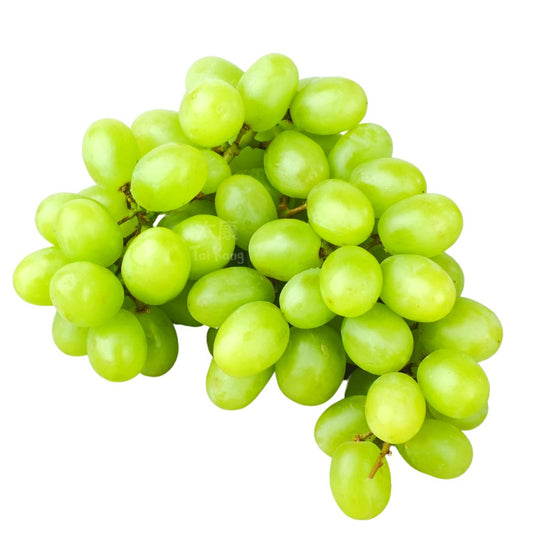
The flavor profiles of these imports are distinct and memorable. Kyoho grapes are a classic favorite, known for their deep purple skin and rich, wine-like juice. They have a slip-skin texture, meaning the skin easily slides off the flesh. Shine Muscat grapes provide a stark contrast. They are bright green, seedless, and incredibly crunchy. Many people call them 'mango grapes' because of their unique floral aroma. While a bunch of Kyoho grapes might cost S$25, a premium bunch of Shine Muscat can reach S$45 or more depending on the farm's reputation.
Gifting these fruits carries significant cultural weight in Singapore. It's common to present high-end fruit boxes during Lunar New Year, Mid-Autumn Festival, or as corporate thank-you gestures. Giving a box of Japanese strawberries or a Korean pear signifies deep respect and well-wishes. It's a practical yet luxurious gift that emphasizes health and quality. Because these fruits are seasonal, they represent a fleeting moment of peak flavor that the recipient is sure to appreciate.
The Japanese Musk Melon: The King of Seasonal Fruits
Farmers use the 'one vine, one fruit' method to create the perfect Musk Melon. They prune all other melons so the plant's nutrients concentrate into a single fruit. You can tell it's ripe when the bottom yields slightly to pressure and the musk aroma is strong. The netting on the skin should be uniform and raised. The Japanese Musk Melon remains the undisputed pinnacle of luxury fruit gifting in 2026, representing the ultimate gesture of appreciation and refined taste.
Korean Shine Muscat Grapes: The 'Mango Grape' Phenomenon
Korean Shine Muscat grapes have transformed the way Singaporeans view table grapes. They offer a firm bite and a sugar content that often exceeds 20 degrees Brix. Unlike traditional grapes, they've no seeds and a skin that's entirely edible without any bitterness. The best harvests arrive between August and October when the weather in Korea is optimal for ripening. Check out the latest new arrivals for this week's harvest to experience this crunch for yourself.
How to Choose and Store Seasonal Fruits for Maximum Freshness
Selecting the best seasonal fruits singapore has to offer is a skill that saves you money and improves your health. You should start with a visual inspection. Look for skin that is taut and free from deep punctures. A green, flexible stem on a grape bunch indicates it was recently harvested. A brittle, brown stem suggests the fruit has been sitting in transit for over 7 days. Vibrant colors are usually a good sign, but don't rely on them alone. Texture is a much more reliable indicator of internal quality.
The scent test is your most powerful tool for stone fruits, melons, and tropical varieties. A ripe peach or mango should emit a sweet, floral fragrance at the stem end. If the fruit has no scent, the sugars haven't fully developed yet. Avoid fruits with a fermented or sour smell. This indicates the internal breakdown of sugars has already begun. For melons, a heavy thud when tapped suggests a high water content and peak ripeness.
Delicate items like strawberries and peaches require gentle handling. In Singapore's heat, a single bruise can lead to mold growth in less than 12 hours. You should always carry these items at the top of your shopping bag to avoid compression. If you spot one soft or fuzzy berry in a punnet, remove it immediately. This prevents the mold spores from spreading to the rest of the batch, which could save you the entire S$15 cost of the punnet.
The Art of Selecting Premium Produce
To find a juicy orange or mandarin, ignore the color of the skin. Some perfectly ripe oranges stay green in tropical climates. Instead, feel the weight. A heavy orange typically contains 20% more juice than a light, spongy one. When buying avocados in Singapore's 80% humidity, choose fruit that is firm to the touch. It'll ripen on your counter within 24 to 48 hours. Don't be deterred by "ugly" fruit with minor surface scratches. These marks are often just "sugar spots" or wind scars. They don't affect the internal quality. These fruits are often the sweetest of the harvest because they've spent more time maturing on the tree.
Storage Hacks to Extend Shelf Life
Many people make the mistake of putting everything in the fridge immediately. This is a mistake for tropical fruits. Mangoes, pineapples, and papayas should stay on the counter at roughly 24°C until they're fully ripe. Cold temperatures below 10°C stop the ripening process. This leads to a bland, mealy texture known as chill injury. Once ripe, you can move them to the fridge to extend their life by another 3 days.
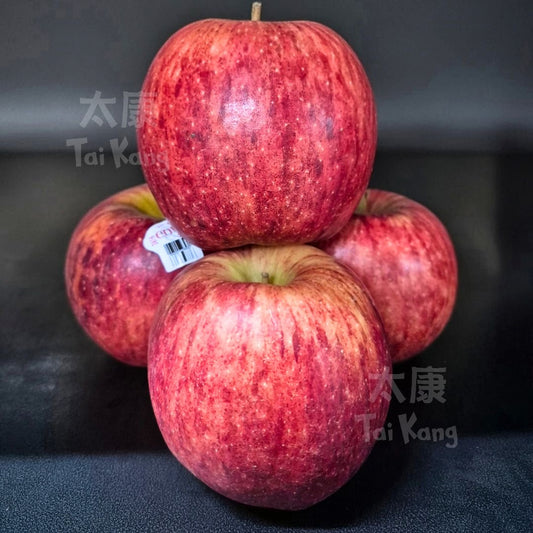
Be mindful of ethylene gas. Apples, bananas, and pears produce high amounts of this natural ripening hormone. If you store them next to leafy greens or delicate berries, those items will spoil 50% faster. Use a dedicated fruit bowl for ethylene producers. Finally, follow the "just before eating" rule for washing. Rinsing fruit before storage adds moisture to the skin. In our humid climate, this moisture invites fungal growth. It can shorten the shelf life of a S$12 punnet of cherries by 4 days.
For the best taste and nutrition, you should order fresh seasonal fruits that have been handled with care from farm to doorstep.
Elevating Your Gifting with Peak-Season Premium Fruit Boxes
In 2026, health is the ultimate currency in Singapore. Traditional hampers filled with processed snacks and sugary biscuits are losing ground to more mindful alternatives. A premium fruit box offers a vibrant, nutrient-dense gift that aligns with the nation's "Healthier SG" initiatives. These boxes serve as a gesture of genuine care, providing vitamins and antioxidants instead of empty calories. Whether it is for a birthday or a corporate milestone, fresh produce represents vitality and longevity.
You can tailor these gifts to match the recipient's specific health journey. If your friend is managing blood sugar levels, we select lower-glycemic options like crisp green apples or tart berries. For someone recovering from a hospital stay, we prioritize high-fiber and vitamin-rich selections to aid digestion and immunity. This level of customization shows a deep level of thoughtfulness that a standard gift card simply cannot match. Every box is a curated experience designed for the individual.
Presentation defines the gifting experience from the moment it arrives. We use FSC-certified cardboard and biodegradable materials to ensure our packaging is as kind to the earth as the fruit is to the body. A hand-tied silk ribbon adds a touch of elegance, creating a premium feel without compromising our environmental pledge. Recent surveys show that 92% of our corporate clients in Singapore cite packaging quality and sustainability as their top reasons for repeat orders. It's about making a lasting impression that feels both luxurious and responsible.
Tai Kang Healthy Fruits maintains a strict "farm-to-door" protocol. Freshness isn't just a marketing buzzword; it's a logistical standard we uphold daily. Most seasonal fruits singapore residents order from our platform are delivered within 24 to 48 hours of arriving at the port. This rapid turnaround minimizes nutrient loss and ensures peak flavor. We don't believe in long-term cold storage. We believe in getting nature's best into your hands as quickly as possible.
Corporate Wellness and Group Buy Options
Office morale improves when employees feel valued. Replacing vending machine snacks with seasonal corporate wellness fruit boxes can reduce mid-afternoon fatigue and boost productivity. We also facilitate Group Buys for residential estates across the island. Coordinating a bulk delivery for 15 or more households in a single condominium can reduce individual delivery fees by up to 20%. This makes consistent, high-quality nutrition more accessible for busy families who don't have time for daily market runs.
Finding the Perfect Seasonal Gift
Selecting the right fruit hamper ensures your message resonates. A "Get Well Soon" basket might feature easy-to-peel citrus and hydrating melons. For a "Congratulations" gift, we include exotic, high-value items like Japanese Shine Muscat grapes or premium cherries. Seasonal variety beats a generic fruit basket every time because the produce is at its natural peak. You won't find mealy apples or tasteless pears in our selections. Browse our full shop collection to see the best seasonal fruits singapore has to offer today. Our prices start from S$68 for premium gift sets, ensuring quality is available for every budget.
Experience Peak Freshness Throughout 2026
Eating with the seasons ensures you enjoy produce at its most nutrient-dense state. Our 2026 guide highlights how timing your purchases with the harvest calendar guarantees better flavor and value. You'll find that premium Japanese and Korean imports reach their peak sugar content during specific 4-week windows. By following our storage tips, you'll maintain that crisp texture for up to 7 days in your refrigerator. Choosing seasonal fruits singapore locals prefer means supporting a healthier lifestyle through natural, whole foods.
At Tai Kang Healthy Fruits, we simplify your search for quality. Every piece of fruit undergoes a strict 3-point hand-selection process to meet our premium grading standards. We manage 100% of our logistics through temperature-controlled doorstep delivery to preserve freshness from the orchard to your home. More than 100 corporate partners trust us for wellness gifting because we prioritize purity and safety in every box. Shop the freshest seasonal imports at Tai Kang Healthy Fruits today!
Start your journey toward better health with nature's finest candy. We're here to help you bring the world's best harvests to your table today.
Frequently Asked Questions
Which fruits are currently in season in Singapore for March 2026?
In March 2026, you can enjoy premium Japanese Dekopon citrus, Australian Honey Murcott oranges, and Thai Nam Dok Mai mangoes. These seasonal fruits singapore shoppers love are at their peak sweetness during this window. We also source Chilean cherries which remain available until late March. Each piece is hand-selected to ensure it meets our 100% quality guarantee before reaching your home.
How can I tell if a Japanese Musk Melon is ripe and ready to eat?
You'll know a Japanese Musk Melon is ready when the bottom yields slightly to gentle thumb pressure. A ripe melon also emits a strong, sweet fragrance from the stem area. If the stem is still turgid and green, wait 2 or 3 days at room temperature. Once it softens, refrigerate it for 2 hours before serving to enhance the natural flavor.
What are the best seasonal fruits for a 'Get Well Soon' gift box?
The best choices for a recovery gift include Zespri SunGold Kiwis, Navel oranges, and blueberries. These fruits contain over 80mg of Vitamin C per serving to support the immune system. We recommend including 2 types of easy-to-peel citrus and 1 pack of antioxidant-rich berries. These selections provide essential nutrients without being too heavy for someone recovering from illness.
Why are Korean strawberries only available during certain months?
Korean strawberries are available from December to May because they require temperatures between 10 and 15 degrees Celsius to develop their sugar content. During these 6 months, the berries achieve a Brix sweetness level of 12 or higher. Outside this window, the heat in Korea makes the fruit too soft for export. We fly them in 3 times a week to maintain 100% freshness.
How does Tai Kang Healthy Fruits ensure the fruit stays fresh during Singapore delivery?
We maintain a strict cold chain at 4 degrees Celsius from our warehouse to your doorstep. Our delivery fleet uses 100% temperature-controlled vehicles to prevent wilting or spoilage. By processing orders within 24 hours of arrival, we ensure your seasonal fruits singapore delivery arrives in peak condition. We don't use middleman couriers; our own staff handles every box with care.
Can I customize a fruit hamper with specific seasonal items?
Yes, you can fully customize your fruit hamper by selecting individual items from our current inventory. You'll have the option to choose from over 40 varieties of premium fruits during the checkout process. Simply add your preferred items to the cart and select the gift wrap option for S$15.00. Our team then hand-packs your selection into a professional display box within 4 hours.
What is the difference between Shine Muscat and Kyoho grapes?
Shine Muscat grapes are bright green, seedless, and have a crisp texture with a honey-like sweetness. In contrast, Kyoho grapes are deep purple, have a slip-skin texture, and contain seeds. Kyoho grapes offer a 20% higher acidity level which creates a rich, wine-like flavor profile. While Shine Muscats are prized for their 18 Brix sweetness, Kyohos are loved for their intense grape aroma.