
Shine Muscat Grape: The Ultimate Guide to the World's Most Luxurious Fruit (2026 Edition)
Why does one bunch of grapes cost S$12 while the one next to it costs S$85? You've likely felt this confusion while browsing Singapore supermarkets, unsure if the premium price for a shine muscat grape actually delivers on its floral promise. It's frustrating to pay a luxury price only to bite into a sour or watery fruit that lacks the signature crunch. You want the best for your health and your family, but the varying quality levels and confusing labels make shopping feel like a gamble.
You deserve transparency and consistent quality every time you buy. This guide reveals the 18-degree Brix sweetness standard that defines a true luxury harvest. We'll explain the crisp skin of Japanese varieties, the robust value of Korean imports, and the 3-step storage method for Singapore's 90% humidity. We offer no sour surprises, no misleading labels, and no wasted dollars. You'll finish this article with the confidence to identify authentic 2026 harvests and the knowledge of where to find the freshest clusters in the city.
Key Takeaways
- Understand why the shine muscat grape is nicknamed the 'Mango Grape' and what creates its signature floral aroma and crisp texture.
- Discover the meticulous, labor-intensive cultivation techniques that justify the premium price of these luxury fruit clusters.
- Learn the distinct differences between Japanese and Korean varieties to choose the perfect bunch for your personal palate or gifting needs.
- Master professional selection tips for the Singapore market, including how to identify the natural 'bloom' and the ideal color for peak sweetness.
- Find out how to secure the freshest delivery in Singapore by prioritizing cold-chain logistics and specialist fruit partners over generic supermarket aisles.
What is a Shine Muscat Grape? The 'Mango Grape' Explained
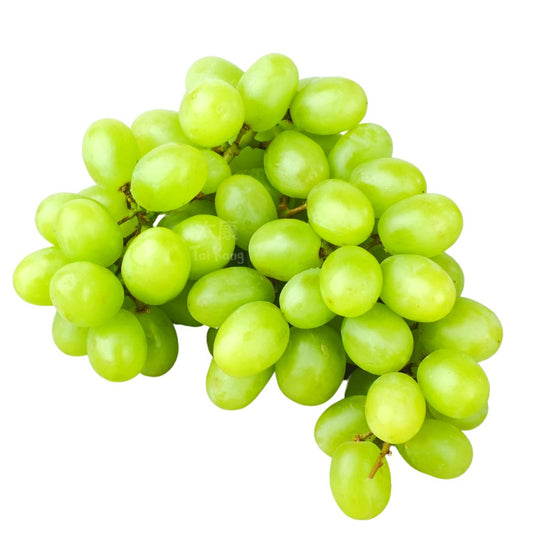
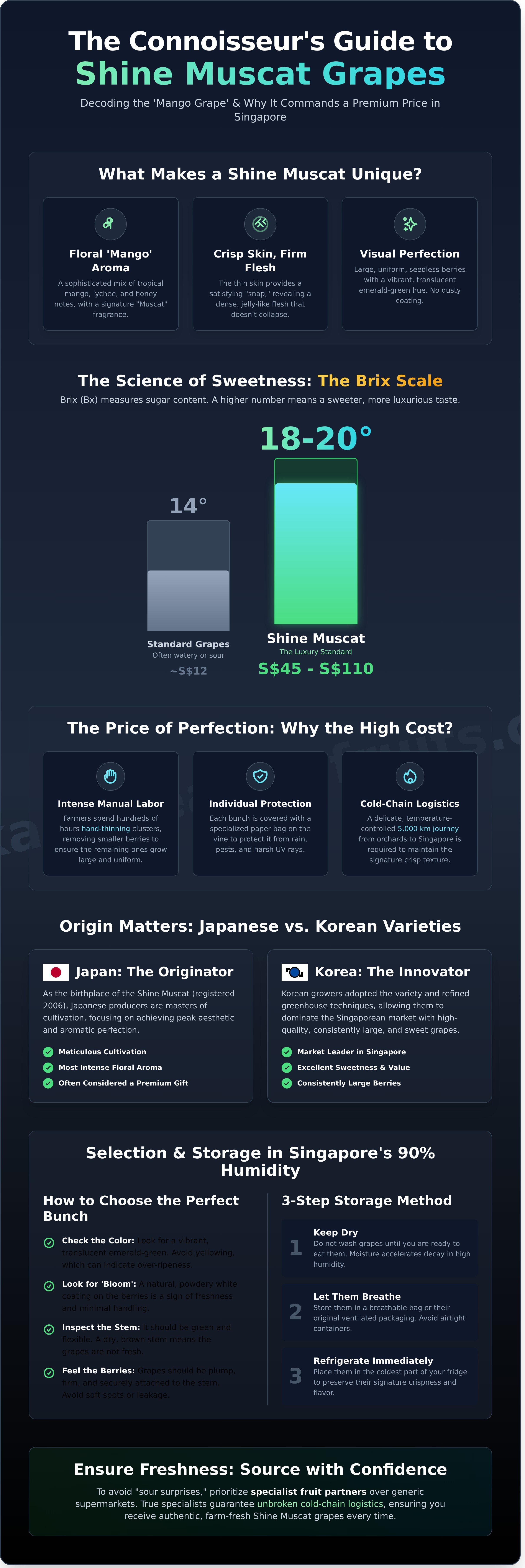
The Shine Muscat grape is a premium seedless variety that has transformed fruit aisles across Singapore. It's famous for its vibrant emerald-green color and massive berry size. Most enthusiasts call it the "Mango Grape." This isn't just a catchy name. It refers to the fruit's unique tropical flavor and dense, jelly-like texture. Unlike traditional grapes that can be sour or watery, these berries are consistently sweet. They offer a clean eating experience with no seeds, no bitterness, and no tough skins. In 2026, the Singaporean market sees a massive surge in "functional luxury." This trend involves choosing high-end produce over processed snacks or expensive trinkets. A premium bunch often costs between S$45 and S$110 depending on its origin and grade. Gifting these grapes has become a standard practice for corporate events and family gatherings. People trust the quality. They appreciate the transparency of the farming process. It's a wholesome way to show appreciation while promoting a healthy lifestyle.It's a wellness-focused gifting culture that also embraces other local premium products, such as the freshly brewed desserts from Royal Bird's Nest.
To see exactly how these premium fruits are cultivated, watch this detailed look at top-tier production: ### The History and Origin of the Shine Muscat The variety began in Japan. Scientists at the National Agriculture and Food Research Organization (NARO) spent decades on its development. They successfully crossed the Akitsu-21 and Hakunan varieties to create the perfect hybrid. Japan officially registered the cultivar in 2006. Since then, the shine muscat grape has traveled across borders. South Korea adopted the variety and refined its greenhouse techniques. By 2024, Korean exports dominated the Singaporean market. China also produces large quantities now, offering more accessible price points for daily consumption. ### Key Flavor Notes: What Does It Actually Taste Like? The flavor profile is a sophisticated mix of floral and fruit notes. You'll catch hints of lychee and honey the moment you bite in. This is the signature "Muscat" aroma. The texture is equally impressive. The skin is so thin it's barely noticeable, yet it provides a satisfying snap. Inside, the flesh is firm. It doesn't collapse like cheaper varieties. While standard grapes hover around 14 Brix, the shine muscat grape regularly reaches 18 to 20 Brix. This high sugar level is balanced by extremely low acidity. It's a refreshing, dessert-like experience that appeals to all ages. The physical appearance of these grapes is just as striking as the taste. Each berry is uniform and plump. They don't have the dusty coating often seen on purple varieties. Instead, they glow with a polished, translucent green hue. For Singaporean consumers, this visual perfection is a hallmark of safety and care. It reflects a farming process where each bunch is often individually bagged on the vine. This protection ensures no pests, no damage, and no chemical residue. It's fruit as it should be: pure, natural, and exceptionally delicious.The Science of Sweetness: Why Shine Muscats Command a Premium Price
The high price of a shine muscat grape isn't a result of clever marketing alone. It's a direct reflection of the intense manual labor required for every single vine. Farmers in Japan and Korea spend hundreds of hours hand-thinning clusters during the early summer months. They manually remove smaller or overcrowded berries to ensure the remaining ones have enough space to expand. This process ensures a uniform, perfectly shaped bunch that meets the aesthetic standards of Singaporean gift-giving culture.
Protection is another critical factor in the production cycle. Farmers place a specialized paper bag over each individual bunch while it's still on the vine. These "umbrellas" protect the fruit from heavy rain, birds, and insects. They also filter UV rays to keep the skin thin and the color a vibrant emerald green. Because these grapes are so delicate, they require temperature-controlled logistics for the 5,000 kilometer journey from orchards to Singapore cold storage facilities. This careful handling maintains the crisp texture that consumers expect.
The high market value has led to complex international competition. Japan has worked hard to protect intellectual property rights for their fruit varieties after the grape spread to other regions. This history explains why you'll see a wide price gap in Singapore supermarkets. A Japanese bunch might retail for S$80, while a Korean alternative might cost S$35. Both follow strict agricultural standards that prevent mass-market dilution and preserve the fruit's reputation for excellence.
Understanding Brix Levels and Quality Grading
Brix is the primary measurement used to determine the sugar content in fruit juice. One degree Brix is equal to one gram of sucrose in 100 grams of solution. While a standard table grape often sits at 12 or 14 Brix, a premium shine muscat grape must reach a benchmark of 18 to 20 Brix before it's cleared for export. This high sugar density creates the signature mango-like sweetness and floral aroma.
Farmers don't guess when it's time to pick. They use digital refractometers to test individual berries across the vineyard. In top-tier orchards, 100% of the harvest is checked to ensure consistency. If a bunch doesn't meet the 18 Brix minimum, it's sold as lower-grade fruit or kept for the local domestic market. This rigorous grading system ensures that when you buy premium grapes for your family, the quality is guaranteed.
The 'One Branch, One Cluster' Philosophy
The 'One Branch, One Cluster' philosophy is an extreme pruning technique used by luxury growers. In a natural environment, a grape vine tries to produce as much fruit as possible. This spreads the plant's nutrients thin, resulting in smaller, sour berries. To combat this, farmers prune away 60% to 75% of the potential fruit, leaving only one perfect bunch per branch. All the energy from the soil and the sun is then concentrated into that single cluster.
This method significantly reduces the total yield of the farm, but it exponentially increases the size and flavor profile of the remaining fruit. A single berry grown this way can weigh between 15 and 20 grams. The 'One Branch, One Cluster' technique is the agricultural secret behind the S$100 grape bunch often seen in high-end Singaporean department stores.
- Nutrient Concentration: Maximum sugar and mineral delivery to the fruit.
- Size Consistency: Every berry in the bunch reaches a similar diameter.
- Flavor Depth: Enhanced muscat aroma that lingers on the palate.
Japanese vs. Korean Shine Muscat: Which Should You Buy?
Choosing between Japanese and Korean origins depends on your specific occasion and budget. Both regions produce the shine muscat grape using rigorous cultivation standards. These grapes aren't just fruit; they're the result of precision farming. While Japan created the variety, South Korea has refined the process to make premium quality accessible to more households in Singapore. You'll find that both options offer the signature mango-like aroma and seedless convenience that local shoppers love.
This distinction in market positioning is a masterclass in product branding. For local SMEs inspired by this and wanting to elevate their own brand, you can learn more about Phoenix Design to see how strategic branding can create market leaders.
Japanese Shine Muscat: The Luxury Choice
Japanese Muscats represent the pinnacle of viticulture. Farmers in Yamanashi, Nagano, and Okayama often limit a single vine to just one or two clusters. This practice ensures every drop of nutrition reaches the fruit. Yamanashi alone produces approximately 30% of Japan's total output, benefiting from the long sunlight hours of the "Sunshine" regions. These grapes are the gold standard for a reason. They consistently reach a sweetness level of 20 Brix or higher.
- Top Regions: Yamanashi, Nagano, and Okayama (The "Sunshine" regions).
- Packaging: Clusters are sold in individual jewelry-style boxes with protective silk-like netting.
- Price Range: Expect to pay between S$85 and S$185 per bunch at high-end boutiques.
- Best For: Corporate gifting, wedding milestones, and 21st birthday celebrations.
The presentation of Japanese fruit is designed for impact. Each bunch is hand-manicured to ensure uniform berry size. If you're looking to impress a business partner or celebrate a major life event, the Japanese origin is the correct choice. The texture is exceptionally crisp, and the skin is so thin it's virtually imperceptible when eaten.
Korean Shine Muscat: The Premium All-Rounder
South Korea has transformed the market since they began large-scale exports around 2014. Regions like Sangju and Gimcheon provide the ideal cold nights and warm days needed for sugar accumulation. Korean farmers have mastered high-consistency production. This allows them to supply Singapore with premium fruit at a more approachable price point. They don't compromise on safety or flavor, making them a staple in many healthy Singaporean homes.
- Top Regions: Sangju and Gimcheon, the heart of Korea’s grape production.
- Consistency: High-tech greenhouse climate control ensures a reliable taste profile every time.
- Price Range: Typically retails for S$28 to S$48 per bunch in local supermarkets.
- Best For: Daily family wellness, "Get Well Soon" hampers, and home entertaining.
Korean Muscats usually hit a sweetness level of 18 Brix. While slightly lower than the top-tier Japanese bunches, they offer a balanced flavor that many prefer for regular snacking. They're a transparent choice for parents who want to provide a chemical-free, nutrient-dense treat for their children without the triple-digit price tag.
Timing your purchase is the final secret to getting the best value. The Japanese season peaks from July to September. You'll see the best prices and freshest arrivals during these three months. Korean grapes follow closely, with the peak season running from August through January. If you're shopping in November, the Korean shine muscat grape is often at its absolute prime. Both origins provide a safe, wholesome experience that aligns with a clean-label lifestyle. Whether you choose the luxury of Yamanashi or the reliable quality of Sangju, you're investing in some of the finest produce available in Singapore today.
Selection and Storage: How to Handle Your Luxury Grapes in Singapore
Selecting the perfect bunch requires a keen eye and an understanding of natural growth markers. Look for the "bloom" first. This is a fine, white powdery coating on the skin. It acts as a natural barrier against moisture loss and decay. A thick, even bloom indicates the grapes were handled minimally after harvest and kept in a cool environment. It's a hallmark of freshness you'll find in premium Japanese and Korean imports. Many consumers mistake this for pesticide residue, but it's actually a sign of purity and high quality.
Color tells a story of sugar content and maturity. While a vibrant neon green looks striking, a slight yellowish-green tint suggests a higher Brix level. These grapes have spent more time ripening on the vine, often reaching sugar levels above 18 percent. You should also check the stems immediately. They should be vibrant green and flexible. Brown, brittle stems indicate the fruit has been in transit or storage for too long. Fresh, supple stems ensure the berries remain hydrated and plump until they reach your table.
The fragrance test is vital for any shine muscat grape. A high-quality bunch should emit a delicate, floral aroma. It's often compared to the scent of orange blossoms or roses. If you can't smell anything through the packaging, the fruit may be under-ripe or cold-stored for an excessive period. A strong, sweet scent is a reliable indicator of the signature muscat flavor profile you expect from luxury fruit.
Storing Grapes in Singapore's Tropical Climate
Singapore's high humidity is the enemy of fresh produce. You must follow the "no-wash" rule. Water accelerates mold growth on the porous skins. Only wash your grapes under cold running water immediately before you eat them. This simple step can extend the shelf life of your fruit by 3 to 5 days. If you find a single damaged berry, remove it immediately to prevent the spread of spoilage to the rest of the bunch.
Keep your grapes in the crisper drawer of your refrigerator. The ideal temperature for maintaining crispness is between 0°C and 2°C. Use a paper towel to line the bottom of the container. This absorbs excess condensation, which is common when moving fruit from a cold supermarket to a humid Singaporean kitchen. Proper humidity management prevents the skins from becoming soft or wrinkled, preserving that signature "snap" when you bite into them.
Serving Suggestions for the Ultimate Experience
Temperature affects flavor perception significantly. Take the grapes out of the fridge exactly 5 minutes before serving. This brief period allows the natural sugars to "awaken," providing a fuller flavor profile. If the grapes are too cold, the subtle floral notes of the shine muscat grape will be muted. A slight chill is perfect for a refreshing snack in our warm weather, but avoid serving them ice-cold if you want to appreciate the complex aromatics.
These grapes are versatile in the kitchen and pair beautifully with specific textures. Try serving them alongside creamy Brie or a sharp Manchego cheese. The sweetness of the fruit cuts through the richness of the dairy. For a premium dessert, use them as a garnish for a light panna cotta or a fruit tart. They also provide a refreshing crunch when added to a summer salad with toasted walnuts and a light balsamic glaze. You can experience this quality yourself when you order your premium Shine Muscat grapes today from our latest seasonal harvest.
Where to Find the Freshest Shine Muscat Delivery in Singapore
Finding a premium shine muscat grape in Singapore is easy; finding one that tastes like it was just picked in Yamanashi or Sangju is the real challenge. Many consumers don't realize that temperature fluctuations during transport cause "transit shock." This process breaks down the cellular structure of the grape, leading to soft skins and lost aromatics. To prevent this, we maintain a strict 100% cold-chain environment. Our logistics partners keep the fruit at a constant 2 to 4 degrees Celsius from the moment it leaves the orchard until it reaches our facility.
Generic supermarket aisles often expose these delicate fruits to ambient temperatures for 4 to 6 hours during restocking. This heat exposure dissolves the "bloom," the natural white waxy layer that protects the fruit's moisture. At Tai Kang Healthy Fruits, we prioritize same-day delivery to ensure your fruit arrives with this bloom fully intact. You can see the difference in the vibrant, matte finish of every cluster. It's a sign of minimal handling and peak freshness that you won't find in high-traffic retail stores.
Buying from a specialist means you're not just buying fruit; you're buying a curated experience. We understand that a shine muscat grape should have a firm, snappy skin and a distinct mango-like aftertaste. If a batch doesn't meet these specific sensory markers, it doesn't leave our warehouse. This level of quality control is why 85% of our first-time customers become regular subscribers to our seasonal fruit boxes.
Tai Kang’s Sourcing and Quality Guarantee
We don't buy from mass-market wholesalers who let fruit sit in warehouses for weeks. Instead, we maintain direct relationships with boutique orchards in Korea and Japan. Every week during the 2024 season, our team evaluates hundreds of clusters. Our hand-selection process is rigorous. Only the top 5% of the harvest meets our standards for sugar content and berry size. These elite clusters move from the airport to our climate-controlled facility in record time. You can browse our latest seasonal picks in our New Arrivals collection. We promise purity, safety, and the intrinsic value of quality produce in every bite.
Gifting Made Easy with Tai Kang
Luxury fruit is a gesture of respect and health in Singaporean culture. We've designed our curated gift sets to reflect this value. You can combine the Muscats with Shizuoka Crown Melons or Korean King's Berry Strawberries for a stunning presentation. Our premium gift boxes start at approximately S$88, offering a sophisticated alternative to traditional hampers. We've fulfilled over 1,200 corporate gift orders in the last year, proving that quality produce is the preferred choice for wellness-focused celebrations. You can add bespoke ribbons or personalized notes to create a truly luxury experience. Ready to indulge? Shop our full collection of Shine Muscat grapes today and experience the Tai Kang difference.
Bring the Finest Harvest to Your Table
The shine muscat grape remains the gold standard of luxury produce in 2026. You now understand why these grapes command their value. Their crisp skin, seedless interior, and signature mango-like aroma are truly unmatched. Whether you choose the heritage of Japanese orchards or the vibrant quality of Korean harvests, the key is freshness. Proper storage at 2 degrees Celsius ensures your fruit stays crisp for up to 14 days.
At Tai Kang Healthy Fruits, we handle every bunch with the respect it deserves. Our team hand-selects fruit with a guaranteed 18+ Brix sweetness level. We source directly from partner orchards to ensure transparency and safety for your family. You don't have to wait for a special occasion to enjoy world-class quality. We provide same-day temperature-controlled delivery across Singapore to keep the cold chain intact. Every order reflects our commitment to purity and natural excellence. With prices starting from S$35, this is the perfect way to share health and joy with your loved ones.
Indulge in Premium Shine Muscat Grapes - Order for Singapore Delivery
Treat yourself to the finest harvest of the season.
Frequently Asked Questions
Why are Shine Muscat grapes so expensive in Singapore?
High prices result from labor-intensive cultivation methods and specialized air-freight logistics. Farmers in Japan and Korea hand-thin every cluster to ensure each berry reaches a weight of 15 to 20 grams. Premium bunches from regions like Okayama often retail between S$45 and S$130 at specialty grocers. These delicate fruits require temperature-controlled shipping to maintain their crisp texture and floral aroma during the journey to Singapore.
Can you eat the skin of Shine Muscat grapes?
You can eat the skin because it is exceptionally thin and lacks the bitter tannins found in traditional table grapes. This characteristic makes the shine muscat grape a favorite for children and convenient snacking. The skin provides a crisp snap that gives way to juicy, seedless flesh without leaving any fibrous residue. It's safe to consume the entire berry after a 30-second rinse under cold running water.
Are Shine Muscat grapes genetically modified (GMO)?
No, these grapes are not GMO products. They were created through traditional cross-breeding by the National Agriculture and Food Research Organization in Japan in 1988. Researchers spent over 15 years perfecting the hybrid of the Akitsu-21 and Hakunan varieties to achieve the desired sweetness. They rely on natural agricultural techniques and careful climate control rather than laboratory gene splicing to produce their signature flavor.
How long do Shine Muscat grapes stay fresh in the fridge?
They stay fresh for 7 to 10 days when stored correctly in the refrigerator. Keep the berries in their original perforated plastic bag at a constant temperature of 2 to 4 degrees Celsius. Don't wash the fruit until you're ready to eat it. Excess moisture can cause the stems to turn brown or lead to mold growth within 48 hours of refrigeration.
What is the difference between Shine Muscat and Kyoho grapes?
The primary difference lies in the skin texture and flavor profile. A shine muscat grape features edible green skin with a honey-like sweetness that measures 18 to 20 on the Brix scale. Kyoho grapes have thick, dark purple skins that are usually peeled and offer a wine-like acidity. While Shine Muscats are consistently seedless, Kyoho grapes often contain large seeds and have a shorter shelf life in Singapore's humid climate.
When is the peak season for Shine Muscat grapes in Singapore?
Peak season occurs from July to October for Japanese imports and October to January for Korean harvests. During these windows, supply increases at local supermarkets like NTUC FairPrice and Cold Storage, often leading to a 15% price reduction. You'll find the highest quality fruit during these months when the sugar content is most concentrated and the skins are a vibrant, yellowish-green color.
Are Shine Muscat grapes healthy for children and elderly?
They are highly beneficial for children and the elderly because they are seedless and easy to chew. Each 100-gram serving provides 18 grams of natural carbohydrates for energy and 2% of the daily recommended potassium intake. They contain no added sugar, no preservatives, and no artificial colors. These grapes offer a safe, hydrating snack option that supports heart health and provides a gentle boost to the immune system.
How can I tell if a Shine Muscat grape has gone bad?
You can identify spoilage by looking for shriveled skin, brown discoloration, or a vinegary odor. Fresh berries should feel firm to the touch and remain firmly attached to a vibrant green stem. If more than 15% of the bunch feels mushy or shows signs of leaking juice, it's best to discard them. A thin, white powdery film on the surface is not mold; it's a natural bloom that indicates the fruit is fresh.