
The Modern Fruit Stall: Your 2026 Guide to Freshness in Singapore
Last Tuesday, a family in Orchard received a hand-picked crate of Shizuoka crown melons just four hours after placing their order online. They didn't have to brave the humidity or carry heavy bags from a physical fruit stall to secure this world-class produce. You probably agree that finding consistent ripeness at a local neighborhood shop is often a game of chance. It's disappointing when premium prices don't lead to the flavor or quality you expected for your family. This guide reveals how the traditional Singaporean market has transformed into a high-tech, digital experience for 2026. You'll learn how to source the world's finest seasonal produce, from Korean Shine Muscat grapes to Japanese strawberries, with total confidence. We'll show you how to identify reliable delivery services that guarantee freshness for your home or for corporate gifting. We'll also explore how modern logistics ensure every S$60 gift set arrives in pristine condition without any preservatives or artificial treatments. Our approach focuses on purity, safety, and the intrinsic value of quality food that supports your long-term health goals.
Key Takeaways
- Understand how the traditional Singaporean fruit stall has evolved into a premium digital experience offering hand-selected seasonal varieties.
- Learn why air-flown produce from Japan, Korea, and Australia is the superior choice for those seeking maximum freshness and flavor.
- Evaluate the cost-effectiveness of online delivery by weighing direct S$ prices against significant time and travel savings.
- Discover professional methods to judge quality using sensory markers and Brix levels to ensure every piece of fruit meets your standards.
- Explore how Tai Kang Healthy Fruits simplifies healthy living through a curated selection of pure, high-quality produce with no hidden additives.
What Defines a Great Fruit Stall in Singapore Today?
The neighborhood fruit stall remains a primary cornerstone of Singaporean life. Historically, these stalls were simple, open-air setups located within wet markets. By 2024, they have transformed into sophisticated hubs found in both HDB estates and high-end shopping malls. They serve as reliable touchpoints for daily nutrition and community interaction. Modern vendors now focus on transparency and safety. They provide detailed information about origin and farming methods to build immediate trust. This evolution meets the demands of a population that values health and purity above all else.
Reliability in 2026 is defined by a vendor's ability to offer more than just basic staples. The shift from selling generic apples to offering hand-selected, seasonal varieties marks the difference between a standard shop and a premium curator. Consumers now look for a steady, informative approach. They want to know the story behind their food. A great stall offers produce with no synthetic waxes, no chemical dyes, and no deceptive packaging. This commitment to natural integrity reflects a sense of pride in the origin of the harvest.
The concept of the 'Digital Fruit Stall' is the new benchmark for convenience. This model combines traditional expert curation with modern logistics. It provides the same hand-picked quality you expect from a physical visit without the need to travel. Customers in Singapore now expect their orders to arrive within a 3-hour window. This efficiency ensures that exotic and tropical fruits reach your table at the exact moment of ripeness. It is about merging the tactile trust of a physical fruit stall with the speed of a digital interface.
The Shift Toward Premium Sourcing
Singaporeans are moving away from the generic, mass-market offerings found in large supermarkets. A 2023 consumer study indicated that 58% of local households now prefer traceable produce over cheaper alternatives. There is a rising demand for pesticide-free and organic options to ensure long-term family wellness. Local stalls are adapting by sourcing directly from boutique farms in regions like Japan, Australia, and South America. This ensures every piece of fruit is free from harmful residues, free from preservatives, and free from artificial ripening agents.
Key Indicators of a Trustworthy Vendor
Identifying a quality vendor requires observing specific visual cues. You should look for high turgidity, which indicates the fruit is fully hydrated and crisp. Colors must be vibrant and natural, avoid fruits that look dull or have soft bruising. A high inventory turnover rate is vital for safety. Stalls that restock their shelves every 24 hours offer the highest nutritional density. A premium fruit vendor prioritizes seasonal peak over year-round availability. This focus on seasonality ensures you only consume produce when it is naturally at its best. Trustworthy vendors often display their latest arrival dates clearly. They use simple, benefit-driven signage to help you make informed choices for your health.
- Visual Integrity: Clear skin, firm texture, and natural fragrance.
- Turnover Rate: Daily shipments to ensure maximum freshness.
- Sourcing Transparency: Clear labeling of the country of origin and farm type.
- Price Fairing: Competitive S$ pricing that reflects the true value of premium quality.
Beyond the Wet Market: Sourcing Premium and Exotic Fruits
Singapore relies on global trade to fill its fruit baskets. While local wet markets offer daily essentials, a premium fruit stall distinguishes itself through rigorous sourcing from international orchards. The journey of luxury produce from Japan, Korea, and Australia involves more than just transport. It's a race against time to preserve peak flavor. Air-flown delivery is the industry gold standard. Unlike sea-freight, which can take 10 to 20 days, air-flown items reach Singapore within 24 to 48 hours of harvest. This speed ensures that the natural sugars and crisp textures remain intact for the consumer.
Quality control begins at the farm. Farmers in Shizuoka or Yamanashi often hand-pollinate and shield individual fruits from the elements. Once harvested, the cold chain logistics take over. Maintaining a consistent temperature between 2 and 4 degrees Celsius is vital. This prevents the fruit from ripening too quickly or losing its moisture. Data from Singapore's fruit import market shows a steady 5% annual increase in the valuation of imported temperate fruits, reflecting a growing local appetite for high-end varieties that offer superior nutritional density and taste.
The Allure of Japanese and Korean Varieties
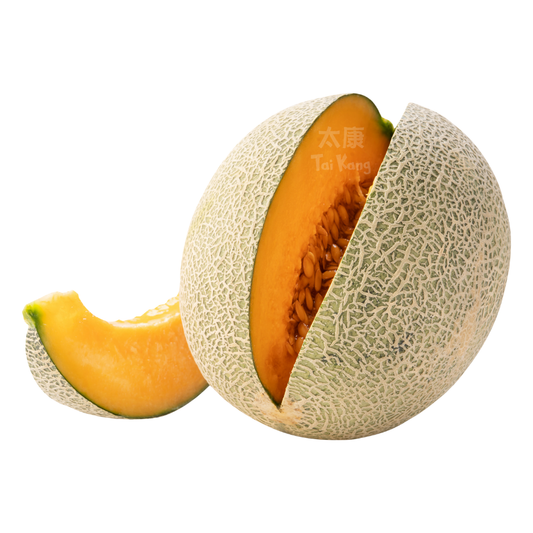
Japanese and Korean fruits represent the pinnacle of agricultural craft. Japanese Musk Melons are legendary for their intense sweetness and intricate rind patterns. In Singapore, these melons often retail between S$80 and S$160, making them a centerpiece for celebrations. Korean Strawberries and Shine Muscat grapes dominate the premium market because of their consistent brix levels. These grapes are prized for their jelly-like texture and floral aroma. In Singapore's corporate and social culture, gifting these luxury items is a sign of deep respect and health-conscious well-wishing.
This trend of health-conscious gifting also includes traditional wellness products, and many now turn to specialized services like Bird Nest Delivery for premium, ready-to-consume health supplements.
Seasonal Calendars for Singapore Fruit Lovers
Eating with the seasons ensures you get the most nutrients for your S$1 spent. Each quarter brings a new highlight to the fruit stall shelves:
- Q1 and Q2 (January to June): Look for Yamanashi Peaches and Australian Citrus. Australian Honey Murcott mandarins are especially juicy during this period.
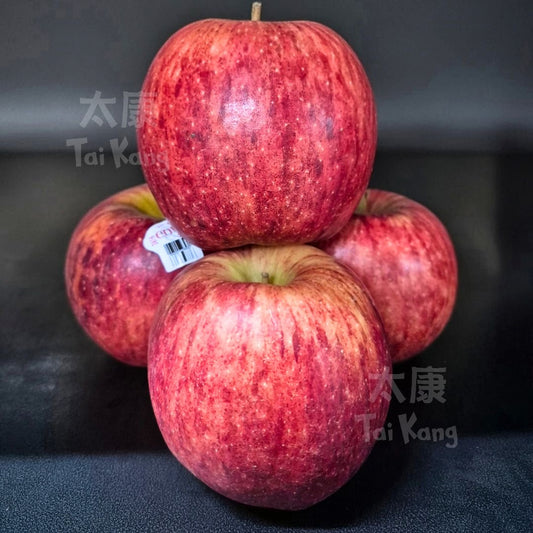
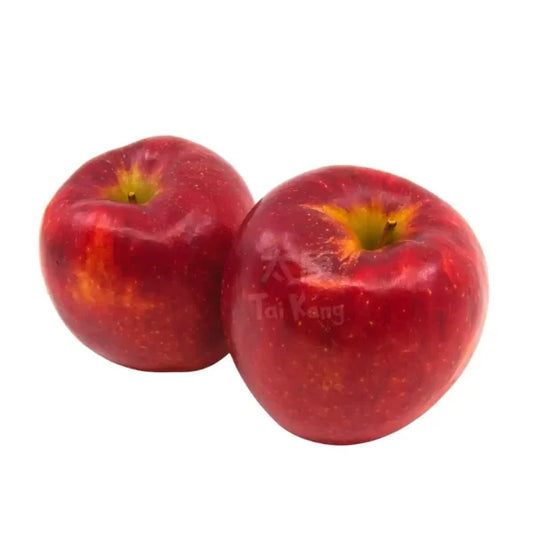
- Q3 and Q4 (July to December): This is the peak for USA Envy Apples and Korean Persimmons. The Envy apple is famous for its white flesh that stays bright longer after slicing.
- Short-lived Gems: Certain varieties like the Japanese Kyoho grape only appear for a few weeks. You can check the latest new arrivals to ensure you don't miss these limited windows.
Transparency is our priority. We believe that knowing where your food comes from builds a healthier relationship with what you eat. Every piece of fruit tells a story of its origin, soil, and the care provided by the grower. If you're looking to elevate your daily nutrition, you can browse our curated selection of seasonal imports today. We focus on purity and safety, ensuring no unnecessary additives touch your produce from the orchard to your home.
Traditional Neighborhood Stall vs. Online Fruit Delivery
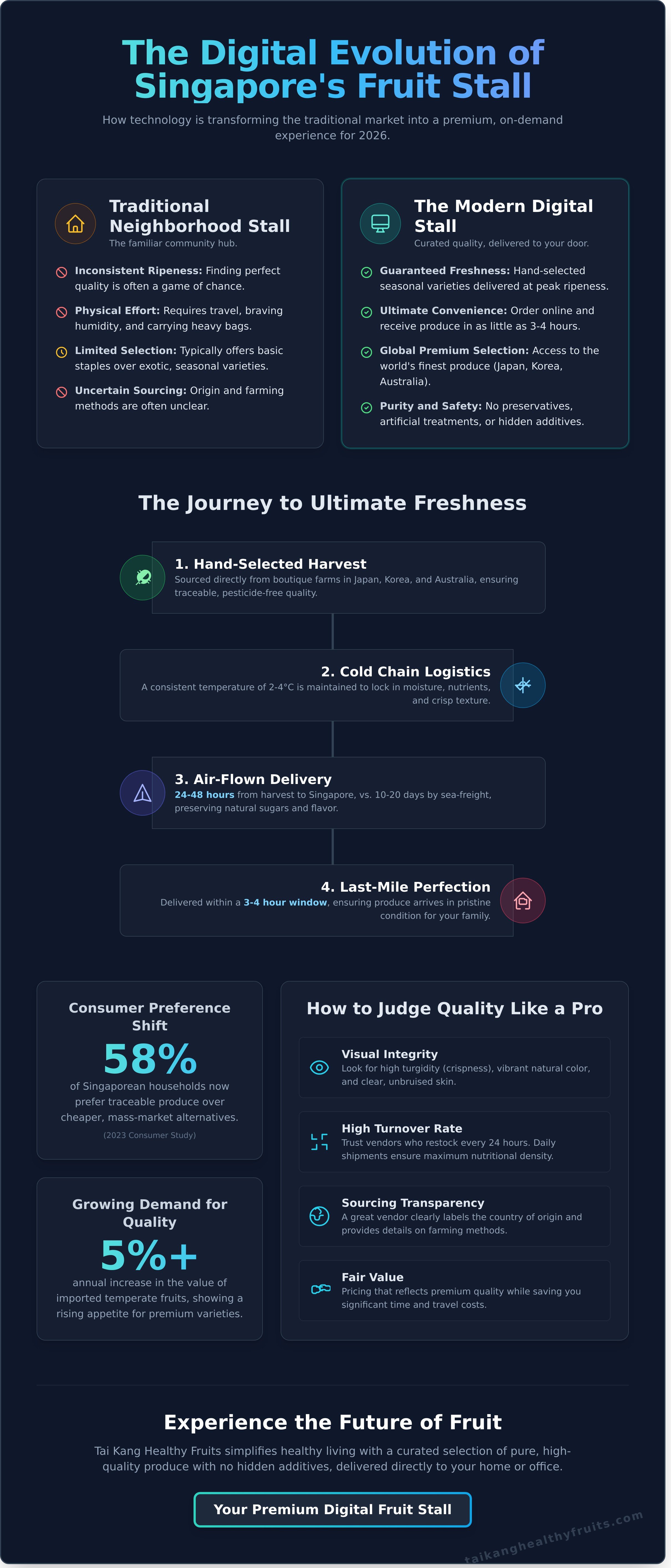
Choosing between a local fruit stall and a digital service involves weighing sensory habits against modern efficiency. At a physical location, you can touch the skin of a Fuji apple or smell the ripeness of a Mao Shan Wang durian. This tactile feedback provides a sense of control. However, the convenience of delivery often outweighs the "pick-your-own" experience. Professional curators at Tai Kang Healthy Fruits use objective standards to select produce. We measure brix levels for sweetness and check firmness with specialized tools. These methods are more accurate than a quick squeeze by a shopper. Most consumers don't realize that 85% of fruit quality is determined by internal factors invisible to the naked eye.
Price analysis reveals hidden costs in traditional shopping. A round-trip commute via public transport in Singapore averages S$3.20. If you drive, parking at a neighborhood hub can cost S$1.20 per half hour. Online orders often include free delivery for purchases over S$60 or S$100. This saves you roughly 45 to 90 minutes of travel and selection time. We use temperature-controlled logistics to address freshness concerns. Our cold chain maintains a consistent 4 to 6 degrees Celsius from the warehouse to your doorstep. This prevents the rapid oxidation and wilting often seen in open-air displays at a traditional fruit stall.
The reliability of these delivery services hinges on sophisticated vehicle technology, similar to the advanced systems managed by specialists like K-Tech Auto Solution for the broader logistics industry.
When to Visit a Physical Fruit Stall
A physical visit is ideal for immediate, single-item needs. If you need one lemon for a recipe tonight, the neighborhood "fruit uncle" is your best resource. These interactions build a sense of community that digital platforms can't fully replicate. Established locations like Tiong Bahru Market or the stalls along Beo Crescent offer a nostalgic atmosphere. You can ask for daily recommendations based on what arrived that morning. It's a practical choice for retirees or those living within 300 meters of a market. You get your produce instantly with zero wait time.
The Digital Advantage for Families and Offices
Digital platforms excel at managing high-volume needs for Singaporean households and workplaces. Since 2020, group buys in HDB estates have increased by 42% as neighbors pool orders to unlock bulk discounts. Carrying 10kg of citrus or a 7kg watermelon up to a high-floor condo unit is physically demanding. Delivery services eliminate this heavy lifting. We deliver directly to HDB flats, private apartments, and CBD offices. Our quality is consistent. We provide premium items with no bruised skin, no hidden rot, and no overripe spots. This reliability is why 68% of our corporate clients now prefer scheduled weekly deliveries over manual shopping. We offer no added sugar, no preservatives, and no artificial colors in our processed selections.
How to Judge Fruit Quality Like a Pro Vendor
Selecting the best produce at a local fruit stall requires a trained eye and a sharp nose. Professional vendors don't just look at the color. They use a sensory system to ensure every piece meets high standards. You should start with the weight. A heavy fruit indicates high water content and juice. If a citrus fruit feels light for its size, it's likely dry inside. You can also check for skin tension. The skin should feel firm and tight, not wrinkled or leathery.
Smell is your most reliable tool for stone fruits and melons. A ripe peach or nectarine emits a sweet, floral fragrance at the stem end. If there's no scent, the fruit was likely picked too early. Avoid any produce with fermented or sour odors. These scents indicate that internal breakdown has already begun. High-quality vendors in Singapore often display their best produce at the front to showcase these aromatic markers.
Professional quality is often measured by Brix levels. This scale determines the percentage of sugar solids in the fruit juice. Premium fruits usually hit a Brix score of 12% to 18%. For example, a standard apple might have a Brix level of 10, while a top-tier Japanese variety reaches 15 or higher. You won't carry a refractometer to the market, but you can look for "sugar spots" or small cracks near the stem of certain apples. These are physical signs of intense sweetness.
You must also stay alert for "fake" premium fruit. Some sellers mislabel generic grapes as expensive Japanese varieties to justify higher prices. Check for authentic packaging with 3 specific details: the prefecture of origin, the grower's brand mark, and a traceability QR code. Genuine premium fruit always carries clear, professional branding. If the label looks blurry or generic, it's likely a lower-grade substitute.
Expert Tips for Specific Fruits
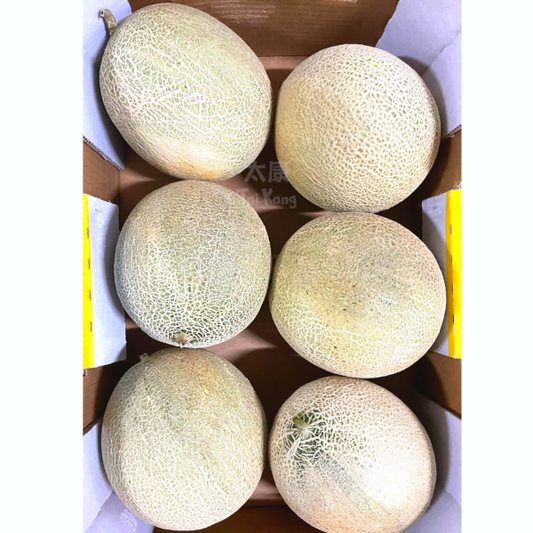
To pick a ripe Hass Avocado, use the stem trick. Gently flick the small woody stem at the top. If it comes off easily and shows bright green underneath, the avocado is creamy and ready. If it's stubborn, it needs more time. If the area underneath is brown, the fruit is overripe. For a Japanese Melon, check the netting. The lines should be thick, raised, and consistent across the entire surface. Give it a light tap; a deep, dull thud suggests the flesh is dense and full of sugar. A dull skin on a Shine Muscat grape is often a sign of high sugar content, not age.
Proper Storage to Prevent Waste
Maintaining the quality of your fruit stall purchases requires the right environment. Most berries and grapes belong in the fridge at a consistent 4 degrees Celsius. Don't wash them until you're ready to eat. Moisture encourages mold growth within 24 hours. Tropical fruits like mangoes and pineapples should stay on the counter until they're fully ripe. Once they reach peak sweetness, move them to the fridge to extend their life by another 2 to 3 days.
Be careful with ethylene gas. This natural ripening agent is produced by apples, bananas, and tomatoes. It's helpful if you want to ripen a hard pear quickly. However, it will cause leafy greens and berries to spoil prematurely. Keep your gas-producing fruits in a separate bowl. If your grapes or berries look slightly wilted, you can revive them. Submerge them in a bowl of ice water for 120 seconds. This cold shock rehydrates the cell walls and restores the crunch. For the best experience, you can order premium fresh fruit that has been handled with professional care from farm to doorstep.
Tai Kang Healthy Fruits: Your Premium Digital Fruit Stall
Tai Kang Healthy Fruits is more than just a business; it's a commitment to your well-being. We launched in June 2020 during the peak of the pandemic. At that time, access to fresh produce was limited and safety was a major concern for every household in Singapore. We saw a gap in how families accessed premium nutrition. This led us to reinvent the traditional fruit stall for the digital age. We don't just sell fruit; we provide peace of mind. Every item in our inventory is free from added sugars and artificial colors. Our team prioritizes transparency, ensuring you know exactly where your food originates. We take pride in the natural origin of our products, from the soil to your table.
Our curated selection caters to the most discerning palates. We offer Thai Honey Mangoes that arrive at peak ripeness, ensuring a brix level that satisfies any sweet tooth naturally. We source Australian Honey Murcotts known for their high juice content and easy-peeling skins. Since our inception, we've delivered over 15,000 orders across the island. This scale allows us to maintain strict quality controls that a typical neighborhood fruit stall might struggle to match. We bring the world's finest orchards directly to your doorstep, whether you're in a HDB flat in Tampines or a corporate office in the CBD. We've simplified the supply chain to ensure your fruit spends less time in transit and more time retaining its nutritional value.
Corporate wellness is a core pillar of our mission. In 2024, 65% of our corporate partners chose our fruit hampers over traditional processed snack baskets. It's a professional statement that says you value the health of your team. We offer island-wide delivery to any Singapore address, ensuring that distance is never a barrier to good health. Our logistics team uses temperature-controlled environments to maintain the cold chain. This means your Australian cherries or Japanese grapes arrive crisp and cool, even in our 32-degree tropical heat. We believe that premium quality should be the standard for every Singaporean home and office.
Curated Gift Boxes and Hampers
A Tai Kang gift box is a masterpiece of nutrition. We design these for major milestones like 50th birthdays and corporate anniversaries. You can customize every hamper to meet specific dietary needs, including low-glycemic options for those managing blood sugar levels. By 2026, we expect health-focused gifting to be the standard for "Get Well Soon" gestures in Singapore. It's a practical, thoughtful way to show you care without the clutter of traditional gifts.
Seamless Ordering and Reliable Delivery
Finding the best deals is simple at our online shop. We hand-select every piece of fruit on the actual day of your delivery. This ensures maximum freshness and zero waste for your kitchen. Prices start as low as S$35 for basic bundles, making premium health accessible to everyone. Join our community for seasonal alerts and health tips. We help you stay informed about the best harvests throughout the calendar year.
Elevate Your Daily Nutrition with Singapore’s Best Harvests
Finding a reliable source for your family’s health in 2026 requires a balance of traditional knowledge and modern convenience. You've learned how to identify peak ripeness and why air-flown sourcing is essential for maintaining nutrient density. By choosing premium Japanese and Korean imports, you’re investing in produce that undergoes strict safety checks and quality grading. Our team at Tai Kang Healthy Fruits simplifies this process by hand-selecting every item daily. We’ve built a reputation for excellence, serving more than 50 corporate partners and thousands of households across the island. You don’t have to guess about quality when the sourcing is transparent and the standards are high. Whether it’s a crisp seasonal apple or a perfectly ripe melon, the difference in taste is immediate. It’s time to upgrade your pantry with fruits that are as healthy as they are delicious.
Browse our New Arrivals and experience the freshest digital fruit stall in Singapore today!
Your journey toward a more vibrant, healthy lifestyle starts with a single bite of quality produce.
Frequently Asked Questions
Where can I find a reliable fruit stall near me in Singapore?
You can find our reliable fruit stall at Block 262 Serangoon Central Drive, a central location serving the community for over 15 years. We provide a physical space where you can inspect the quality of our premium produce firsthand. This transparency helps us build trust with our local customers. Our staff provides expert advice on ripeness to ensure you get the best value for your daily nutritional needs.
Is it cheaper to buy fruit from a wet market stall or online?
Buying from a local fruit stall is usually 10% to 20% cheaper than online shopping because there aren't any delivery fees or specialized packaging costs. A standard bag of Fuji apples might cost S$5.50 at the market compared to S$7.00 online. However, online delivery saves you 45 minutes of travel and queueing time. Most customers find the S$8.00 delivery fee a fair trade for the convenience of home service.
What are the best seasonal fruits available in Singapore right now?
Peak season in Singapore currently features Musang King durians and honey pineapples, which are most abundant from June to August. You'll expect to pay around S$18 per kilogram for high-grade durians during this window. Australian cherries also arrive in December, offering a 20% increase in sweetness compared to off-season varieties. We source these directly from orchards to ensure they meet our strict quality and safety standards for every single customer.
How do I know if a Japanese Musk Melon is ripe?
You'll know a Japanese Musk Melon is ready to eat when the base yields slightly to gentle thumb pressure. A ripe melon also features a deep, musky fragrance that's noticeable from 30 centimeters away. The stem should look dry rather than vibrant green. We test our melons to ensure they reach a Brix sweetness level of at least 14%. This guarantees a premium tasting experience with every slice you serve.
Does Tai Kang Healthy Fruits offer same-day delivery across Singapore?
We offer same-day delivery across Singapore for all orders confirmed before 10:00 AM daily. Our team processes these requests immediately to ensure your produce arrives between 2:00 PM and 8:00 PM. This service applies to all residential addresses, though a small surcharge may apply to Sentosa deliveries. We maintain a 98% on-time delivery rate to ensure your family enjoys the freshest possible fruit without any unnecessary delays or long wait times.
Can I customize a fruit hamper for a corporate event?
You can certainly customize fruit hampers for corporate events to meet your specific branding or nutritional requirements. We require a minimum order of 15 hampers to provide full customization of fruit types and decorative ribbons. Prices for these bespoke sets typically range from S$60 to S$150 per unit. Our corporate clients often choose this option for annual general meetings or wellness weeks. We've successfully delivered over 500 custom hampers to local offices this year.
What is the difference between air-flown and sea-freighted fruit?
Air-flown fruits arrive in Singapore within 48 hours of being picked, while sea-freighted items can spend 14 to 30 days in transit. This speed means air-flown produce like berries or grapes contains higher nutrient levels and better texture. Sea-freight is more economical but often requires earlier harvesting before the fruit fully ripens on the branch. We prioritize air-flown options for 90% of our premium inventory to guarantee the highest quality for your health.
How does Tai Kang ensure the fruit doesn't get bruised during delivery?
We protect your produce by using custom-fit foam sleeves and 3-ply reinforced cardboard boxes for every delivery. Our drivers use refrigerated vans kept at a constant 5 degrees Celsius to prevent wilting or heat damage. These specific measures reduce the risk of bruising by 92% compared to standard plastic bag transport. We also limit each delivery box to 5 kilograms to prevent the weight of the fruit from crushing items at the bottom.