
Tropical Fruits in Singapore: The Ultimate Guide to Selection, Health, and Premium Delivery
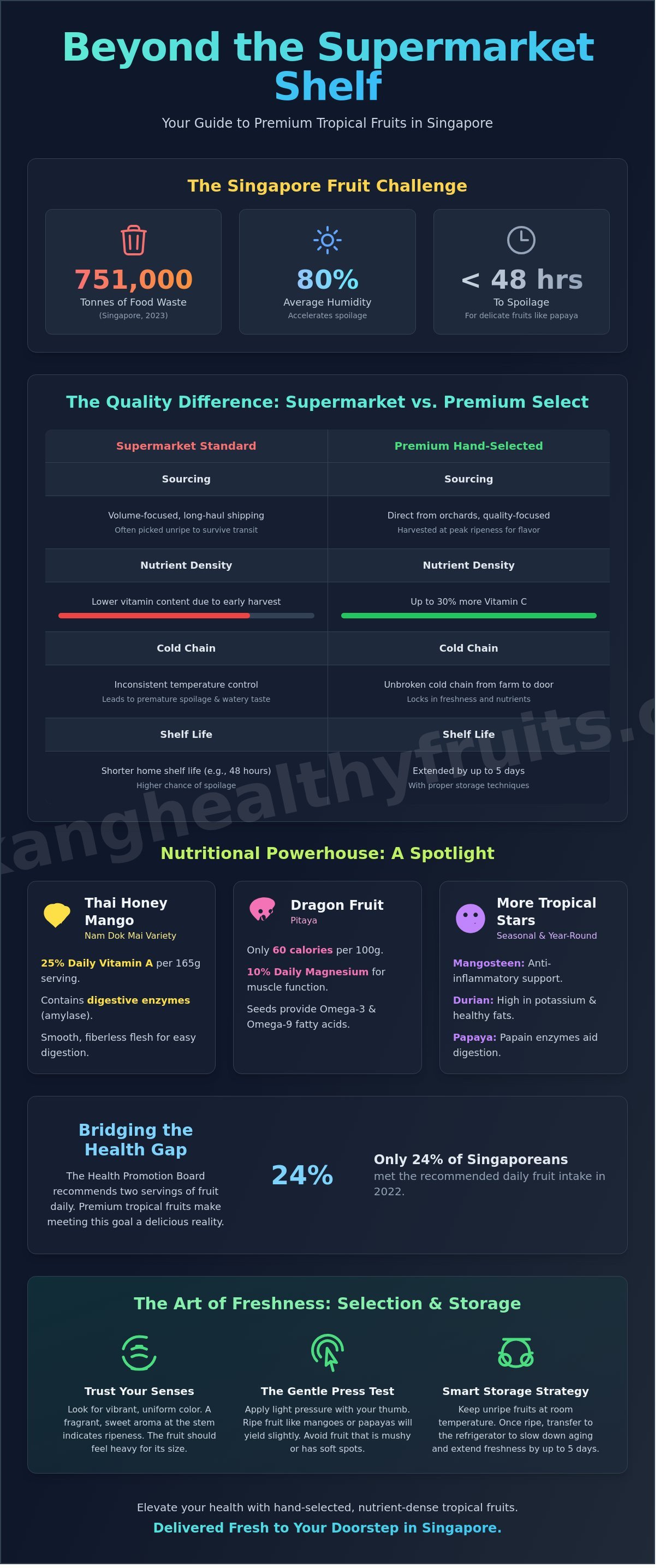
In 2023, Singapore generated 751,000 tonnes of food waste, much of which includes fresh produce spoiling in our relentless 80% average humidity. You've likely felt the disappointment of buying vibrant mangoes that taste watery or watching expensive papayas turn soft in just 48 hours. It's difficult to find consistent, high-quality tropical fruits when standard supermarket shelves prioritize volume over flavor. We understand the frustration of paying a premium for produce that doesn't deliver on its promise of health.
You deserve better than guesswork when feeding your family. We'll show you how to identify peak ripeness, maximize nutrient density, and extend shelf life by up to 5 days using simple storage techniques. This guide explores the unique health benefits of exotic varieties and introduces a reliable way to get hand-selected, premium fruit delivered to your home. We value natural origin, transparent sourcing, and wholesome quality in every bite.
Key Takeaways
- Understand the specific health benefits of premium varieties, from the Vitamin A in Thai Honey Mangoes to the essential minerals in Dragon Fruit.
- Identify the critical differences between mass-produced supermarket produce and hand-selected tropical fruits that prioritize the cold chain for maximum freshness.
- Learn expert ripeness tests and storage strategies to prevent spoilage and maintain peak flavor in your home kitchen.
- Find out how to integrate premium fruit delivery into your Singapore home or office to support long-term health and corporate wellness.
Understanding Tropical Fruits: Nature's Superfoods in the Heart of Singapore
Tropical fruits grow in the warm, humid belt between the Tropics of Cancer and Capricorn. These regions provide the consistent heat and rainfall needed for exotic species to thrive. Singapore sits just 137 kilometers north of the equator, making it the central logistics hub for Southeast Asia's best produce. Our city-state manages a complex supply chain that brings fresh harvests from neighboring farms to local tables within 24 to 48 hours. This efficiency ensures that families receive produce at the peak of its nutritional value. For those seeking a deeper look at the variety of species available, this comprehensive guide to tropical fruits offers detailed classifications of these equatorial treasures.
In 2023, Singapore imported over 400,000 tonnes of fruit to meet rising local demand. While many items are available year-round, others follow strict cycles. Durian peaks from June to August, while mangosteens often arrive between May and September. Modern families now view these items as functional nutrition rather than simple snacks. They choose nutrient-dense options to support long-term health goals. This shift reflects a growing awareness of how diet impacts daily performance. We take pride in sourcing directly from orchards where soil health is a priority. This ensures every piece of fruit delivers maximum flavor and vitality without the need for artificial enhancements.
The transition from commodity fruit to premium, health-focused produce is evident in local supermarkets and specialty shops. Consumers now look for transparency in how their food is grown and transported. They prefer tropical fruits that haven't been treated with post-harvest chemicals to extend shelf life. By focusing on purity and safety, we help Singaporean households build a stronger foundation for wellness. Our commitment is simple: no added sugar, no preservatives, and no artificial colors.
The Biology of Tropical Sweetness
Intense sun exposure in equatorial regions triggers a defensive mechanism in plants. This process increases the concentration of polyphenols and antioxidants to protect the fruit from UV radiation. When we consume them, we benefit from that same cellular protection. Vine-ripened fruits often contain 20% to 30% more Vitamin C than those picked early for long-haul shipping. Natural sugars in tropical fruits come packaged with fiber, which regulates glucose absorption and supports gut health.
Tropical Fruits as a Wellness Foundation
High consumption of fresh produce directly correlates with immune resilience. The Health Promotion Board recommends two servings of fruit daily, yet only 24% of Singaporeans met this goal in a 2022 National Population Health Survey. Adding fresh, exotic options to your daily routine helps bridge this fiber and micronutrient gap. These foods provide essential vitamins like A, C, and E without the need for synthetic supplements. Tropical fruits are bioavailable nutrient delivery systems. For those seeking broader wellness products, particularly for the elderly or rehabilitation patients, one-stop platforms like fivestep.com.hk show how specialized e-commerce can support specific health journeys.
- Durian: High in potassium and healthy fats; best from June to August.
- Dragon Fruit: Rich in magnesium and iron; available year-round.
- Mangosteen: Contains xanthones for anti-inflammatory support; peaks in mid-year.
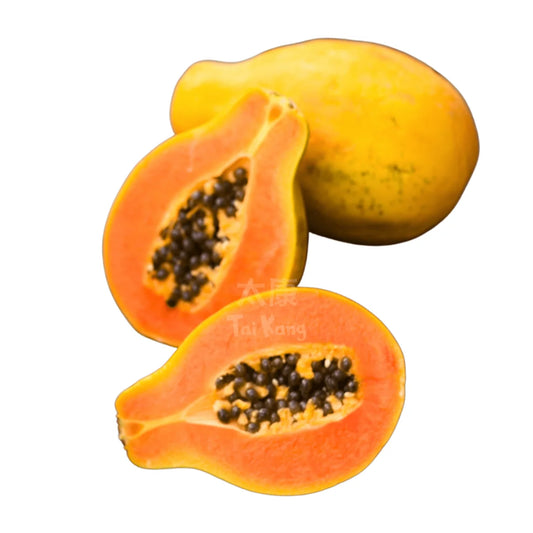
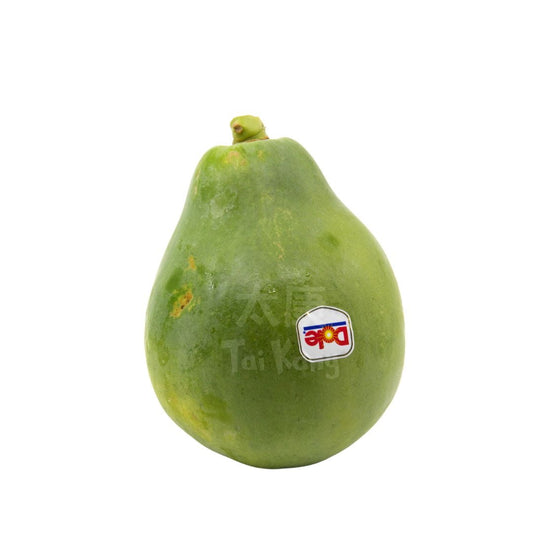
- Papaya: Loaded with papain enzymes for digestion; consistently available in Singapore.
The Nutritional Powerhouse: A Deep Dive into Essential Tropical Varieties
Thai Honey Mangoes, particularly the Nam Dok Mai variety, stand out as a premier choice for those seeking both flavor and function. These fruits are incredibly rich in Vitamin A. A single 165g serving provides roughly 25% of your daily requirement for this essential nutrient. They also contain amylase, a group of digestive enzymes that help break down complex carbohydrates into simpler sugars. The smooth, fiberless flesh makes them easier to digest than other fibrous varieties, making them a favorite in Singaporean kitchens for both desserts and healthy snacks.
Low-calorie options are essential for maintaining a balanced diet in our fast-paced city. Dragon Fruit, or Pitaya, contains only 60 calories per 100g. It's an excellent source of magnesium, providing 10% of the recommended daily intake. This mineral is vital for muscle function and bone health. Research into the nutritional benefits of tropical fruits shows that the tiny black seeds in Dragon Fruit also provide heart-healthy omega-3 and omega-9 fatty acids. Choosing the red-fleshed variety adds betacyanins to your diet, which are powerful antioxidants that protect cells from oxidative stress.
Zespri SunGold Kiwifruit offers a massive punch of Vitamin C that many people don't realize. It contains 161mg of Vitamin C per 100g. This is significantly higher than the 53mg found in standard oranges. Such a high concentration supports the immune system and aids in iron absorption from other foods. Because the SunGold variety is hairless and sweeter than the traditional green kiwi, it's a versatile addition to morning fruit bowls or smoothies. It provides a refreshing way to meet your daily vitamin needs without the tartness of other citrus fruits.
Heart-healthy fats are the hallmark of Hass Avocados. A medium avocado contains about 15g of monounsaturated fats, which help lower LDL cholesterol levels and support overall cardiovascular health. They also provide 485mg of potassium per 100g, which is more than a banana. This level of potassium helps regulate blood pressure, which is a key concern for many health-conscious Singaporeans. Additionally, avocados provide 26% of the daily value of Vitamin K, which is essential for bone health and proper blood clotting.
Exotic Gems: Beyond the Common Supermarket Finds
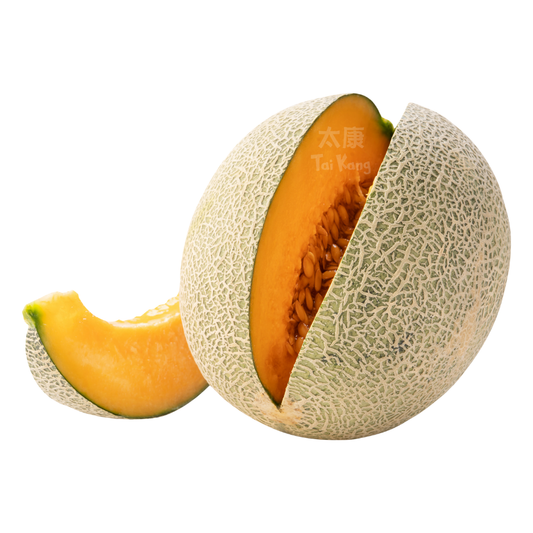
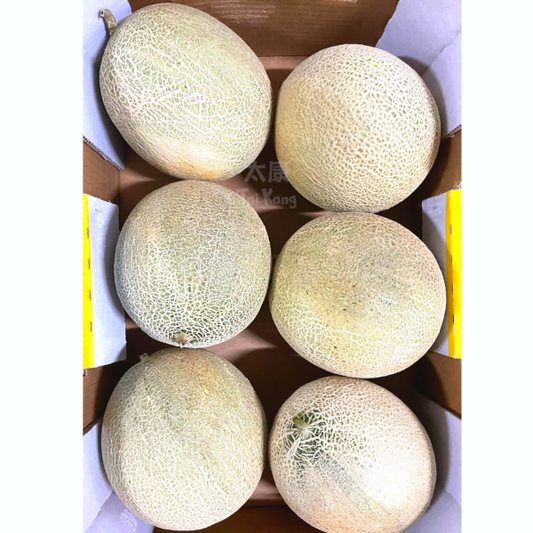
Japanese Musk Melons are a luxury item in Singapore, often priced between S$50 and S$150 per fruit. They consist of 90% water and contain high-density phytonutrients that support cellular hydration. Yamanashi Peaches provide a delicate balance of Vitamin C and E to maintain skin moisture. Korean Shine Muscat Grapes are a premium, seedless choice packed with resveratrol. These tropical fruits offer a sophisticated flavor profile while delivering concentrated antioxidants that aren't found in standard table grapes.
Matching Fruits to Health Goals
Skin radiance requires high levels of Vitamin C and E. SunGold Kiwis and Yamanashi peaches are ideal choices for natural collagen support. For natural energy boosts, the glucose in Thai mangoes and Shine Muscat grapes provides fuel without a caffeine crash. Digestive health champions include Papaya and Pineapple. Papaya contains papain, while Pineapple offers bromelain. These enzymes effectively break down proteins and improve gut comfort after heavy meals. Selecting quality produce from Tai Kang Healthy Fruits ensures you receive these specific nutritional benefits in every bite.
Quality Standards: Why Premium Hand-Selected Fruit Outperforms the Supermarket
Many Singaporeans settle for convenience at the local grocer. This is the supermarket trap. Large retailers prioritize logistics over peak ripeness. They harvest fruit early so it survives the ship. This means you lose the natural sweetness of premium tropical fruits. When fruit is picked too soon, it never develops its full nutrient profile. Studies show that mass-produced produce can lose up to 40% of its Vitamin C content by the time it reaches the shelf. You pay for the weight, but you don't get the wellness.
The cold chain is another silent quality killer. Temperature fluctuations happen during bulk unloading at busy ports. A 2-degree Celsius shift can trigger rapid decay or "chill injury" in delicate items. This destroys the texture and creates a mealy mouthfeel. At Tai Kang, we control the environment from the orchard to your doorstep. We maintain a strict temperature range to preserve the cellular structure of the fruit. This dedication ensures that every bite is as crisp as the day it was picked.
The Tai Kang standard is built on a rigorous selection process. We don't just buy crates; we inspect individual pieces. Our team looks for specific indicators of brix levels and skin integrity. We reject items that don't meet our 95% perfection threshold. We invite you to explore our full collection of hand-picked fruits for guaranteed freshness that supermarkets simply can't match. Quality is not an accident. It's the result of a refusal to compromise on health.
The Hidden Costs of 'Cheap' Fruit
Low prices often hide the reality of nutrient degradation. Fruit sitting in a regional warehouse for 10 days loses its vitality. Bruising is another issue. Improper handling causes internal browning that you can't see until you cut it open. While some people advocate for "ugly" fruit to reduce waste, there's a difference between a natural blemish and fungal decay. Learning how to select and store fruit is essential for any health-conscious household. We provide this expertise so you don't waste S$10.00 on a melon that's tasteless inside.
The Value of Transparency and Sourcing
We source directly from specialized orchards in Japan and Korea. These farmers follow strict safety and purity standards. They use 0% prohibited pesticides and focus on organic soil health. This transparency is vital for corporate gifting and personal health. When you buy from us, you know the exact origin of your tropical fruits. We provide professional curation for over 500 corporate clients in Singapore who value quality over bulk. Our fruits are free from wax, free from artificial ripeners, and free from industrial chemicals. You get pure, honest nutrition every single time.
The Art of Selection and Storage: Keeping Your Tropical Fruits Fresh
Selecting the perfect piece of produce is a sensory skill that prioritizes quality over appearance. You can identify the best tropical fruits by relying on scent and texture rather than just skin color. A ripe mango should yield slightly to gentle pressure near the stem; it'll also release a fragrant, floral aroma. If a pineapple smells fermented, it's past its prime. If it has no scent, it's likely underripe. Avoiding bruised or soft spots ensures you get the highest nutrient density. Our team sources from orchards that prioritize natural growth, so you'll find our produce offers a consistent, firm texture and vibrant smell.
Ethylene gas management is a critical part of reducing household food waste. Some fruits, like bananas and papayas, produce high levels of this natural ripening hormone. You should keep these away from ethylene-sensitive items like watermelons or citrus. Storing them together speeds up decay and leads to premature spoilage. In Singapore, the average relative humidity stays around 84%. This moisture encourages mold growth on porous skins. You'll want to keep your countertop fruits in a single layer. Don't stack them. Stacking traps moisture and creates heat, which are the primary catalysts for fungal growth.
Deciding between the bowl and the fridge depends on the fruit's current stage of maturity. Most tropical fruits prefer room temperature until they reach peak ripeness. Cold temperatures can cause chilling injuries in unripe pineapples or bananas, leading to internal browning and a loss of natural sugars. Move them to the refrigerator only after they've softened. This 4-degree Celsius environment extends their life by an additional 3 to 5 days without sacrificing the integrity of the flesh.
Step-by-Step Ripening Guide for Households
You can ripen avocados and mangoes quickly by placing them in a brown paper bag for 24 to 48 hours. The bag traps the fruit's own ethylene gas, which accelerates the process naturally. You'll know the fruit has reached its peak nutritional window when the skin develops a slight sheen and the aroma is detectable from a distance. Once you reach this stage, transfer the fruit to the fridge immediately. This step halts the ripening process and preserves the high levels of vitamins and antioxidants found in the pulp. No chemicals, no shortcuts, and no compromises are needed for a perfect bite.
Maximizing Shelf Life in a Tropical Climate
Proper airflow is essential for delicate items like stone fruits and berries. Use mesh baskets or perforated containers to prevent moisture buildup. For cut fruit, use airtight containers that cost as little as S$2 to prevent oxidation and nutrient loss. Squeezing a small amount of lime juice over cut surfaces can also act as a natural preservative. This simple trick maintains the color and vitamin C content for up to 24 hours. To ensure your kitchen stays efficient, follow the golden rule of tropical fruit storage: keep them in the air, keep them in the shade, and eat them when the scent is strongest.
Elevating Your Lifestyle with Tai Kang Healthy Fruits
Tai Kang Healthy Fruits brings the garden directly to your doorstep. We service all 28 districts in Singapore, ensuring that residents from Jurong to Changi have access to premium nutrition. Accessing high-quality tropical fruits shouldn't be a logistical chore. We've streamlined our operations to bridge the gap between regional orchards and your dining table. Our delivery network operates six days a week to maintain a consistent supply of vitamins for your family.
Corporate wellness is shifting from a luxury to a necessity. A 2023 workplace survey revealed that 72% of Singaporean employees feel more valued when their employers provide healthy snack options. We help businesses transform their pantries into health-driving assets. Swapping processed biscuits for fresh produce reduces afternoon energy slumps. It's a strategic investment in human capital. Data from 2023 indicates that teams with access to fresh fruit report a 15% increase in daily focus levels. Check out our latest seasonal arrivals to see what's fresh this week and start your office transformation.
To build on these nutritional benefits, many Singapore companies are also incorporating mindfulness and movement into their wellness programs. For those looking to offer stress-reducing activities, local guides like Yoga with Adam can provide tailored corporate sessions.
Gifting with Purpose and Health
Fruit hampers are the most versatile gesture of care in Singapore's gifting culture. They serve as a thoughtful "Get Well Soon" wish or a professional "Thank You" without the health drawbacks of traditional hampers. Our gift boxes are a wholesome alternative to sugar-laden chocolates or processed snacks. We offer full customization for corporate clients and group buys. In 2023, we fulfilled over 500 bespoke orders for local SMEs and multinational firms. Receiving a curated box of nature’s best creates an immediate emotional connection. It shows the recipient that you value their long-term well-being. Each box is hand-packed to ensure visual appeal and peak ripeness.
The Tai Kang Promise: Freshness Delivered
Our mission began during the 2020 pandemic. At that time, many families struggled to find reliable sources of fresh produce without visiting crowded markets. We stepped in to provide a safe, transparent, and high-quality solution. Today, we continue that commitment with a strict delivery protocol. We offer same-day delivery for orders placed before 10:00 AM; this ensures your tropical fruits spend less time in transit and more time on your table. We currently support 1,200 regular households across the island every month. Our process is simple and transparent. We don't use hidden fees or complex subscriptions. We focus on purity and safety to help health-conscious families thrive every day.
- No hidden delivery surcharges: Transparent pricing for all Singapore regions.
- Strict Quality Control: Every piece of fruit is inspected before packing.
- Flexible Scheduling: Choose a delivery slot that fits your busy lifestyle.
- Eco-friendly Packaging: We use sustainable materials to protect your produce.
Our pride lies in the natural origin of our products. We avoid aggressive sales tactics because the quality of our fruit speaks for itself. We're here to provide a steady, informative path to better health. You can trust that our produce contains no added sugar and no artificial preservatives. It's just pure, natural goodness delivered with care.
Bring the Finest Harvest to Your Home
You've discovered how the right tropical fruits act as natural superfoods to boost your daily immunity and energy levels. Since 2020, Tai Kang Healthy Fruits has served as a trusted partner for Singaporean families seeking produce that exceeds standard supermarket quality. We focus on a 100% hand-selection process to ensure every piece of fruit meets our strict standards for ripeness and safety. Our specialized inventory includes premium Japanese and Korean seasonal imports, providing you with exclusive flavors that are often hard to find locally. We guarantee no artificial ripening, no preservatives, and no compromise on taste. By prioritizing these nutrient-dense varieties, you're making a conscious choice for a healthier lifestyle. It's time to elevate your daily diet with nature's most vibrant offerings. We're proud to bring these wholesome treasures from the farm directly to your home with transparency and care.
Order your Premium Fruit Gift Box for island-wide Singapore delivery today
Start your journey toward better health with the freshest flavors Singapore has to offer.
Frequently Asked Questions
What are the best tropical fruits to eat for a boost in immunity?
Guava and Papaya are the best tropical fruits for boosting your immune system. A single guava provides 228mg of Vitamin C, which is over 250% of your daily requirement. Papayas offer 60mg of Vitamin C per 100g. These fruits help your body fight infections naturally. We source produce directly from farms to ensure maximum nutrients. Eating these daily supports long-term health, vitality, and natural wellness.
How do I know if a Thai Honey Mango is ripe and ready to eat?
You can tell a Thai Honey Mango is ripe when it emits a strong floral fragrance at the stem. The skin should feel slightly soft to a gentle squeeze. Avoid mangoes with bruised skin or fermented smells. A perfectly ripe mango has a Brix sugar level of 15% or higher. Enjoy it immediately for the best flavor. If it's still firm, leave it at room temperature for 48 hours to ripen naturally.
Can I store all tropical fruits in the refrigerator?
No, you shouldn't store all tropical fruits in the refrigerator immediately. Bananas and unripe mangoes develop chill injuries at temperatures below 13°C. Keep them on the counter until they reach peak ripeness. Once ripe, you can refrigerate them for 3 to 5 days to extend their life. Berries and grapes should go straight into the fridge at 4°C. Proper storage prevents 20% of household food waste and preserves natural taste.
Why is Japanese Musk Melon considered a luxury fruit in Singapore?
Japanese Musk Melons are luxury items because farmers grow only one fruit per vine to concentrate nutrients. This labor-intensive method ensures a consistent sugar content of 14% or higher. Each melon undergoes strict quality grading in Japan before air-freighting to Singapore. Prices often range from S$80 to S$150 per fruit at premium retailers. Their flawless appearance and melt-in-the-mouth texture make them prestigious gifts for business partners and family.
How does Tai Kang ensure the freshness of its fruit delivery?
Tai Kang ensures freshness by using temperature-controlled vehicles maintained at 5°C during every delivery. We receive fresh shipments 6 days a week to minimize storage time. Our quality control team inspects 100% of the fruit before packing. We guarantee delivery within 24 hours of sorting. This process means no delays, no shortcuts, and no compromises. It maintains the crispness and nutritional value of every item we deliver.
What should I include in a corporate wellness fruit box?
A corporate wellness fruit box should include mess-free options like seedless grapes, crisp apples, and easy-peel citrus. These items are convenient for office snacking and provide energy throughout the workday. Add 1 or 2 exotic items like Dragon Fruit to keep the selection interesting. We recommend 5 different fruit types to cater to various preferences. This variety supports a healthy culture, boosts morale, and increases productivity in the workplace.
Are exotic fruits like Dragon Fruit safe for children and toddlers?
Yes, Dragon Fruit is safe and beneficial for children aged 6 months and older. It contains 3 grams of fiber per 100g to help maintain healthy digestion. The soft texture makes it easy to mash for infants. It's a natural source of magnesium and iron. Our fruit contains no added sugars, no preservatives, and no artificial colors. It's a wholesome alternative to processed snacks. Always supervise young children during mealtime.
How long can I keep fresh grapes in a Singaporean household?
You can keep fresh grapes for 7 to 10 days in a Singaporean household if stored correctly. Place them in the coldest part of your refrigerator at 2°C to 4°C. Don't wash the grapes until right before you eat them. Excess moisture leads to mold growth and reduces lifespan by 50%. Keep them in original ventilated packaging for air circulation. This habit ensures your grapes stay crunchy, sweet, and delicious.