
What Makes Japanese Fruits So Expensive? The Secrets of Luxury Produce
What if a single piece of fruit was treated with the same reverence as a piece of fine jewelry? In 2024, a pair of Yubari King melons sold for $30,000; a price that often leads people to ask what makes japanese fruits so expensive. You might feel skeptical when you see premium produce priced so much higher than the standard supermarket variety. It's natural to worry about whether the quality justifies the investment or if the freshness will hold up during delivery.
We want to help you understand the true value of these masterpieces by revealing the secrets behind their cultivation. You won't find these results through luck or simple farming. Instead, you'll discover how farmers focus on purity and safety to create products with no shortcuts and no compromises. This article explores the meticulous grading standards, the intensive hand-pollination methods, and the cultural heritage that transforms items like Yamanashi Peaches and Japanese Musk Melons into the world's most coveted luxury gifts. Only the finest harvests make the cut, ensuring no additives and no imperfections in every bite.
Key Takeaways
- Learn how the ancient Japanese tradition of gift-giving transforms seasonal fruit into a meaningful symbol of respect and social etiquette.
- Discover why the "one vine, one fruit" philosophy is central to what makes japanese fruits so expensive and how it ensures unparalleled flavor.
- Understand the scientific grading process, including Brix sugar levels and aesthetic symmetry, that determines which produce earns luxury status.
- Identify the logistical standards required to maintain the peak ripeness and purity of premium items like Kyoho Grapes and Musk Melons during transit.
The Cultural Heritage: Fruit as a Sacred Gift
In Japan, fruit is much more than a simple snack. It's a deeply respected luxury. Historically, the finest produce served as a "blessed offering" in religious rituals. This tradition laid the foundation for the modern market. Today, these items are considered "water sweets" and represent the pinnacle of agricultural achievement. This cultural reverence is a major factor in what makes japanese fruits so expensive. It's not just about the flavor; it's about the history of the harvest.
Social etiquette plays a vital role in this demand. Concepts like Omiyage (souvenirs) and Temiyage (house-visiting gifts) are woven into daily life. When someone visits a friend or a business partner, they don't arrive empty-handed. They bring a gift that reflects their respect. Because of the scarcity of farmland in Japan, farmers cannot compete on volume. They focus on perfection instead. In professional settings, giving a high-end gift like Japanese Kyoho Grapes or Yamanashi Peaches signals that you value the relationship. It's a non-verbal way to communicate status and sincerity. This shift from religious offerings to retail masterpieces ensures that every piece of fruit tells a story of prestige.
To better understand this concept, watch this helpful video:
The Art of Presentation and Gifting
The experience begins long before the first bite. Packaging is designed to mirror the exceptional quality of the fruit inside. You'll often see individual fruits nestled in silk or custom-molded containers. These details are essential for gifts given during recovery or for wellness wishes. For many, premium fruit gift boxes are the gold standard for showing corporate gratitude. They provide a transparent way to share health and purity with valued partners without using aggressive sales tactics. The presentation ensures the recipient understands the intrinsic value of the gift immediately.
From Auctions to Doorsteps: The Luxury Market
Prestige is often built at the start of the season through famous fruit auctions. These events set the tone for the entire luxury segment. A single melon can sometimes command prices similar to a luxury vehicle. While these extreme cases are rare, they highlight the psychological value of a "perfect" specimen. Buyers aren't just paying for food. They're investing in a piece of art that has been hand-selected by experts to ensure it meets the highest standards of beauty and taste. Receiving a perfect fruit is a sign of high social standing. It shows the sender went to great lengths to find the very best. This commitment to quality is why these fruits remain the world's most coveted luxury items.
Precision Farming: The Meticulous Cultivation Process
Precision is the core of Japanese agriculture. When people ask what makes japanese fruits so expensive, the answer starts with the farmer's daily schedule. These growers don't just plant seeds and wait for rain. They manage every variable with scientific accuracy. They treat each plant like a single, precious investment rather than part of a mass crop.
The "One Vine, One Fruit" philosophy is a perfect example of this dedication. In standard farming, a single vine might produce dozens of melons to maximize profit. Japanese luxury farmers do the opposite. They prune the vine until only one single fruit remains. This ensures that 100% of the plant's nutrients, water, and sugar go into one masterpiece. It's a massive financial sacrifice for the grower, but it's the only way to achieve the legendary sweetness consumers expect. This method creates a product with no shortcuts and no compromises.
Technology and tradition work together in climate-controlled greenhouses. These structures mimic the perfect season every day of the year. Farmers often perform hand-pollination using small brushes to ensure genetic perfection. They don't rely on unpredictable insects. This manual labor continues with daily inspections where every fruit is checked for shape, color, and health. It's a year-round commitment to purity and safety.
The Secret Behind the Japanese Musk Melon
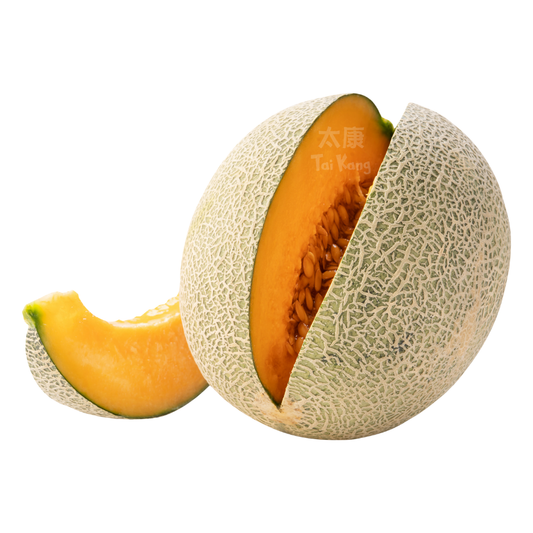
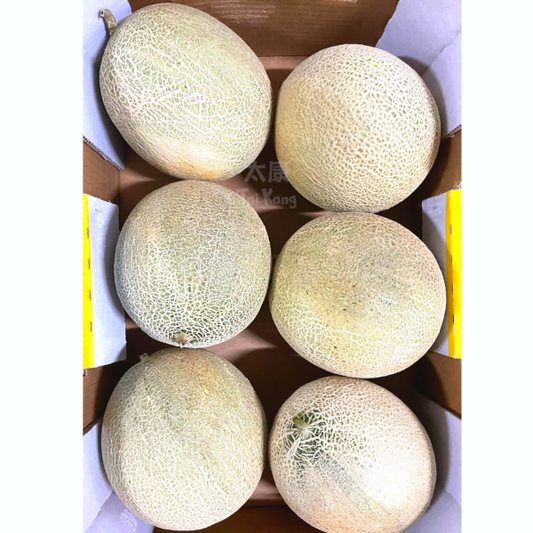
Cultivating Japanese Musk Melons requires constant attention. Farmers actually give the melons "massages" by hand. This technique stimulates sugar distribution and helps create the iconic, symmetrical netting on the skin. They even place black paper "hats" on the fruit. These hats prevent sunburn and ensure the skin pattern remains flawless. It's a level of care you won't find in industrial farming.
Cultivating the Perfect Grape and Strawberry
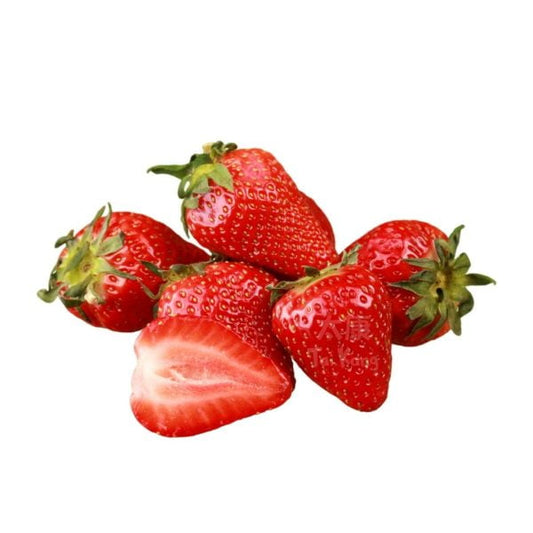
Perfection also defines the growth of berries and Shine Muscat Grapes. During the thinning process, farmers often remove up to 90% of the buds. This leaves only the strongest clusters to ripen. They use specialized fertilizers and strictly managed soil to build flavor depth. The result is fruit that tastes as good as it looks. If you want to experience this craftsmanship, you can browse our new arrivals for the latest seasonal selections.

Rigorous Grading: Defining the 'Perfect' Fruit
High prices aren't set by chance. A major part of what makes japanese fruits so expensive is the uncompromising grading system that follows the harvest. While precision farming creates the potential for quality, the inspection phase ensures that only the absolute best reaches the consumer.
Scientists and inspectors use Brix levels to measure the sugar content of every piece of produce. This isn't a guess; it's a non-negotiable metric. If a fruit doesn't hit the required sweetness threshold, it's immediately disqualified from the luxury category. Aesthetic symmetry is just as critical. A slightly lopsided peach or a grape cluster with uneven berries won't receive a premium label. For melons, the netting on the skin must be perfectly uniform. These visual cues serve as a "visual flavor" that promises a superior experience before the first bite.
This level of scrutiny leads to a low yield reality. In many cases, only 3% of a total harvest meets the "top grade" status required for high-end retail. This extreme selectivity is another factor in what makes japanese fruits so expensive. The remaining 97% is sold as standard supermarket fruit or used for processing. This rarity is a fundamental reason for the premium price point.
The Inspection Process
Specialized inspectors use advanced technology to check for internal defects without ever cutting the skin. They look for consistency in size, weight, and color. The grading tiers range from "Standard" to "Premium" and the elite "Exhibition" grade. These standards ensure that every piece of fruit in a box is identical in quality. There are no surprises and no disappointments.
Nutritional Integrity and Purity
We prioritize health as much as flavor. These fruits are grown with a focus on natural growth cycles, meaning there are no additives and no artificial ripening agents. Because the "One Vine, One Fruit" method concentrates all nutrients into a single specimen, the health benefits are often superior to mass-produced alternatives. You can trust the freshness and quality of every hand-selected piece we offer.
If you're ready to taste the difference that rigorous grading makes, you can shop our full collection of premium Japanese and international fruits today.
Sourcing Luxury: From the Orchard to Your Door
The journey from a Japanese orchard to your dining table is a race against time. Every step of this process is designed to protect the integrity of the fruit. What makes japanese fruits so expensive isn't just the farming; it's the specialized logistics required to preserve that perfection across borders. We use a strict cold-chain transport system to maintain peak ripeness. This ensures that the delicate cell structure of a Yamanashi Peach or the crisp texture of Korean Shine Muscat Grapes remains unchanged during transit.
Expert hand-selection is another vital part of the value chain. Automated supermarket sorting often bruises delicate skins or misses subtle internal flaws. Instead, we rely on trained professionals who inspect every piece of produce by hand. They look for the authenticity seals of specific prefectures to ensure you receive genuine imports rather than regional look-alikes. This human touch guarantees that the luxury standards established in the orchard are still present when the box arrives at your home. There are no shortcuts when it comes to maintaining the purity and safety of the harvest.
Timing is everything in the world of premium produce. Eating fruit at its absolute seasonal peak is the only way to experience its true flavor profile. Because we focus on direct sourcing, we reduce the time-on-shelf that often degrades supermarket fruit. This transparency builds trust with our health-conscious partners who want the best for their families and colleagues.
Curated Selections for the Health-Conscious
Ordering through specialized fruit delivery services provides a level of quality control that physical stores can't match. Our curated boxes offer a rotating variety of seasonal fruits, ensuring your family receives a diverse range of nutrients throughout the year. By bypassing the traditional retail display, the fruit stays in a temperature-controlled environment until the moment it leaves for delivery. This process keeps the nutritional integrity intact and the flavor at its maximum concentration.
Customized Hampers for Special Occasions
If you're looking to share this craftsmanship with others, customized fruit hampers offer a perfect blend of aesthetics and nutrition. These are popular choices for busy households and corporate offices that value wellness. We provide nationwide delivery to ensure these gifts arrive in pristine condition, regardless of your location. Ultimately, the investment in premium fruit is an investment in your well-being. It's a choice to prioritize quality, safety, and the remarkable labor of the world's most dedicated farmers.
Invest in the Art of Japanese Agriculture
Understanding what makes japanese fruits so expensive allows you to appreciate the craftsmanship in every bite. You've seen how the meticulous farming and scientific grading transform a simple harvest into a luxury masterpiece. These fruits are built on a foundation of purity and cultural respect. They aren't mass-produced; they are hand-raised for those who value the highest standards of health and flavor. This dedication ensures that every piece of produce is a reliable investment in quality.
We take pride in being a trusted provider of premium corporate fruit hampers and seasonal family selections. Every item we offer is hand-selected for peak ripeness and handled with the utmost care. We provide nationwide delivery to ensure ultimate freshness from the orchard to your home. There are no shortcuts in our process and no compromises on product integrity. Experience the pinnacle of flavor. Shop our hand-selected Japanese fruit collection today. Choosing premium produce is a simple, transparent way to prioritize your well-being and share the best of nature with those you value most.
Frequently Asked Questions
Is expensive Japanese fruit actually better for your health?
Yes, these fruits often provide a higher concentration of nutrients because of the intensive cultivation methods used. Farmers focus on purity and safety, ensuring no additives or artificial ripening agents are used during the natural growth cycle. This allows the fruit to develop its full vitamin and mineral profile. It's a wholesome choice for health-conscious consumers who want the highest quality natural intake without shortcuts.
What is the most expensive fruit ever sold in Japan?
The Yubari King melon holds the record for the highest price ever fetched at auction. In 2024, a pair of these melons sold for $30,000. While this is an extreme example from a prestige auction, it highlights the deep cultural value placed on agricultural perfection. This rarity and the incredible labor required for such specimens are key factors in what makes japanese fruits so expensive.
How can I tell if a Japanese melon is authentic?
Authentic Japanese melons, like the Musk Melon, are identifiable by their perfect, raised netting and a T-shaped stem. You should also look for official stickers from specific prefectures, such as Shizuoka. High-end produce often comes with a certificate of authenticity or a unique tracking number. These details ensure you aren't purchasing a regional look-alike that lacks the same rigorous grading and quality standards.
Why is the 'One Vine, One Fruit' method used?
Farmers use this method to ensure that a single fruit receives 100% of the plant's nutrients and water. By sacrificing quantity, the grower can achieve a much higher Brix level, which is the scientific measurement of sugar content. This technique is a primary driver of what makes japanese fruits so expensive because it significantly reduces the total harvest yield while maximizing the flavor and size of the remaining fruit.
How should I store expensive Japanese fruit to keep it fresh?
You should store most premium fruits in a cool, dark place until they reach their peak ripeness. Once they are ripe, move them to the refrigerator to maintain their texture, but try to consume them quickly. Avoid storing them in airtight plastic bags where moisture can build up. For items like Shine Muscat Grapes or Strawberries, it's best to keep them chilled and unwashed until just before you eat them.
Can I buy luxury Japanese fruit for nationwide delivery?
Yes, we provide nationwide delivery for our entire collection, including Japanese Musk Melons and Yamanashi Peaches. We use specialized cold-chain logistics to ensure your order arrives at peak freshness. Our team hand-selects every piece of fruit to guarantee it meets our strict quality standards. This process ensures that the integrity of the product is maintained from the moment it leaves the orchard until it reaches your doorstep.