
Avoiding Bad Fruit from the Supermarket: A 2026 Guide to Freshness
Share
That glossy, unblemished apple sitting under the supermarket spotlight is often a clever marketing trick rather than a sign of health. Many shoppers find that the most "perfect" looking produce is actually flavorless or chemically preserved to last longer on a shelf. You've likely experienced the disappointment of wasting money on a melon that rots just two days after you buy it. It's frustrating when you can't find transparent information about where your food comes from or how old it really is. This guide will help you master avoiding bad fruit from supermarket displays by teaching you how to spot "forced freshness" and identify truly premium produce.
We'll share expert secrets for checking the weight, scent, and stem health of your favorite fruits. You'll learn about the new 2026 USDA standards for seedless lemons and why cosmetic speckling on nectarines is actually perfectly fine. We also explain how the late-April 2026 freeze on the East Coast is impacting the cost and availability of cherries and peaches. This knowledge ensures you select only the highest quality items for your family while saving money on your weekly grocery bill. You'll soon be able to distinguish between a chemically treated fruit and a naturally ripe Yamanashi peach or Envy apple with total confidence.
Key Takeaways
- Identify the hidden chemical processes that prioritize long shelf lives over natural sweetness and nutritional value.
- Use the weight-to-size ratio and the stem test to determine if a fruit is freshly harvested or if it's been sitting in storage too long.
- Learn to spot the "bloom" on premium Shine Muscat Grapes to guarantee you are purchasing the highest grade of fruit.
- Master the art of avoiding bad fruit from supermarket shelves by focusing on scent and density rather than cosmetic perfection.
- Discover how hand-selected delivery services eliminate the risk of bruising and ensure your produce arrives at its peak ripeness.
Understanding the "Forced Freshness" of Supermarket Produce
Supermarkets often prioritize logistics over your dining experience. They use a technique called "forced freshness" to keep produce looking vibrant for weeks or even months. This process involves the application of 1-MCP, commonly known as SmartFresh, and edible waxes to stop the natural ripening process. While these methods keep the fruit firm, they often compromise the concept of food quality by sacrificing flavor and aroma. Mastering the art of avoiding bad fruit from supermarket displays starts with understanding that a "perfect" appearance is often a chemical mask.
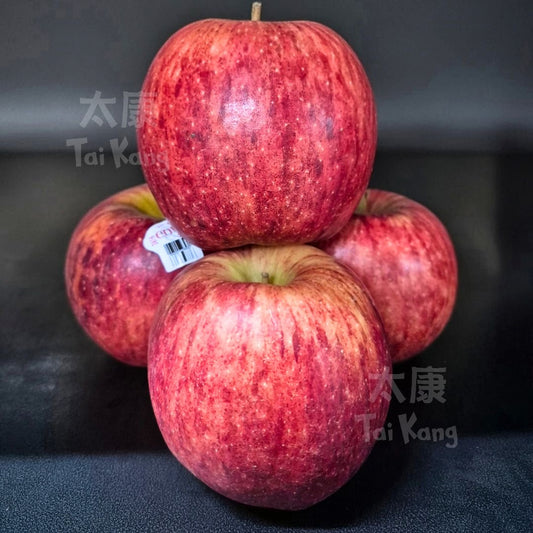
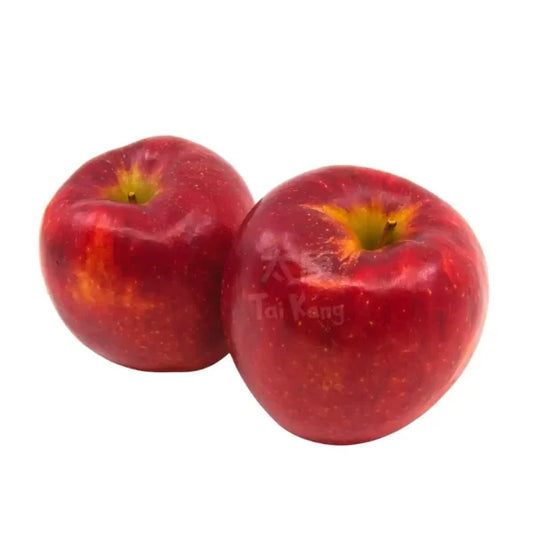
In Singapore, almost all fruit travels thousands of miles before reaching your basket. This long-distance cold chain puts immense stress on the cellular structure of the produce. To survive the journey, fruit is often harvested before it's fully sun-ripened. This results in "Snow White" perfection in skin color but leaves the fruit tasteless. A bright red apple might look beautiful, but it lacks the natural sugars and nutrients that only develop through tree-ripening. When fruit is forced to stay dormant, it doesn't just lose its taste; it loses its soul.
To better understand how to see past these marketing tricks, watch this helpful video:
The Secret Life of Supermarket Apples and Pears
Many apples in large stores aren't fresh from the orchard. Controlled atmosphere (CA) storage can keep them dormant for up to 12 months by lowering oxygen levels. There's a big difference between a fruit that's truly fresh and one that's just "crunchy" due to industrial cold storage. Old apples turn mealy the moment they reach room temperature because their internal structure has already collapsed. To test for freshness, press the skin gently; high skin tension and a firm "snap" indicate a recent harvest rather than long-term storage.
The Wax Factor: Why Shiny Isn’t Always Better
Supermarkets apply edible waxes to citrus and stone fruits to prevent moisture loss during shipping. While this makes the fruit shine, it can also mask underlying fungal growth or bruises. You can tell the difference by looking for "bloom." Natural bloom is a dusty, waxy coating found on grapes or plums that rubs off easily. If the fruit feels unnaturally sticky or looks like plastic, it's likely coated in artificial wax. Avoiding bad fruit from supermarket aisles means looking for that natural, matte finish instead of a high-gloss shine that hides decay.
5 Expert Signs to Identify Low-Quality Fruit
Mastering the art of avoiding bad fruit from supermarket bins requires a shift in focus. You shouldn't look for the most beautiful piece of fruit. You should look for the most alive piece of fruit. Industrial farming prioritizes visual consistency, but nature rarely produces identical twins. When every apple in a pile looks exactly the same, it's often a sign of high-intervention farming rather than superior quality. Real quality is found in the weight, the scent, and the condition of the stem.
The stem is the fruit's umbilical cord. A fresh stem should be supple and green or light brown, depending on the variety. If you see a stem that is dry, brittle, or blackened, the fruit has been off the vine for far too long. To truly understand the nuances of selection, you can follow these 5 expert signs to identify low-quality fruit. These indicators help you skip the flavorless produce and find the gems that are worth your money.
Heavier fruit is almost always better. Pick up two similar-sized oranges or mangoes and choose the heavier one. Weight indicates a high juice content and a developed sugar profile. If a fruit feels light for its size, it's likely pithy or dehydrated inside. Combine this with a scent check. If a peach or a melon smells like nothing, it will taste like nothing. Natural sugars produce a distinct, pleasant aroma that even cold storage cannot fully suppress.
Watch out for "sweating" fruit. This occurs when produce is moved from a cold truck to a warm shelf and back again. This temperature shock breaks down the cellular walls and invites rapid decay. If you see moisture beads on the skin of a room-temperature fruit, its shelf life is already compromised. For those who prefer to skip the guesswork, you can find hand-inspected new arrivals that haven't endured the stress of traditional retail logistics.
Visual Red Flags You Might Be Ignoring
Don't let bright supermarket lights deceive you. Use the "shadow test" by tilting the fruit away from the direct light to see hidden bruises or soft indentations. Shrivelled skin near the stem is a clear warning that the fruit's internal hydration is failing. Some competitors suggest avoiding all spots, but this is a mistake. Small "sugar spots" on pears or bananas often indicate peak sweetness. However, internal browning or a greyish cast to the skin usually means the fruit has been "chilled to death" in extreme cold storage.
The Tactile Test: Beyond Just Squeezing
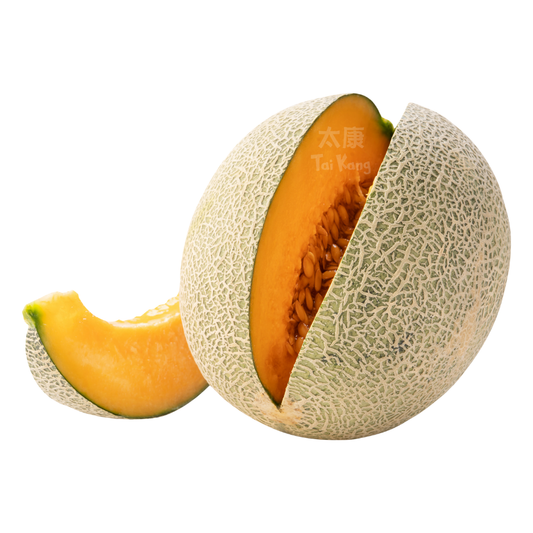
Grapes and berries should have a firm "spring-back" when touched. If they feel soft or leave an indentation, they are past their prime. For larger melons, a soft blossom end (the side opposite the stem) is a non-negotiable sign of ripeness. You can also use the "hollow sound" test by tapping a large melon; a deep, dull thud suggests a dense, juicy interior while a high-pitched ring often means the fruit is underripe.
Avoiding Mistakes When Selecting Premium Seasonal Fruits
Selecting luxury produce in a retail environment is a high-stakes game. You don't want to spend a premium only to find the fruit is flavorless or past its prime. Price is often a reflection of rarity or import costs rather than current freshness. Avoiding bad fruit from supermarket displays of luxury items requires a trained eye for specific physiological signs. Understanding the difference between a fruit that looks expensive and one that actually tastes premium is essential for any health-conscious shopper.
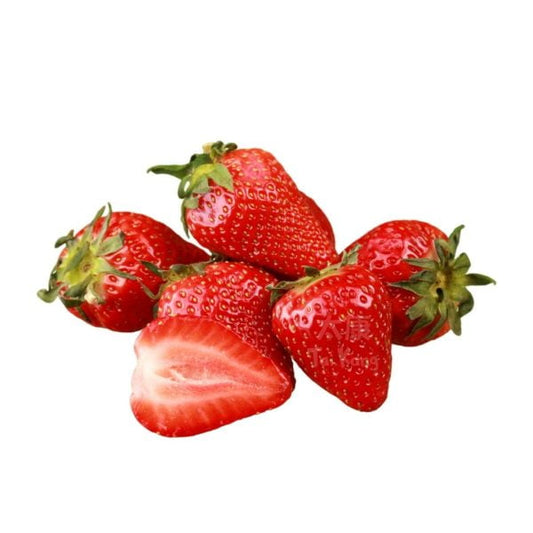
For soft fruits like Yamanashi peaches or Korean strawberries, the line between "ready-to-eat" and "over-ripe" is incredibly thin. A ripe strawberry should be vibrant red all the way to the calyx. A white "shoulder" near the stem means it was harvested too early and will never reach its full sugar potential. Using a university-backed guide to selecting fresh fruit can help you identify these subtle differences before you commit to a purchase. High-quality fruit should be fragrant and yield slightly to gentle pressure without feeling mushy.
The Musk Melon Checklist
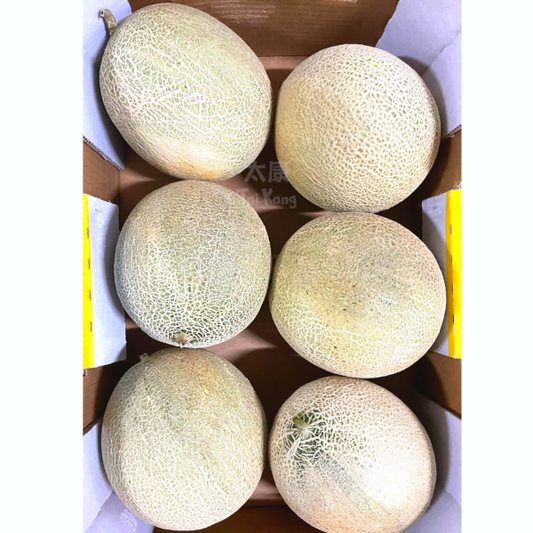
Selecting Japanese Musk Melons requires looking closely at the skin. Look for thick, raised netting that covers the surface evenly. Flat or sparse netting usually indicates the melon didn't have enough internal sugar pressure during its growth. You should also examine the "T-stem." A slightly wilted T-stem is a sign of peak ripeness. If the stem is completely dry and brittle, the melon is likely over-ripe and losing its crisp texture. To guarantee quality, you can shop our hand-selected Musk Melons which are inspected for these exact traits.
Premium Grapes: Shine Muscat and Kyoho
When you are avoiding bad fruit from supermarket shelves, pay close attention to grape stems. For Shine Muscat Grapes, a green, flexible stem is a sign of recent harvest. Perform a simple "drop test" by gently lifting the bunch. If grapes fall off the stem easily, the fruit is old and losing its internal moisture. While many shoppers look for bright green grapes, a slight "Golden Hue" on a Shine Muscat actually indicates a higher sugar content and superior sweetness. You can check our New Arrivals for seasonal grapes to see examples of what peak-season, golden-hued bunches should look like.
Ready to experience the difference that professional selection makes? Browse our full collection of premium seasonal fruits today.
Beyond the Aisle: The Benefits of Curated Fruit Delivery
We've discussed how to spot the signs of aging in the grocery aisle. However, the most effective strategy for avoiding bad fruit from supermarket bins is to step outside that ecosystem entirely. Traditional retail models are built on shelf-life because every day a fruit sits unpurchased is a loss for the store. A premium fruit delivery in Singapore operates on a different clock, prioritizing peak ripeness and flavor over logistical convenience. This shift ensures you receive produce that is ready to be enjoyed immediately.
Direct sourcing reduces the time from the farm to your doorstep. We eliminate the unnecessary handling points that cause the internal bruising we identified earlier. Each piece is inspected individually by professionals who understand the intrinsic value of natural produce. This hand-selection ensures that every item meets our strict standards for skin tension and stem health. For occasions where quality is the ultimate priority, Premium Fruit Gift Boxes offer a curated experience that a self-serve display simply cannot provide.
Quality Control You Can Trust
The process at Tai Kang Healthy Fruits is designed for transparency and safety. We don't just look at the exterior; we select produce based on measured Brix levels to guarantee the sweetness you expect. Our specialized packaging protects delicate items like Korean Strawberries during transit, preventing the friction that leads to rapid spoilage. This attention to detail preserves the natural integrity of the fruit from the moment it leaves the farm. You can explore our Fruit Hampers for guaranteed freshness and see how our hand-selection process maintains the highest standards.
Making the Switch to Better Nutrition
Investing in higher-quality fruit is a practical way to reduce household waste. Bulk bags from supermarkets often contain hidden damaged pieces that end up in the bin, effectively raising the price you pay per edible bite. Choosing fewer, premium items like Yamanashi peaches or Australian Honey Murcott Mandarins ensures that every dollar spent contributes to your family's nutrition. Seasonal eating supports better farming practices and connects you to the natural rhythms of the orchard. Start your journey with our Seasonal Fruits Guide to discover what is at its peak right now.
Elevate Your Daily Nutrition with True Freshness
Understanding the hidden mechanics of the grocery aisle is the first step toward better health. You now know that cosmetic perfection often masks a lack of flavor and that a brittle stem is a clear warning sign. By mastering the art of avoiding bad fruit from supermarket displays, you can stop wasting money on produce that lacks nutritional value. True quality isn't found in a glossy wax coating; it's found in the natural weight and fragrant aroma of a harvest that hasn't been "chilled to death."
You deserve produce that is as safe as it is delicious. We take the guesswork out of your shopping by offering fruit that's directly sourced from premium Japanese and Korean farms. Every piece is hand-selected by experts to ensure it meets our strict standards for sugar levels and physical integrity. With our specialized Singapore-wide delivery, you can enjoy peak-season flavors without the stress of the supermarket search. There's no need to settle for industrial logistics when you can choose purity and safety.
Experience the difference of hand-selected premium fruit delivery today. We look forward to bringing the best of the orchard directly to your home.
Frequently Asked Questions
Is it safe to eat fruit that has been sprayed with SmartFresh?
Yes, health authorities like the FDA consider SmartFresh (1-MCP) safe for consumption because it is a gas that leaves no detectable residue. While it is safe, it is important to remember that this treatment stops the natural ripening process. You are eating a fruit that is "frozen" in time, which often results in a lack of the complex flavors found in naturally ripened produce.
How can I tell if a melon is sweet without cutting it open?
You can judge a melon's sweetness by its weight and the condition of its blossom end. A sweet melon feels heavy for its size, which indicates a high sugar and juice content. Press the blossom end gently; it should have a slight yield and emit a fragrant, floral aroma. If the melon smells like nothing, it will likely taste like nothing.
Why does supermarket fruit rot so quickly after I bring it home?
Supermarket fruit often rots quickly because it has been subjected to temperature shock during the long-distance cold chain. Moving produce from cold storage to warm shelves and back again breaks down cellular walls. Avoiding bad fruit from supermarket displays is difficult because these internal damages are often hidden by artificial waxes that mask the early stages of decay.
Are "ugly" fruits actually better for you than perfect-looking ones?
"Ugly" fruits are not necessarily better, but they often indicate more natural farming practices. Small blemishes or "sugar spots" can be a sign that the fruit was allowed to ripen fully on the tree. Industrial farming focuses on visual perfection, which often sacrifices flavor and nutritional density for a uniform, clean look that survives long shipping routes.
How long can I store premium grapes like Shine Muscat in the fridge?
Premium Shine Muscat grapes stay fresh in the refrigerator for up to two weeks if they are kept dry. Keep them in their original packaging or a ventilated container to maintain proper airflow. Don't wash the grapes until you are ready to eat them. Moisture on the stems can lead to premature mold and soften the crisp texture of the fruit.
What is the best way to wash supermarket fruit to remove wax and pesticides?
The most effective way to remove wax and pesticides is a simple soak in a solution of water and baking soda. Use one teaspoon of baking soda for every two cups of water and soak the fruit for 12 to 15 minutes. This method is more effective at avoiding bad fruit from supermarket chemical residues than rinsing with plain water or using commercial fruit washes.