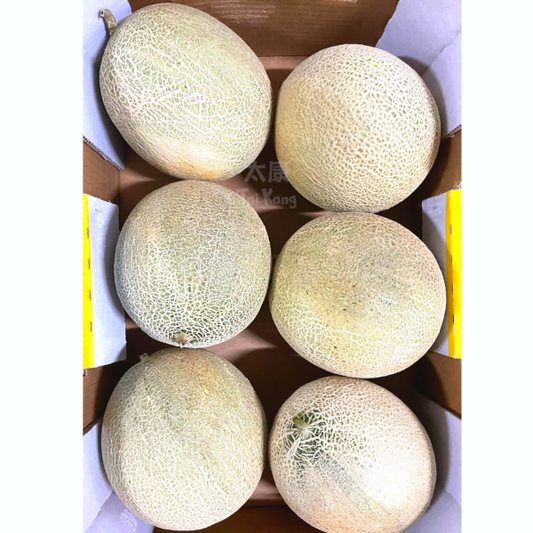

Order Fresh in Singapore: 12 Exotic Fruits to Try
The best exotic fruits to try first are durian, mangosteen, rambutan, dragon fruit, passionfruit, and jackfruit, each one covering a different flavor and texture lane. Durian brings custardy richness that divides rooms; mangosteen answers with sweet-tart segments that taste like a cross between peach and citrus; rambutan and lychee deliver juicy, floral bites; dragon fruit offers mild sweetness and serious visual appeal; passionfruit swings hard into tartness; jackfruit can go meaty or candy-sweet depending on ripeness. The full list below covers a dozen more, plus exactly where and how to buy them.
TL;DR:
- Durian and mangosteen are best for beginners due to their mellow taste and easy-to-identify ripeness cues like aroma and skin color.
- Short-window fruits such as rambutan and lychee should be purchased from sources with fast shipping and strict cold chain maintenance to ensure freshness.
- Ripe jackfruit can be used as a plant-based meat substitute, while unripe jackfruit absorbs seasonings well for savory dishes.
- Certain fruits like star fruit and soursop provide important nutrients but should be consumed with caution by individuals with specific health conditions or allergies.
- Buying small quantities and pairing bold, polarizing fruits with milder ones minimizes waste and helps evaluate each fruit’s suitability for your palate.
Table of Contents
- Exotic Fruits to Try: A Field Guide to 12 Standouts
- How to Buy and Store Exotic Fruits Without Wasting Half of Them
- Why Temperature-Controlled Handling Matters More Than People Realize
- What These Fruits Actually Do for Your Body
- What to Watch for Before You Take a Big Bite
- When Each Fruit Actually Peaks
- Three Easy Starting Points From Tai Kang
- A Tasting Note Worth Passing On
- Sources
- FAQ
Exotic Fruits to Try: A Field Guide to 12 Standouts
Most “exotic fruit” roundups repeat the same five names and call it a day. The fruits below cover a wider range on purpose, so you can build a tasting session that hits sweet, sour, funky, and floral without buying six pounds of anything you might not finish.
Durian. Spiky green husk, custard-like flesh inside, and a smell that has gotten it banned from hotels and subway systems across Southeast Asia. The taste is closer to caramelized onion mixed with vanilla pudding than anything else in the produce aisle, and that contradiction is exactly why people either crave it or can’t stand it. Curated sellers matter here because aroma and variety strongly shape the eating experience, so a poorly selected fruit can turn a first try into a last try. Eat it straight from the husk with a spoon, chilled, in small portions.
Mangosteen. Deep purple rind, white segments inside that look like a peeled garlic bulb. The flavor is genuinely hard to describe: sweet, slightly tart, with a texture somewhere between a grape and a lychee. Press the rind gently; it should give slightly but not feel hard or brittle. Eat it fresh, chilled, straight out of hand.
Rambutan. Looks like a sea urchin, tastes like a grape wearing a costume. The hairy red shell peels back to reveal translucent flesh with a flavor close to lychee but a touch less floral. Pick fruits with bright red, springy spines. Eat it fresh or toss it into a fruit salad for texture contrast.
Jackfruit. This is the world’s largest tree-borne fruit, with individual fruits weighing between 40 and 100 pounds, which is why most grocers sell it pre-cut. Unripe jackfruit has a neutral, fibrous texture that absorbs seasoning well, which is why it shows up in plant-based “pulled pork” recipes. Ripe jackfruit turns sweet and aromatic, closer to a mix of mango and banana. Buy pre-cut ripe wedges for snacking; buy young jackfruit in brine if you’re cooking savory.
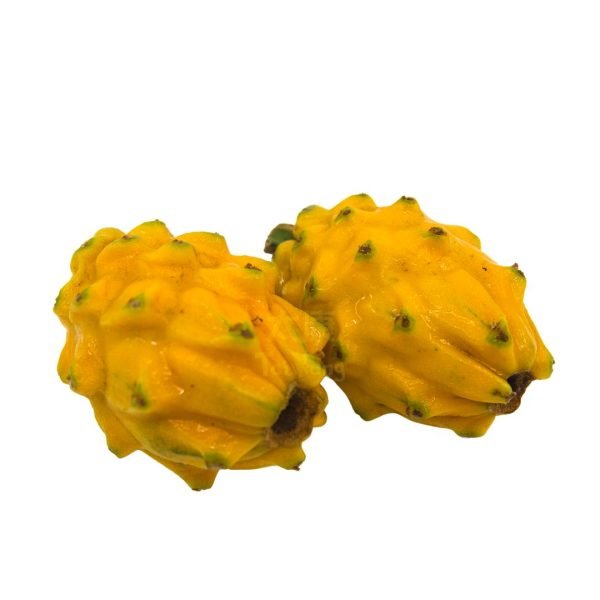
Dragon fruit (pitaya). Bright pink or yellow skin, white or magenta flesh flecked with tiny black seeds. Flavor is mild, slightly sweet, closer to a kiwi than anything punchy. Ripeness shows in the skin: look for firm flesh with slight give and vivid, even color across different pitaya varieties. Scoop it straight from the halved shell with a spoon, or blend it into smoothies for the color alone.
Soursop (graviola). Spiky green skin, custardy white flesh with a flavor that lands somewhere between pineapple and strawberry with a faint citrus edge. It should feel soft to the touch, almost like a ripe avocado, when ready to eat. Blend it into juice or scoop it fresh, discarding the seeds and fibrous core.
Cherimoya. Green, scaly skin that looks a bit like an artichoke, with creamy white flesh that tastes like a blend of banana, pineapple, and vanilla custard. It should yield slightly to gentle pressure at peak ripeness, similar to a ripe pear. Cut it in half and eat it with a spoon, straight from the skin.
Star fruit (carambola). Waxy yellow skin, star-shaped when sliced, mildly sweet with a crisp, watery bite closer to an apple than a citrus fruit. No peeling needed; just slice and eat. One caution worth knowing: star fruit contains oxalic acid, which can pose a real risk for people with kidney problems, so anyone with kidney disease should skip it or check with a doctor first.
Lychee. Small, bumpy red shell, translucent flesh with a perfumed sweetness that’s floral rather than sugary. Choose fruits with pink to red shells that haven’t gone brown or dried out. Peel and eat fresh, or freeze the peeled flesh for a summer treat.
Longan. Smaller and browner than lychee, with a milder, less floral sweetness people often describe as “woodsy honey.” The shell should feel firm without cracks. Eat fresh out of hand, or dried as a snack, which is how you’ll find it in most Asian grocery aisles.
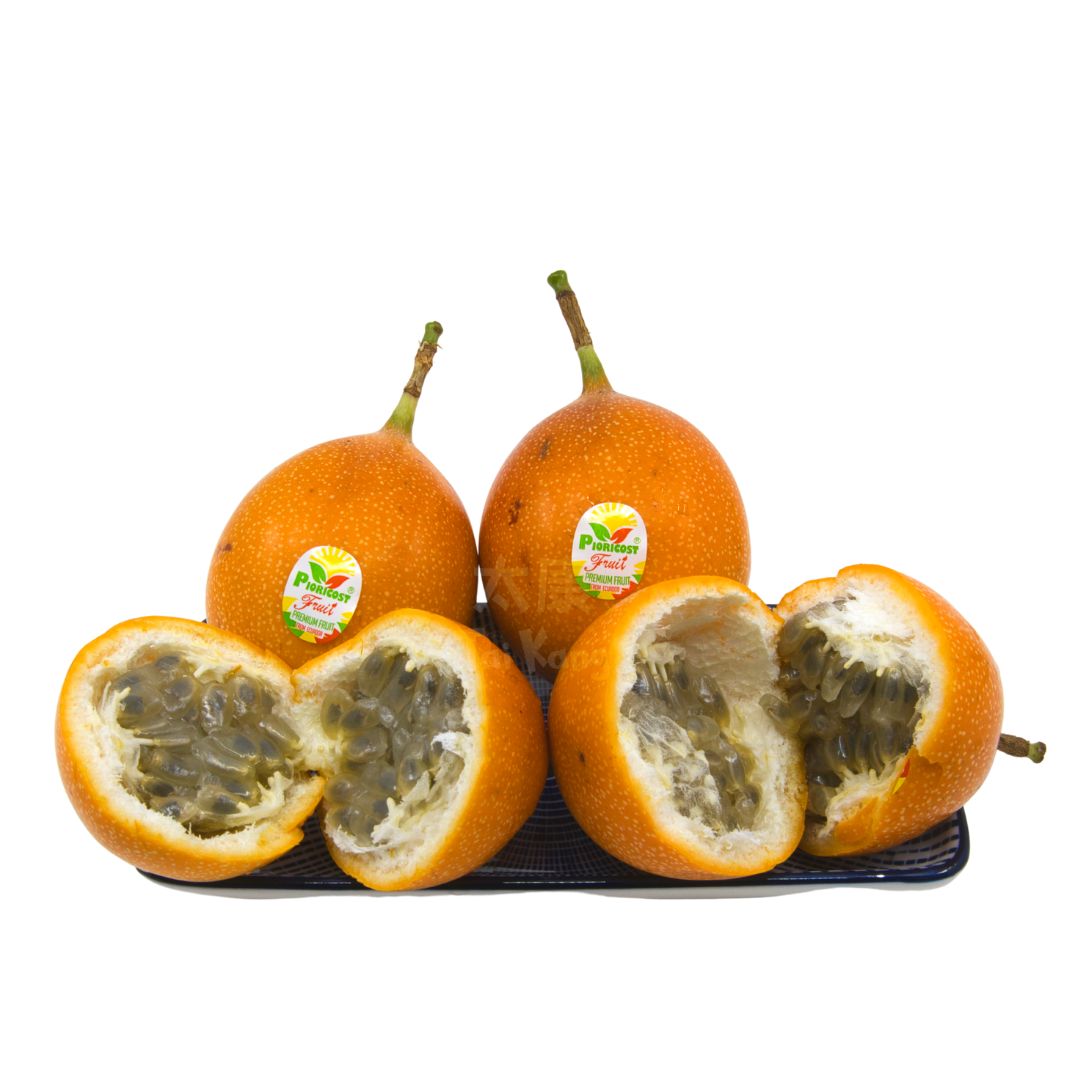
Passionfruit. Wrinkled purple or yellow skin hiding a jumble of seeds suspended in tart, aromatic pulp. The wrinklier the skin, the riper the fruit. Scoop the pulp straight into yogurt, blend it into a sauce, or use it to cut through the sweetness of something like mango or pineapple.
Horned melon (kiwano). Spiky orange skin, lime-green jelly-like flesh with a flavor that splits the difference between cucumber and banana. It’s ready to eat once the skin turns fully orange. Slice it in half and scoop the jelly straight out, seeds included, since they’re edible and mild.
Salak (snake fruit). Named for its brown, scaly skin, salak peels like a garlic clove to reveal crisp, off-white segments that taste like a cross between pineapple and apple with a hint of banana. It should feel firm, not squishy. Eat it fresh, in small bites, since the texture is drier and crunchier than most tropical fruit.
How to Buy and Store Exotic Fruits Without Wasting Half of Them
Sourcing exotic fruits comes down to matching the fruit to the right channel. Very short-window fruits like mangosteen and rambutan do best from a source that ships fast and keeps cold chain intact; hardier ones like dragon fruit or star fruit tolerate more time in transit. Frozen purée works well for anything you mainly want to blend, like soursop or passionfruit, and it solves the seasonality problem entirely.
Selection cues vary by fruit, but a few patterns repeat. Aroma is the giveaway for durian and jackfruit; both should smell noticeably fragrant, not faint, when ripe. Skin color is your best guide for dragon fruit, star fruit, and salak, where dull or patchy coloring usually means underripe. Gentle give under light pressure works for cherimoya and mangosteen, similar to checking an avocado. Avoid anything with damp, weeping, or bruised skin on short-shelf items like rambutan and lychee since that fruit is already past its best.
Here’s a short checklist worth keeping on your phone before you order or shop in person:
- Match the fruit to the shortest realistic path from grower to your kitchen.
- Check aroma or skin color against the specific ripeness cue for that fruit.
- Refrigerate anything already ripe, and eat short-window fruits like mangosteen and jabuticaba within a day or two of arrival.
- Keep unripe fruit like green mangosteen or hard cherimoya at room temperature until it softens.
- Buy smaller quantities of unfamiliar fruit until you know how fast your household actually eats them.
Pro Tip: Order one or two unfamiliar fruits alongside something you already know you like. If the new fruit turns out to be a miss, you’re not stuck eating a whole box of it alone.
Specialty grocers and wet markets remain solid for same-day freshness if you live near one, but premium online retailers have closed the gap for anyone who doesn’t. A curated online sourcing guide covers how inspection and cold-chain handling factor into which fruits are actually worth ordering sight unseen.
Why Temperature-Controlled Handling Matters More Than People Realize
Many exotic fruits carry short peak-ripeness windows and can ferment or lose quality fast without careful handling from grower to doorstep. That’s not a marketing detail. It’s the difference between mangosteen that tastes bright and sweet-tart versus segments that have gone slightly sour, or jabuticaba that stays fresh versus one that’s already fermenting in the box.
Taikanghealthyfruits builds its sourcing around this exact problem: fruit is inspected before it ships and kept in temperature-controlled storage the whole way through, which is a big part of why the company holds a 4.85-star rating from 46 reviews. For fragile, short-window fruits, that kind of consistency is what separates a good first taste from a fruit you never buy again.
If you’re testing several unfamiliar fruits at once, a few practical moves help:
- Start with a small box or single-fruit order rather than committing to a large mixed case.
- Pair one bold, polarizing fruit (durian, soursop) with one mild, familiar one (grapes, dragon fruit) in the same tasting session.
- Ask about delivery and packaging specifics before ordering anything with a notoriously short shelf life.
What These Fruits Actually Do for Your Body
Exotic fruit isn’t just a novelty snack drawer. Passionfruit and mangosteen carry meaningful fiber and vitamin C, which is part of why nutrition writers consistently point to seasonal, less-processed produce as a smart addition to a regular diet rather than an occasional treat, a pattern echoed in broader coverage of seasonal produce and nutrition. Dragon fruit brings a similar fiber and vitamin C profile with the added benefit of being genuinely low in calories for its size.
Jackfruit stands out nutritionally in a different way. Its young flesh gets used as a plant-based meat substitute precisely because it’s high in fiber and low in fat while still delivering a satisfying, chewy texture, which makes it a reasonable swap in savory dishes for anyone cutting back on meat.
Star fruit and soursop both bring vitamin C and antioxidant compounds to the table, though star fruit’s oxalic acid content means it’s not a fit for everyone, a caution worth repeating here since it applies regardless of how the fruit is prepared or served. None of these fruits are a substitute for a balanced diet, but rotating a few of them into your week adds nutritional variety that a standard grocery run of apples and bananas simply doesn’t offer.
What to Watch for Before You Take a Big Bite
Exotic fruit allergies are less common than reactions to peanuts or shellfish, but they’re not rare either. Latex-fruit syndrome is the one worth knowing: people with a latex allergy sometimes react to fruits like jackfruit, passionfruit, and lychee because the proteins involved are structurally similar. Symptoms usually show up as itching or mild swelling around the mouth, though more severe reactions are possible.
Star fruit deserves its own separate warning, and it’s a serious one. Its oxalic acid content can cause real harm for people with kidney problems, including neurological symptoms in severe cases involving impaired kidney function. Anyone with existing kidney disease should avoid star fruit entirely or get clearance from a doctor first, and this caution holds regardless of how small the serving is.
Beyond allergies, a few fruits cause milder digestive complaints if you overdo it on a first try. Durian and jackfruit are both dense and rich; eating a large portion in one sitting can leave sensitive stomachs feeling heavy or bloated. Passionfruit and soursop, being high in fiber, can cause loose stools in large quantities. None of this means avoid the fruit. It means start with a modest portion, especially with anything you’ve never tried, and pay attention to how your body responds before going back for seconds.
When Each Fruit Actually Peaks
Exotic fruit isn’t available year-round at its best, and knowing the rough season helps explain why some batches taste noticeably better than others. Durian and mangosteen both hit their peak during the warmer months typical of Southeast Asian growing seasons, generally producing the sweetest, most reliably ripe fruit during that stretch. Rambutan and lychee follow a similar warm-season window, with lychee tending to arrive slightly earlier in the cycle than rambutan.
Dragon fruit and passionfruit have more forgiving harvest patterns and show up reliably across a longer stretch of the year, which is part of why they’re easier to find consistently compared to something like mangosteen. Jackfruit follows tree-fruiting cycles that vary by growing region, so availability tends to be steadier than the short, sharp peaks you see with more delicate tropical fruit.
Soursop, cherimoya, and salak tend to follow narrower harvest windows tied to their specific growing regions, and regional specialty produce like these often commands premium pricing outside peak season simply because supply tightens. If a fruit tastes underwhelming, checking whether you’re buying it out of its natural window is a reasonable first question before writing the fruit off entirely.
Three Easy Starting Points From Tai Kang
If the list above feels like a lot to commit to at once, start smaller. Taikanghealthyfruits stocks a handful of exotic and semi-exotic picks built for exactly this kind of low-risk tasting.
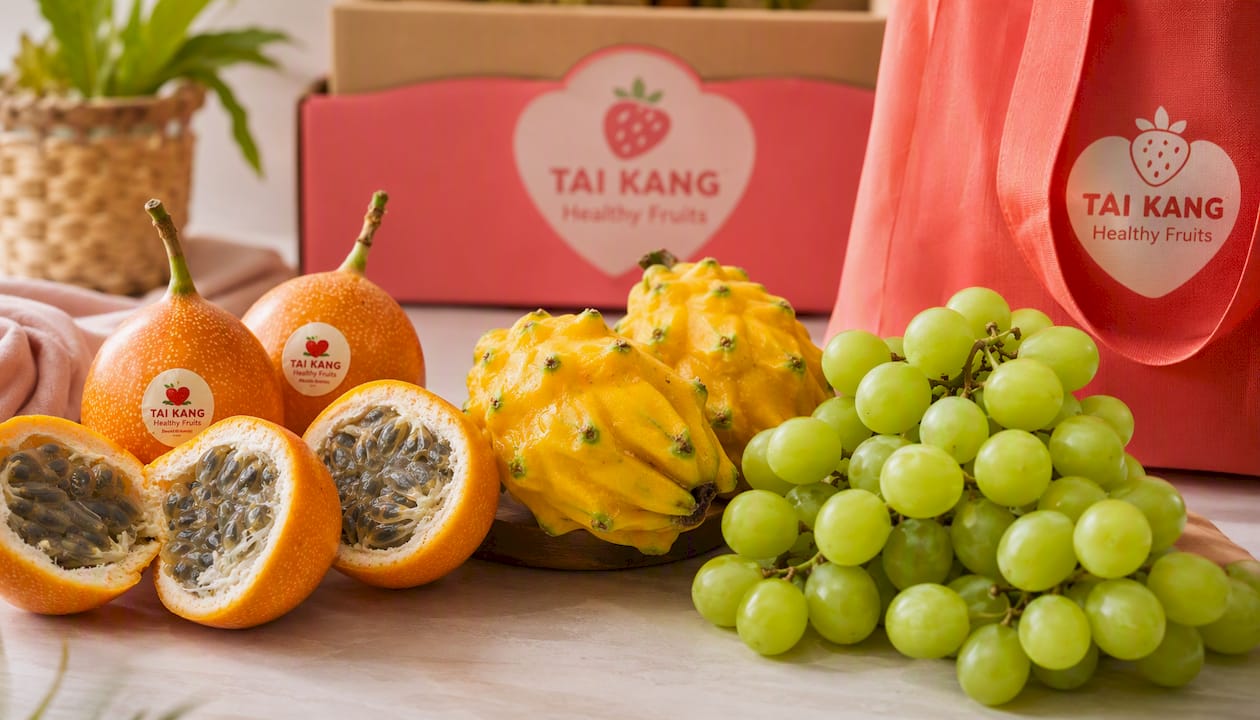
The Ecuador Sweet Passionfruit is an easy first move if you want intensity without commitment. Six pieces give you enough to blend into a sauce, stir into yogurt, or spoon straight over ice cream, and the tartness cuts through richer fruit like mango or banana if you’re building a mixed plate.
For visual impact, the Ecuador Yellow Dragonfruit XXL does double duty. It looks striking sliced open on a table, and it’s mild enough that even skeptical guests will eat it without hesitation. Halve it, scoop it, done, or blend it into a smoothie for color that no food dye can match.
If you want a palate cleanser between bolder tastes, the USA Sweet Globe Seedless Green Grapes earn their spot for a reason that has nothing to do with novelty. Cold, crisp, and reliably sweet, they reset your palate between something as intense as durian or soursop and whatever you’re trying next.
None of these require a big order or a long-term commitment. Pick one, add it to a small tasting box, and see how it lands before building out a bigger rotation.
A Tasting Note Worth Passing On
The first time durian showed up on a table Tai Kang sat at, half the room left. The other half went back for seconds. That split is normal, and it’s the whole reason small, deliberate tastings work better than committing to a full fruit blind. Pair one loud fruit with one quiet one, taste in small bites, and let curiosity do the rest. The fruit that repulses one person at the table might become someone else’s favorite thing they ate all year.
— Tai Kang
Sources
- Jackfruit — Wikipedia
- Durian flavors and how aroma affects tasting — Tasting Table
- 11 Exotic Fruits You Should Try — WebMD
- Best rated tropical fruits in the world — TasteAtlas
FAQ
What is the best exotic fruit to try first?
Mangosteen and dragon fruit are the easiest entry points because both are mild, sweet, and low-risk for newcomers, while durian and soursop reward people who want something bolder right away.
What are the top exotic fruits worth trying?
Durian, mangosteen, rambutan, jackfruit, dragon fruit, passionfruit, lychee, longan, soursop, cherimoya, star fruit, and salak cover the widest range of flavors and textures for a first tasting round.
What are the rarest exotic fruits?
Cherimoya, salak, and horned melon are among the harder-to-find varieties outside their native growing regions, since narrow harvest windows and delicate handling requirements limit how far they travel.
What are the best-tasting exotic fruits overall?
Mangosteen and lychee consistently rank as crowd favorites for their balanced sweetness, while passionfruit wins for people who prefer bold, tart flavor over straightforward sweetness.
Where can I buy exotic fruits if I don’t live near a specialty market?
Premium online fruit retailers with temperature-controlled shipping, like Taikanghealthyfruits, are the most reliable option for getting short-shelf-life fruit delivered fresh without needing a specialty grocer nearby.