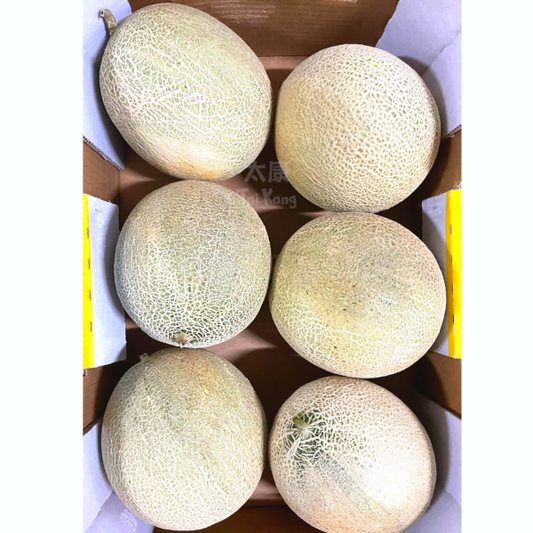

Skip Tracking: Month by Month Fruit Season Calendar for Meal Planners
This fruit season calendar shows which fruits typically hit peak quality each month, so you can time purchases for the best flavor, the lowest price, and the most nutrients per bite. Buying in season usually means sweeter fruit at a fraction of the off-season cost, since supply is high and shipping distances shrink. Below, you’ll find a full month-by-month breakdown plus practical tips on shopping, storage, and how climate and geography shift the timeline.
TL;DR:
- Buying fruits at peak season ensures the highest sugar content, better texture, and optimal flavor compared to off-season or stored varieties.
- Regional differences and climate change are causing shifts and fluctuations in harvest times, making flexible shopping based on current month best.
- Imported fruits from opposite hemispheres may cost more and arrive underripe, so checking whether fruit is local or imported is essential for quality.
- Proper storage and preservation methods, like freezing and dehydration, allow extended enjoyment of seasonal fruits off-season.
- A subscription service can simplify access to peak-season fruit without the need for constant tracking or planning.
Table of Contents
- Fruit Season Calendar: What’s at Peak Each Month
- What Does “In Season” Actually Mean?
- How to Use This Calendar for Shopping and Meal Planning
- Why Trust This Calendar
- How Do Fruit Seasons Differ by Region?
- Is Climate Change Shifting Fruit Seasons?
- Local vs. Imported: What Actually Changes
- Storing Fruit for the Off-Season
- Making Seasonal Eating an Actual Habit
- Get Peak-Season Fruit Without Tracking the Calendar Yourself
- Sources
- FAQ
Fruit Season Calendar: What’s at Peak Each Month
Fruit doesn’t ripen on a straight line through the year. It moves in seasonal clusters: winter leans on citrus and hardy stone fruits, spring wakes up berries, summer is the deep end of the pool for melons and stone fruit, and fall closes with apples, pears, and persimmons. Here’s the breakdown, month by month.
January
- Citrus: navel oranges, grapefruit, tangerines
- Pears: Bosc and Anjou varieties hit their stride
- Kiwifruit
- Pomegranates (tail end of season)
Citrus dominates January almost everywhere in the Northern Hemisphere. If you see soft, blemished oranges at a good price, that’s usually a sign the batch is near the end of its window, not a bargain.
February
- Citrus: blood oranges, Meyer lemons
- Pears and apples (stored varieties)
- Passion fruit (often counter-seasonally sourced from South America)
February is a quiet month for fresh harvests in temperate zones, which is exactly why so much fruit on shelves is either stored from fall or imported. Passion fruit sold in February is almost never local. It’s shipped in from growing regions in their own summer.
March
- Early strawberries (greenhouse or southern climates)
- Rhubarb
- Pineapple
- Kiwifruit (late season)
Strawberries showing up in March are typically greenhouse grown or trucked in from warmer states. True field strawberry season is still weeks away for most temperate regions.
April
- Strawberries (field-grown begins in warmer regions)
- Apricots (early varieties)
- Mangoes (imported, early season from Southeast Asia and Latin America)
- Rhubarb
April is a transition month. You’ll start seeing genuinely local strawberries in southern growing regions, while mangoes on shelves are still coming from tropical exporters running their own peak windows.
May
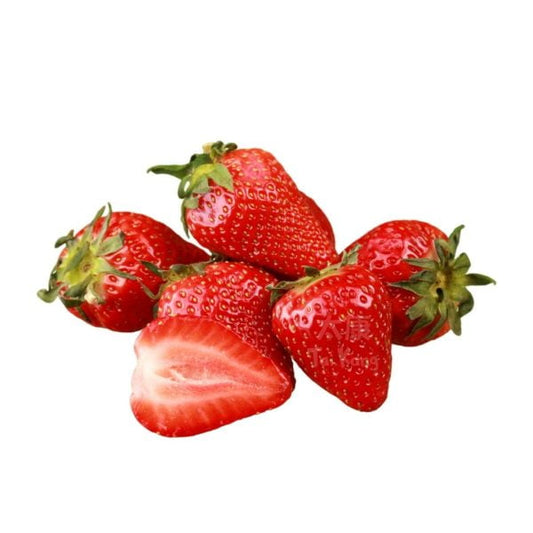
- Strawberries (peak in many regions)
- Cherries (early varieties, southern growing areas)
- Mangoes
- Apricots
May strawberries are usually as good as it gets for the year. If you’ve been waiting to make jam or a shortcake, this is the window.
June
- Cherries (peak season)
- Mangoes (peak for many origins)
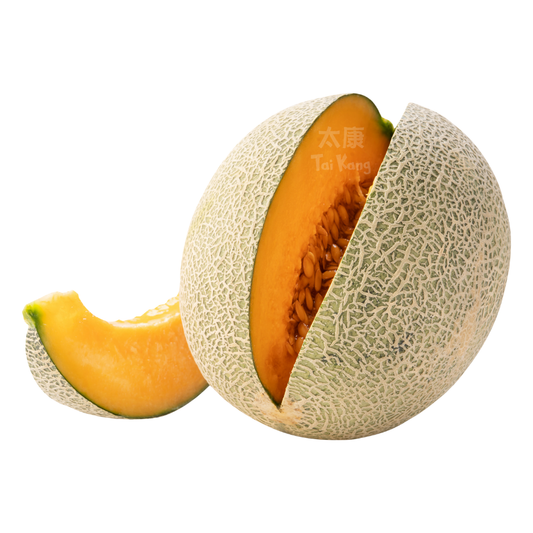
- Melons: cantaloupe, honeydew (early)
- Blueberries
- Peaches (early varieties)
- Apricots
June is one of the richest months on the calendar. Cherries and mangoes both tend to hit peak sweetness here, and it’s a good month to buy in bulk and freeze what you won’t eat right away.
July
- Peaches and nectarines (peak)
- Melons (peak): watermelon, cantaloupe, honeydew
- Blueberries and blackberries
- Plums
- Figs (early)
Stone fruit season is in full swing in July. Peaches bought at a farmers market this month will almost always outclass anything sold in December, since Brix (sugar content) climbs sharply the closer a peach ripens on the tree rather than in transit.
August
- Peaches, plums, and nectarines (continued peak)
- Figs
- Grapes (early varieties)
- Melons
- Raspberries
August is peak stone-fruit and melon season across most temperate growing regions. It’s also when fig season really opens up, a fruit that has an unusually short shelf life and rewards buying only what you’ll eat in a day or two.
September
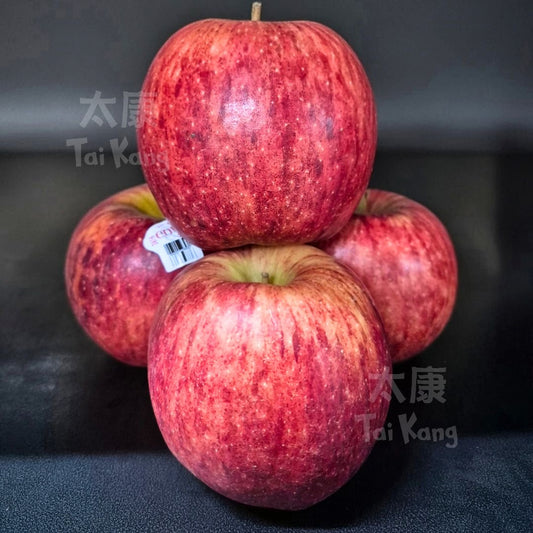
- Apples (early varieties)
- Grapes
- Pears (early)
- Figs (late season)
- Pomegranates (early)
September marks the pivot toward fall fruit. Early apple varieties like Gala and Honeycrisp start appearing, while summer stone fruit tapers off.
October
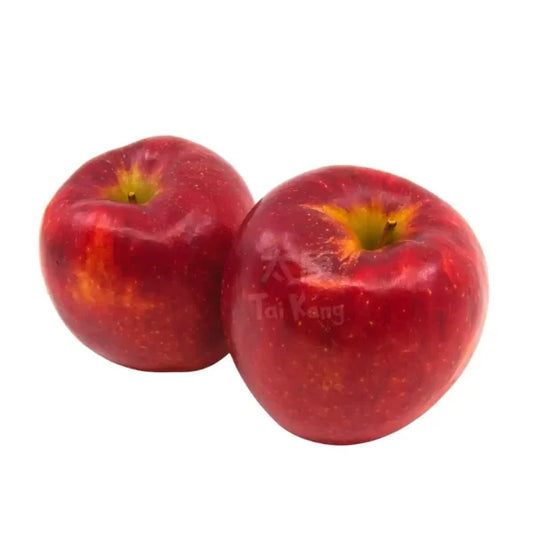
- Apples (peak season)
- Pears (peak)
- Pomegranates
- Persimmons (early)
- Grapes (late)
October is apple country. This is also when pomegranates genuinely peak rather than just being available, and the difference in juiciness between an October pomegranate and one bought in January is noticeable.
November
- Persimmons (peak)
- Pears
- Apples (stored)
- Cranberries
- Citrus (early season begins)
Persimmons hit their real peak in November, and citrus season starts its slow ramp-up, overlapping briefly with the last of fall’s harvest.
December
- Citrus: clementines, navel oranges (early peak)
- Pomegranates (late)
- Pears
- Cranberries
December closes the loop back into citrus season, which is why the calendar year both opens and closes on oranges and grapefruit rather than a hard break.
A few fruits don’t fit neatly into any single month. Bananas and avocados are effectively available year-round because they’re grown across multiple hemispheres and harvested in staggered waves. Cherries and mangoes sit at the opposite extreme: tightly seasonal, with a real peak window of just six to eight weeks depending on the growing region.
What Does “In Season” Actually Mean?
“In season” means a fruit is being harvested at or near its natural peak ripeness in at least one major growing region, which is different from simply being available on a shelf somewhere. A fruit can be sold year-round and still have a season. Availability and quality are not the same thing, and the calendar above tracks quality windows, not just stock levels.
Peak season matters because of Brix, the measurement of sugar content in fruit. Fruit picked at peak ripeness consistently shows higher Brix values, better texture, and stronger flavor than the same variety picked early or shipped long distances before ripening. That’s the whole reason a June peach tastes different from a January one, even if both are technically the “same” fruit.
Counter-seasonal sourcing fills the gaps. Modern supply chains let a grocer stock mangoes in February or strawberries in November by importing from a hemisphere where it’s currently summer. This works, but peak harvest windows remain the gold standard for freshness and value, and counter-seasonal fruit usually costs more and travels farther.
Pro Tip: If a fruit’s price looks unusually high for the month, check whether it’s in its local window or being flown in from the opposite hemisphere. That price gap is almost always the tell.
If you’re buying specialty or imported fruit for an event, timing matters more than most people realize. Procurement professionals typically place orders 4 to 6 weeks before peak season and build in 30 to 45 days of logistics lead time for international shipments. Miss that window and fruit either arrives underripe or overripe by the time it lands on a shelf.
- Local season = harvested and sold within roughly the same region and timeframe
- Imported/counter-seasonal = grown in an opposite-hemisphere season, then shipped to fill a local gap
- Specialty imports (like premium peaches or mangoes) need the longest lead times to arrive at true peak
How to Use This Calendar for Shopping and Meal Planning
Treat the calendar as a shopping filter, not a rulebook. Check what’s peaking this month before you plan your grocery list, and build meals around whatever tops the list rather than forcing a recipe that calls for out-of-season fruit.
- Scan the current month’s list first. Whatever tops it is almost always your best price-to-flavor ratio.
- Check ripeness cues before you buy. A ripe mango gives slightly under thumb pressure and smells sweet at the stem; a ripe melon feels heavy for its size and has a slight give at the blossom end; stone fruit should smell fragrant, not just look colorful; berries should be uniformly colored with no soft spots.
- Store correctly once home. Citrus, apples, and pears hold up fine in the fridge for weeks. Stone fruit, mangoes, and melons ripen faster on the counter and should move to the fridge only once they’re fully ripe.
- Ripen what needs it. A paper bag speeds up peaches, avocados, and mangoes by trapping the ethylene gas they naturally release.
Pro Tip: Never store berries wet. Rinse them right before eating, not right after buying, and they’ll last two to three extra days.
Two quick meal ideas: in June, a grilled peach and cherry salad with soft cheese uses two fruits at simultaneous peak. In October, a roasted pear and pomegranate side dish with a light vinaigrette makes use of the fall pivot without needing anything shipped from off-season.
Why Trust This Calendar
This calendar was built around real sourcing practices, not guesswork.
- Shipments go through quality inspection before reaching storage.
- Fruit is held in storage designed to protect flavor and shelf life
- Home delivery is available with a fast turnaround once an order is placed
- A high customer satisfaction rating from reviews reflects consistent satisfaction with fruit quality and service
Three products map directly onto how people actually use a season calendar. A bi-weekly fruits delivery subscription suits anyone who wants recurring peak-season fruit without reordering manually. Specialty seasonal fruits are worth timing around their narrow peak windows. Premium fruit hampers work well for occasions calling for curated seasonal gifts rather than single fruits.
How Do Fruit Seasons Differ by Region?
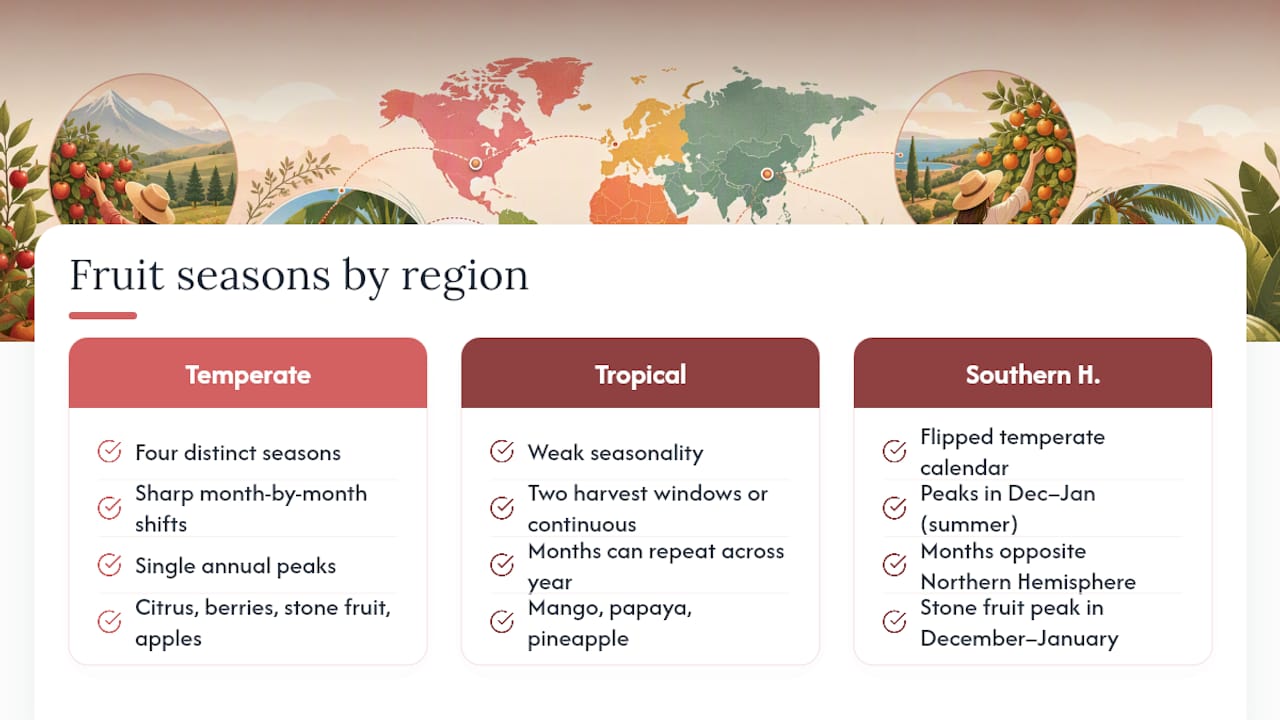
A fruit season calendar built for temperate climates like the Northern United States or Europe won’t match a tropical zone’s rhythm, and that’s the biggest source of confusion for shoppers checking availability charts. Temperate regions run on four distinct seasons, each with its own fruit cluster, which is why the month-by-month list above shows sharp transitions between citrus, berries, stone fruit, and apples.
Tropical zones don’t follow that pattern. Many tropical fruits, like mangoes, papayas, and pineapples, have two harvest windows a year or nearly continuous production, since temperature and daylight barely shift across seasons. That’s why a fruit like mango can show up as “in season” on a calendar for both April and October, depending on which hemisphere and climate zone the calendar is built around.
Southern Hemisphere countries flip the entire temperate calendar. Argentina and South Africa hit peak stone-fruit season around December and January, exactly when North America is deep in citrus season. This is precisely why counter-seasonal imports exist: a grower’s summer surplus becomes another region’s winter treat.
Is Climate Change Shifting Fruit Seasons?
Yes, and the shift is showing up as earlier bloom times and less predictable harvest windows rather than a simple shift of the whole calendar. Warmer winters can trigger fruit trees to bloom weeks earlier than historical norms, which sounds like a win until an unexpected late frost hits blossoms that opened too soon and wipes out part of the crop.
Harvest calendars that once held steady year to year now carry real variability. Consumer resources tracking harvest windows note that start dates can shift by a week or two from year to year due to weather alone, and that variability is trending upward rather than settling into a new stable pattern. Growers are adapting with new rootstock varieties bred for temperature tolerance, but the underlying unpredictability is part of why a fruit calendar should be treated as a guide to typical timing, not a fixed schedule.
For shoppers, the practical takeaway is flexibility. If a fruit hasn’t hit shelves at its usual month, that’s not necessarily bad sourcing. It’s often just a harvest that started later than the historical average.
Local vs. Imported: What Actually Changes
Local fruit and imported fruit follow completely different timelines, and mixing them up is the easiest way to overpay for something that isn’t actually at its best. A local peach in July was likely picked within days of reaching the store. An imported peach in January traveled from a Southern Hemisphere grower running its own summer season, which means longer transit, earlier picking to survive shipping, and a price premium to cover the logistics.
That earlier picking point is the real quality gap. Fruit picked underripe for shipping stability never fully catches up in flavor, even if it looks ripe by the time it reaches a shelf. This is the trade-off behind every counter-seasonal fruit purchase: you gain year-round access, but you generally trade away some peak flavor and pay more for it.
Local sourcing also shortens the whole calendar’s blind spots. Checking what’s currently in season locally before shopping helps you catch the narrow windows, like fresh figs or specific stone fruit varieties, that barely register on a national calendar built around broader averages.
Storing Fruit for the Off-Season
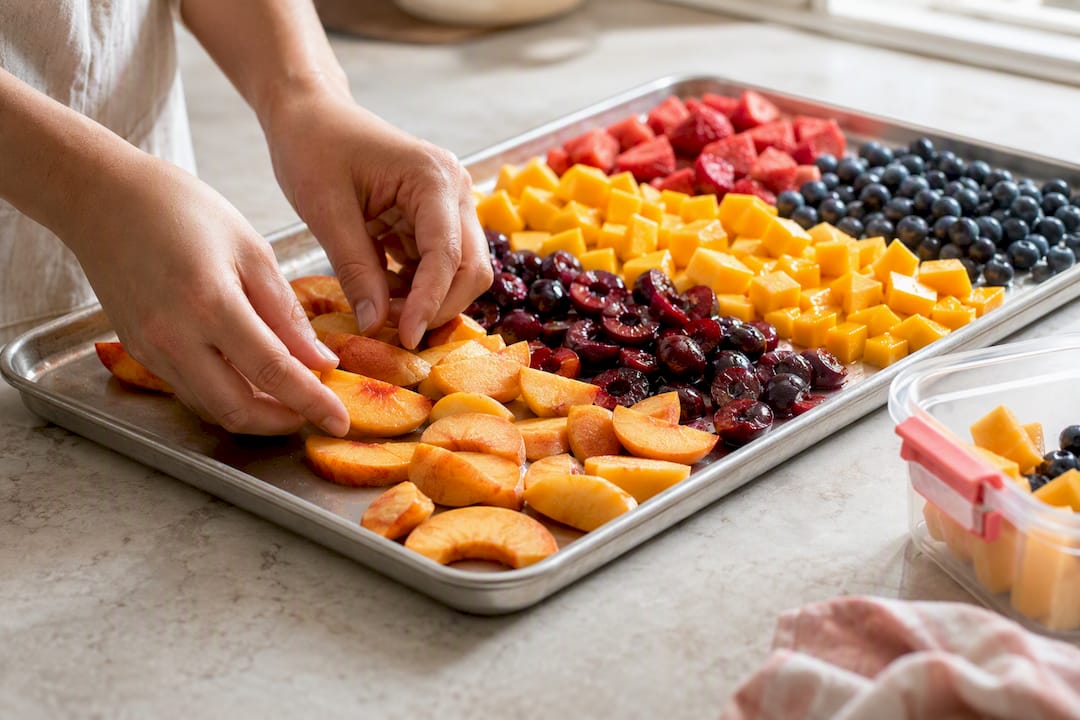
Buying extra fruit during peak season only pays off if you store it properly, and different fruits need genuinely different approaches. Freezing works well for berries, mangoes, peaches, and cherries. Wash, slice if needed, spread pieces on a tray to freeze individually, then bag them once solid so they don’t clump into one frozen brick.
Citrus holds up differently. Whole oranges and lemons keep for weeks in the fridge, but zest and juice freeze well too, so a glut of winter citrus can stretch its usefulness into summer cooking. Apples and pears, especially firmer varieties, can last a month or more in a cold, humid fridge drawer, which is exactly why “stored apples” show up on the calendar well past their actual harvest month.
Dehydrating is underused for stone fruit and figs. A home dehydrator or a low oven turns a peach glut into snack-ready dried fruit that lasts months at room temperature. For anyone buying seasonal fruit in bulk to save money, knowing how to spot fruit that’s already past its usable window before it goes into storage prevents wasted money on produce that was never going to keep well in the first place.
Making Seasonal Eating an Actual Habit
Most people know seasonal fruit tastes better, but few build it into a routine. My honest take: pick one new seasonal fruit each month and build a single meal around it. That small habit does more for your plate than any calendar printout ever will.
— Tai Kang
Get Peak-Season Fruit Without Tracking the Calendar Yourself
Keeping up with harvest windows takes effort most people don’t have time for between work, groceries, and everything else on a weekly list. Taikanghealthyfruits solves that by doing the timing work for you: fruit is sourced, inspected, and delivered close to its actual peak window instead of sitting in a warehouse until demand catches up.
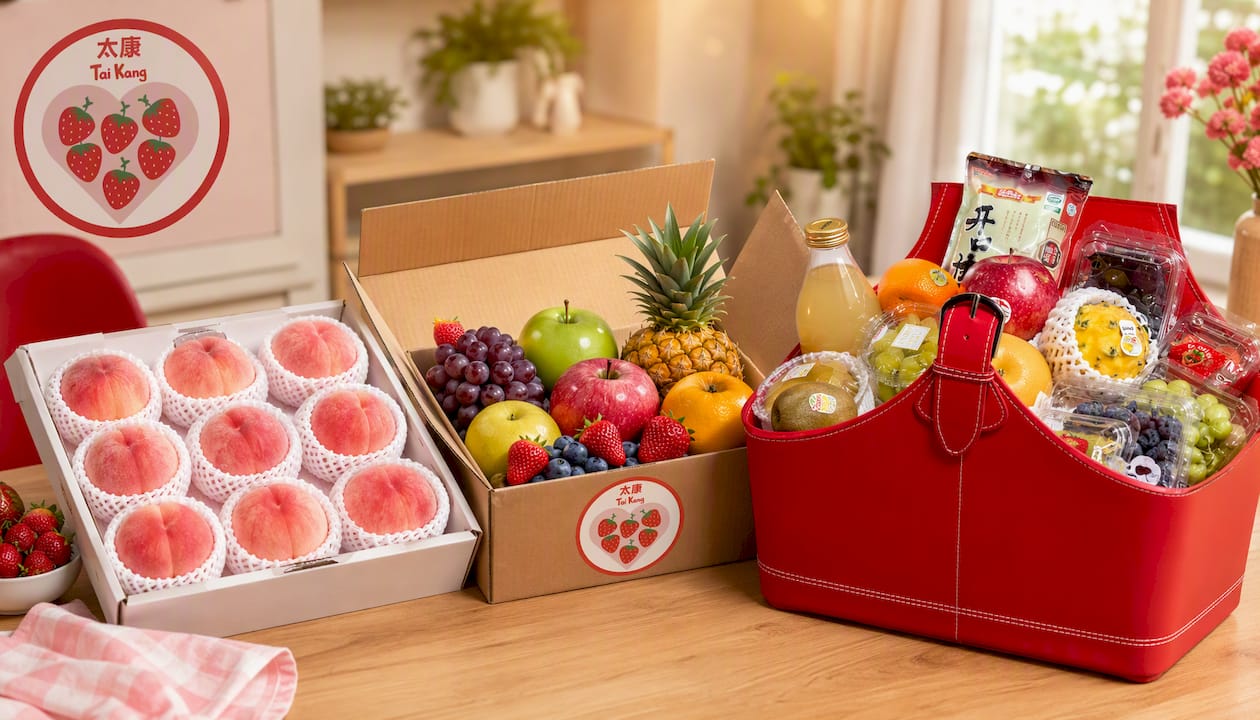
- Bi-weekly fruits delivery (2 months subscription plan) keeps a rotating supply of in-season fruit coming without you having to reorder or track months manually.
- Japan Peach is a seasonal specialty worth grabbing during its narrow window rather than waiting and missing it.
- Deluxe Harvest Premium Fruit Hamper is a ready-made option for gifting, corporate occasions, or anyone who wants a curated seasonal selection without picking it piece by piece.
If you’d rather eat seasonally without checking a calendar every week, start with the bi-weekly subscription and let the timing take care of itself.
Sources
- Scalanuova Harvest calendar
- Crestwood Global Seasonal availability
- FruitPulse Global Fruit Harvest Calendar 2026
FAQ
What Fruits Are in Season This Month?
Check the month-by-month list above for the current month’s peak fruits. As a rule, citrus dominates winter, berries and stone fruit peak in late spring through summer, and apples, pears, and persimmons take over in fall.
What Are the Fruit Seasons in Singapore?
Singapore’s tropical climate means many local and regional fruits have longer or near year-round windows rather than sharp seasonal cutoffs, though imported temperate fruits like apples, cherries, and citrus still follow their origin country’s harvest calendar. A closer look at Singapore’s seasonal fruit availability breaks down which fruits run on tropical timing versus imported schedules.
Which Fruits Are Currently at Peak Quality?
That depends entirely on the current month and your region’s growing zone, since temperate and tropical areas run on different timelines. The safest check is matching today’s date against the calendar breakdown above rather than assuming based on what’s simply available in stores.
Which Fruit Is Coming Into Season Next?
Look one section ahead in the monthly calendar. Fruits typically start appearing in stores two to four weeks before their true local peak, often shipped in from a slightly warmer growing region within the same broader area.