
Fruits for Breastfeeding: What to Eat and What to Skip
No single fruit is proven to boost your milk supply, and you do not need a special fruit diet while breastfeeding. What works is simpler: eat a wide variety of whole fruit every day, pair it with protein or healthy fat, drink enough water, and feed or express often. Bananas, apples, oranges, berries, mangoes, papaya, pears, kiwi and avocado are all good, practical choices that most babies tolerate well.
This guide covers what the research says about “milk-boosting” fruit, which fruits are easy to build into a Singapore day, how to pair them, and the points where you should talk to a doctor, lactation consultant or dietitian instead of searching online.
TL;DR
- Breastfeeding does not call for a special fruit list. Singapore’s HealthHub advises whole foods, with fruit and vegetables as a key part of the diet.
- No fruit is conclusively proven to increase supply. Frequent, effective feeding or expressing is what drives production.
- Choose whole fruit over juice or sweet dried fruit, and eat it with protein, such as yoghurt, nuts or eggs.
- You rarely need to cut out fruit. See a professional if your baby shows signs of a suspected allergy.
- Wash fruit under running water and refrigerate cut fruit promptly.
Table of Contents
- Do any fruits really boost breast milk?
- What the health bodies actually recommend
- Fruits that are easy to eat while breastfeeding
- About papaya, dates and apricots
- Pair fruit with protein, iron and fat
- Whole fruit, juice or dried: what to choose
- Keeping fruit safe and fresh
- What not to eat: do you need to cut out fruit?
- Perspective: fruit as nourishment, not a supply hack
- Making fruit effortless in the first months
- Fresh fruit delivered to your door
- FAQ
- Sources
Do any fruits really boost breast milk?
This is the question behind most searches, and the honest answer is no, not with proof. Papaya, dates, apricots and similar fruits appear on many “milk booster” lists. Those lists usually rest on tradition, not on strong trials.
A 2020 Cochrane review of oral galactagogues looked at natural options including palm dates, fennel, fenugreek, ginger, moringa and banana flower. It found the evidence limited and very low in certainty. The studies differed too much in products, timing and outcomes to say whether any one works, or works better than another.
What does support supply is milk removal. HealthHub makes the point that drinking more milk does not itself raise production. Regular breastfeeding or expressing does. If you are worried about low supply, the useful step is a feeding assessment with a lactation consultant, not a bigger bowl of papaya.
That does not make papaya or dates a bad idea. They are nutritious, and many mothers enjoy them. Just treat them as food, not as medicine.
What the health bodies actually recommend
The guidance is consistent across countries, and it is calm.
- The NHS says you don’t need a special diet while breastfeeding, just a well-balanced, healthy variety of foods. It suggests at least five portions of fruit and vegetables a day, and fresh, frozen, tinned, dried or juiced fruit can all count.
- HealthHub advises an additional serving from each food group of My Healthy Plate, and a high-protein, iron-rich diet that includes oily fish, dairy and wholegrains.
- The US MyHealthfinder tips list berries, apples, oranges, bananas, grapes and mangoes among everyday fruit choices.
- A 2025 review, Nutrition for Optimal Lactation, describes a healthy pattern for nursing mothers as rich in fruits, vegetables, grains and legumes, with fish, dairy, eggs and healthy fats.
Notice what is missing: a ranked top-five list of fruit. The advice is variety and adequacy, not a hero ingredient.
Fruits that are easy to eat while breastfeeding
With a newborn, the best fruit is the one you will actually eat, often one-handed. This table groups common choices by what they are good for in practice. These are practical notes, not medical claims.
| Fruit | Why mothers reach for it | Easy way to eat it |
|---|---|---|
| Banana | Portable, filling, a medium banana is a sensible snack | With unsweetened yoghurt or on whole-grain toast |
| Orange and other citrus | Vitamin C, which helps the body absorb iron from foods like beans and lentils | Segments beside eggs or a bean salad |
| Berries | Easy to rinse and eat by the handful | With nuts or stirred into oats |
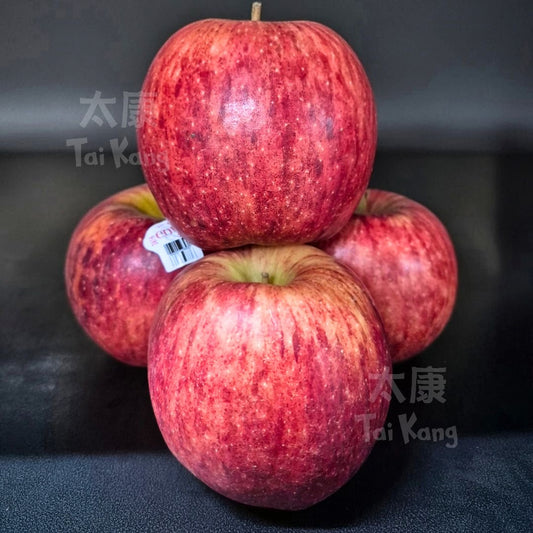
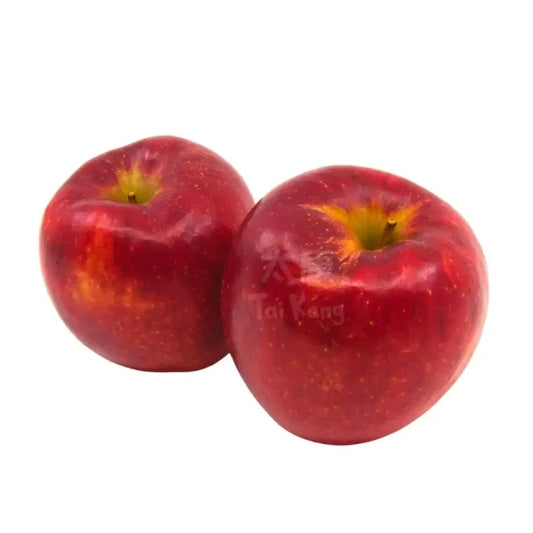
| Apple and pear | Keep well, need no prep beyond washing | Sliced with peanut butter |
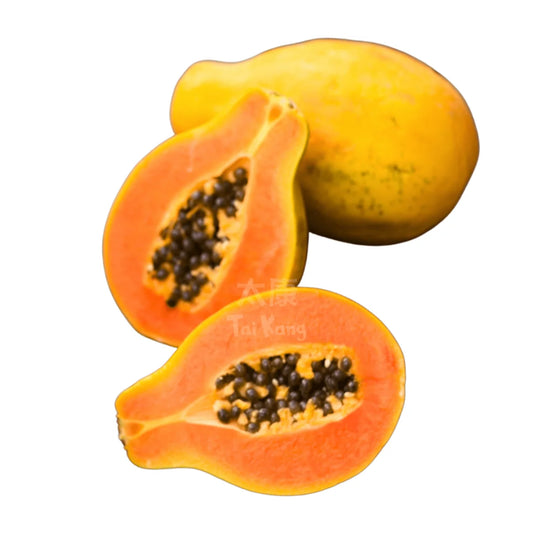
| Mango and papaya | Soft, sweet, familiar in Singapore | Cubed, in a small bowl, with plain yoghurt |
| Kiwi | Quick to halve and scoop | Alone, or with a handful of seeds |
| Pineapple and watermelon | Juicy, refreshing in the heat | Chilled pieces between feeds |
| Avocado | Healthy fats, filling | Mashed on wholegrain bread |
The Mayo Clinic’s breastfeeding nutrition advice uses a medium banana or apple, a slice of whole-grain bread with peanut butter, and yoghurt as examples of nutrient-rich snacks. It also notes that vitamin-C-rich citrus helps the body absorb iron from foods such as lentils, beans, enriched cereals and leafy greens. That pairing is a smart one for tired new mothers.
About papaya, dates and apricots
These three come up most often as traditional milk boosters. Sanford Health says apricots and dates can increase prolactin, while the Cochrane review found the date evidence too uncertain to draw conclusions. We read the two together this way: they are nutritious, so enjoy them if you like them, but do not expect a guaranteed effect on supply.
One practical caution: dates and dried apricots are concentrated sugar. A few pieces with nuts or yoghurt is a sensible portion, and a whole bag in front of the television is not.

Pair fruit with protein, iron and fat
Fruit alone leaves you hungry again within an hour. The better pattern is to treat fruit as one part of a plate. A simple five-part pattern for a Singapore day looks like this:
- Fruit: citrus, berries, banana, mango or papaya.
- Protein and iron: eggs, beans, lentils or lean meat.
- Dairy or a fortified alternative: milk, yoghurt, or fortified soy.
- Wholegrains: wholemeal bread, oats, brown rice.
- Vegetables, plus nuts or seeds, or low-mercury oily fish.
A few combinations that take under five minutes:
- Banana with unsweetened yoghurt and a spoon of chia seeds.
- Berries with a small handful of almonds.
- Orange segments with a boiled egg and wholegrain toast.
- Sliced apple with peanut butter.
- Avocado and kiwi on rye, with a glass of water alongside.
HealthHub also recommends at least 1.5 to 2 litres of water daily for breastfeeding mothers. Water-rich fruit such as watermelon and pineapple adds a little to that, but it does not replace drinking.
Whole fruit, juice or dried: what to choose
A common slip is turning fruit into juice. Whole fruit gives you fibre and fills you up. Juice and dried fruit concentrate the sugar and are easier to overeat. The NHS notes that all forms count toward your daily portions, but it also points toward choices without added sugar or salt, so check labels.
A simple rule works well:
- Reach for whole fruit first.
- Use unsweetened frozen fruit when fresh is not on hand. It is useful in smoothies and keeps for weeks.
- Keep dried fruit to a small portion, eaten with protein or fat.
- If you drink juice, treat it as an occasional extra, not as your main fruit.
Keeping fruit safe and fresh
When you are exhausted, a bowl of cut fruit is the easiest snack in the house. It is also one that needs a little care in Singapore’s heat.
- Wash whole fruit under running water before cutting, including fruit with skin you will not eat.
- Refrigerate cut fruit promptly and eat it within a day or so.
- Keep fruit in the fridge rather than on the counter during hot days, apart from fruit that still needs to ripen.
- Buy in smaller, more frequent amounts so you are not eating tired fruit.
For more on why freshness and preparation matter, this piece on why fresh prepared food matters for your health covers the basics of handling ready-to-eat food.
What not to eat: do you need to cut out fruit?
Usually, no. CDC guidance on maternal diet says most breastfeeding mothers do not need to limit specific foods. There is no standard advice to avoid citrus, berries or any other common fruit.
The things that do need attention are different:
- Alcohol and caffeine. HealthHub advises avoiding foods that contain alcohol or caffeine, or preparing foods so the alcohol evaporates. If you have a question about your own coffee or tea habit, ask your doctor or lactation consultant.
- High-mercury fish. CDC guidance says to limit or avoid these and follow current fish advisories. Low-mercury oily fish is a useful source of DHA.
- Foods that clearly upset your baby. If your baby shows signs of a suspected allergy, such as a rash, vomiting or blood in the stool, see your paediatrician before removing foods. Removing foods without advice can leave you short of nutrients.
- Vegan diets. CDC notes that vegan mothers may need assessment for vitamin B12, iodine, vitamin D, choline, zinc, vitamin A and omega-3 fats. A dietitian can tell you which supplements, if any, suit you.
If your baby seems fussy after you eat a certain fruit once, that is not proof of a link. Babies are fussy for many reasons. Keep a short note of what you ate and what happened, and bring it to your baby’s doctor if a pattern appears.
Perspective: fruit as nourishment, not a supply hack
We sell fresh fruit, so you might expect us to tell you a particular fruit will raise your milk. We won’t, because the evidence does not support it, and new mothers deserve better than a marketing claim.
What we can speak to is the practical side. A breastfeeding mother needs good food that is quick to eat, and fresh fruit fits that. In our work with households across Singapore, the recurring problem is not knowing which fruit to eat. It is having good fruit on hand at 3 a.m. or between feeds, without a trip to the shop. That is why we focus on careful inspection and temperature-controlled storage, and on home delivery across Singapore.
Our advice is plain. Choose what you enjoy, vary the colours, eat it whole, and add protein. Keep feeding or expressing as often as your baby needs, and ask a lactation consultant if supply worries you.
— Tai Kang
Making fruit effortless in the first months
The first weeks postpartum are not the time for long grocery runs. A few habits help.
- Plan a fruit rotation. Pick three or four fruits for the week, such as bananas, oranges, apples and one soft fruit like mango or papaya, and rotate them.
- Prep once a day. Wash and cut what you will eat today, and store it in a covered container in the fridge.
- Put a snack station where you feed. A bowl of washed apples or a small box of berries by your feeding chair is worth more than good intentions.
- Ask visitors to bring fruit. A gift of fresh fruit is more useful to a new mother than another outfit. Our guide to fruit gift ideas for every occasion has ideas if you are the visitor.
- Add vegetables too. Fruit is one part of the plate, and you can browse our vegetables collection when you order.
- Look at what is in season. Seasonal fruit tends to be at its best, and our guide to the best seasonal fruits in Singapore can help you choose.
Fresh fruit delivered to your door
If you would rather not carry bags of fruit home with a baby in tow, we deliver across Singapore. Our fruit is inspected and kept in temperature-controlled storage before it reaches you. We also advertise free delivery for larger orders, and a rewards program for repeat customers.
For steady supply, our bi-weekly fruit delivery subscription is a two-month plan that brings fruit to you on a regular rhythm, so you are not deciding what to buy each week. For a one-off order, you can browse the full range on our homepage. To weigh the two approaches, read our comparison of fruit subscription versus delivery.
To be clear: our fruit is a convenient, fresh way to eat well. We do not claim it increases milk supply.

FAQ
Which fruits boost breast milk?
None has been proven to. The 2020 Cochrane review found the evidence for natural galactagogues, including dates, limited and very low in certainty. Eat the fruit you enjoy for nutrition and hydration, and rely on frequent feeding or expressing to support supply.
What are the top 5 foods to eat while breastfeeding?
There is no official top five. A practical pattern is fruit such as citrus or berries, protein such as eggs, beans or lean meat, dairy or a fortified alternative, wholegrains, and vegetables with nuts, seeds or low-mercury oily fish. Variety across these groups matters more than any one food.
What should a mother not eat when breastfeeding?
Most mothers do not need to avoid specific foods, and fruit does not need to be cut. HealthHub advises avoiding alcohol and caffeine or following its preparation guidance, and CDC advises limiting or avoiding high-mercury fish. If your baby shows signs of a suspected allergy, see a doctor before changing your diet.
Is fruit juice as good as whole fruit while breastfeeding?
Whole fruit is the better everyday choice because it gives you fibre and is more filling. The NHS counts juiced fruit toward your daily portions, but juice and dried fruit concentrate sugar. Keep them as occasional extras and check labels for added sugar.
Can I eat citrus or berries if my baby is fussy?
One fussy episode is not proof that a fruit is the cause. If you see a repeating pattern, or signs such as rash, vomiting or blood in the stool, speak to your paediatrician before dropping foods. Cutting out fruit without advice can leave gaps in your diet.
Sources
- What To Eat While Breastfeeding, HealthHub Singapore
- Oral galactagogues for increasing breast milk production, Cochrane review via PMC
- What to eat and drink when breastfeeding, NHS
- Eat Healthy While Breastfeeding: Quick tips, MyHealthfinder
- Nutrition for Optimal Lactation
- Breastfeeding nutrition: Tips for moms, Mayo Clinic
- Top 10 superfoods for breastfeeding moms, Sanford Health
- Maternal Diet and Breastfeeding, CDC