
Chip Away at ACOG's 600 mcg Folate: Fruits for Pregnancy That Help
Most fruits are safe and genuinely beneficial in pregnancy, and skipping them out of caution usually does more harm than good. Prioritize citrus, avocado, berries, bananas, kiwi or guava, and fiber-rich options like pears and prunes. The main cautions are narrow: unripe papaya, concentrated bromelain extracts, and unwashed produce — not fruit itself.
TL;DR:
- Whole fruits like citrus, avocado, berries, and bananas provide essential nutrients such as folate, vitamin C, fiber, and potassium, supporting pregnancy health.
- Ripe, washed, and properly stored fruits reduce contamination risks, while avoiding unripe papaya, concentrated bromelain, or unwashed berries helps prevent potential health issues.
- Aim for at least five portions of whole fruit daily, using fresh, frozen, or canned options in water or juice without added sugar, especially with gestational concerns.
- Pair fiber-rich fruits with protein or healthy fats to slow digestion and stabilize blood sugar levels, particularly during nausea or constipation.
- Prioritize quality-controlled delivery services or curated gift boxes to ensure a safe, consistent supply of fresh fruit during pregnancy.
Table of Contents
- Why Fruit Matters During Pregnancy: The Nutrients Your Body Needs Now
- The Best Fruits to Eat When Pregnant and What They Actually Do
- How Much Fruit Should You Eat in Pregnancy?
- Fruits to Approach with Caution During Pregnancy
- Fruit Safety: Washing, Storage, and Choosing Safer Forms
- Easy Fruit Snacks and Meal Ideas for Pregnancy
- What I’ve Learned About Sourcing Fruit That’s Actually Safe
- Getting Safe, Fresh Fruit to Your Door Without the Extra Legwork
- Sources
- FAQ
Why Fruit Matters During Pregnancy: The Nutrients Your Body Needs Now
Pregnancy raises your need for specific nutrients, and fruit delivers several of them without much effort. Folate tops the list. The American College of Obstetricians and Gynecologists recommends at least 600 mcg of folic acid daily during pregnancy, since adequate folate intake helps prevent neural-tube defects in early development. Citrus fruits and avocados both contribute meaningfully toward that target.
Vitamin C matters too, mostly because it helps your body absorb the iron you’re getting from other foods, and it supports immune function during a time when you’re more susceptible to infection. Fiber solves a problem almost every pregnant person runs into eventually: constipation, driven by hormonal shifts and, later, by pressure on the digestive tract. Potassium helps keep blood pressure balanced, which matters more as pregnancy progresses; you can learn more about potassium’s role and benefits in our magnesium and potassium health guide.
- Folate: neural-tube defect prevention, found in citrus and avocado
- Vitamin C: supports iron absorption and immunity
- Fiber: eases constipation, found in pears, prunes, berries
- Potassium: supports healthy blood pressure, found in bananas and avocado
The number to remember: 600 mcg of folic acid daily is the ACOG benchmark, and fruit is one of the easiest ways to chip away at it without supplements alone.
The Best Fruits to Eat When Pregnant and What They Actually Do
Not every fruit deserves equal billing on your plate. Some pull double or triple nutritional duty, which makes them worth prioritizing over others when you’re deciding what to actually buy.
Citrus. Oranges, grapefruit, and tangerines deliver both folate and vitamin C in one package. Eat the whole fruit rather than the juice when you can. Juice strips out the fiber and concentrates the sugar, so you lose part of the benefit while keeping the calories.
Avocado. This is the fruit most people underrate. A 2016 review in the periconceptional and lactation literature found avocados supply folate, monounsaturated fats, potassium, and fiber in a single low-sugar package, making them one of the more nutrient-dense fruit choices available during pregnancy. If you’re new to picking and ripening them, a step-by-step avocado guide takes the guesswork out of it.
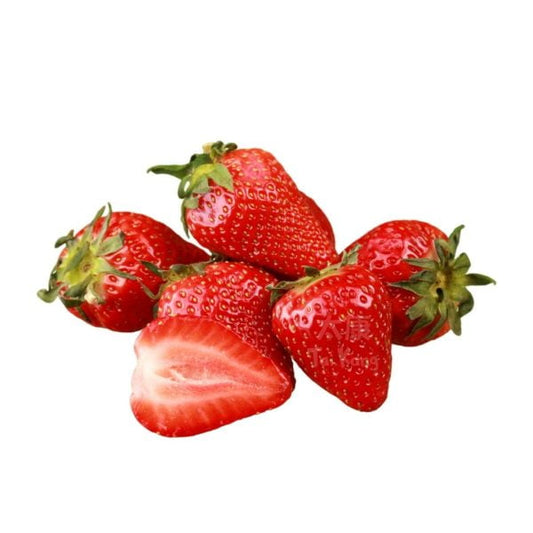
Berries. Strawberries, blueberries, and raspberries bring antioxidants and fiber, but they need a thorough rinse since they grow close to soil and are eaten unpeeled. Frozen berries are a fully legitimate substitute and often cheaper.

Banana. Potassium and quick, gentle calories make bananas a reliable go-to, especially when nausea has killed your appetite for anything more complicated.
Kiwi and guava. Both pack unusually high vitamin C, which helps your body pull more iron from meals, and both support regular digestion.
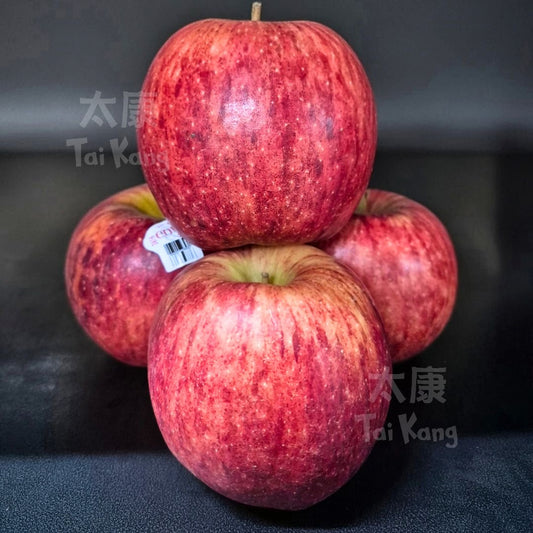
Prunes, pear, and apple. These three combine soluble and insoluble fiber, which is exactly what you want when constipation hits. A dedicated guide on fiber-rich fruit for constipation covers portion specifics if that’s your main concern right now.

Pro Tip: Pair a fiber-rich fruit like pear or prune with a source of fat or protein, such as plain yogurt, to slow digestion and keep blood sugar steadier between meals.
How Much Fruit Should You Eat in Pregnancy?
The NHS recommends at least five portions of fruit and vegetables a day, and that guidance holds during pregnancy with a few tweaks. A portion is roughly one medium piece of fruit, a handful of berries, or two small fruits like plums.
- Favor whole fruit over juice; juice lacks fiber and spikes blood sugar faster
- Fresh, frozen, and canned (in juice or water, not syrup) all count toward your five a day
- Limit dried fruit portions since sugar and calories concentrate as water leaves the fruit
- Talk to your doctor about portion limits if you have gestational diabetes or need strict calorie control
Fruits to Approach with Caution During Pregnancy
The list of fruits people warn you away from is longer than the list of fruits that actually deserve caution. Most of the fear is about hygiene, not the fruit itself. Clinical reviews point to microbial contamination and pesticide residue as the real risk drivers, not some inherent danger in the fruit’s chemistry.
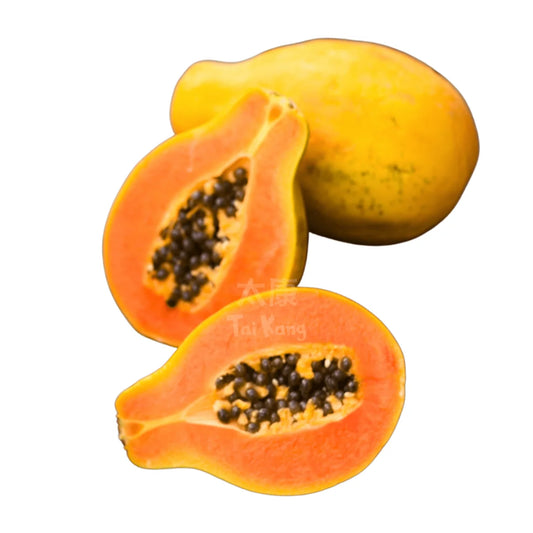
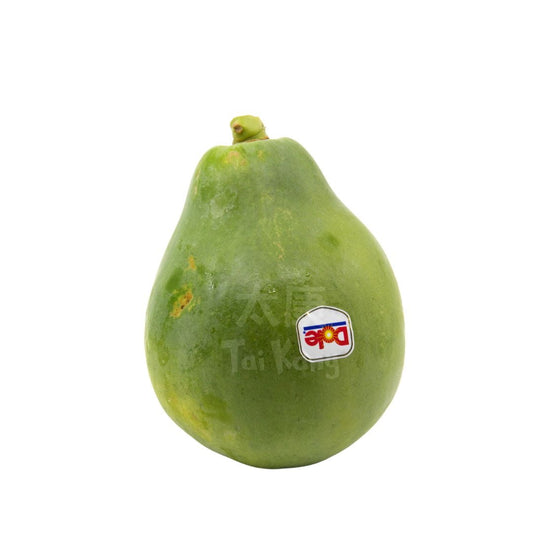
Unripe papaya does contain papain and latex compounds that can trigger contractions in large, concentrated amounts. Ripe papaya, eaten in normal portions, does not carry that same concern.
Pineapple contains bromelain, an enzyme that gets blamed for inducing labor. Normal servings of fresh pineapple are unlikely to cause any issue. Concentrated bromelain supplements or extracts are a different story and worth skipping.
Unwashed berries and stone fruits carry a real listeria and pesticide risk, since they’re eaten with skins on and grown close to the ground. Wash thoroughly, peel when practical, or default to frozen.
Dried and canned fruit with added sugar can push glucose control in the wrong direction, particularly if gestational diabetes is a factor. Choose unsweetened versions whenever the label gives you the choice.
Clinicians increasingly push back on blanket fruit avoidances, noting that unnecessary restriction risks nutrient gaps more than the fruit itself ever would.
Fruit Safety: Washing, Storage, and Choosing Safer Forms
Getting the safety basics right matters more than avoiding entire fruit categories.
- Rinse fruit under running water, even if you plan to peel it, since bacteria on the skin can transfer to your hands and knife.
- Peel fruit when the skin is rough, waxed, or hard to clean thoroughly, like cucumber-skinned melons or citrus.
- Store cut fruit in the refrigerator and eat it within a day or two to limit bacterial growth.
- Choose frozen or canned fruit packed in water or juice, not syrup, when fresh isn’t practical or in season.
- Skip unpasteurized juices and street-cut fruit where you can’t verify how it was washed or handled.
Pro Tip: Keep a mesh produce brush near your sink. Scrubbing firm-skinned fruits like apples and pears for a few extra seconds removes far more residue than a quick rinse.
Easy Fruit Snacks and Meal Ideas for Pregnancy
Getting enough fruit doesn’t require elaborate meal planning. A few reliable combinations do most of the work.
- Sliced fruit with plain yogurt for protein plus fiber in one bowl
- Apple or banana slices with nut butter for a snack that actually holds you over
- Berries or diced mango folded into oatmeal or a green salad
- Smoothies built on whole fruit, not juice, with yogurt or a spoon of nut butter added for staying power
- Small, frequent servings of ripe, mild fruit like banana or melon when nausea makes bigger meals unappealing
What I’ve Learned About Sourcing Fruit That’s Actually Safe
Food safety in pregnancy comes down to reducing exposure, not eliminating entire food groups. That starts before the fruit reaches your kitchen. Every order goes through quality inspection and moves through temperature-controlled storage, which cuts down on the spoilage and contamination risk that drives most of the legitimate fruit warnings you’ll read elsewhere. A high customer satisfaction rating from reviews reflects consistent quality control, and consistency is exactly what matters when you’re trying to eat safely for two.
— Tai Kang
Getting Safe, Fresh Fruit to Your Door Without the Extra Legwork
One solution to the part of pregnancy fruit guidance that most articles skip is actually getting a reliable, varied supply without repeated grocery runs when you’re tired, nauseated, or just short on time. The bi-weekly fruits delivery subscription keeps a steady rotation of inspected, temperature-controlled fruit arriving at your door for two months, which takes the guesswork out of restocking citrus, berries, and bananas week after week.

If you’re shopping for someone else, the Abundance Harvest Premium Gift Box and the Fruitastic Basket both offer curated variety that works well for a new or expecting mother who’d rather not think about produce shopping at all. Orders ship with quality inspection backing them, and repeat customers may benefit from rewards through loyalty programs. Browse the current subscription and gift box options and pick the one that matches how much hands-on shopping you want to do this trimester.
This article is general information, not a substitute for advice from a qualified doctor. Consult a qualified healthcare professional about your own circumstances before acting on anything here.
Sources
- Healthy Eating During Pregnancy | ACOG
- Have a healthy diet in pregnancy | NHS
- The Role of Avocados in Maternal Diets during the Periconceptional Period, Pregnancy, and Lactation
- Pregnancy week by week: Pregnancy nutrition | Mayo Clinic
FAQ
Which Fruit Is Best During Pregnancy?
No single fruit wins outright, but avocado stands out for combining folate, potassium, fiber, and healthy fat in one low-sugar package, while citrus fruits are the most efficient source of both folate and vitamin C.
What Should You Eat in Early Pregnancy?
Early pregnancy calls for small, frequent servings of mild, easy-to-tolerate fruit like ripe banana, melon, or applesauce, especially if nausea is limiting your appetite for larger meals.
What Fruits Should You Avoid While Pregnant?
Avoid unripe papaya and concentrated bromelain extracts from pineapple, skip unwashed berries and stone fruits, and steer clear of unpasteurized fruit juices; ripe, washed versions of most other fruit are fine in normal portions.
Can You Eat Too Much Fruit When Pregnant?
Yes, particularly in juice, dried, or canned forms with added sugar, since overdoing concentrated sugar can affect blood glucose control; whole fruit eaten within the NHS’s five-a-day guidance is unlikely to cause problems.