
The Best Fruits for Constipation: Doses That Actually Work
The most evidence-backed fruits for constipation are prunes and kiwifruit. Start with 4 to 6 prunes or two kiwis a day, and add pears, apples, figs, and berries as your gut adjusts. Each works through a slightly different mechanism, fiber bulk, sorbitol’s water-pulling effect, digestive enzymes, or plain water content, which is why combining a few beats relying on just one.
- Prunes: 4 to 6 dried plums daily, thanks to sorbitol and fiber working together
- Kiwifruit: 2 fruits a day, skin optional, backed by the strongest trial data
- Pears and apples: 1 medium fruit with skin on for the pectin
- Figs and berries: small portions of dried figs, or a cup of raspberries or blackberries
Key Takeaways
Kiwifruit and prunes carry the strongest clinical evidence for relieving constipation, with kiwifruit specifically improving stool frequency over psyllium in randomized trials.
| Point | Details |
|---|---|
| Start with two fruits | Two kiwis or 4 to 6 prunes daily are the best-supported starting doses. |
| Match your fiber target | Aim for 25 to 30 g of fiber daily for women, 30 to 38 g for men. |
| Pace the increase | Add fiber in roughly 5 g increments every few days to avoid bloating. |
| Watch FODMAP triggers | Apples, pears, and stone fruits can worsen symptoms for IBS-prone readers. |
| Source matters | Taikanghealthyfruits delivers inspected, temperature-controlled fruit so freshness backs up the dosing plan. |
This article is general information, not a substitute for advice from a qualified doctor. Consult a qualified healthcare professional about your own circumstances before acting on anything here.
Table of Contents
- Best Fruits for Constipation and How to Eat Them
- Why Fruit Relieves Constipation: Fiber, Sorbitol, and Enzymes
- How to Add Fruit Safely Without Backfiring
- When to Be Cautious With Certain Fruits
- What the Clinical Evidence Actually Shows
- Getting Reliably Fresh, High-Quality Fruit
- The Gap Between Fruit Advice and What Actually Works
- Try Taikanghealthyfruits for Your Daily Fruit Routine
- Sources
Best Fruits for Constipation and How to Eat Them
Not every fruit on this list works the same way, and the differences matter more than most grocery-store advice suggests.
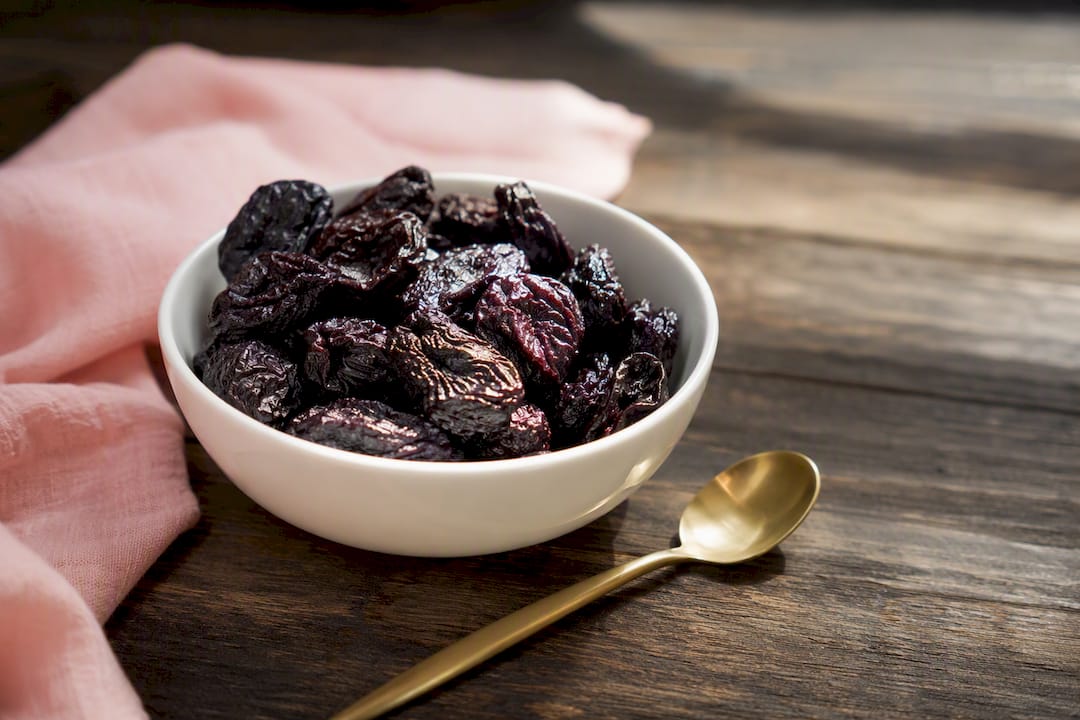
1. Prunes (dried plums). Prunes combine sorbitol, a sugar alcohol your gut absorbs poorly, with a solid dose of fiber. That pairing draws water into the colon while adding bulk, a one-two punch that research on food-based constipation therapy has flagged for decades. Stick to 4 to 6 prunes a day. Eating a whole bag because “they’re just fruit” is how people end up with cramping instead of relief.
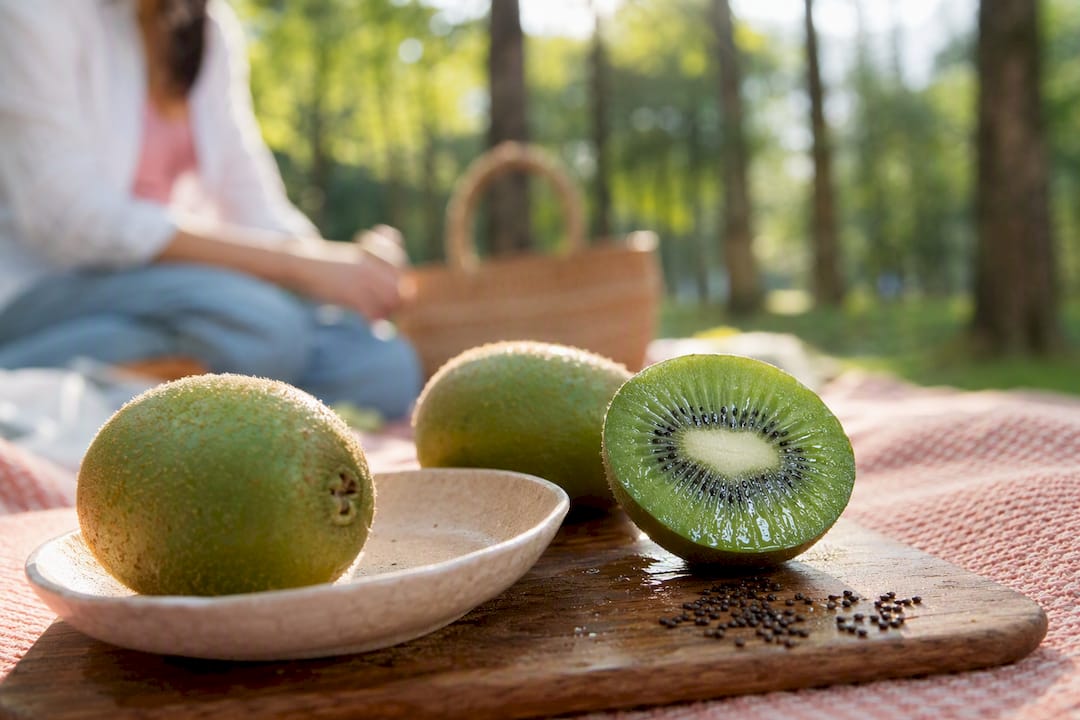
2. Kiwifruit. Two green kiwis a day is the dose used in most clinical trials, and it holds up well. Kiwifruit contains actinidin, an enzyme that helps break down protein and appears to support smoother digestion, plus a decent load of pectin fiber. What sets kiwi apart is tolerability. It tends to cause less gas and bloating than bulk-forming supplements, which is worth knowing if psyllium has ever left you uncomfortable.
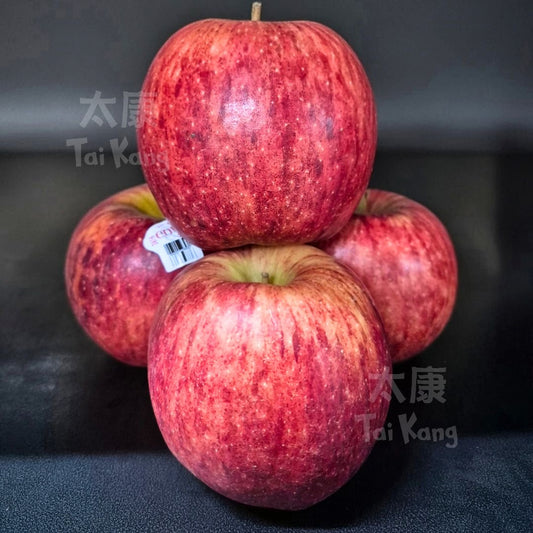
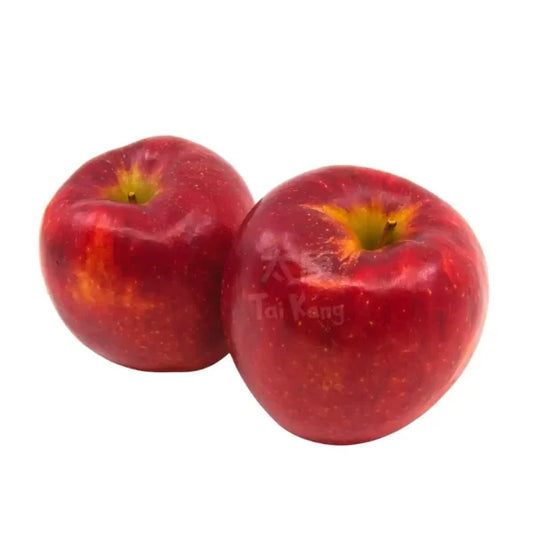
3. Pears and apples. Both lean on pectin and natural sorbitol. Eat them with the skin on. A medium apple with skin carries about 4.5 grams of fiber, and a medium pear runs closer to 5.5 grams. Peel either one and you lose a meaningful chunk of that fiber along with most of the pectin. One caveat: both fruits are high in fructose and sorbitol, common triggers for people with FODMAP sensitivities.
4. Figs and other dried fruits. Dried fruit concentrates everything, fiber, sugar, and sorbitol alike, into a small package. Three to five dried figs is plenty. Treat a handful of dried fruit like a supplement dose, not a snack you eat by the fistful while watching television.
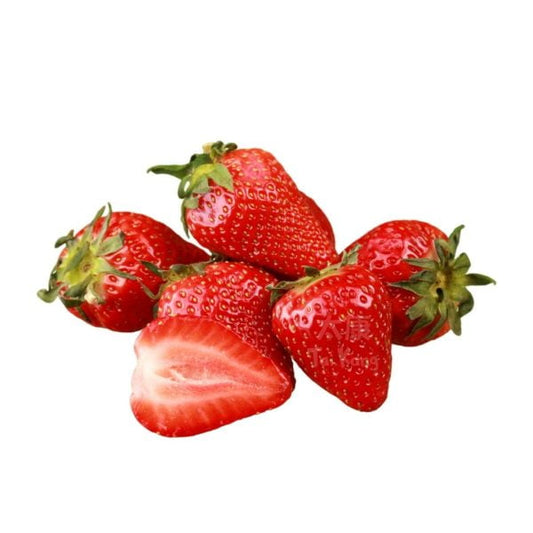
5. Berries. Raspberries and blackberries are among the densest fiber sources in the produce aisle, with raspberries delivering roughly 8 grams of fiber per cup. Strawberries offer less fiber but more water content, useful on their own merits. Toss a cup into oatmeal or yogurt and you have covered a real chunk of your daily target without noticing.
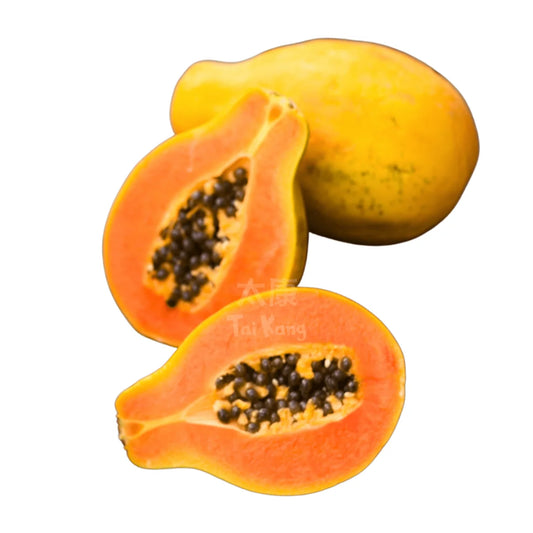
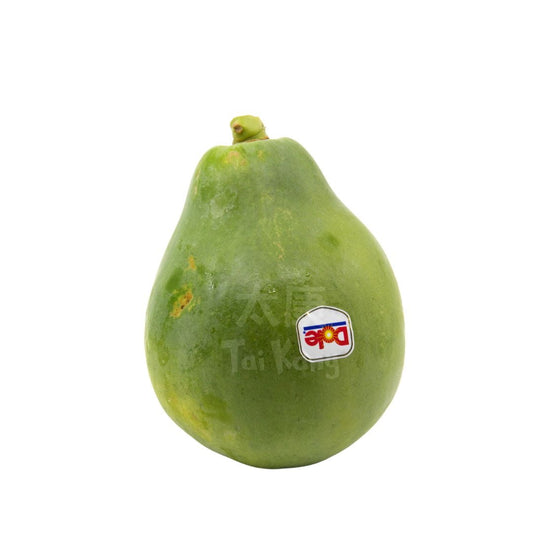
6. Papaya, mango, and avocado. Papaya brings papain, an enzyme with a reputation for easing digestion, though the evidence here is thinner than kiwi’s; learn more about the benefits of Caribbean superfoods for your health. Mango adds fiber and hydration in one package. Avocado is the outlier: low in sugar, high in both fiber and healthy fat, and useful for readers managing constipation alongside blood sugar concerns. None of these three is a headline act, but they round out a week of fruit so you’re not eating the same three things on rotation.
Why Fruit Relieves Constipation: Fiber, Sorbitol, and Enzymes
Fruit fights constipation through a handful of distinct mechanisms, and knowing which one applies helps explain why some fruits work faster than others for you specifically.
- Soluble fiber dissolves into a gel that softens stool. Apples and pears supply it as pectin.
- Insoluble fiber adds bulk that speeds transit. Berry seeds and fig skins are good sources.
- Sorbitol pulls water into the colon by osmosis. Prunes and pears carry the most.
- Enzymes like actinidin in kiwifruit and papain in papaya may ease protein digestion and support smoother motility.
- Polyphenols, plant compounds found in berries and prunes, appear to support a favorable gut microbiome, which plays into stool consistency over time.
Fiber recommendations sit at 25 to 30 grams a day for women and 30 to 38 grams for men, and most adults fall well short of that. The gap between that target and typical intake is exactly where a couple of daily fruit servings can close the distance.
How to Add Fruit Safely Without Backfiring
Ramping up fiber too fast is the single most common way people sabotage their own progress. Follow a pace instead of a leap.
- Calculate your gap. If you eat roughly 15 grams of fiber a day now and need 30, you have 15 grams to add, not zero.
- Add about 5 grams every few days. One serving of berries or a pear roughly covers that increment, per Harvard Health’s fiber guidance.
- Match it with water. Fiber without fluid can make things worse, not better, since it needs water to do its job in the colon.
- Keep a bottle nearby. A refillable water bottle at your desk does more for consistency than any app reminder.
- Watch for gas or bloating. If it shows up, hold your current fiber level for a few days before increasing again. If loose stools or cramping persist beyond a week, or you notice a worsening pattern rather than an improvement, that’s worth mentioning to your doctor.
Pro Tip: Pair your fruit with a protein or fat, like pear slices with cheese or berries in yogurt. It slows the sorbitol’s effect just enough to avoid the “too much too fast” stomach reaction.
When to Be Cautious With Certain Fruits
Fruit is not universally gentle. Apples, pears, and stone fruits sit high on the FODMAP list, meaning they can trigger bloating or cramping in people with irritable bowel syndrome. If that’s you, kiwifruit and berries in modest portions tend to be better tolerated starting points, since they carry a lighter FODMAP load.
Juice deserves its own warning. A cup of prune juice concentrates the sorbitol from several whole prunes with none of the fiber to buffer it, which is exactly how people wind up caught off guard. Treat concentrated juice and large piles of dried fruit as occasional tools, not daily habits.
Certain symptoms are not something fruit or fiber will fix, and they call for medical attention regardless of what you’ve been eating:
- Blood in the stool
- Severe or worsening abdominal pain
- Unexplained weight loss
- A sudden, prolonged change in bowel habit
The NIDDK’s guidance on constipation is a solid starting reference if any of these apply to you.
What the Clinical Evidence Actually Shows
The trial data on fruit and constipation is more specific than most articles let on, and it points fairly clearly toward two front-runners.
A systematic review and meta-analysis found that fruit as a category increased stool frequency compared with psyllium, the standard fiber supplement used in most trials. The kiwifruit subgroup specifically showed a mean increase of about 0.36 bowel movements per week compared with psyllium, a modest but consistent effect across the trials reviewed. Separate kiwifruit-specific RCTs back this up, showing improved stool consistency alongside the frequency gains, generally with fewer digestive side effects than supplement-based fiber.
Prunes tell a slightly messier story. Some trials show prunes outperforming psyllium on stool frequency and consistency, while others land closer to a tie. The NIDDK’s constipation treatment overview reflects that mixed picture rather than overselling prunes as a guaranteed fix.
The practical takeaway: start with kiwifruit or prunes, since they carry the strongest trial support, then track how your body responds over one to two weeks before deciding what stays in rotation.
Getting Reliably Fresh, High-Quality Fruit
None of this dosing advice matters if the fruit sitting in your kitchen is three days from spoiling or was picked underripe and never developed full flavor or fiber content. Taikanghealthyfruits sources fresh produce from trusted growers, inspects each batch for quality, and stores everything in temperature-controlled conditions before it reaches your door.
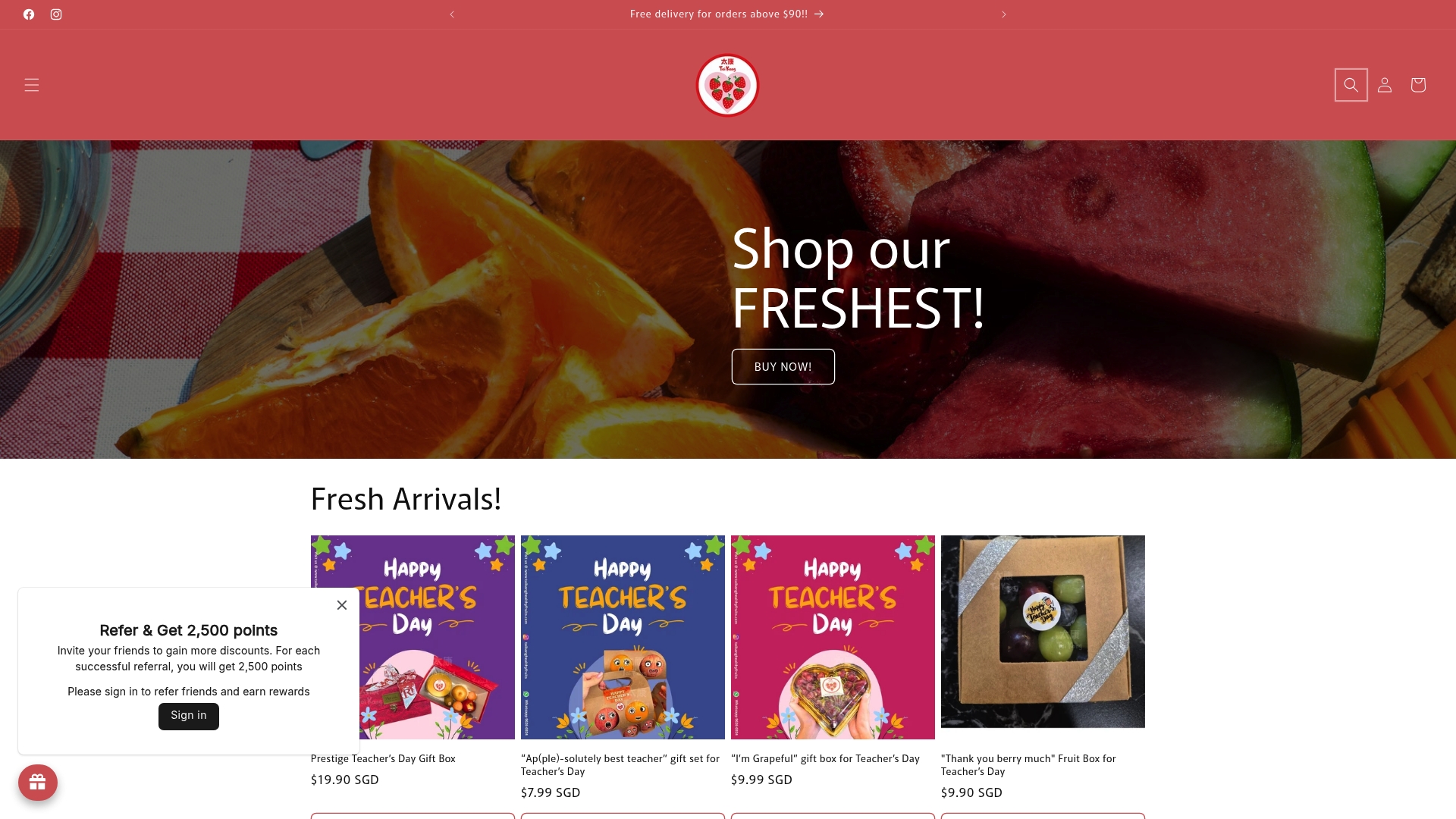
- Curated fruit boxes for readers who want variety without guesswork, like the Fruitastic Basket
- A bi-weekly subscription plan for anyone building a consistent fiber routine
- Home delivery, backed by a 4.85-star customer rating from 46 reviews
Pro Tip: If you’re testing the kiwi-and-prune approach from this article, a subscription box takes the “did I run out” problem off your plate entirely.
The Gap Between Fruit Advice and What Actually Works
Most constipation content treats fruit as an afterthought tacked onto a list of laxatives and supplements. That’s backward. The trial data on kiwifruit specifically rivals or beats what you’d get from a fiber supplement, and it does it with a food most people already like eating.
Where conventional advice really falls short is dosing precision. “Eat more fiber” is technically true and practically useless. Two kiwis. Four to six prunes. A cup of berries. Those numbers are what turn a vague health tip into something you can actually act on tomorrow morning.
If you take one thing from this guide, prioritize consistency over intensity. A modest, steady fruit habit, the same two kiwis every morning for three weeks, outperforms a dramatic one-time fiber overload that leaves you bloated and reaching for supplements you’ll abandon by Friday. Fruit works slowly and cumulatively, closer to a habit than a remedy.
— Tai
Try Taikanghealthyfruits for Your Daily Fruit Routine
Building a fruit-based routine only works if the fruit itself holds up, and that’s where a lot of grocery runs fall short: half-ripe pears, bruised kiwis, prunes that have sat on a shelf too long. Taikanghealthyfruits solves that gap directly, with every order inspected for quality and kept in temperature-controlled storage until it reaches your door, so the fiber and freshness you’re counting on are actually still there.
For readers ready to put this guide into practice, the Fruitastic Basket is a practical starting point, a mix of fruits that lets you test kiwi, pear, and berry servings in one order without committing to a full week of shopping. If the plan works for you, the bi-weekly subscription keeps your kitchen stocked automatically, so a consistent fiber habit doesn’t depend on remembering to restock. Browse the full selection and place your first order at Taikanghealthyfruits.
Sources
- Foods, drinks and diets and their effect on chronic constipation in adults (systematic review and meta-analysis)
- The facts on fiber — Harvard Health
- Food as medicine: constipation — CHOP
- Chart of high-fiber foods — Mayo Clinic
- Eating, diet, and nutrition — NIDDK
Recommended
- Fruit and Wellness: How Different Fruits Boost Your Health – Tai Kang Healthy Fruits
- Fruit and Wellness: How Different Fruits Boost Your Health – Tai Kang Healthy Fruits
- How to Store Fresh Fruits and Keep Them at Their Best – Tai Kang Healthy Fruits
- The Ultimate Guide to Storing Your Fruits for Maximum Freshness – Tai Kang Healthy Fruits