
How to Avoid Bruised Fruit Delivery: A Guide to Premium Freshness
Imagine the disappointment of opening a Premium Fruit Gift Box only to find soft, brown spots on every Yamanashi Peach. It's more than just a waste of money; it's a moment of genuine embarrassment when sending a gift to a business partner or loved one. We all know the frustration of poor handling that turns a healthy treat into a bruised mess. You deserve the vibrant quality of Korean Shine Muscat Grapes or USA Envy Apples exactly as they were picked from the branch.
You don't have to settle for damaged produce or unreliable shipping. Learning how to avoid bruised fruit delivery starts with identifying vendors who prioritize hand-selection over automated processing. When you know what standards to look for, you can ensure every piece of fruit arrives in pristine condition. High-quality fruit is an investment in your health and your professional relationships, so it's vital to get it right.
This guide will show you how to recognize quality delivery standards and handle your fresh produce once it reaches your door. We'll explore the importance of specialized cushioning and temperature control to help you receive gift-grade fruit every time. From Japanese Musk Melons to Thai Honey Mangoes, you'll learn the secrets to maintaining premium freshness from the farm to your table.
Key Takeaways
- Identify the scientific causes of fruit damage, including how ethylene gas and cell wall rupture affect your produce during transit.
- Learn how to avoid bruised fruit delivery by selecting vendors that prioritize hand-selection over automated warehouse picking.
- Understand the role of protective packaging, such as individual foam netting and rigid boxes, in maintaining the integrity of premium fruit.
- Master a simple inspection routine to perform upon arrival to ensure your fresh fruit meets the highest quality standards.
Understanding Why Fruit Bruises During Delivery
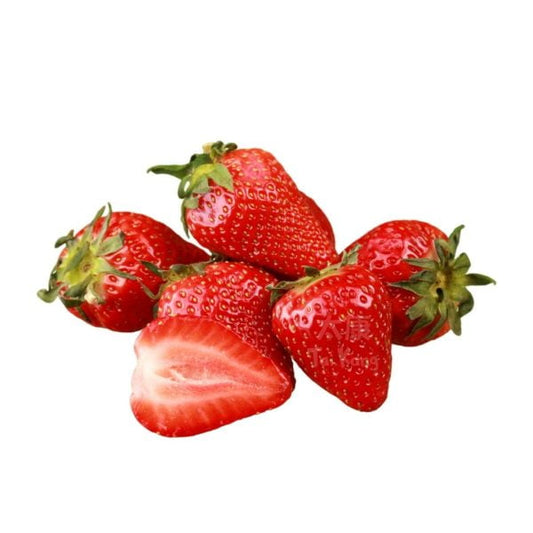
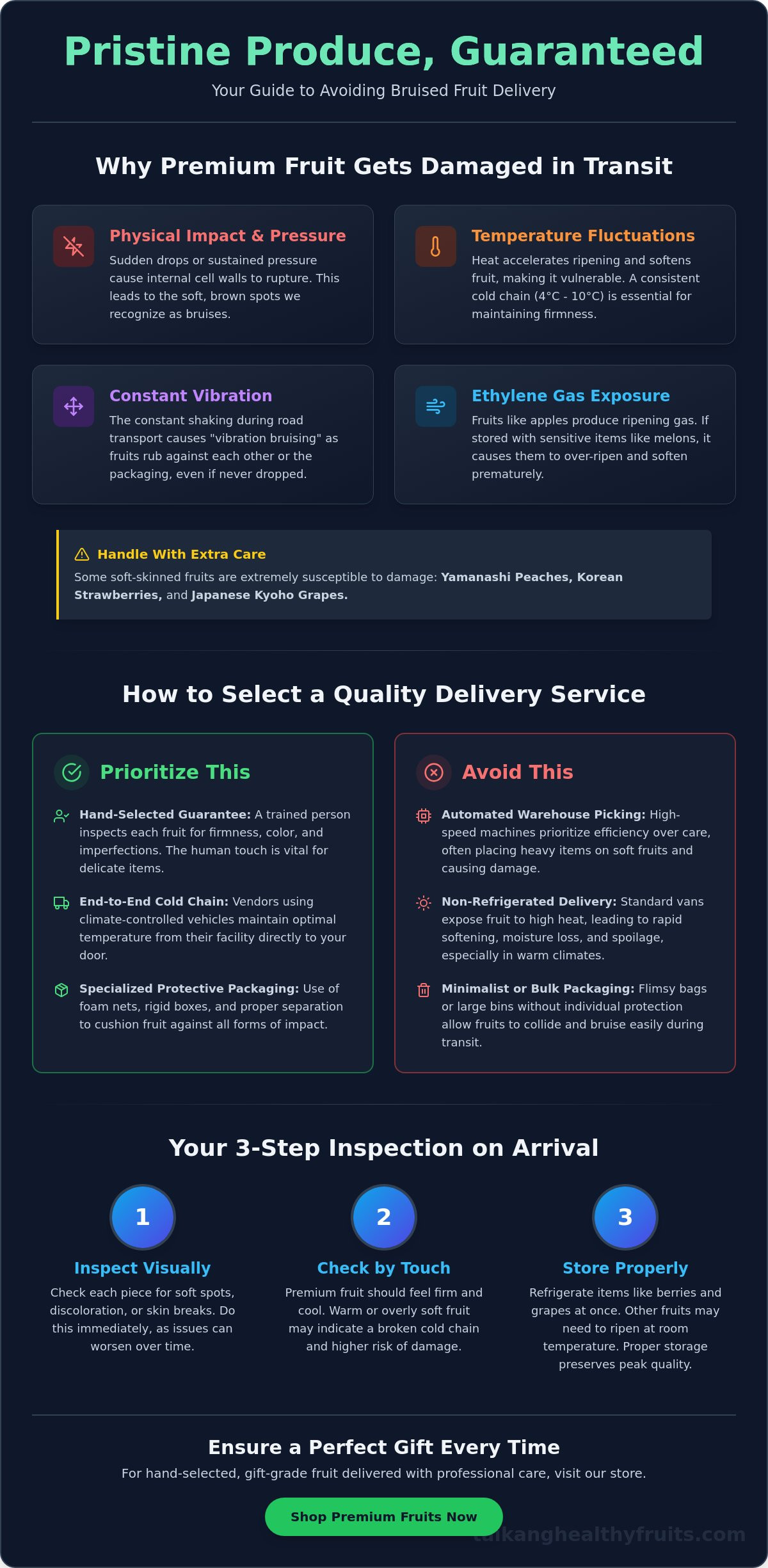
Freshness is a fragile state. A bruise is more than a cosmetic mark; it is an internal cell wall rupture. This damage occurs when fruit experiences sudden impact or sustained pressure. When these cells break, the fruit's internal structure collapses, leading to the soft, dark spots we recognize as bruising. High-risk "soft-skin" fruits like Yamanashi Peaches, Korean Strawberries, and Japanese Kyoho Grapes are especially vulnerable to this process. When you are choosing quality fruit, you want a surface that is firm and intact. Understanding the biological vulnerability of these items is the first step in learning how to avoid bruised fruit delivery.
To better understand how careful handling prevents damage, watch this helpful video:
Temperature fluctuations also play a major role in fruit health. Heat increases the metabolic rate of the produce. This causes the fruit to soften quickly, which weakens its natural defenses against physical stress. A consistent cold chain is not just for food safety. It is essential for maintaining the structural integrity of the fruit during its journey to your door.
The Science of Impact and Vibration
Constant road vibration can cause "vibration bruising" even if a box is never dropped. This happens in bulk loads where fruits rub against each other for hundreds of miles. There is a clear difference between compression damage from stacking and impact bruising from rough handling. Hand-delivered smaller batches are significantly safer for delicate items. They bypass the aggressive sorting machines and conveyor belts found in large, automated logistics hubs.
Ethylene and Over-Ripening
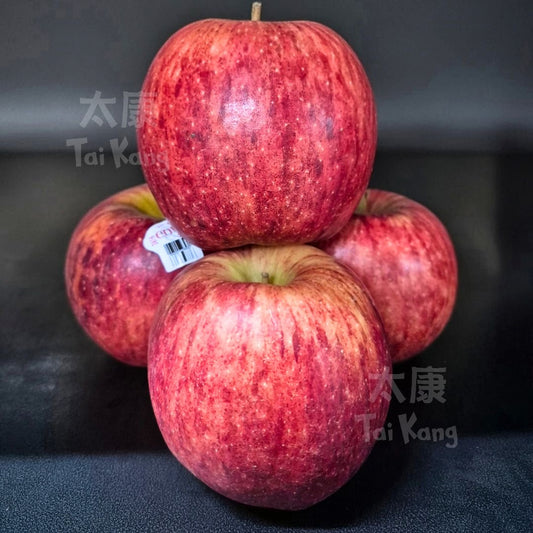
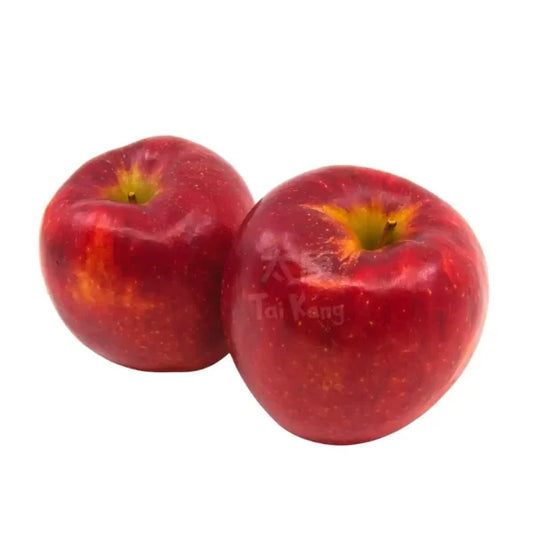
Ethylene is a natural ripening hormone that exists as a gas. Fruits like USA Envy Apples are high ethylene producers. This gas signals other fruits to soften and ripen at an accelerated pace. If these apples are stored too close to a sensitive Japanese Musk Melon during transit, the melon will soften prematurely. This makes it much easier to bruise during the final miles of transit. Professional vendors use specialized knowledge of how to avoid bruised fruit delivery by separating these varieties in the delivery vehicle.
How to Choose a Delivery Service That Prioritizes Integrity
Selecting the right vendor is the most critical decision you will make. Many large-scale retailers rely on automated warehouse picking. In these high-volume environments, machines prioritize speed over delicate handling. This often results in heavy items being placed on top of soft ones. To understand how to avoid bruised fruit delivery, you should look for services that offer a "Hand-Selected" guarantee. This ensures that a trained person has physically inspected every item before it ever enters the box.
The Importance of Hand-Selection
A human eye can spot the subtle signs of early softening that a machine might miss. Gift-grade fruit must meet strict visual and tactile criteria. This means checking for consistent color, firm texture, and the absence of skin breaks. When you browse our new arrivals, you are seeing produce that has undergone rigorous quality checks. This level of care is essential for delicate items like Yamanashi Peaches or Korean Strawberries. Machines cannot feel the "give" in a peach, but a specialist can.
Cold Chain Logistics in Singapore
Singapore’s tropical climate is a significant challenge for fresh produce. Maintaining a steady temperature between 4°C and 10°C is critical for berries and grapes. If a delivery van lacks climate control, heat exposure causes immediate cell breakdown in the fruit. Research into reducing bruising in transit shows that cooler fruit is physically more resilient to vibration. For a deeper look at local standards, refer to our Premium Fruit Delivery Singapore guide.
Corporate gifting requires even higher standards. An embarrassed sender is a lost customer, so specialized vendors treat every order like a high-stakes presentation. You should also prioritize vendors who offer direct-to-door delivery. Every time a box changes hands or moves through a logistics hub, the risk of damage increases. Direct delivery minimizes these handling points and keeps the fruit in a controlled environment for longer. If you are looking for a reliable gift that arrives in pristine condition, you might consider a Premium Fruit Gift Box for your next occasion.
Protective Packaging: The Secret to Pristine Fruit
Packaging is the final line of defense between the farm and your table. Simple plastic bags or thin cardboard offer no protection against external pressure or shifting loads. Instead, rigid boxes are designed to absorb the physical shocks of transit. This engineering is a key technical aspect of how to avoid bruised fruit delivery. We use individual foam netting for heavy items like melons to prevent them from rolling and colliding. Moisture-absorbent liners are also vital. They manage humidity levels within the box to prevent mold and premature skin softening. Every layer of protection is intentional and serves a specific safety purpose.
Compartmentalized boxes offer another level of security. By using internal dividers, we prevent different types of produce from knocking against each other. This is especially important when mixing firm items with delicate ones. A sturdy apple should never be allowed to press against a soft peach during a journey. Proper spacing ensures that every piece of fruit remains as perfect as the moment it was packed.
Protecting Luxury Items
Certain fruits require bespoke solutions to maintain their integrity. For example, Japanese Musk Melons are both heavy and fragile. They require specific cradling to distribute their weight evenly and prevent flat spots. For premium grapes, we create an "air-cushion" effect using specialized wraps. This prevents individual berries from detaching or crushing under their own weight. Our Gift Box structure is built around these needs. It uses reinforced walls and custom inserts to keep every item secure, no matter the distance of the delivery.
Sustainable vs. Protective Materials
We balance environmental responsibility with the absolute need for fruit safety. High-density cardboard is superior for stacking integrity. It does not buckle under the weight of other parcels in a delivery vehicle. Specialized Fruit Hampers use aesthetic padding that is also highly functional. This padding fills the gaps between fruits to act as a shock absorber. There are no unnecessary additives or complex plastics. We use straightforward, high-quality materials to mirror the purity of the fruit itself. To see these standards in action, you can explore our full range of premium fresh fruit offerings today.
Step-by-Step: Handling Your Fruit Delivery on Arrival
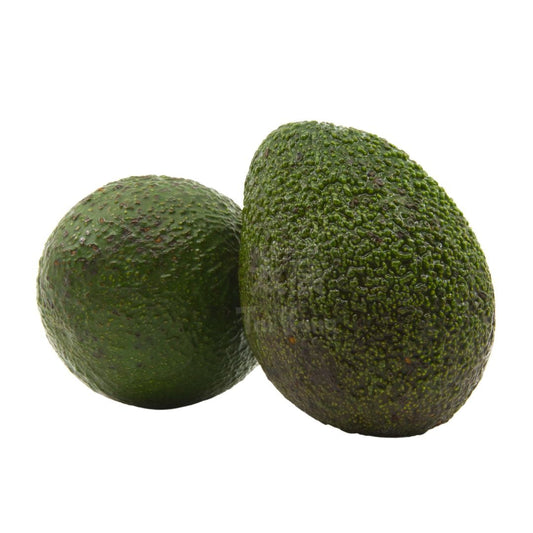
The arrival of a Premium Fruit Gift Box is an exciting moment. However, the first five minutes are crucial for ensuring the integrity of your produce. Performing an immediate visual check while the delivery driver is still present is the best way to address potential issues. This proactive step is a key part of how to avoid bruised fruit delivery success. Gently feel for soft spots on high-risk items like Hass Avocados or Yamanashi Peaches. If you notice any significant damage, document it immediately with a clear photograph.
Once inside, don't rush the fruit into the fridge. Transition the produce from the delivery temperature to your home environment gradually. Sudden temperature shifts can cause condensation, which leads to skin softening and cell breakdown. You should also remove any plastic wrapping or non-breathable covers. These trap excess moisture and create an environment where mold can thrive. Understanding how to avoid bruised fruit delivery doesn't end when the box is handed to you; it continues until the fruit is safely stored.
The 5-Minute Inspection Routine
A structured inspection ensures nothing is overlooked. Focus on these specific areas to verify freshness:
- Check the "crown" of Japanese Musk Melons; it should be firm and free of dark discoloration.
- Inspect the stems of Korean Shine Muscat Grapes; green, hydrated stems indicate peak freshness, while brittle stems suggest age.
- Look for "weeping" or juice at the bottom of berry containers, which signals over-ripening or crush damage during transit.
- Check the base of USA Envy Apples for any signs of compression from stacking.
Optimal Home Storage
Proper storage prevents "self-bruising" once the fruit is in your care. Keep delicate items in a single layer rather than stacking them in a deep bowl. This prevents the weight of the top layer from crushing the fruit at the bottom. For stone fruits like Yamanashi Peaches, let them finish ripening on the counter before moving them to the refrigerator. For more specific advice on different varieties and their peak times, see our Seasonal Fruits in Singapore guide. Maintaining these high standards at home ensures you enjoy every piece of fruit in pristine condition.
Enjoy Pristine Freshness Every Time
Securing the highest quality produce requires a combination of expert handling and personal care. You now understand the science behind cell wall rupture and the importance of separating ethylene-producing fruits. By choosing a service that emphasizes hand-selection over automation, you take the most important step in learning how to avoid bruised fruit delivery. Remember to inspect your items upon arrival and prioritize single-layer storage to maintain that gift-grade integrity.
We take immense pride in the natural purity of our offerings. Every piece of fruit is hand-selected by experts to ensure it meets our rigorous standards. We use specialized protective packaging and a dedicated cold chain delivery system to protect your investment from heat and vibration. You don't have to worry about wasted money or damaged gifts when you prioritize professional standards. Shop our hand-selected, bruise-free premium fruit collection today and experience the difference that genuine care makes. Your journey toward better health and premium quality starts with produce that arrives exactly as nature intended.
Frequently Asked Questions
What should I do if my fruit arrives bruised?
Document the damage immediately by taking clear photos while the delivery driver is present. Contact the vendor's customer support team within minutes of arrival to report the issue. Professional services value transparency and will typically offer a replacement or credit for damaged goods. Taking quick action is a vital part of your strategy for how to avoid bruised fruit delivery becoming a frustrating loss.
Which fruits are most likely to bruise during delivery?
Soft-skinned fruits like Yamanashi Peaches, Korean Strawberries, and Hass Avocados are the most susceptible to transit damage. These items have delicate cell structures that rupture easily under pressure or impact. Japanese Kyoho Grapes also require specialized handling to prevent individual berries from detaching. Thicker-skinned fruits like Australian Honey Murcott Mandarins or USA Envy Apples are naturally more resilient to road vibrations during their journey.
Does expensive packaging actually prevent bruising?
Yes, specialized protective packaging is the most effective way to maintain the structural integrity of your produce. Rigid boxes and individual foam netting absorb physical shocks that would otherwise cause internal cell wall rupture. High-density cardboard also prevents the box from buckling when stacked in a delivery vehicle. Investing in these high-quality materials is the most reliable method for how to avoid bruised fruit delivery for luxury items.
Is it better to order fruit in a box or a hamper?
A rigid gift box is the superior choice for protection, while a hamper is often chosen for its visual appeal. A Premium Fruit Gift Box uses internal dividers to keep each item secure and separate. This prevents fruits from knocking against each other during transit. Customized Fruit Hampers can be safe, but they require much more functional padding to ensure the items don't shift or compress during the journey.
How can I tell if a melon is bruised without cutting it?
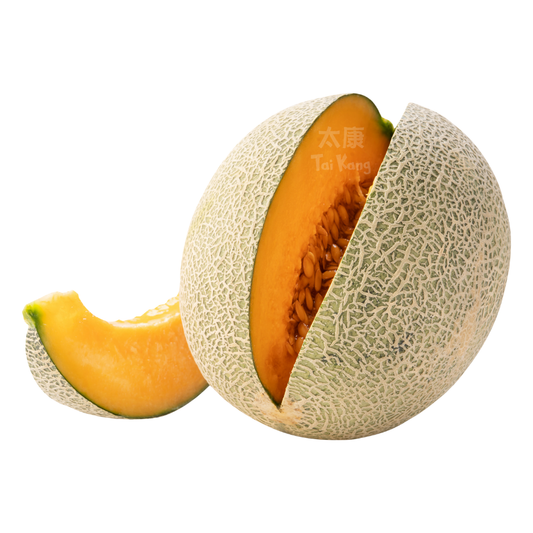
Check the rind for dark discoloration or spots that feel "spongy" to the touch. A healthy Japanese Musk Melon should be firm and heavy with a consistent net pattern. Gently press the area around the stem; excessive softness or moisture indicates internal damage. You should also look for flat spots on the base, which suggest the melon was stored without a proper protective cradle during the shipping process.
Can I still eat fruit that has a small bruise?
You can safely eat fruit with small bruises by simply cutting away the softened area. A bruise is just a group of ruptured cells and does not necessarily mean the whole fruit is bad. However, the flavor and texture in that specific spot may be less desirable. If the skin is broken or you notice an unusual smell, it's better to discard the item to avoid food safety risks and ensure you only consume the best quality.