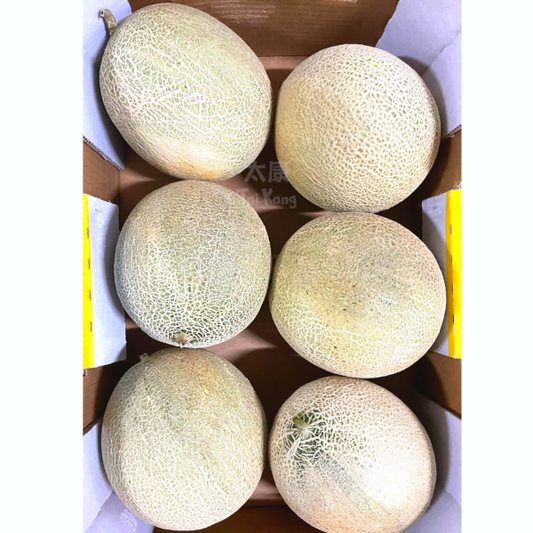

Is Premium Fruit Worth the Price? A 2026 Guide to Luxury Produce
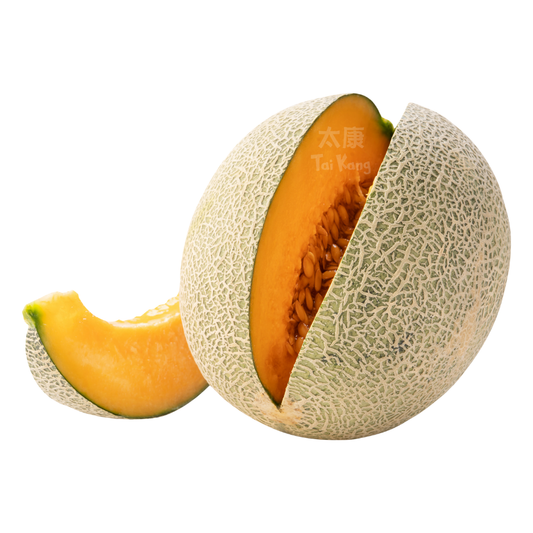
Why does a single Japanese Musk Melon command a price ten times higher than a standard supermarket variety? You've likely felt the sting of paying a premium only to receive bruised, flavorless fruit that doesn't live up to the marketing hype. It's frustrating to invest in your health only to feel like you're paying for a fancy label rather than actual quality. You want produce that's safe, pure, and genuinely superior in taste. This guide helps you decide: is premium fruit worth the price? We'll examine the craftsmanship and peak-ripeness harvesting that defines true luxury produce.
The 2026 landscape for food in Singapore has changed. With the Food (Amendment) Regulations 2025 now in full effect as of January 30, 2026, understanding what goes into your food is more important than ever. We'll explore the tangible differences in nutrition and flavor found in items like Korean Strawberries and Australian Honey Murcott Mandarins. You'll gain a clear framework to distinguish between marketing fluff and authentic quality. This ensures every dollar spent on a premium fruit gift box or a corporate wellness fruit box delivers the sensory experience you deserve.
Key Takeaways
- Learn how specialized agricultural techniques like the "one-fruit-per-vine" method concentrate nutrients and flavor into a single Japanese Musk Melon.
- Use the Brix scale to measure sweetness and help you decide if premium fruit is worth the price based on guaranteed sensory consistency.
- Understand the cultural significance of gifting luxury produce and the emotional impact of receiving a hand-selected premium fruit gift box.
- Discover how to identify reputable vendors in Singapore by checking for "Arrival Date" stamps and temperature-controlled delivery.
The Agricultural Craftsmanship: Why Premium Fruit Costs More
True premium produce represents a level of agricultural artistry that standard farming simply doesn't reach. It's a category defined by extreme human intervention and rigorous grading. Many consumers ask: is premium fruit worth the price? The answer becomes clear when you see the labor behind a Japanese Musk Melon. These fruits don't grow by chance. They're the result of meticulous care and a commitment to quality over quantity.
To better understand this concept, watch this helpful video:
In premium viticulture, such as with Japanese Kyoho Grapes, the process is incredibly hands-on. Farmers often hand-pollinate individual flowers and even 'massage' the fruit to ensure uniform growth. This level of attention ensures that every grape in a bunch meets a specific size and sweetness profile. Unlike industrial farming that uses open fields, these premium varieties often grow in sophisticated greenhouses. This technology protects the fruit from pests and harsh weather. It maintains a pure environment and ensures the integrity of the harvest.
Grading Standards and Authenticity
The high cost of luxury produce is tied to international food grading standards and regional certifications. In Japan, fruits are sorted into tiers like 'Yuki' (Organic) or 'Special' based on appearance, sugar content, and size. Authenticity is vital for trust. Premium labels often include origin tracking from famous regions like Yamanashi for peaches or Shizuoka for melons. These regions have unique soil and climate conditions that define the fruit's character. You aren't just buying fruit; you're buying a piece of a specific terroir.
The Cost of Peak-Ripeness Harvesting
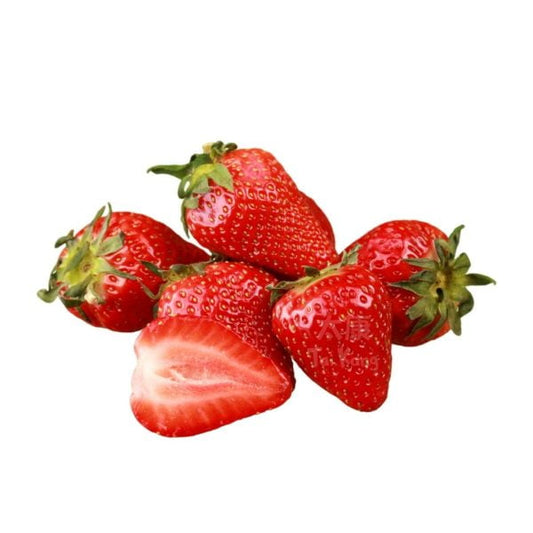
Supermarket fruit is often picked green to survive long sea voyages. This prevents the fruit from reaching its full flavor potential. Premium fruit, such as Korean Strawberries or Yamanashi Peaches, stays on the branch until it reaches its sugar peak. Air-freight logistics preserve the volatile aromatic compounds that are usually lost during weeks of sea shipping. Immediate cold-chain delivery protects the delicate cell structure of the fruit. This ensures the texture remains firm and juicy when it reaches your home. You can explore these seasonal arrivals in our premium fruit collection.
The Sensory ROI: Brix Levels, Texture, and Consistency
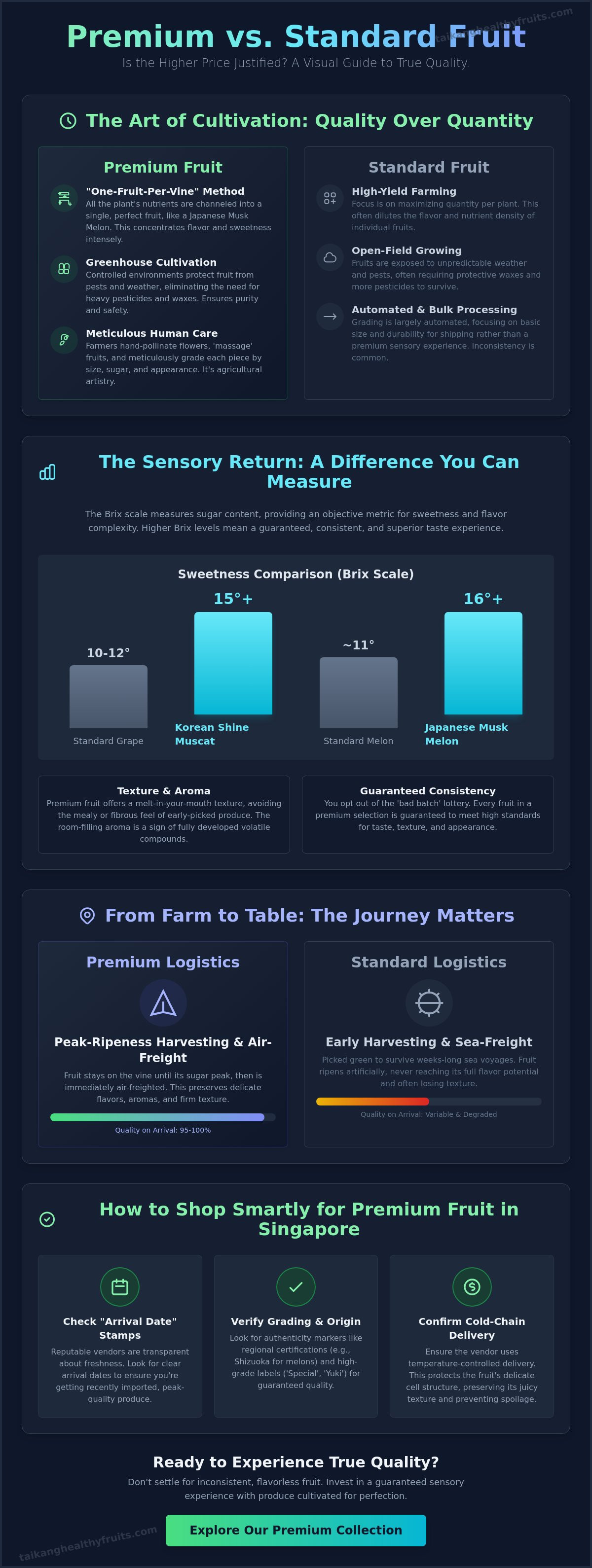
When evaluating if is premium fruit worth the price, you must look beyond the sticker. The return on investment lies in the sensory experience. High-end produce offers a level of consistency that mass-market fruit cannot match. This begins with the Brix scale, which measures the sugar content in a liquid solution. A standard grape might reach 10 or 12 Brix. In contrast, a Korean Shine Muscat often hits 15 or higher. This creates a fundamentally different flavor profile. It's not just sweeter; it's more complex. These measurements aren't just marketing numbers. They align with Brix level quality standards set by international bodies to ensure consumer satisfaction.
Texture defines the premium experience. A Yamanashi peach has a melt-in-your-mouth quality. Mass-market stone fruits often feel mealy or fibrous because they were harvested too early. Aromatics also play a role. A single Japanese Musk Melon can fill an entire room with its perfume. Standard produce often lacks this aromatic depth because the volatile compounds haven't fully developed. When you choose luxury fruit, you're opting out of the 'Bad Batch' lottery. You won't find a mealy peach or a tasteless strawberry in a curated selection. If you're ready to experience this difference, browse our latest seasonal arrivals.
Nutritional Density and Purity
High-end greenhouse cultivation prioritizes purity. Soil-managed orchards often boast higher mineral content because the land isn't over-farmed. Because these fruits grow in controlled environments, there's no need for chemical waxes or heavy pesticides. This results in a cleaner, more nutrient-dense product. Stress-free growth environments allow plants to focus energy on producing antioxidants rather than fighting off pests. You get a product that is as healthy as it is delicious.
Premium vs. Standard Fruit Comparison
Consider the edible-to-waste ratio. Premium fruits like Australian Honey Murcott Mandarins often have thinner skins and fewer seeds. This means you get more actual fruit for every gram you buy. While standard fruit might have a longer shelf-life due to chemical treatments, premium fruit focuses on immediate quality. The sugar content is higher, the skin is thinner, and the flavor is guaranteed. You can learn more about these specifics in our Japanese Musk Melon Guide. This comparison shows that you aren't just paying for a label. You're paying for a superior biological product.
The Value of Gifting and Emotional Connection
A gift of fruit is a gift of health. In many Asian cultures, presenting high-quality produce is a universal language of respect and sincerity. It doesn't contain the empty calories of processed sweets. It doesn't carry the polarizing nature of alcohol. When you ask if is premium fruit worth the price, consider the psychological impact on the recipient. Receiving a hand-selected premium fruit gift box signals that you value the other person's well-being. It shows you've chosen something pure, natural, and exceptionally rare.
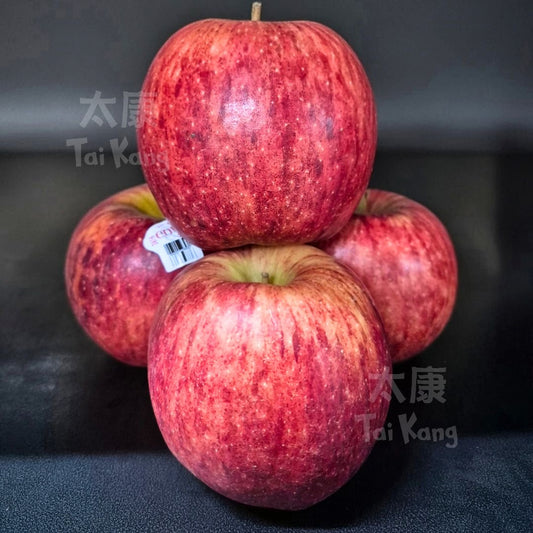
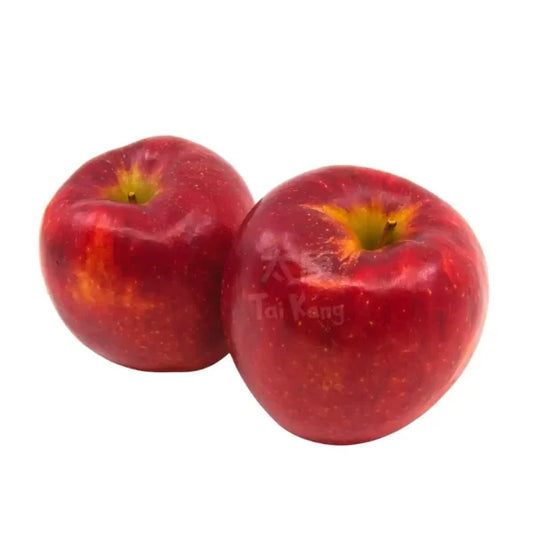
This signaling is especially powerful in a professional context. Corporate wellness fruit boxes are becoming a preferred way to boost office morale. They suggest a brand that cares about quality and longevity. Unlike traditional floral arrangements that fade in days, a box of USA Envy Apples or Thai Honey Mangoes provides a shared sensory experience for a whole team. High-end fruit meets rigorous quality metrics, similar to the U.S. Grade Standards for fruit, ensuring that your professional reputation is never compromised by a sub-par gift.
Sustainability and Ethical Sourcing
Choosing luxury produce often means supporting small-scale heritage farmers. These master growers prioritize traditional methods over industrial monocultures. Your investment ensures fair wages for those who spend years perfecting a single crop. Direct-to-consumer models also reduce food waste through precision ordering. This ensures that every Japanese Kyoho Grape or Hass Avocado is grown with a specific destination in mind. It's a more ethical way to enjoy nature's bounty.
Curating the Perfect Gift
The best gifts follow the rhythm of the seasons. You might choose Korean Strawberries in the winter or juicy Yamanashi Peaches during the summer months. The unboxing experience matters just as much as the taste. This is why our fruit hampers emphasize elegant presentation and protection. We offer customization options to suit different dietary needs and special occasions. Whether it's for a birthday or a corporate milestone, a curated selection of fruit is always appropriate. Browse our gift box collection to find the perfect gesture for your next occasion.
How to Smartly Shop for Premium Fruit in Singapore
Buying luxury produce in Singapore requires a strategic approach. The tropical heat is the greatest enemy of freshness. When you wonder if is premium fruit worth the price, the answer often depends on post-harvest handling. Always look for vendors who provide "Arrival Date" stamps and clear origin transparency. A reputable seller won't hide the source of their Yamanashi Peaches or Korean Strawberries. They'll show pride in the farm's heritage and the fruit's journey.
Temperature-controlled delivery is vital. Physical stalls in open-air markets often expose delicate fruits to fluctuating temperatures. This causes rapid dehydration and flavor loss. Online delivery services that use refrigerated transport ensure the cold chain remains unbroken. This preserves the cell structure and aromatic complexity we discussed earlier. Understanding seasonality is also essential. Don't pay top prices for fruit that is out of its natural peak window. Nature doesn't rush. Your purchasing decisions shouldn't either. Our fruits don't sit in the heat. They don't lose their natural purity. They don't arrive bruised or neglected.
Red Flags to Avoid
- Beware of "Japanese-style" labels. These are often grown in other regions and don't meet the same rigorous grading standards as authentic produce from Japan.
- Check the stems of Shine Muscat grapes. If the stems are brown or brittle, the fruit is dehydrated and past its prime.
- Avoid suspiciously low prices. If a "luxury" item is priced like a commodity, it's likely old stock or failed to meet quality tiers.
Maximizing Your Investment
If you're new to luxury produce, start with entry-level options. USA Envy Apples or Zespri SunGold Kiwifruit offer a consistent step up from standard varieties. To appreciate the full flavor profile, serve most premium fruits at room temperature. Chilling can sometimes mask the delicate aromatic compounds. However, always store them in the refrigerator's crisper drawer to maintain their 2026 freshness until you're ready to eat. Don't wash the fruit until the moment of consumption. This prevents premature spoilage and maintains the integrity of the skin. You can explore the new arrivals at Tai Kang Healthy Fruits to see what's currently at its peak.
Elevate Your Standards for Nature’s Finest
Choosing luxury produce is more than a purchase. It is an investment in agricultural excellence and your personal well-being. You now understand how meticulous farming techniques like hand-pollination and precise Brix measurements create a flavor profile that mass-market fruit simply cannot replicate. By prioritizing cold-chain logistics and seasonal authenticity, you ensure every bite is a moment of pure enjoyment. Deciding if is premium fruit worth the price becomes simple when you taste the difference that genuine craftsmanship makes. There's no substitute for the purity and safety of fruit grown with such dedicated care.
We specialize in Japanese and Korean seasonal rarities, ensuring you receive only the finest harvests available in 2026. Every item is hand-selected for a 100% freshness guarantee and brought to your door via direct cold-chain delivery across Singapore. Experience the difference of hand-selected premium fruits today and discover the true potential of nature’s bounty. Your journey toward a more flavorful and health-conscious lifestyle starts with a single, perfect harvest. We invite you to enjoy the wholesome luxury of fruit as it was meant to be.
Frequently Asked Questions
Is there really a taste difference between a $5 and a $50 melon?
Yes. The difference is found in the sugar concentration and aromatic complexity. A Japanese Musk Melon is grown using the one-fruit-per-vine method. This forces all the plant's nutrients into a single fruit. The result is a higher Brix level and a texture that is creamy rather than crunchy or fibrous. You aren't just paying for size; you're paying for a concentrated flavor experience that standard melons cannot achieve.
How can I tell if a fruit is actually from Japan or Korea?
You should look for specific regional labels and official origin certifications. Authentic Japanese produce often carries stickers from famous prefectures like Yamanashi or Shizuoka. Reputable vendors in Singapore will provide transparency regarding the import source. Always check for "Arrival Date" stamps on the packaging. This ensures the fruit was imported through official channels rather than being a generic variety grown in a different region.
Why is premium fruit often sold in individual boxes or padding?
Individual padding protects the delicate skin and high water content of luxury produce. Varieties like Yamanashi Peaches or Korean Strawberries are picked at peak ripeness. This makes them much more susceptible to bruising during transport. Specialized packaging ensures the fruit arrives in pristine condition with its cell structure intact. It prevents the fruit from rubbing against other items, which maintains the visual and structural integrity of your investment.
Does premium fruit have more vitamins than regular fruit?
Premium fruit often has higher nutrient density due to superior soil management and controlled growth environments. When asking is premium fruit worth the price, consider that these plants aren't over-farmed. Farmers prioritize soil health and mineral balance. This allows the plants to produce higher levels of antioxidants and vitamins compared to mass-produced industrial crops that are often grown for speed and durability rather than nutritional value.
Can I store premium fruit in the fridge like normal produce?
Yes. You should use the crisper drawer to maintain freshness. However, don't wash the fruit until the moment you are ready to eat it. Moisture on the skin can lead to premature spoilage. For the best flavor, take fruits like Japanese Kyoho Grapes out of the fridge 20 minutes before serving. This allows the aromatic compounds to reach room temperature, which provides a much fuller sensory experience.
What is the best premium fruit for a first-time buyer?
USA Envy Apples or Zespri SunGold Kiwifruit are excellent starting points for those wondering is premium fruit worth the price. These offer a consistent and noticeable upgrade in sweetness and texture over standard varieties. If you want a more exotic experience, Korean Shine Muscat Grapes are highly recommended. Their unique floral flavor and seedless, thin skin provide an immediate and undeniable justification for the higher price point.