
15 Gram Fruit Servings for Diabetes: Low Sugar Fruits and Pairings
Berries, avocado, olives, and citrus consistently land at the bottom of the sugar scale among common fruits, making them the safest everyday picks for anyone managing diabetes or cutting sugar. Whole fruit still belongs in a healthy diet even for people watching blood glucose. The real work happens at the portion and pairing stage: eat the right amount, and eat it alongside protein or fat, and even moderate-sugar fruit stops being a problem.
TL;DR:
- Olives and avocados contain the least sugar, with olives near zero and avocados around 0.7 grams per 100 grams, making them ideal low-sugar options.
- Portion size and pairing with protein or fat are crucial, as they significantly blunt blood sugar spikes from moderate-sugar fruits like berries and citrus.
- A typical fruit serving for blood glucose management is about 15 grams of carbohydrates, which generally equals three-quarters to one cup of berries or melons.
- Pairing fruit with protein, fat, or fiber consistently helps reduce glucose spikes, especially when fruit is eaten as part of a meal rather than alone.
- Regularly ordering low-sugar fruits through companies like Tai Kang ensures fresh, controlled portions that support a low-sugar diet without frequent grocery trips.
Table of Contents
- Best Low Sugar Fruits and How to Use Them
- How Much Fruit Counts as One Serving?
- Pairing Fruit With Protein and Fat Blunts the Spike
- The Nutrients You Keep When You Choose Lower Sugar Fruit
- Quick Rules for Choosing and Eating Low Sugar Fruit
- Why Tai Kang Healthy Fruits Is a Reliable Source for Low Sugar Fruit
- A Practical View on Choosing Fruit Day to Day
- Keep Low Sugar Fruit Stocked Without the Grocery Runs
- Sources
- FAQ
Best Low Sugar Fruits and How to Use Them
Not all fruit behaves the same way in your body, and the gap between the lowest and highest sugar options is bigger than most people expect. An avocado carries a fraction of the sugar found in a mango, yet both get filed under “fruit” without distinction. Here’s where the real numbers land, using sourced ranges rather than guesswork.
- Olives. Technically a fruit, and one of the few with essentially no sugar per serving. Toss them into salads or eat a handful with cheese for a savory, nearly sugar-free snack.
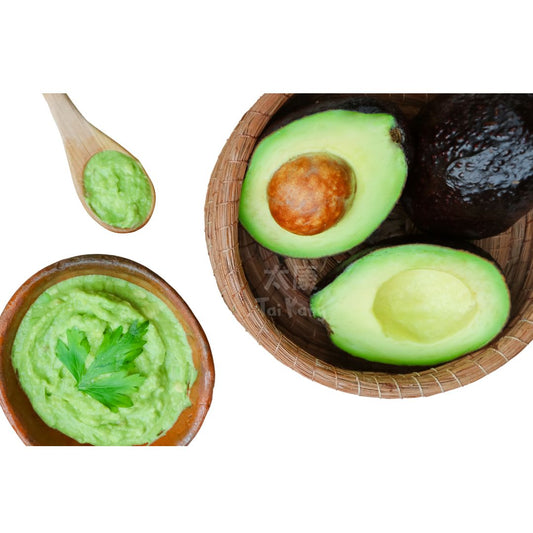
- Avocado. Around 0.7 grams of sugar per 100 grams, according to the same Healthline analysis of olives and low-sugar produce. Mash it onto toast, slice it into a salad, or blend it into a smoothie for creaminess without the sugar spike.
- Raspberries. Roughly 3.2 to 4.4 grams of sugar per 100 grams, one of the lowest counts among sweet berries, per Virginia Cooperative Extension data. A cup works well over Greek yogurt or folded into oatmeal.
- Blackberries. About 4.9 to 5.3 grams per 100 grams. High in fiber, which helps offset the natural sugar. Good frozen and blended into a low-sugar dessert.
- Strawberries. Roughly 4.9 to 6.6 grams per 100 grams, with a full cup running around 7 to 8 grams of sugar in consumer nutrition comparisons. Slice them over cottage cheese or eat plain as a snack.
- Lemons. About 2.1 to 2.5 grams of sugar per 100 grams. Rarely eaten whole, but the juice and zest add flavor to water, dressings, and marinades without adding meaningful sugar.
- Limes. Similarly low, around 1.1 to 1.7 grams per 100 grams. Squeeze into sparkling water for a low-sugar alternative to soda.
- Cranberries (fresh, unsweetened). Naturally tart and low in sugar compared to their dried, sweetened counterparts. Best in savory sauces or blended into a smoothie with other low-sugar fruit.
- Guava. Lower in sugar than most tropical fruit, with a fiber content that helps slow digestion. Eat it fresh, sliced, with a pinch of salt.
- Kiwi. Moderate sugar but high in vitamin C and fiber, which softens its glycemic impact. One kiwi makes a reasonable breakfast addition.
- Grapefruit. Among the lower-sugar citrus options, often used in diabetes meal plans for its fiber and volume relative to sugar content.
- Cantaloupe. Lower in sugar than most melons per cup, though portion size matters more here than with berries.
- Watermelon. A cup of diced watermelon runs about 9 grams of sugar, per the same consumer comparison data. High water content makes it filling relative to its sugar load.
- Asian pear. Crisp, high in water, and moderate in sugar. Works well sliced thin as a snack or in a salad.
If you’re building a rotation of grapes or melon into your week, USA Sweet Globe Seedless Green Grapes and USA Sparkle Red Grapes work well portioned into small servings rather than eaten by the bowlful, and the USA Sugar Kiss Melon is worth trying in the same measured way, sliced thin and paired with something savory.
How Much Fruit Counts as One Serving?
Sugar-per-100-gram figures are useful for comparison, but they don’t tell you what to actually put on your plate. The American Diabetes Association frames fruit servings around carbohydrate content rather than sugar alone, and that’s the more practical lens for meal planning.
- A typical fruit serving lands around 15 grams of carbohydrate. For berries and melons, that’s usually three quarters of a cup to a full cup.
- For denser fruit like avocado, a serving is smaller by volume but far lower in carbs and sugar overall.
- To translate a per-100-gram sugar figure into a real portion, weigh or measure a cup, then scale the number. A cup of strawberries (about 150 grams) at 5 grams sugar per 100 grams works out to roughly 7 to 8 grams of sugar total.
- If you’re managing blood glucose closely, stick to one serving at a time rather than stacking two or three “low sugar” fruits into one snack.
Pairing Fruit With Protein and Fat Blunts the Spike
Protein, fat, and fiber all slow gastric emptying, which flattens the glucose curve after you eat fruit instead of letting it spike and drop, as explained in tips on ordering unsweetened fruit bowls. This is why a plain apple hits differently than the same apple with a spoonful of peanut butter, according to Harvard Health’s guidance on diabetes-friendly fruit choices.
- Berries with plain Greek yogurt
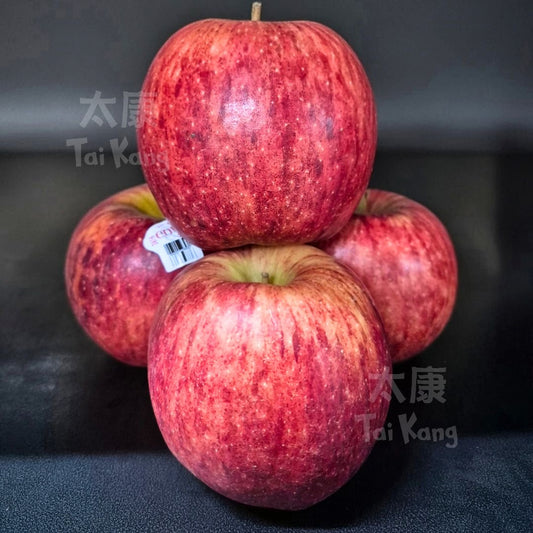
- Apple slices with peanut or almond butter
- Avocado with a handful of nuts or seeds
- Grapefruit segments with cottage cheese
Pro Tip: Eat fruit as part of a meal rather than alone whenever possible. Fruit eaten on an empty stomach tends to spike glucose faster than the same fruit eaten alongside eggs, cheese, or nuts.
If you have a glucose meter, test your own response to a few combinations. Individual reactions vary enough that personal monitoring beats relying on generic glycemic index charts.
The Nutrients You Keep When You Choose Lower Sugar Fruit
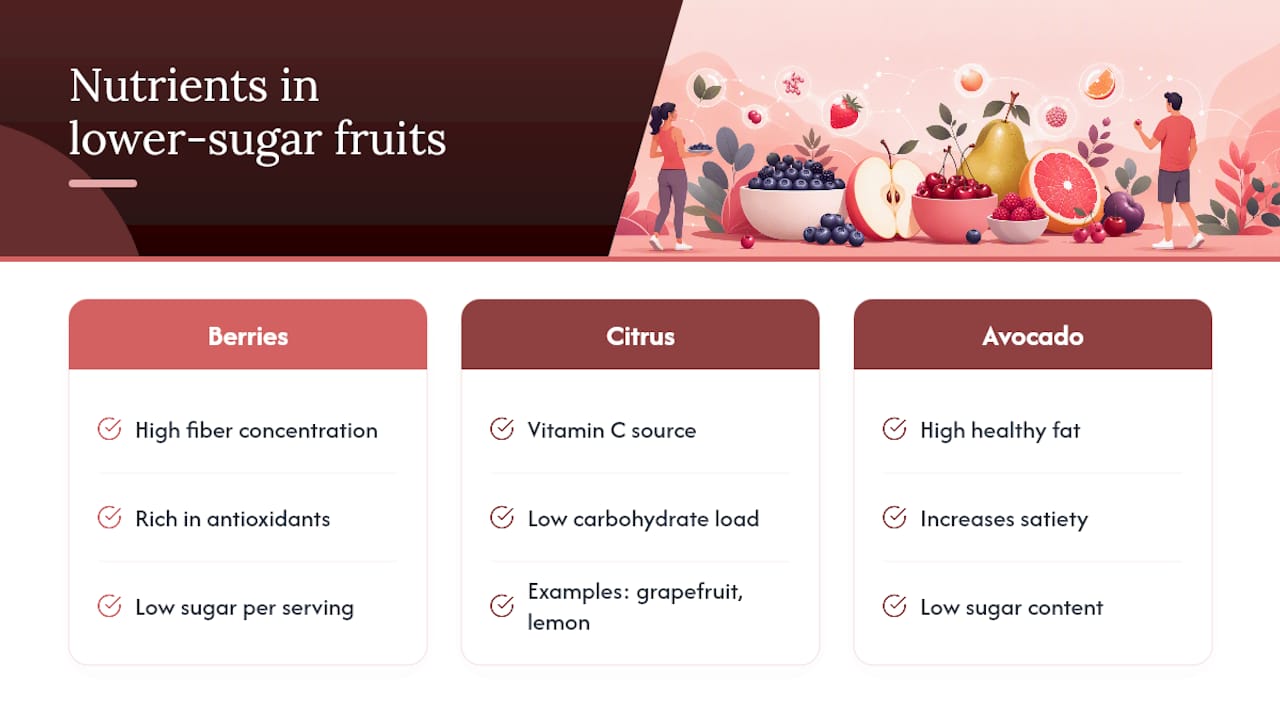
Choosing lower-sugar fruit doesn’t mean giving up nutrition. Berries deliver fiber and antioxidants at a high concentration relative to their sugar content, and citrus fruits like grapefruit and lemon bring vitamin C without much carbohydrate baggage. Avocado stands out for healthy fat and satiety, keeping you fuller longer than an equivalent amount of sugar-dense fruit would.
There’s a pattern worth noticing here: the fruits lowest in sugar tend to be the ones highest in fiber or fat, and that’s not a coincidence. Fiber slows sugar absorption in the gut, which is part of why whole strawberries behave so differently in your body than strawberry jam.
Quick Rules for Choosing and Eating Low Sugar Fruit
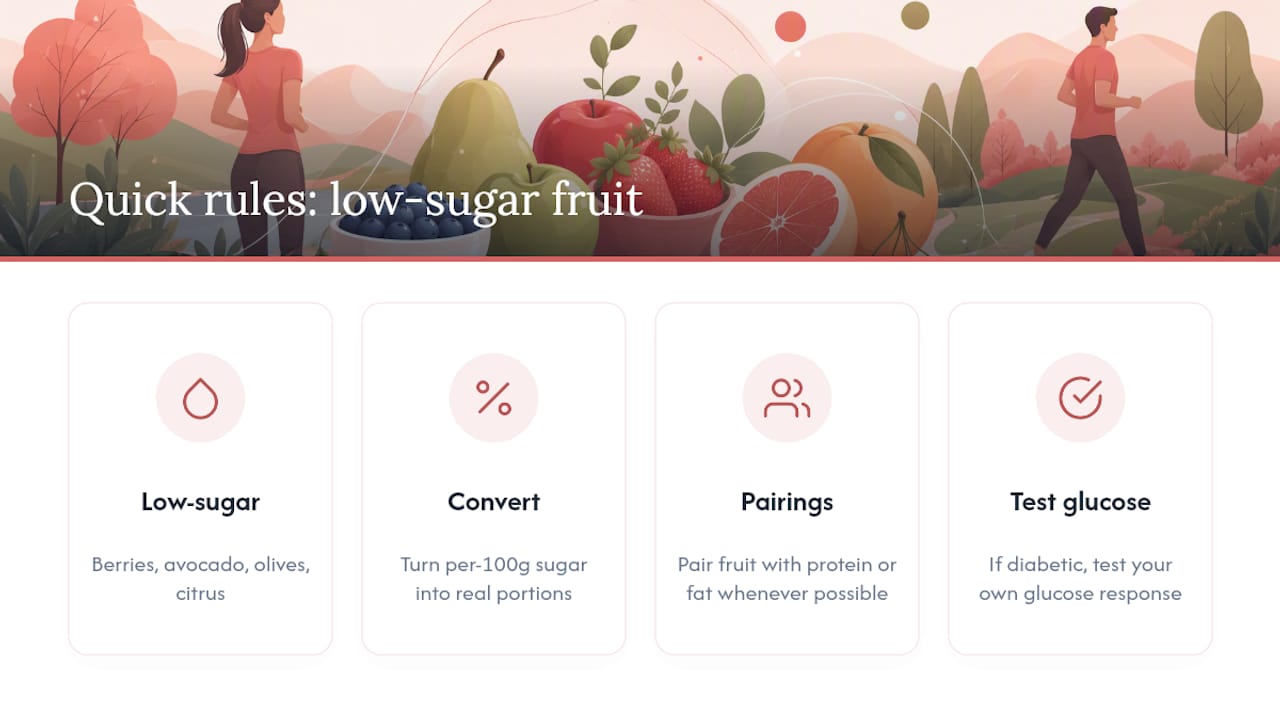
Favor berries, avocado, olives, and citrus for the lowest sugar per bite. Convert sugar-per-100-gram numbers into real portions before you eat, not after. Pair fruit with protein or fat whenever you can, and if you’re diabetic, test your own glucose response rather than trusting a chart alone.
Why Tai Kang Healthy Fruits Is a Reliable Source for Low Sugar Fruit
The company publishes dietitian-approved guidance and backs it with hand-inspected, temperature-controlled fruit sourced from trusted growers. Beyond single orders, the bi-weekly subscription plan keeps low-sugar staples like berries and grapefruit stocked without repeat shopping trips.
A Practical View on Choosing Fruit Day to Day
The fruit that fits your life consistently beats the “perfect” fruit you eat once and abandon. Build your daily rotation around berries and avocado, and treat higher-sugar fruit like mango or grapes as occasional additions paired with protein rather than daily staples. If you’re on insulin or glucose-lowering medication, talk to a dietitian or doctor before making major changes to your fruit intake, since portion shifts can affect dosing needs.
— Tai Kang
Keep Low Sugar Fruit Stocked Without the Grocery Runs
The company delivers hand-inspected, temperature-controlled fruit to customers’ doors, which supports low-sugar eating by providing fresher fruit.
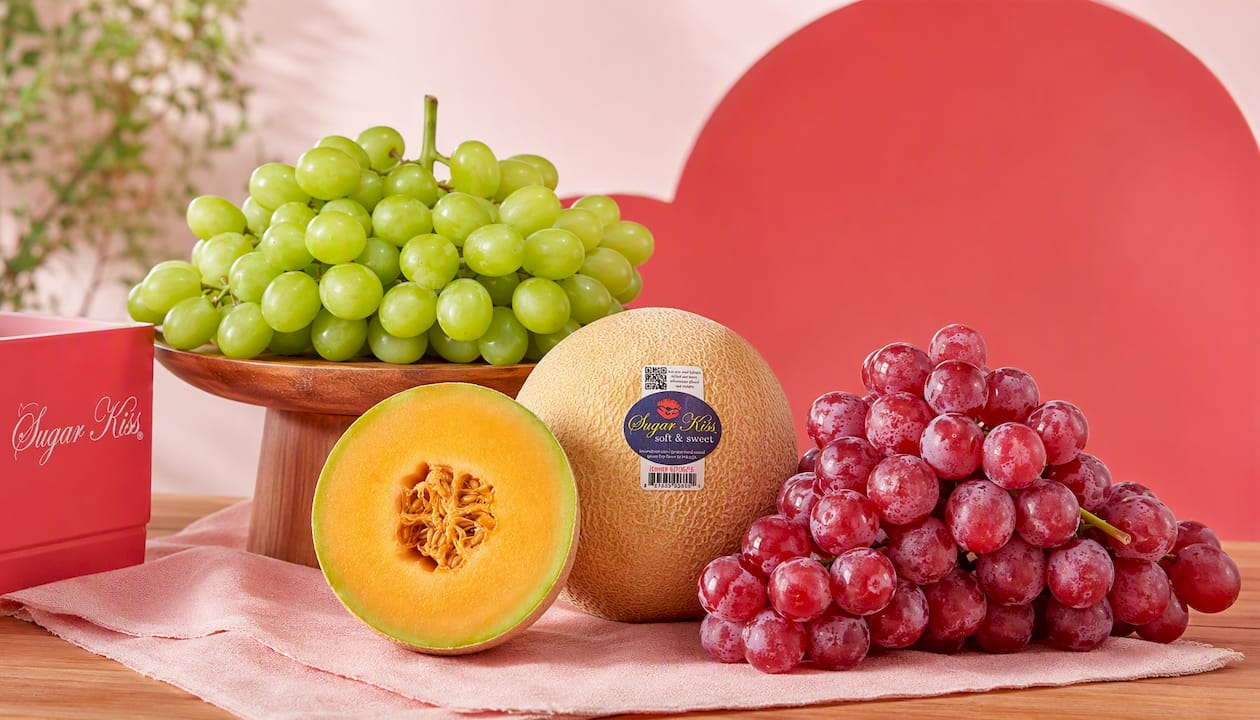
The bi-weekly subscription plan is built for exactly this kind of routine, delivering fresh produce every two weeks for two months so berries, citrus, and other low-sugar options are always on hand. If grapes or melon fit your rotation, the USA Sweet Globe Seedless Green Grapes and USA Sugar Kiss Melon are both available to order directly, and the vegetables collection rounds out a lower-sugar grocery basket in the same delivery. Browse the current catalog and place an order today to see what arrives at your door.
Sources
- Healthline — Olives: nutrition facts and health benefits
- Virginia Cooperative Extension — nutritional data on berries
- American Diabetes Association — Fruit choices and serving guidance
- Harvard Health — Blood-sugar-friendly fruits if you have diabetes
This article is general information, not a substitute for advice from a qualified doctor. Consult a qualified healthcare professional about your own circumstances before acting on anything here.
FAQ
What Fruit Is Lowest in Sugar?
Olives and avocado carry the least sugar among common fruits, with olives near zero and avocado around 0.7 grams per 100 grams. Lemons and limes follow closely behind, both under 3 grams per 100 grams.
What Fruits Can You Eat on a Low Sugar Diet?
Berries, avocado, olives, citrus, guava, and melon in moderate portions all fit comfortably into a low-sugar diet. The key is watching portion size and pairing fruit with protein or fat, as outlined by Harvard Health.
What Is the Most Diabetic Friendly Fruit?
Berries are often considered the most diabetes friendly because they combine low sugar with high fiber, which slows glucose absorption. A serving of about three quarters to one cup typically supplies around 15 grams of carbohydrate, which is easy to fit into a meal plan.
What Are 5 Fruits to Avoid or Limit With Diabetes?
Dried fruit, ripe bananas, mangoes, grapes, and pineapple tend to carry more sugar per serving and get eaten in larger portions than berries or citrus. None are strictly off limits, but they call for smaller portions and pairing with protein to manage the glucose response.
Does Tai Kang Healthy Fruits Offer Low Sugar Fruit Options?
Yes, Taikanghealthyfruits carries berries, citrus, grapes, and melon varieties suited to a low-sugar rotation, delivered fresh across Singapore. Current pricing and availability for individual products and the subscription plan are listed on the site.