
Two Servings a Day: Dietitian-Approved Fruits for Weight Loss
Whole, fresh fruits, especially the high-fiber, high-water varieties, support modest weight loss because they fill you up on fewer calories and crowd out heavier snacks. Apples, berries, grapefruit, kiwi, pears, guava, watermelon, pineapple, and lemon-flavored water all earn a spot on a dietitian-approved list. The rule that matters most: always choose the whole fruit, never the juice or the dried version.
TL;DR:
- Consuming whole fruits that are high in water and fiber, like berries, apples, and grapefruit, promotes modest weight loss by increasing satiety.
- Eating fruit before meals, especially in place of calorie-dense foods, can help reduce overall calorie intake through stomach fullness from fiber and water.
- Pairing fruit with protein or healthy fats extends fullness and stabilizes blood sugar levels, making snacks more satisfying and preventing overeating.
- Dried fruit, fruit juice, and smoothies often concentrate sugar and calories, which can undermine weight-loss efforts if eaten or drunk in excess.
- Choosing lower glycemic index fruits and controlling portion sizes are important for diabetics and people with specific health concerns to safely include fruit in their diet.
Table of Contents
- Best Fruits for Weight Loss and Why Each One Earns Its Spot
- How to Use Fruit to Control Appetite and Cut Calories
- Pairing Fruit With Protein and Fat for Longer-Lasting Fullness
- Does Fruit Sugar Sabotage Weight Loss?
- The Fruit Myths Worth Retiring
- Fruit Choices for Diabetics and Other Special Cases
- Why Getting Fresh Fruit Consistently Is Half the Battle
- Stock Your Kitchen With the Fruits That Actually Support Your Goals
- Sources
- FAQ
Best Fruits for Weight Loss and Why Each One Earns Its Spot
Not all fruit pulls the same weight when you’re trying to shed pounds. The ones that actually move the needle share a few traits: they’re low in energy density, packed with fiber, and mostly water. A systematic review of randomized trials found that boosting whole, fresh fruit intake led to modest weight loss or better weight maintenance over periods of 3 to 24 weeks, particularly when the fruit replaced something more calorie-dense. Here’s the lineup worth stocking in your kitchen.
-
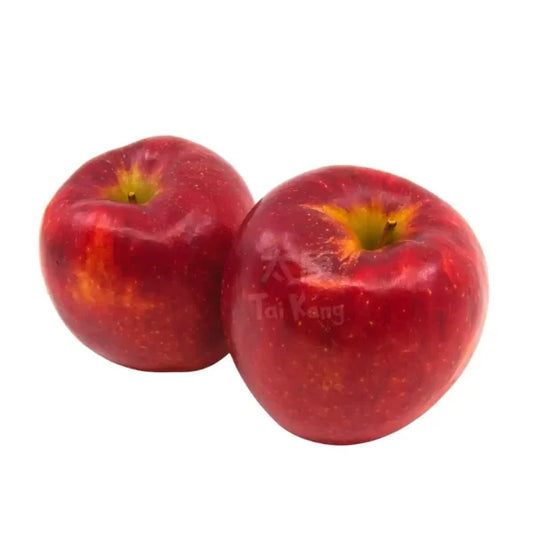
Apples. A medium apple delivers calories and a few grams of fiber, most of it the soluble kind that slows digestion and blunts hunger. Eat one whole, skin on, about 20 minutes before lunch.
-
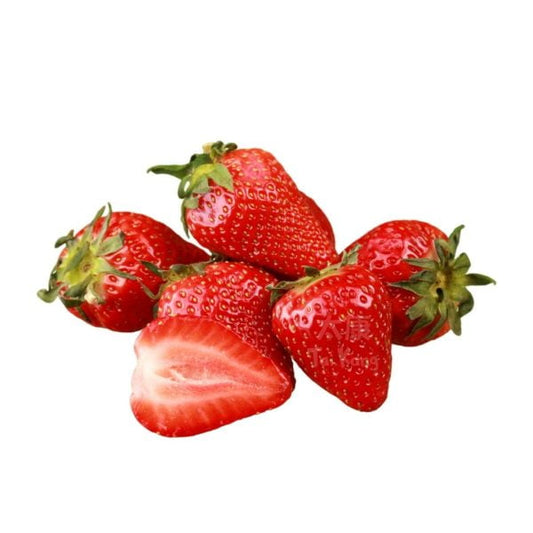
Berries (strawberries, blueberries, raspberries). A cup of raspberries is a rich source of fiber relative to its calorie content, offering one of the best fiber-to-calorie ratios in the produce aisle. Toss a handful over oatmeal or yogurt instead of syrup.
-
Grapefruit. Half a grapefruit is about 64 calories and roughly 90% water, which is exactly why it shows up on so many weight-loss menus. Eat it plain at breakfast or dice it into a salad for a citrus kick.
-
Kiwi. One kiwifruit supplies a significant amount of vitamin C, along with fiber that includes some resistant starch. Slice it in half and eat it with a spoon, skin included if you don’t mind the texture.
-
Pears. A medium pear is a good source of fiber, most of it concentrated in the skin, so peeling one throws away the best part. Pair a sliced pear with a handful of walnuts for a snack that actually holds you over.
-
Guava. One guava provides more vitamin C than many citrus fruits and contains fiber with relatively low calories. It’s less common on Western lists but widely available fresh or frozen, and it works well diced into fruit salad.
-
Watermelon. A small controlled trial found that people who snacked on watermelon reported less hunger and lost more weight than a group eating a calorie-matched cookie, even though both snacks had the same number of calories. That’s the low-energy-density effect in action: more volume, less fuel.
-
Pineapple. A cup of pineapple chunks provides calories and comes with bromelain, an enzyme that has a reputation for aiding digestion. Some preliminary research also links pineapple to a modest bump in melatonin, worth knowing if poor sleep is sabotaging your appetite control.
-
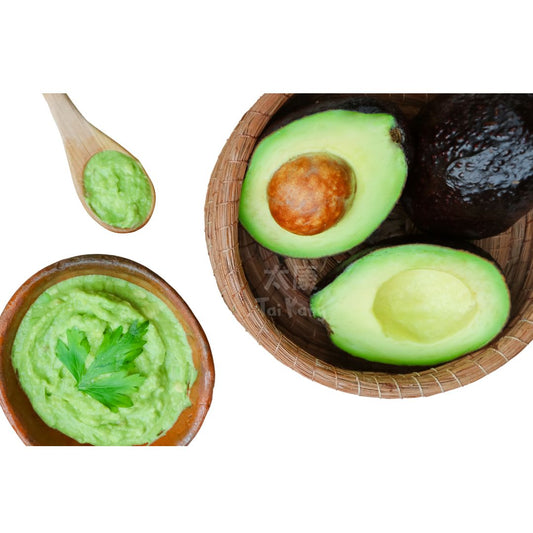
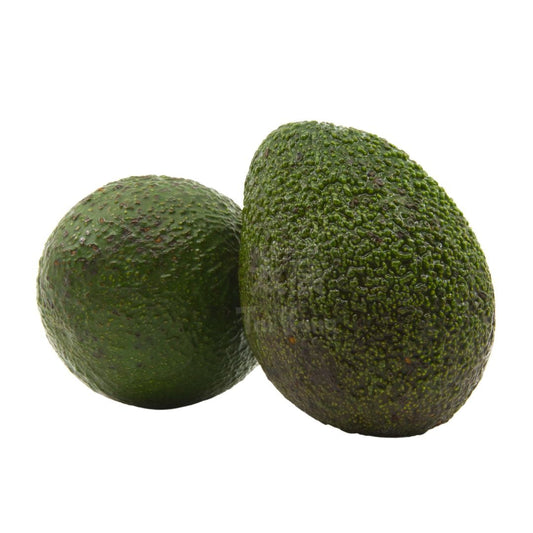
Avocado. Technically a fruit, and the exception on this list: it’s higher in calories but loaded with monounsaturated fat and fiber that extend fullness for hours. A quarter avocado on whole-grain toast beats a bag of chips every time.
-
Lemons. Barely any calories on their own, but squeezing lemon into water or over a salad adds flavor that makes lower-calorie meals feel less like a diet. South Africa Lemon (5pcs) is a simple way to keep a steady supply on hand.
All of these are common finds in local grocery apps and markets, so building this list into a weekly shop doesn’t require hunting down anything exotic.
How to Use Fruit to Control Appetite and Cut Calories
Timing changes how much fruit actually works for you. Single-meal trials cited in the same systematic review show that eating whole fruit before a meal, not with dessert after, tends to lower how much you eat overall. The fiber and water take up stomach space before the higher-calorie plate arrives.
A reasonable target is about two servings of fruit a day, with one serving equaling roughly a medium piece of fruit, a cup of berries, or half a cup of chopped fruit like pineapple or guava. Most people fall short of that, so start there before worrying about anything more elaborate.
Smart snack swaps:
- Trade chips for apple slices with cinnamon
- Swap a granola bar for a cup of berries
- Replace soda with lemon water
- Skip the muffin for half a grapefruit
- Trade ice cream for frozen mango chunks
- Replace fruit juice with the whole fruit it came from
Be cautious with juice, dried fruit, and fruit smoothies loaded with syrups. A systematic review and Mayo Clinic guidance both point to the same problem: stripping out the fiber concentrates the sugar and calories into a much smaller, easier-to-overconsume package.
Pro Tip: Keep a bowl of washed, ready-to-eat fruit visible on the counter. You will eat what you can see; fruit buried in the crisper drawer loses every time to a bag of crackers on the shelf.
Pairing Fruit With Protein and Fat for Longer-Lasting Fullness
Fruit alone digests fast. Pair it with protein or healthy fat and you slow that digestion down, which keeps blood sugar steadier and hunger further away. Dietitians and nutrition researchers frequently point to this exact combination as one of the simplest ways to make fruit work harder for you.
Try these pairings:
- Apple slices with a tablespoon of natural peanut butter
- Kiwi halves with a scoop of plain Greek yogurt
- Mixed berries with a half cup of cottage cheese
- Pineapple chunks with cottage cheese or a few almonds
A realistic day might look like: Greek yogurt with sliced kiwi at breakfast, an apple with peanut butter as a midday snack, and a small bowl of pineapple with cottage cheese for dessert. None of that requires counting every calorie, just building the habit of never eating fruit completely alone.
Does Fruit Sugar Sabotage Weight Loss?
Fructose in whole fruit behaves very differently than fructose in soda or fruit juice, and that distinction gets lost constantly. Whole fruit delivers its sugar wrapped in fiber, water, and a matrix of plant cells that physically slows absorption. Your blood sugar rises more gradually, and insulin doesn’t spike the way it does after a glass of juice with the same sugar content.
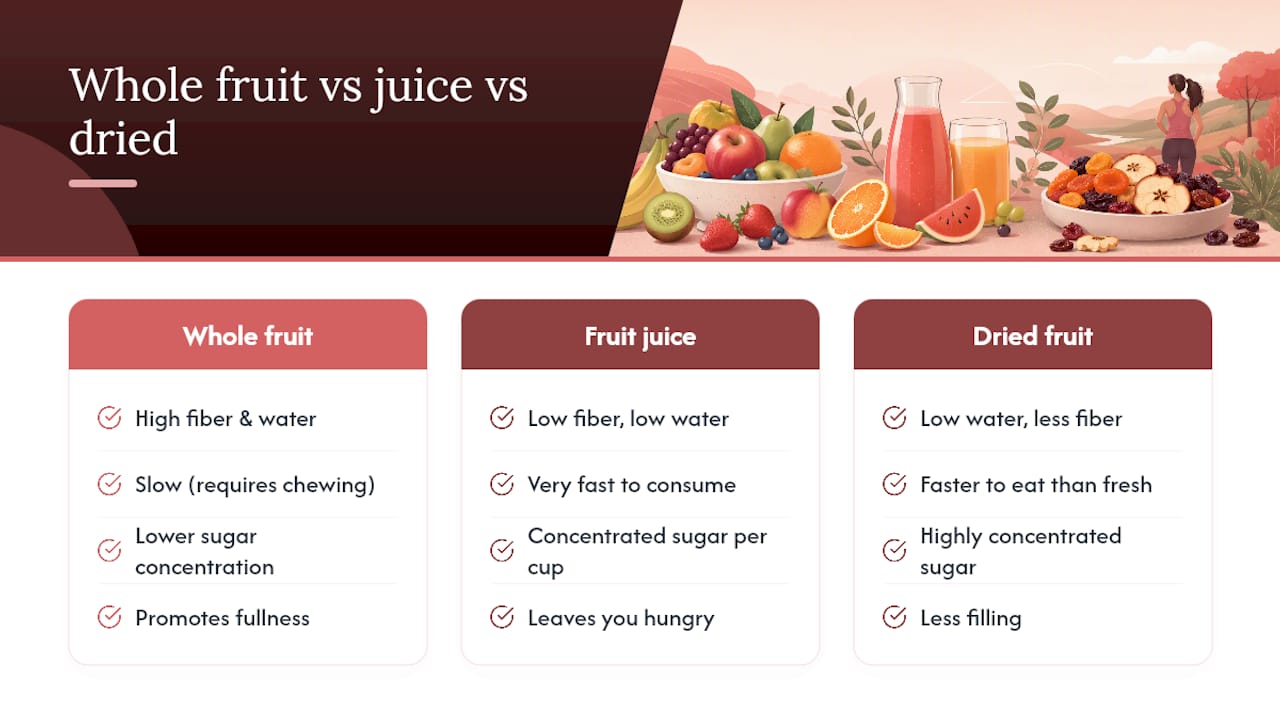
The Mayo Clinic’s guidance on weight loss reinforces this: whole fruit’s fiber and lower energy density are precisely why it supports fullness rather than undermining it, while juice and dried fruit concentrate sugar into a form that’s easy to overeat. A cup of grapes takes real chewing and time; a cup of grape juice takes ten seconds and leaves you hungry again within the hour.
That doesn’t mean fruit sugar is irrelevant. Someone eating six bananas a day is still taking in a meaningful amount of sugar and calories, whole fruit or not. Moderation still applies, it just applies at a much more forgiving level with fruit than with sweetened snacks, because the fiber and water put a natural brake on how much you’re likely to eat in one sitting.
The Fruit Myths Worth Retiring
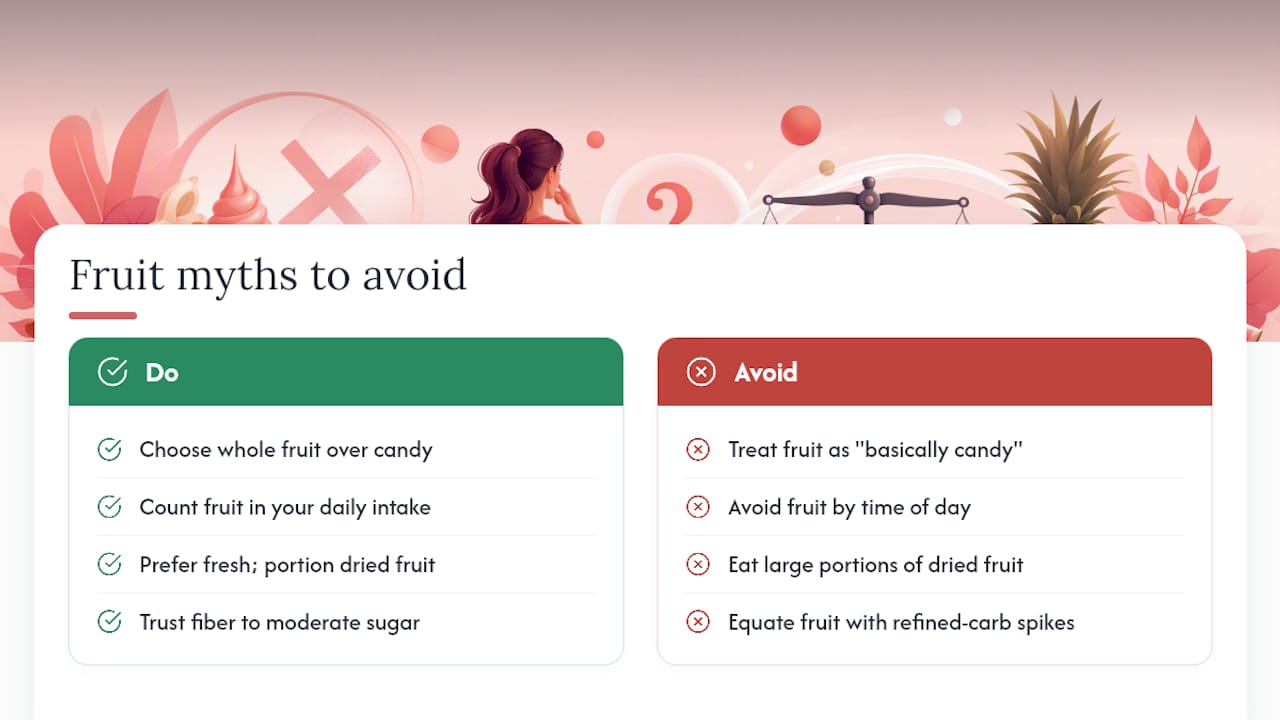
The biggest myth is that fruit is “basically candy” because it contains sugar. It isn’t. A medium apple has about 19 grams of sugar and 4 grams of fiber wrapped around it, plus water and volume that a piece of candy never offers. Comparing fruit sugar to added sugar ignores the packaging that changes how your body processes it entirely.
A close second: the idea that fruit should be avoided after a certain hour, or that “fruit is only good in the morning.” There’s no metabolic switch that flips at 6 p.m. making an apple suddenly fattening. What matters is your total intake across the day, not the clock.
Another common one: dried fruit is “just as good” as fresh because it’s still fruit. It isn’t, nutritionally speaking, for weight loss purposes. Removing the water concentrates the sugar and calories into a tiny portion that’s shockingly easy to overeat. A quarter cup of raisins carries roughly the same calories as two full cups of grapes, and almost nobody eats a quarter cup and stops.
Last one: some people believe fruit “spikes blood sugar” the same way refined carbs do, so it should be minimized entirely. Whole fruit’s fiber content generally keeps that spike modest for most people, which is a very different picture from white bread or soda.
Fruit Choices for Diabetics and Other Special Cases
People managing diabetes can absolutely include fruit in a weight-loss plan, but the fruit choice and pairing matter more than for the average reader. Lower glycemic-index fruits like berries, apples, pears, and grapefruit tend to raise blood sugar more slowly than tropical fruits like ripe mango or watermelon eaten in large portions.
Portion control carries more weight here too. A half cup of berries is a very different blood sugar event than a full bowl, and pairing that portion with protein or fat (the Greek yogurt and nut butter combinations mentioned earlier) becomes even more important for keeping glucose steady. Anyone on insulin or glucose-lowering medication should talk to their doctor or a registered dietitian before making significant changes to fruit intake, since some medications interact with blood sugar shifts in ways that need individual monitoring.
Pregnant readers, people with kidney conditions that require potassium restriction, and anyone on a medically supervised diet should also run specific fruit choices past their healthcare provider, since needs to vary by individual condition in ways a general list can’t cover.
Why Getting Fresh Fruit Consistently Is Half the Battle
Knowing which fruits help is the easy part. Actually having ripe, good-quality fruit in the house on a Tuesday night is where most people fall off. Some online fruit delivery services address that gap by inspecting and storing orders in temperature-controlled environments before delivery, which matters most for the high-water fruits (berries, kiwi) that spoil fastest and get skipped when they’re mushy by the time you’d eat them.
A high customer satisfaction rating based on reviews can reflect a customer base that keeps reordering, which for a perishable product says something about consistency. If lack of time or a disappointing supermarket produce section has been your excuse, home delivery removes both. For more on keeping fruit fresh once it arrives, the storage guide covers the basics that extend shelf life by days, not hours.
— Tai Kang
Stock Your Kitchen With the Fruits That Actually Support Your Goals
Online fruit delivery services can turn the list above from something you read into something you eat, without a special trip to three different stores hunting for ripe guava or good kiwi. Some services inspect and store orders in temperature-controlled environments before shipping, so the berries and kiwi that spoil fastest in a regular supermarket bag actually last through the week.

If citrus water is part of your plan, South Africa Lemon (5pcs) keeps a steady supply on the counter for flavoring water without added calories. For the vitamin C and fiber combination this article keeps coming back to, Zespri Golden Kiwi delivers both in a single sweet, easy-to-eat piece of fruit. And if you’d rather shop once and cover a full week of variety, the Abundance Harvest Premium Gift Box bundles a mix of seasonal fruit so you’re not making four separate trips to hit your daily target. Place an order today and have a week of dietitian-approved fruit choices delivered straight to your door.
Sources
- Impact of Whole, Fresh Fruit Consumption on Energy Intake and Adiposity: A Systematic Review (Frontiers in Nutrition, 2019)
- Weight loss: Feel full on fewer calories — Mayo Clinic
FAQ
What Fruit Is Best for Losing Weight?
Grapefruit, berries, and apples top most dietitian lists because they combine high water content, meaningful fiber, and low overall calories, which helps you feel full without overeating.
Which Fruits Help Reduce Belly Fat?
No fruit spot-reduces fat, but low-energy-dense fruits like watermelon, berries, and grapefruit support overall calorie control, and consistent calorie control is what eventually reduces belly fat over time.
Can I Lose 2 Kilograms in 2 Weeks Using Fruit?
Adding whole fruit before meals to displace higher-calorie foods can support modest weight loss over several weeks, but a 2-kilogram loss in two weeks depends heavily on your total diet and activity, not fruit alone.
What Should I Eat for 7 Days to Support Weight Loss With Fruit?
Build each day around two servings of fruit paired with protein, such as kiwi with Greek yogurt at breakfast and berries with cottage cheese as a snack, alongside balanced meals with lean protein and vegetables.
Is Fruit Juice as Good as Whole Fruit for Weight Loss?
No. Juice strips out the fiber that makes whole fruit filling, concentrating the sugar into a form that’s easy to overconsume, so whole fruit is the better choice for weight control.