
Office Snack Rotation: Keep 12–20 Staples, Swap 4–6 Each Cycle
The simplest effective system is a stable core of staples, around a dozen to about twenty SKUs, plus a few rotating items refreshed on a predictable cadence. This structure cuts snack fatigue because people always recognize their favorites while still getting something new, and it simplifies ordering because you’re tracking a small, consistent set of numbers. Below we cover templates, tracking, safety, snack ideas, budgeting, and how scheduled fruit delivery fits into the plan.
TL;DR:
- Teams under 30 can swap a few items every two weeks; teams of 30 to 100 can refresh monthly, and offices above 100 quarterly.
- Start by tallying pantry withdrawals manually for four weeks, then use min and max stock levels for fast movers and track waste.
- Because office pantries carry moderate contamination risk, assign a named owner for daily and weekly cleaning, preserve labels, and refrigerate perishables consistently.
- Ask employees which rotating items to keep or drop, and pair availability with placement and labeling; combined interventions changed behavior more consistently than single changes.
- Schedule fresh fruit every two weeks around actual consumption, label ripeness windows, and treat premium hampers as occasional highlights rather than daily staples.
Table of Contents
- Quick rotation templates and sample schedules
- How to measure consumption and order smarter
- Snack ideas organized by category and dietary need
- Storage, hygiene, and labeling basics every office should follow
- Budgeting and waste reduction tactics
- How fresh fruit delivery supports rotation and wellbeing
- Ways to engage employees with the snack rotation program
- Combining wellbeing goals with operational reality
- How Tai Kang Healthy Fruits can plug into your office snack rotation
- FAQ
- Sources
Quick rotation templates and sample schedules
Pick the cadence that matches your office size and pantry traffic, then build your calendar around it.
- Bi-weekly rotation for small teams (under 30 people): keep about a dozen core SKUs on hand at all times and swap a few rotating slots every two weeks, timed to a recurring delivery day.
- Monthly rotation for medium teams (30 to 100 people): maintain around sixteen to eighteen core SKUs and refresh several rotating slots on the first Monday of each month, giving the pantry team time to restock between cycles.
- Quarterly seasonal refresh for larger offices (100+): lock in about twenty core staples and overhaul several rotating slots four times a year, aligning with seasonal produce and major holidays.
The guiding rule stays the same across all three: a pragmatic rotation keeps a stable core of roughly 12 to 20 familiar items and touches only 4 to 6 items per cycle. That ratio creates novelty without turning the pantry into a guessing game, and it keeps your consumption data clean since most SKUs stay constant month to month.
To keep vendors and staff aligned, put the rotation on a shared calendar with reminders a few days ahead of each swap:
- Block the delivery window on a shared calendar visible to facilities and pantry staff.
- Send vendors a standing order template so rotating items are confirmed a week in advance.
- Assign one person to confirm delivery, stock the pantry, and note any substitutions.
How to measure consumption and order smarter
Guessing what to reorder wastes money and annoys employees when favorites run out early. A few low-friction tracking methods solve most of this without extra software spend.
- Manual tally sheets: a clipboard near the pantry where staff mark what they grab, reviewed weekly.
- Simple spreadsheet templates: a shared Google Sheet logging restock dates and quantities per SKU.
- Vendor usage reports: many snack suppliers already track what they deliver and can share order history.
- Basic min-max rules: set a minimum stock level that triggers a reorder and a maximum that caps overordering.
The most useful metrics to watch are daily pick rate, days an item sits on the shelf before it’s gone, overall SKU velocity, and a simple waste rate for anything tossed unused. A recent case study on inventory automation found that offices using min-max and economic order quantity controls for food inventory saw lower costs and fewer stockouts, though results depend heavily on the specific setting and require a short pilot period to tune the parameters correctly.
Pro Tip: Start with a four-week manual tally before investing in any tracking tool. It tells you which SKUs actually need min-max rules.
Snack ideas organized by category and dietary need
A good rotation slot catalog gives you ready options instead of scrambling each cycle. Group choices by category so you can swap like for like:
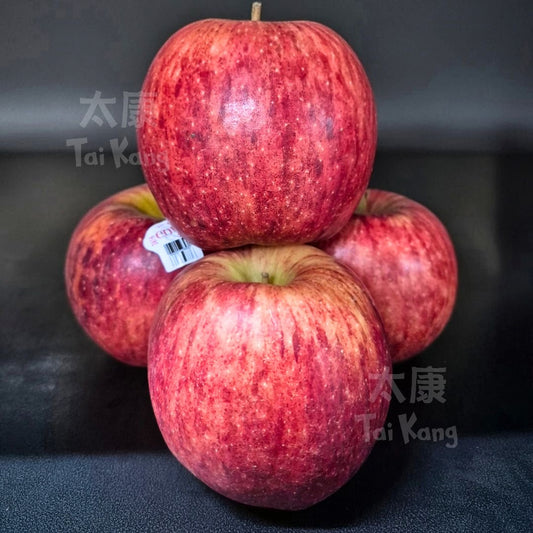
- Fresh fruit: whole apples, bananas, oranges, and seasonal mixed boxes.
- Portioned nuts and seeds: individually packaged almonds, trail mix, or pumpkin seeds.
- Whole-grain crackers and cheese: pre-portioned cups or grab-and-go packs.
- Yogurt cups: single-serve, refrigerated, rotated with seasonal flavors.
- Cut vegetables with dips: carrot and cucumber sticks with hummus in small containers.
- Prepacked snacks: popcorn, rice crackers, or granola bars for low-mess grabbing.
- Low-mess treats: dark chocolate squares or dried fruit for occasional variety.
Allergen planning is important. Checking the labelling requirements for prepacked food before introducing new items helps ensure ingredient and allergen details are visible. For shared bins, keep original labels or post allergen information cards. Having one nut-free day weekly, or a clearly labeled nut-free shelf, addresses common sensitivities without removing nuts entirely.
For seasonal swaps, rotate dried fruit and citrus in winter months, then shift to berries and melon as they come into season. Premium fruit hampers work well as a rotating highlight rather than a daily staple, giving the pantry an occasional upgrade moment that staples alone can’t deliver.
Storage, hygiene, and labeling basics every office should follow
Shared pantries carry contamination risk that most offices underestimate. NEA guidance classifies office pantries as moderately contaminated areas, recommending routine and periodic cleaning schedules with a named person responsible for upkeep rather than leaving it to whoever notices the mess first.
A short operational checklist covers most of what’s needed:
- Assign one pantry owner responsible for daily wipe-downs and weekly deep cleans.
- Preserve original labels on prepacked snacks so allergen and ingredient information stays visible.
- Store perishables like fruit and yogurt at consistent cold temperatures and rotate stock first-in, first-out.
- Toss anything past its use-by date immediately rather than holding it “just in case.”
Office pantries fall into a moderate contamination risk category, which is why NEA’s sanitation framework recommends scheduled cleaning rather than reactive cleaning only when something looks dirty.
Budgeting and waste reduction tactics
Three budgeting models keep costs predictable: a per-head monthly allowance that scales with headcount, a fixed vendor allotment negotiated upfront, or a subscription box with a known recurring cost. Each avoids the surprise spend that comes from ad hoc ordering.
- Pre-portion popular items such as nuts and trail mix into individual servings to help control portion sizes.
- Monitor waste levels for each SKU regularly and reduce orders for items frequently leftover.
- When safe and timely, donate unopened surplus food instead of discarding it.
- Adjust order quantities based on actual consumption data rather than repeating fixed amounts each time.
How fresh fruit delivery supports rotation and wellbeing
Fresh fruit solves a specific rotation problem: it’s the category employees most want but the one that spoils fastest if ordering isn’t tuned to actual consumption. Fruit delivery services typically inspect each order and store fruit in temperature-controlled conditions before it reaches your office, which extends usable shelf life and reduces the guesswork around ripeness windows.
To fold scheduled fruit delivery into a rotation without adding friction:
- Assign fruit to one or two rotating slots rather than treating it as a daily unlimited staple.
- Label ripeness windows on the pantry shelf so staff grab fruit before it turns.
- Align a bi-weekly delivery cadence with your existing restock calendar so fruit arrives alongside other rotating items.
Pro Tip: Treat fruit delivery day as your anchor date for the whole rotation calendar. Other categories are easier to schedule around a fixed date than the reverse.
This approach is supported by customer feedback reflected in positive ratings and includes online ordering, home delivery, and both subscription and corporate delivery options for teams that want a recurring, hands-off supply line.
Ways to engage employees with the snack rotation program
A rotation only works if people notice and care about it. The fastest way to build buy-in is a short feedback loop: a sticky note poll, a two-question digital form, or a quick show of hands at a team meeting asking which rotating items to keep or drop. Employees who feel some control over what shows up in the pantry are more likely to use it and less likely to complain about what’s missing.
Visibility matters almost as much as the snacks themselves. Posting the rotation calendar near the pantry, or sending a short monthly email naming what’s new that cycle, turns a routine restock into something people look forward to. Naming a rotating item after the suggestion that inspired it, even informally, reinforces that feedback gets used.
Pairing snack variety with occasional team moments also raises participation. A rotating premium fruit box timed to a Friday team meeting, or a snack-tasting break paired with a corporate wellness activity, gives the rotation a social hook beyond grab-and-go convenience. None of this requires a large budget, just a consistent rhythm of asking, adjusting, and announcing.
Combining availability, placement, and feedback tends to outperform single-item swaps alone: workplace choice-architecture research found that combined interventions involving availability, placement, and labeling produced more consistent behavior changes than any single change on its own.

Combining wellbeing goals with operational reality
Keeping rotations simple preserves buy-in far better than an ambitious overhaul that collapses after one busy quarter. A short feedback loop and two or three tracked metrics tell you more than a complicated system nobody maintains. Small, steady adjustments beat sweeping changes every time.
— Tai Kang
How Tai Kang Healthy Fruits can plug into your office snack rotation
We fit naturally into the fruit slot of any rotation plan. Our bi-weekly fruits delivery subscription covers the steady core fruit supply, while a Fruitastic Basket, Abundance Harvest Premium Gift Box, or Deluxe Harvest Premium Fruit Hamper works well as a premium rotating highlight for a milestone week.

For meetings and client visits, a corporate fruit delivery option can add a reliable, ready-to-serve slot without extra planning.
- Pilot a bi-weekly subscription for your core fruit rotation.
- Add a premium hamper for a quarterly highlight.
- Book a corporate pack ahead of a key meeting.
Browse our full range of fruits and gift options to start your pilot cycle.
FAQ
What are some good snack ideas for an office party?
A mix of easy-to-handle favorites and fresh options works best: whole fruit, vegetable sticks with hummus, portioned nuts, yogurt cups, whole-grain crackers with cheese, popcorn, and trail mix. A fruit hamper adds a shareable centerpiece that also covers lighter dietary preferences.
How do I make a snack schedule?
Start with a stable core of 12 to 20 staple items, then pick 4 to 6 slots to rotate on a bi-weekly, monthly, or quarterly cadence depending on office size. Mark the rotation dates on a shared calendar and confirm orders with your vendor a few days ahead of each swap.
How can offices reduce excessive snacking without removing snacks entirely?
Pre-portioning items like nuts and crackers into individual servings naturally limits intake compared to open bulk bins. Pairing portion control with a mix of lighter options, such as fresh fruit and cut vegetables, shifts the overall balance without banning snacks outright.
What are ten good snack foods for an office pantry?
A solid core list includes fresh fruit, portioned nuts, whole-grain crackers, string cheese, yogurt cups, cut vegetables with dip, popcorn, trail mix, rice crackers, and dried fruit. Rotating a few of these each cycle keeps the pantry interesting while the rest stay as dependable staples.
How often should perishable snacks like fruit be restocked?
A bi-weekly delivery cadence works well for mixed-season fruit since it aligns restocking with typical ripeness windows and reduces spoilage. Matching delivery frequency to actual consumption data, rather than a fixed guess, further cuts waste over time.
Sources
- Labelling requirements for food
- Environmental sanitation guidelines (NEA)
- Case study on inventory automation and EOQ
- Environmental interventions for altering eating behaviours (University of Surrey systematic review)