
Fruit Shelf Life: Under 2 Weeks to 16+ Weeks, Where to Store
Most fresh fruit lasts anywhere from a few days to several months, and the gap between those extremes comes down almost entirely to one thing: how well you control temperature and humidity after you get it home. Berries and stone fruit fade fast, apples and citrus hold for weeks, and the single habit that stretches fruit shelf life across the board is simple: keep it cold, keep it humid, and don’t wash anything until you’re ready to eat it. The details, including exact fridge and freezer times, are below.
TL;DR:
- Keeping fruit cold and humid immediately after purchase significantly extends its shelf life, especially when done quickly to prevent ripening from the start.
- Fruits are categorized into five perishability classes, with apples and citrus lasting weeks, while berries and stone fruits typically spoil within days or a couple of weeks.
- Ethylene-sensitive fruit should be stored separately from ethylene producers to slow spoilage and prevent accelerated ripening.
- Freezing, dehydrating, or using natural coatings can extend fruit freshness beyond refrigeration, but proper initial handling remains crucial for maximum longevity.
- Purchase from suppliers with tight cold-chain management, and avoid storing ripe fruit at room temperature for more than a few hours to prevent unnecessary quality loss.
Table of Contents
- Fruit Shelf Life Chart: How Perishability Categories Work
- What Actually Determines How Long Fruit Stays Fresh
- Fridge vs. Counter vs. Freezer: A Fruit Storage Time Chart
- Natural Ways to Extend Fruit Freshness Beyond the Fridge
- Tai Kang’s Approach to Keeping Fruit Fresh From Delivery to Fridge
- Does Organic Fruit Spoil Faster Than Conventional Fruit?
- How Packaging Affects Fruit Shelf Life
- The One Storage Habit That Actually Moves the Needle
- Fresher Fruit Without the Grocery Store Gamble
- Where These Storage Numbers Come From
- Sources
- FAQ
Fruit Shelf Life Chart: How Perishability Categories Work
Not all fruit ages at the same rate, and produce researchers actually sort fruits into five perishability classes based on how long they hold up in normal air storage. Knowing which class a fruit falls into tells you what to expect before it even starts to soften.
According to extension research on fruit storage classification, the five tiers break down like this:
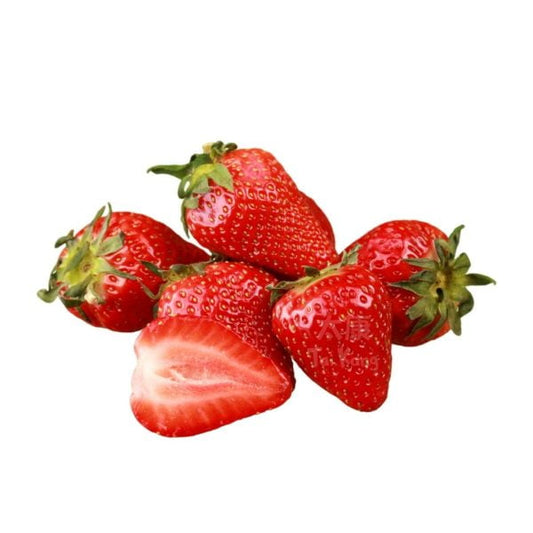
- Very high perishability (under 2 weeks): raspberries, strawberries, figs, and ripe cherries
- High perishability (2 to 4 weeks): peaches, plums, apricots, and blueberries
- Moderate perishability (4 to 8 weeks): mangoes, pears, and table grapes
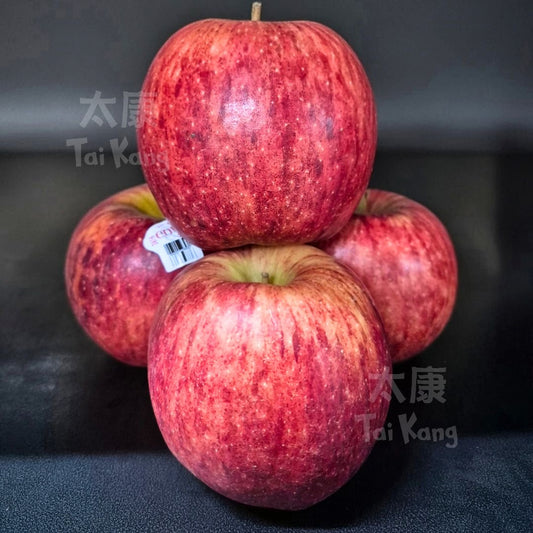
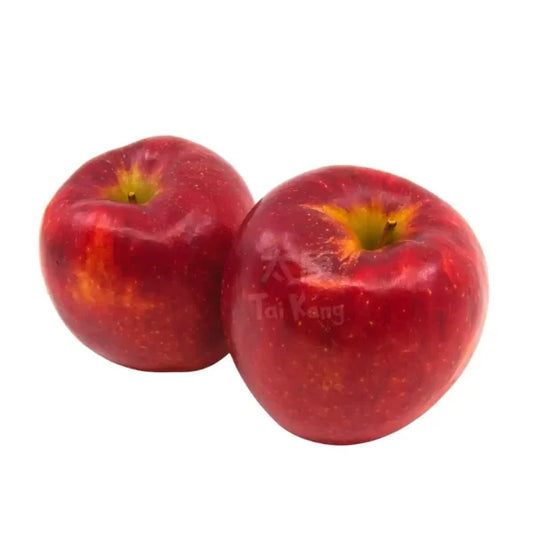
- Low perishability (8 to 16 weeks): apples, citrus fruits, and pomegranates
- Very low perishability (over 16 weeks): dried fruits, nuts, and certain long-storage apple cultivars kept in cold storage
Cultivar matters more than most shoppers realize. A Honeycrisp apple and a Gala apple sitting in the same fridge drawer won’t age identically, and how the fruit traveled before it reached the store plays a role too. Fruit that sat in a truck for three days before hitting the shelf has already burned through part of its potential shelf life before you ever touch it. That’s one reason buying from a supplier with tight cold-chain handling matters more than people assume.
What Actually Determines How Long Fruit Stays Fresh
Four forces control fruit shelf life: temperature, humidity, ethylene gas, and physical damage. Get those four right and almost any fruit outlasts its expected range. Get them wrong and even a “long-lasting” fruit like an apple can turn mealy in a week.
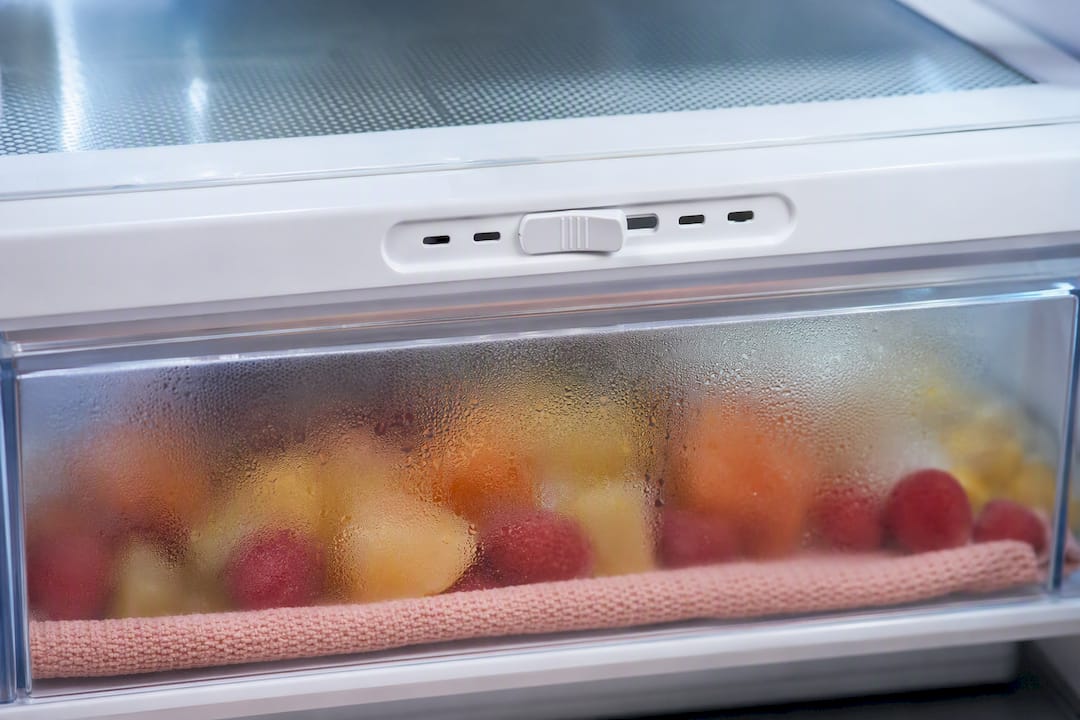
Cold slows the enzymatic reactions that cause ripening and decay. Most fruits do best somewhere near 32 to 40°F, with relative humidity between 90 and 95%, according to FAO storage guidance for horticultural crops. Humidity that low sounds counterintuitive since produce feels delicate, but dry air pulls moisture out of the fruit faster than cold alone can compensate for, which is exactly why a crisper drawer with a humidity setting outperforms an open shelf.
Ethylene is the ripening hormone that apples, bananas, and avocados release into the air around them. Store those next to ethylene-sensitive fruit like berries or grapes and you’ll speed up spoilage in both directions, according to extension guidance on ethylene’s role in ripening. Keep the two groups apart.
Here’s a simple sequence to follow with any new haul of fruit:
- Sort by ripeness and pull out anything bruised or soft before it contaminates the rest.
- Separate ethylene producers (apples, bananas, avocados) from ethylene-sensitive fruit (berries, grapes, leafy produce).
- Leave unripe fruit on the counter; move ripe fruit to the fridge.
- Store berries dry, unwashed, on a paper-towel-lined tray in the coldest part of the fridge.
- Check every few days and remove anything that’s turning before it spreads.
Pro Tip: Skip the pre-wash. Washing fruit before storing it adds moisture that fungal spores love, and professional produce handlers keep everything dry until the moment before use, which alone can add days to berries and stone fruit.
Fridge vs. Counter vs. Freezer: A Fruit Storage Time Chart
Once you know a fruit’s perishability class, the next question is simply: fridge, counter, or freezer? The table below gives typical ranges under normal home conditions, though ripeness at purchase and cultivar will shift things slightly.
| Fruit | Counter | Fridge | Freezer |
|---|---|---|---|
| Strawberries | 1 to 2 days | 3 to 5 days | 8 to 12 months |
| Blueberries | 1 to 2 days | 1 to 2 weeks | 8 to 12 months |
| Peaches/plums | 2 to 4 days (to ripen) | 3 to 5 days once ripe | 8 to 12 months |
| Apples | 1 to 2 weeks | 4 to 6 weeks, up to 12 months in cold storage | 8 months |
| Citrus (oranges, lemons) | 1 week | 3 to 4 weeks | 4 to 6 months (juice/zest) |
| Grapes | not recommended at room temperature | a few weeks refrigerated | many months frozen |
| Mangoes | a few days to ripen at room temperature | about a week once ripe refrigerated | several months frozen |
| Bananas | a few days at room temperature | about a week refrigerated (skin darkens, flesh fine) | a few months frozen (mashed) |
These ranges come from temperature-based storage tables published by the University of Tennessee extension and cross-checked against consumer storage-time references. Apples show one of the widest spreads of any fruit, with ordinary refrigerated storage lasting a few weeks and commercial cold storage extending it much longer. Bananas and avocados are the trickiest to predict since both keep ripening after purchase regardless of where you put them.
Natural Ways to Extend Fruit Freshness Beyond the Fridge
Refrigeration only buys you weeks. When you want fruit to last months, three home-friendly methods actually work, each with real tradeoffs.
- Freezing locks fruit at peak quality for 8 to 12 months in most cases. Wash, dry, and freeze berries in a single layer on a tray before bagging them, so they don’t clump into one frozen block. Stone fruit benefits from a quick blanch before freezing to preserve texture.
- Dehydrating removes the moisture that spoilage organisms need, and dried fruit can last 6 to 12 months in an airtight container at room temperature. You lose some vitamin C in the process, but fiber and most minerals hold up well.
- Edible coatings and controlled-atmosphere storage are what commercial suppliers use to extend produce life for weeks past what a home fridge can manage. Research on natural preservatives and shelf-life extension shows real promise for coatings like chitosan, but these aren’t things you can replicate on your kitchen counter. They’re worth knowing about mainly because they explain why some store-bought fruit outlasts what you’d expect.
Freezing and drying make sense when you’ve got more fruit than you’ll eat this week; for helpful guidance on managing holiday produce, check out these holiday meal prep tips for busy home cooks. For everything else, correct fridge storage is still the better call, since it preserves texture and flavor that processing can’t fully protect.
Tai Kang’s Approach to Keeping Fruit Fresh From Delivery to Fridge
Every piece of fruit that Taikanghealthyfruits ships goes through inspection and sits in temperature-controlled storage before it ever reaches your door, which matters because the freshness clock starts the moment fruit leaves the tree, not when it lands in your kitchen.
- Temperature-controlled storage from sourcing through delivery
- A 4.85-star average from 46 customer reviews, reflecting consistent quality control
- Published, fruit-specific storage guides for customers who want to extend freshness further at home
For fruits that need extra care, our grape storage guide walks through keeping grapes crisp for weeks rather than days, and our broader fruit storage guide covers handling across categories. The short version: good storage starts before the fruit reaches your counter.
Does Organic Fruit Spoil Faster Than Conventional Fruit?
Organic fruit doesn’t inherently spoil faster because of how it’s grown, but it does skip a step that conventional fruit often gets: synthetic wax coatings and certain post-harvest fungicide treatments. Those coatings slow moisture loss and block some microbial entry points, which is part of why a conventionally grown apple can occasionally outlast an organic one sitting in the same drawer.
The bigger factor is usually supply chain speed rather than farming method. Organic produce, especially from smaller growers, sometimes reaches shelves faster with less time in long-haul cold storage, which can mean it was riper at purchase and has a shorter remaining window. Other times the opposite happens, and organic fruit from a larger distributor spends just as long in transit as conventional produce.
Neither growing method wins outright on shelf life. What actually predicts how long a piece of fruit lasts is ripeness at purchase, how it was handled after harvest, and what temperature it sat at along the way. A conventionally grown peach picked too early and shipped cold will often outlast an organic peach picked ripe and left on a truck at room temperature, and vice versa. If shelf life is your priority, ask about harvest-to-delivery time and cold-chain handling rather than assuming the organic label alone tells you anything about how long the fruit will keep.
How Packaging Affects Fruit Shelf Life
Packaging changes fruit shelf life by controlling two things: how much moisture escapes and how much ethylene builds up around the fruit. Get either one wrong and you either dry the fruit out or trap it in a gas chamber that speeds up its own decay.
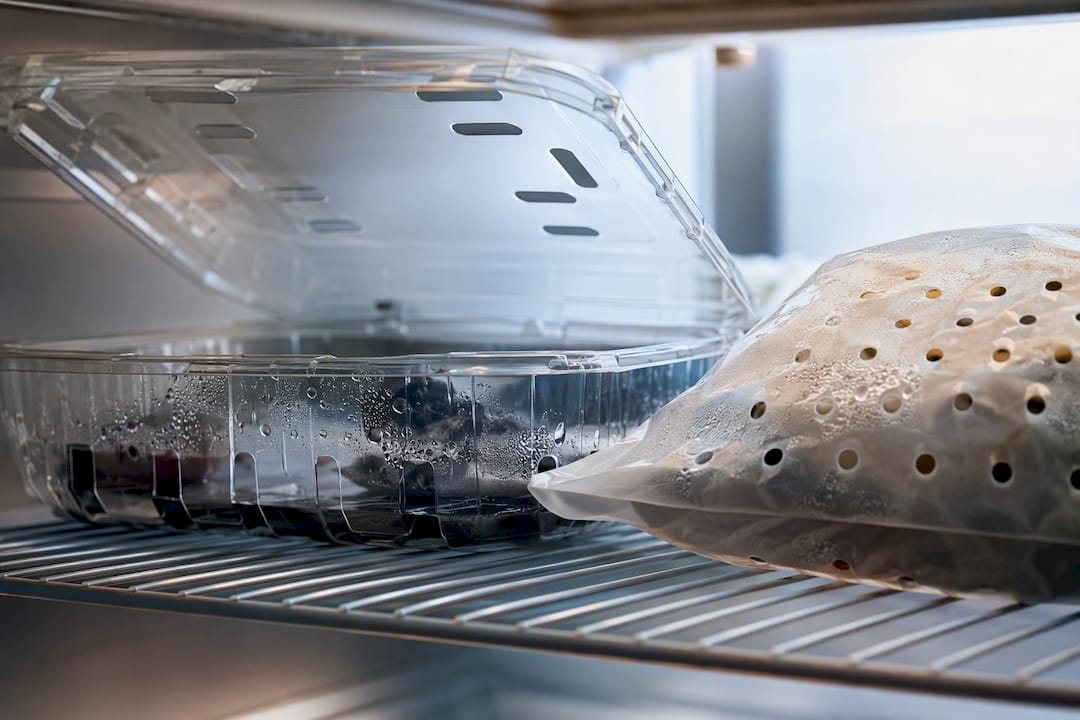
Clamshell containers, common for berries, allow airflow while limiting physical crushing, which is why berries sold this way tend to outlast loose berries piled in an open basket. Perforated plastic bags strike a middle ground for fruits like grapes and cherries, letting some ethylene escape while holding in enough humidity to prevent shriveling. Fully sealed bags with no ventilation are usually a mistake for fresh fruit since trapped ethylene and condensation both accelerate rot.
Modified atmosphere packaging, used by some commercial suppliers, adjusts the oxygen and carbon dioxide ratio inside sealed packaging to slow ripening dramatically. This is closer to the controlled-atmosphere storage mentioned earlier and it’s part of why some packaged fruit outlasts loose fruit from the same batch, though it’s not something available at the consumer level.
For home storage, the takeaway is straightforward: keep berries in their ventilated clamshell rather than transferring them to a sealed container, use perforated bags for grapes and cherries, and never seal ethylene-producing fruit in an airtight container unless you’re deliberately trying to speed up ripening.
The One Storage Habit That Actually Moves the Needle
Most advice on fruit shelf life treats every factor as equally important, and that’s where the conventional wisdom gets it wrong. Temperature control does more heavy lifting than humidity, ethylene separation, and packaging combined. Get the temperature right and you’ve already captured most of the available shelf life; the rest is fine tuning.
Where most home storage habits fall short isn’t ignorance, it’s inconsistency. People know berries go in the fridge, but they leave them on the counter for “just an hour” while unpacking groceries, or they store apples next to bananas without thinking about ethylene. Small lapses like that add up over a week.
If you take one thing from this article, prioritize speed to cold storage over any other single variable. A ripe peach that sits at room temperature for six extra hours has lost real shelf life it never gets back. The fanciest coating or container can’t undo that. Buy fruit that’s already been handled correctly, get it cold quickly, and keep it dry until you’re ready to eat it. That’s most of the battle, and it costs nothing extra to do right.
— Tai Kang
Fresher Fruit Without the Grocery Store Gamble
Grocery store fruit has already spent unknown days in transit and open-air bins before you touch it, which means you’re often buying fruit that’s lost a chunk of its shelf life before it reaches your cart. Taikanghealthyfruits skips that gap by inspecting every order and holding it in temperature-controlled storage right up until delivery.
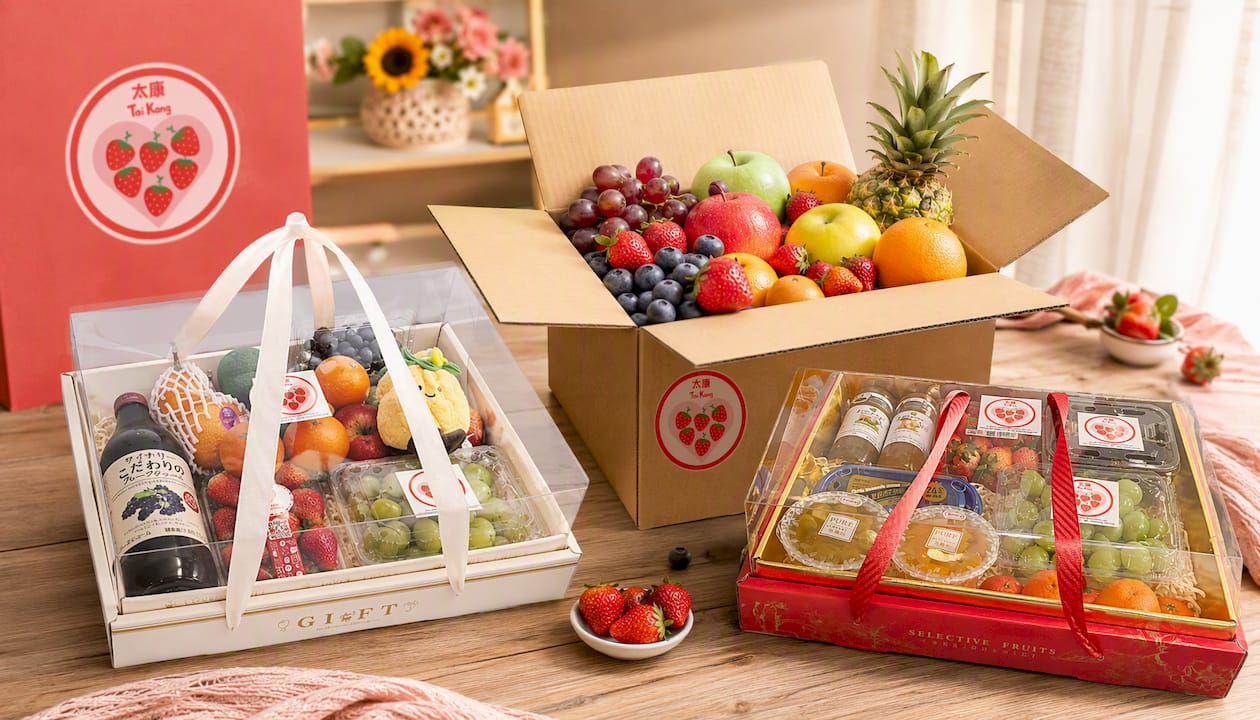
The bi-weekly fruits delivery subscription keeps a steady rotation of inspected, properly stored fruit coming to your door every two weeks for two months, so you’re never stuck buying more than you’ll eat before it turns. If you want something ready-made for gifting or a household treat, the Berries Bliss Medley gift box packs the most perishable fruits with extra care, and the Abundance Harvest Premium gift box covers a wider variety for anyone wanting quality and longer in-home freshness in one order. Each option comes with less waste, tighter quality control, and storage guidance built in. Start with the subscription plan if you want fruit that lasts the way it’s supposed to.
Where These Storage Numbers Come From
The perishability classes and fridge/freezer times here draw from extension fruit storage classification, FAO horticultural storage tables, and University of Tennessee extension storage data, with consumer-facing ranges cross-checked against FoodLasts fruit storage guides. Full temperature and humidity tables for dozens of crops are available in those sources for readers who want the deeper data.
Sources
- Extension: Classification of fruit storage life
- FAO — Storage of horticultural crops (recommended temps, RH, and storage life)
- Storage of Fresh Produce — University of Tennessee extension (table of temps and shelf-life)
- FoodLasts — Fruits shelf life & storage times
FAQ
What is the typical shelf life of fruits?
Fruit shelf life ranges from under 2 weeks for very perishable fruit like berries and figs to over 16 weeks for dried fruit and certain apples in cold storage, according to extension classification data.
Which fruits have the longest shelf life?
Apples, citrus, and pomegranates lead among fresh fruits, often lasting 4 to 8 weeks refrigerated, while dried fruits and nuts can hold for months at room temperature in sealed containers.
Does shelf life mean the same thing as an expiration date?
No. Shelf life is an estimate of how long fruit stays good under typical storage conditions, while an expiration or use-by date is a fixed baseline that doesn’t account for how you actually store the fruit at home.
How long will fruit last in the fridge?
It depends heavily on the fruit: berries typically last a few days to about a week refrigerated, grapes last a few weeks, and apples 4 to 6 weeks in a standard home fridge, based on temperature and shelf-life tables.
How can I tell if fruit has gone bad?
Look for visible mold, a sour or fermented smell, leaking or unusually soft spots, and skin that’s shriveled or discolored beyond normal ripening, all signs it’s time to toss the piece rather than trim around it.