
Fruits for Gut Health: Evidence Based Picks and a Two Week Trial
No single fruit fixes your gut. The best approach combines fiber- and polyphenol-rich fruits across categories: berries for microbial diversity, kiwifruit and prunes for regularity, apples and pears for pectin, and papaya for enzymatic digestion. Eating a wide variety of colorful whole fruits matters more than chasing one “superfood,” and how you prepare and ripen them changes the results, which the sections below break down fruit by fruit.
TL;DR:
- Consuming a variety of fruits like berries, kiwifruit, apples, pears, prunes, and papaya targets different gut mechanisms, from microbial diversity to regularity.
- Green bananas provide resistant starch that ferments in the colon, especially when unripe, positively affecting gut bacteria and short-chain fatty acid production.
- Short-term trials show kiwifruit and strawberries can improve transit time and reduce pathogenic bacteria, but responses vary based on individual gut health.
- Testing fruit effects through a two-week, structured trial with consistent servings helps identify personalized benefits, especially for constipation or diversity.
- Quality, freshness, and ripeness of fruit influence gut health outcomes, with thoroughly washed and properly stored produce preserving beneficial nutrients.
Table of Contents
- Best Fruits for Gut Health: What the Evidence Shows
- How Fruit Components Affect Digestion and the Microbiome
- What the Clinical Trials Actually Found
- Your Two-Week Fruit Trial: How to Test What Works for You
- Why Sourcing and Freshness Change the Outcome
- Why Variety Beats Chasing One “Best” Fruit
- Try These Gut-Friendly Fruits This Week
- Sources
- FAQ
Best Fruits for Gut Health: What the Evidence Shows
Not all fruits earn their reputation the same way. Some work by adding bulk to stool, some by feeding specific bacterial strains, and some by delivering enzymes that break down protein. Knowing which mechanism you need determines which fruit belongs on your plate.
Berries (blueberries, strawberries, raspberries)
Berries carry some of the highest polyphenol concentrations of any commonly eaten fruit, mostly in the form of anthocyanins. In a 10-week strawberry intervention, older adults saw a measurable shift in gut microbial diversity, with beta diversity changing significantly (weighted UniFrac P = 0.0035) and a drop in potentially pathogenic bacteria (P = 0.04). Faecalibacterium and Prevotella, both linked to short-chain fatty acid production, rose during the trial.
Trial finding: A 10-week course of strawberries raised beneficial, SCFA-producing bacteria and lowered pathogenic species in older adults, according to the intervention published in this gut microbiome study.
Berries also work well raw, frozen, or blended into oats, since freezing doesn’t meaningfully degrade the anthocyanin content. IBS caution: blackberries and raspberries carry moderate fructose loads, so start with half-cup servings if you’re fructose-sensitive.
Apples and pears
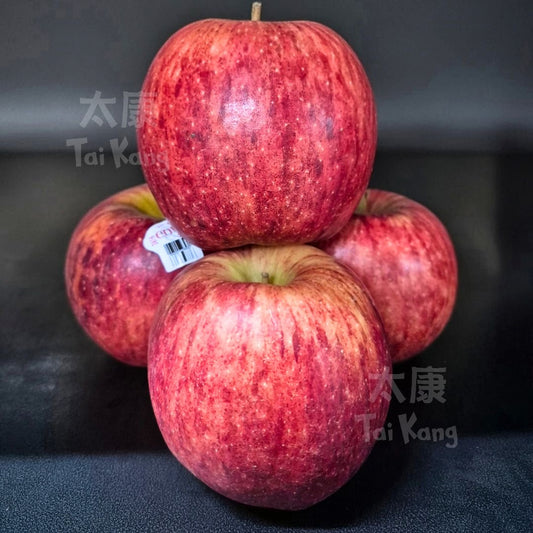
Pectin, a soluble fiber, makes up roughly 30% of an apple’s total fiber. Pectin ferments slowly in the colon, feeding bacteria over hours rather than causing a rapid sugar spike. Pears carry a similar pectin profile plus more fructose relative to glucose, which is worth noting if you’re sensitive to fruit sugars. Eating the skin roughly doubles the polyphenol and pectin intake compared to peeled fruit, since both concentrate in and just beneath the skin.
Kiwifruit
Kiwifruit is one of the few fruits with direct trial evidence for improving transit time. Research on kiwifruit consumption shows it increases small bowel and fecal water content, with the strongest effects showing up in people who were already constipated rather than in people with normal bowel function. That’s an important nuance: kiwifruit is not a universal transit accelerant, it’s a targeted fix for sluggish gut motility. Two kiwifruit a day, skin optional, is the serving size most trials use. Zespri Golden Kiwi delivers that same golden-fleshed variety with a milder, sweeter profile than green kiwi, which makes daily servings easier to stick with. For more on dosing specifics, see the constipation-focused breakdown of fruit-based fixes.

Prunes and apricots
Prunes combine sorbitol, a sugar alcohol your gut absorbs poorly, with insoluble fiber. That combination pulls water into the colon and adds bulk simultaneously, which is why prunes consistently outperform most other fruits in stool-output studies. Research on fruit and gut motility found that prunes, raisins, and apple fiber isolate increase fecal weight more reliably than fresh fruit alone. Dried apricots work similarly but with a milder sorbitol dose. Three to five prunes daily is the range used in most constipation trials; going higher risks cramping and gas.
Papaya
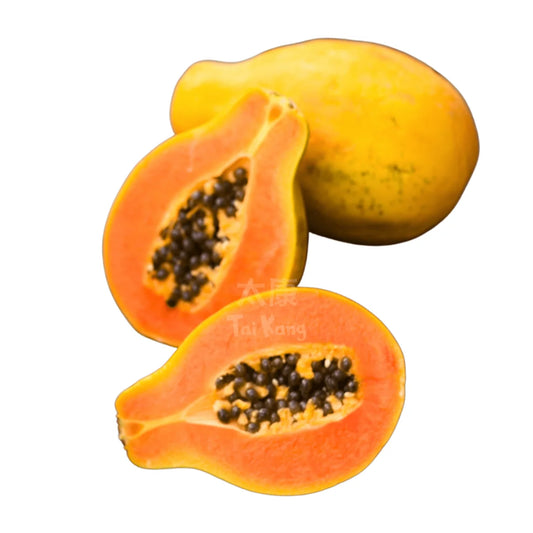
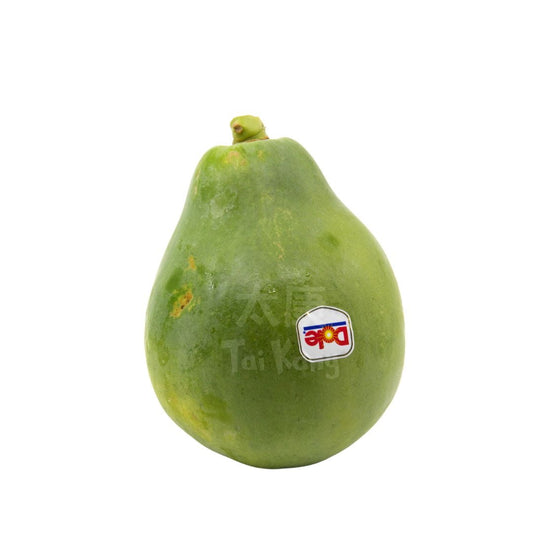
Papaya contains papain, a proteolytic enzyme that helps break down protein before it reaches the lower gut, where undigested protein can otherwise feed less desirable bacteria. Papaya also carries a decent fiber load and mild natural laxative properties from its fiber content and moisture. A half papaya after a protein-heavy meal is a common, well-tolerated serving. More on papaya’s enzyme content and serving ideas is available in this papaya guide.
Green (unripe) banana
An unripe banana is almost entirely resistant starch, a type of fiber that your small intestine can’t break down, so it travels intact to the colon where bacteria ferment it into short-chain fatty acids. As bananas ripen, that resistant starch converts to simple sugars, which is why a green banana and a spotted, ripe one behave almost like two different foods for gut purposes. If you want the prebiotic effect, buy them firm and green tipped, not yellow.
Grapes
Grapes deliver a concentrated dose of polyphenols, particularly in the skin, along with a modest fiber contribution. USA Sweet Globe Seedless Green Grapes are a practical way to get that polyphenol load without the mess of pitting or peeling, which makes them one of the easier fruits to eat consistently as a snack. Their portability is underrated: a small container travels well for work or school lunches, unlike softer fruits that bruise easily.

Pomegranate
Pomegranate’s punicalagins, a class of polyphenol unique to the fruit, are metabolized by gut bacteria into urolithins, compounds studied for their anti-inflammatory activity. The seeds also add roughage. A half cup of arils a few times a week is a reasonable way to work pomegranate into a diverse fruit rotation without overloading on any single sugar type.
Figs and fig paste
Figs combine soluble fiber with a modest prebiotic effect and were specifically studied alongside kiwifruit and apple fiber isolate for their transit-time benefits in constipation research. Fig paste concentrates that fiber further, since drying removes water but keeps the fiber intact. If you’re curious how fig products fit into a broader fiber-forward diet, this look at fig jam in Mediterranean eating covers practical ways to use it beyond eating figs whole.
Mango
A 12-week crossover study found that people eating just 100 kcal of mango daily, roughly three quarters of a cup, showed higher alpha diversity indices by week four compared to a control group. Alpha diversity measures how many different bacterial species live in your gut, and more diversity generally correlates with better metabolic and immune outcomes. Mango’s effect appears to come from a combination of fiber, polyphenols, and carotenoids rather than any single compound.
A mixed berry approach
If choosing among a dozen fruits sounds like more decision-making than you want on a Tuesday morning, a curated mix like the Berries Bliss Medley Gift Box solves the variety problem in one order. Mixing blueberries, strawberries, and raspberries in the same bowl means you’re getting several distinct anthocyanin profiles at once, which lines up with the broader finding that dietary variety, not any single fruit, drives microbiome diversity.
How Fruit Components Affect Digestion and the Microbiome
Fruits affect your gut through four main mechanisms, and knowing which one you’re targeting helps you pick the right fruit instead of guessing.
Fiber comes in two forms that do different jobs. Soluble fiber, like pectin in apples, dissolves in water and forms a gel that slows digestion and feeds bacteria steadily. Insoluble fiber, found in fruit skins and seeds, doesn’t dissolve. It adds bulk and speeds up transit by giving your colon something physical to push along. Resistant starch, found in green bananas, behaves like a hybrid: it resists digestion in the small intestine entirely and arrives in the colon intact, where it ferments slowly and produces short-chain fatty acids like butyrate, which feeds the cells lining your colon wall.
Polyphenols work differently than fiber. Most of the polyphenols you eat, whether from berries, grapes, or pomegranate, aren’t absorbed in the small intestine. Instead, they travel to the colon largely intact, where resident bacteria break them down into smaller, more bioactive compounds. The International Scientific Association for Probiotics and Prebiotics has described this as a “prebiotic-like effect”, because the process selectively favors beneficial genera like Bifidobacterium and Lactobacillus over less desirable ones.
Sorbitol takes a more direct route. This sugar alcohol, concentrated in prunes and apricots, isn’t absorbed efficiently by the small intestine. It stays in the gut and draws water in through osmosis, which softens stool and speeds transit. It’s mechanically simple, which is exactly why prune-based interventions show up so consistently in constipation research.
Enzymes and water content round out the picture. Papain in papaya and actinidin in kiwifruit both help break down dietary protein, which reduces the amount of undigested protein reaching your colon. That matters because bacteria that ferment protein rather than fiber tend to produce more inflammatory byproducts. Water content matters too. High-water fruits like watermelon and citrus add hydration directly to stool, which is a smaller effect than fiber or sorbitol but still relevant if you’re mildly dehydrated, since dehydration is one of the most common, overlooked causes of hard stool.
Put together, transit time responds best to sorbitol and insoluble fiber. Microbial diversity responds best to polyphenols and resistant starch. Inflammation markers respond most to polyphenol-heavy fruits eaten consistently over weeks, not days.
What the Clinical Trials Actually Found
A comprehensive review of fruit-based diets and gut health concludes that fiber and polyphenol intake from fruit reliably increases short-chain fatty acid production and microbial diversity across the studies it examined, though the review is upfront that effect sizes vary considerably depending on baseline diet, age, and existing gut composition. That last point is easy to skip past, but it’s the most honest caveat in the literature: a 25 year old eating a high-fiber diet already will see less change from adding kiwifruit than a 60 year old coming from a low-fiber baseline.
The kiwifruit evidence is some of the most consistent in the fruit-and-gut literature. Trials reviewed in Food & Function found that kiwifruit increases fecal and small-bowel water content, with the clearest benefit in participants who were constipated at baseline. Asymptomatic participants saw smaller changes, which tells you kiwifruit functions more like a targeted intervention for sluggish digestion than a blanket gut booster.
The strawberry trial referenced earlier deserves a second look here because of its specificity. Over 10 weeks, researchers tracked measurable shifts in beta diversity (P = 0.0035) alongside a documented reduction in potentially pathogenic bacteria (P = 0.04). Those P-values indicate the changes were unlikely due to chance, but the study population was older adults, so results may not translate identically to younger or already-healthy guts.
| Trial | Fruit | Duration | Key finding |
|---|---|---|---|
| Strawberry microbiome intervention | Strawberries | 10 weeks | Beta diversity shift (P = 0.0035); pathogenic bacteria reduced (P = 0.04) |
| Mango alpha diversity crossover | Mango | 12 weeks | Higher Shannon-Wiener and Simpson indices by week 4 |
| Kiwifruit transit studies | Kiwifruit | Varies by trial | Increased fecal and small bowel water, most pronounced in constipated subjects |
A theme across these studies is worth sitting with: the same fruit produces different results in different people, depending on what their gut looked like before the trial started. That’s not a weakness in the research. It’s a reminder that gut health interventions are individualized, not one-size-fits-all.
The mango trial adds a different kind of evidence. Rather than measuring stool output, it tracked alpha diversity, the count and evenness of bacterial species present. Higher Shannon-Wiener and Simpson indices appeared by week four in the mango group, suggesting that even a modest 100 kcal daily serving can shift microbial composition within a month. None of these trials are large by pharmaceutical standards, and heterogeneity across study populations means the numbers describe trends, not guarantees for any one person.
Your Two-Week Fruit Trial: How to Test What Works for You
Guessing which fruit helps your gut wastes time. Running a short, structured trial gets you an answer in two weeks.
- Pick one fruit category to test first. Start with whichever goal matters most: kiwifruit or prunes for regularity, berries or mango for diversity-focused support.
- Eat it whole, not juiced. Juicing strips most of the fiber that makes the fruit useful in the first place; smoothies retain more fiber than juice but still break down cell walls that slow-release the polyphenols.
- Match ripeness to your goal. Buy green-tipped bananas for resistant starch, not spotted ones. Eat apple skin on, not peeled, for maximum pectin and polyphenol content.
- Log four things daily: bowel frequency, stool form (using a simple 1 to 7 scale), bloating, and any new discomfort.
- Hold the serving steady for 14 days. Two kiwifruit daily, three to five prunes, or a cup of mixed berries, whichever you chose, without changing the amount midweek.
- Reassess at day 14. If regularity improved but bloating increased, you likely hit a fiber or fructose threshold; scale back the serving rather than switching fruit entirely.
Pro Tip: Pair your trial fruit with a fiber-containing meal rather than eating it alone on an empty stomach. Fiber digests more smoothly when there’s already some food moving through the gut, which cuts down on the bloating some people get from a sudden fiber increase.
If you’re managing IBS, be selective before you start. High-sorbitol fruits, prunes, apricots, apples, and pears, sit in the FODMAP category that commonly triggers symptoms in sensitive guts. Reduce the serving to a quarter of what’s suggested above, or work with a dietitian before adding sorbitol-heavy fruit to a rotation. Staying hydrated matters just as much as fruit choice, since fiber without adequate water intake can worsen constipation instead of relieving it.
Why Sourcing and Freshness Change the Outcome
A fruit’s gut benefit depends on more than which fruit you choose. Pesticide residue is a factor worth taking seriously: research on pesticide exposure and the gut microbiome has flagged potential shifts in microbial composition tied to residue levels, which is part of why washing produce thoroughly, or buying from suppliers with documented inspection standards, isn’t just a marketing point, it’s a practical step.
Some fruit retailers source fruit from growers vetted for quality and store products in temperature-controlled conditions before delivery. That matters more for gut health than most people realize, because polyphenols and vitamin C degrade with heat and time. A berry that sat at room temperature for three days has measurably less antioxidant content than one refrigerated promptly after picking. Customers have rated that consistency highly in online reviews, and some brands offer rewards programs that encourage repeat, predictable freshness rather than one-off purchases.
A few storage basics worth knowing: keep berries dry and unwashed until just before eating, since surface moisture accelerates mold growth. Store kiwifruit at room temperature until it yields slightly to gentle pressure, then refrigerate to slow further ripening. For more on choosing fruit by season, this seasonal freshness guide breaks down what’s typically at peak quality month to month.
Some retailers sell the fruit discussed throughout this guide, and product links to relevant items appear in the section below for anyone who wants to put this research into practice without hunting through a grocery aisle.
Why Variety Beats Chasing One “Best” Fruit
The instinct to find one perfect gut-health fruit is understandable, but it misreads the evidence. The American Gut Project found meaningfully higher microbial diversity in people eating 30 or more plant types weekly compared to those eating 10 or fewer. That number matters more than any single fruit’s individual trial data, because diversity of intake, not intensity of one food, appears to be the real driver.
Where conventional advice falls short is treating fruits as interchangeable fiber delivery devices. They’re not. Sorbitol-driven fruits and polyphenol-driven fruits work through different pathways and solve different problems, so lumping “eat more fruit” into one blanket recommendation misses the more useful, targeted approach: pick fruits for regularity when that’s the issue, and different fruits for microbial diversity when that’s the goal.
If there’s one thing worth prioritizing first, it’s rotation over restriction. Don’t settle into eating the same two fruits daily because they’re familiar. Rotate through berries, kiwifruit, apples, and stone fruits across a normal week, and let ripeness and preparation, not brand names or superfood labels, guide how you eat them.
— Tai Kang
Try These Gut-Friendly Fruits This Week
Reading about kiwifruit trials and strawberry microbiome studies is one thing. Actually stocking your kitchen with fruit that matches your specific goal is another. Some fruit providers emphasize quality inspection and temperature-controlled handling to preserve polyphenol and vitamin content until delivery, unlike fruit that’s spent days on a warehouse shelf.

If regularity is your main concern, Zespri Golden Kiwi is the closest match to the trial conditions described above, two a day is the serving worth testing first. For microbial diversity, the Berries Bliss Medley Gift Box combines three distinct polyphenol profiles in one order, which sidesteps the hassle of buying separate berry containers. And if you want a portable, no-prep snack to carry the polyphenol habit through a workday, USA Sweet Globe Seedless Green Grapes travel better than almost any other fruit on this list.
These fruits are often available as single purchases, mixed into larger boxes, or through recurring subscriptions. Delivery options and quality assurance vary by retailer. Choosing slightly firmer fruit at checkout can give you a few extra days of peak ripeness once it arrives. Starting a two-week trial with fresh fruit may help evaluate gut health benefits.
Sources
- Strawberry dietary intervention and gut microbiome changes
- Fruits and their impact on the gut microbiota, gut motility and constipation - RSC Publishing
- 9 Fruits With the Most Prebiotics For Better Gut Health — TODAY
FAQ
What are the signs of an unhealthy gut?
Common signs include irregular bowel movements, persistent bloating, fatigue, skin issues, and frequent food sensitivities, though these can also stem from causes unrelated to diet. Persistent symptoms are worth discussing with a healthcare provider rather than self-diagnosing from a list.
What are the best fruits for gut health overall?
Berries, kiwifruit, apples, pears, and prunes have the strongest research backing, each working through a different mechanism: polyphenols for diversity, sorbitol and fiber for regularity. Variety across these categories outperforms relying on any single fruit.
How can I improve gut health naturally?
Increasing fruit and plant variety, staying hydrated, and eating fiber consistently rather than sporadically are the most evidence-backed natural steps. The American Gut Project data suggests eating 30 or more distinct plant types weekly meaningfully supports microbial diversity.
What heals the gut the fastest?
No fruit or food produces overnight results, but kiwifruit and prunes show measurable transit-time changes within days in people who are constipated, based on trial data on fruit and gut motility. Microbial diversity shifts, by contrast, tend to take several weeks of consistent intake to show up.
Can I get the same gut benefits from fruit juice or smoothies?
Whole fruit outperforms juice for gut benefits because juicing removes most of the fiber that feeds beneficial bacteria and slows sugar absorption. Smoothies retain more fiber than juice, but blending breaks down cell walls, which still reduces the slow-release effect whole fruit provides.