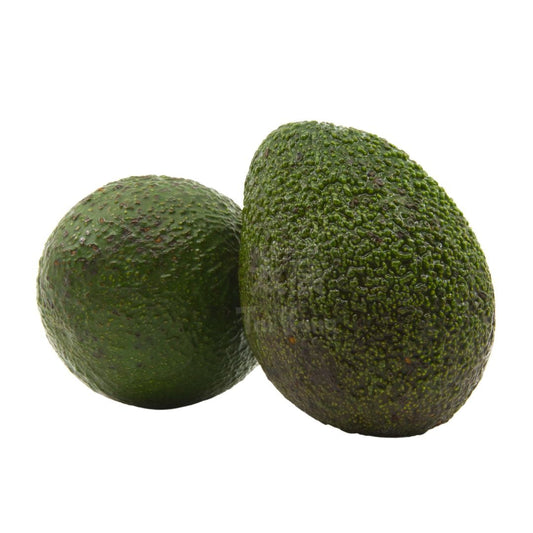

Hangover Fruit: Korean Pear Juice Cut Severity by 16% in a Trial
Pears, especially Korean pear juice, coconut water, bananas, sweet lime, and watermelon top the list of fruit choices most likely to ease hangover symptoms. These options can support hydration, and some have shown potential in research on alcohol byproduct processing. Fruit will not erase a hangover, so start with water, then add one of these to take the edge off while your body does the rest.
TL;DR:
- A randomized crossover trial found Korean pear juice reduced total hangover severity by 16% and average severity by 21% at 15 hours versus placebo.
- A pear, grape, and Angelica keiskei juice blend reduced thirst and headache scores and lowered peak blood alcohol levels versus water in a crossover trial.
- Pear, sweet lime, and coconut water enzyme gains came from lab assays, not human trials, so they do not prove symptom relief.
- Choose whole pear, banana, or melon if nausea or stomach irritation makes citrus uncomfortable, and check juice labels for added sugar.
- A study found no significant link between body water changes and hangover symptoms, while vitamin or mineral supplements alone did not meaningfully help.
Table of Contents
- 1. Fruits and fruit drinks worth trying first
- 2. What the research actually shows about fruit and hangovers
- 3. Step-by-step: using fruit for hangover relief at home
- 4. How to shop for and store hangover-friendly fruit
- 5. Why we lean on fresh fruit over quick fixes
- Quick ways to stock up on hangover-friendly fruit
- FAQ
- Sources
1. Fruits and fruit drinks worth trying first
Some fruits have actual trial or lab data behind them, and some are just good, gentle food for a rough morning. Here is how to rank and use the most useful ones.
Korean pear (Pyrus pyrifolia cv. Shingo) has the strongest research backing of any fruit on this list. A randomized single-blind crossover trial found that drinking Korean pear juice reduced total hangover severity by 16% and average severity by 21% measured 15 hours after drinking, compared with a placebo, and it also lowered blood alcohol levels in participants. If you can find Korean pear juice, a glass before bed or first thing in the morning is the single most evidence-backed move in this article. Regular pears, sliced or juiced, are a reasonable substitute when Korean pear is not available.

Coconut water is less about enzymes and more about basic hydration. It carries natural potassium and sodium, which helps replace fluid and electrolytes lost through drinking and urination. A bottle of coconut water, sipped slowly rather than gulped, can work as a mid-morning rehydration drink. For a deeper look at which fruits and fruit waters hydrate best, see our guide to hydrating fruits by water percentage.
Banana brings potassium and gentle, slow-digesting carbohydrates that help steady blood sugar, which tends to dip after a night of drinking. Blended into a smoothie with a splash of milk or yogurt, or eaten plain as a quick snack, a banana is one of the easiest things to get into your body when food feels unappealing.
Sweet lime and other citrus show up in lab research alongside pear and coconut water. In vitro studies found that a beverage formulated with 65% pear, 25% sweet lime, and 10% coconut water increased alcohol dehydrogenase (ADH) activity by 23.31% and aldehyde dehydrogenase (ALDH) activity by 70.02% in assay testing. These are enzymes the body uses to break down alcohol, so a boost in their activity is a plausible reason citrus-pear-coconut combinations keep appearing in hangover research. Stick to whole citrus or fresh-squeezed juice rather than sugary bottled varieties, since added sugar can work against stable blood sugar.
Watermelon is mostly water by weight, which makes it an easy, low-effort way to rehydrate, and the same enzyme research that covers pear and sweet lime includes watermelon among fruits showing some ADH activity in lab testing. Cold watermelon wedges or a quick blend into juice is about as simple as hangover food gets.
Grapes, particularly in combination with pear and the herb Angelica keiskei, were tested directly in a randomized crossover trial of a mixed juice called AGP. The mixed formula showed reduced thirst and headache scores compared with water, along with lower peak alcohol levels. Straight grape juice alone has not been tested the same way, but grapes are a reasonable addition to a mixed fruit drink modeled on that research.
Berries are rich in antioxidants and easy to eat in volume, which makes them a pleasant, palatable choice even when appetite is low. The enzyme research covering pear, citrus, and watermelon does not extend to berries in the same way, so treat them as a comfortable, nutrient-dense snack rather than a targeted remedy.
Tomato and tomato juice are often reached for because they are savory rather than sweet, which can sit better with nausea than another sugary drink. The fluid content helps with rehydration, and the mild acidity and flavor make it easier to get something into your stomach when sweet food feels wrong.
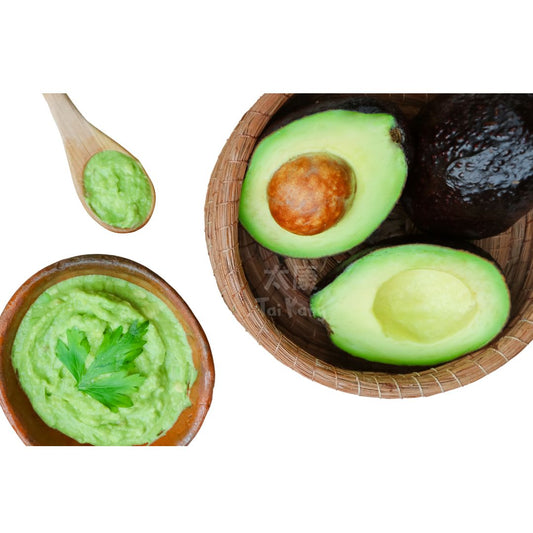
Mango and avocado are heartier options for anyone who wants real food rather than a light snack. Both offer steady carbohydrates or healthy fat that can help with satiety and blood sugar stability through the rest of the day, functioning more like a meal component than a quick fix.
A few starting points to build on:
- Pear shot: blend or juice two ripe pears with a splash of water for a quick, concentrated dose.
- Banana smoothie: one banana, a cup of milk or yogurt, and a handful of ice.
- Mixed fruit juice: pear, grape, and a small piece of ginger, loosely modeled on the AGP research combination.
Pro Tip: Add a thin slice of fresh ginger to any fruit smoothie if nausea is the main complaint. Our partner’s guide to ginger shot benefits covers how a small dose may help settle an upset stomach.
2. What the research actually shows about fruit and hangovers
It helps to know which claims come from real human trials and which come from lab testing on enzymes in a dish, because they support very different levels of confidence.
The Korean pear trial is the clearest human evidence available. It was a randomized, single-blind crossover design, meaning the same participants drank both pear juice and a placebo on separate occasions, which strengthens the comparison.
A randomized crossover trial found a mixed pear, grape, and Angelica keiskei juice reduced thirst and headache scores and lowered peak blood alcohol levels compared with water, as reported by the trial published in PMC. That trial, often referred to by the juice’s name AGP, also found higher in vitro ADH and ALDH activity associated with the mixture, which lines up with the enzyme research on individual fruits.
The enzyme research itself comes from in vitro testing, meaning it was conducted in lab assays rather than in people drinking alcohol. The review on food commodities and hangover enzyme activity found that pear alone increased ALDH activity by roughly 90.98% in some assays, and that a formulated beverage combining pear, sweet lime, and coconut water produced a 23.31% increase in ADH and a 70.02% increase in ALDH. These are promising mechanistic findings, but a strong result in a test tube does not automatically translate into a noticeable difference for a person nursing a hangover the next morning. The same review notes that antioxidant content alone does not reliably predict whether a food will help with hangovers, which is one reason pear stands out: its effect appears tied to enzyme activity rather than just general nutrient density.

Genetics also play a real role in why fruit-based remedies might work better for some people than others. The AGP trial pointed to ALDH2 variation as a factor in how individuals process alcohol byproducts, and the Korean pear trial found that symptom improvement differed by genotype as well. Some people carry an ALDH2 variant that slows acetaldehyde clearance, which could mean certain fruit-enzyme interactions matter more for some drinkers than others, though this is an area where more individual-level research is still needed.
It is worth being direct about the limits here. The NIAAA states plainly that there is no scientifically proven cure for a hangover, because the body has to metabolize alcohol’s byproducts over time regardless of what you eat or drink. A separate randomized double-blind placebo-controlled study found no significant relationship between body water variation and hangover symptoms, and plain vitamin or mineral supplementation alone did not meaningfully improve symptoms, though a food product containing plant extracts showed some benefit. That lines up with the NIAAA’s broader point that electrolyte disturbance from alcohol may be minor for many drinkers, so loading up on electrolyte products is not the guaranteed fix it is sometimes marketed as. Fruit can help you feel somewhat better and stay hydrated, but it works alongside time, not instead of it.
3. Step-by-step: using fruit for hangover relief at home
A hangover routine built around fruit works best with a clear order of operations rather than grabbing whatever is on the counter.
- Drink a full glass of water first. Rehydration should start before any fruit or juice, since dehydration from alcohol’s diuretic effect is one of the most immediate, fixable parts of feeling bad.
- Follow with a fruit or fruit drink from the list above. Coconut water or a few watermelon wedges work well as a second step if you are still thirsty; pear juice is the better choice if you want the option with the most direct trial support.
- Make a pear-based drink if you have the ingredients. The Korean pear trial used pear juice alongside the alcohol dose tested. For a home version, a glass of fresh or bottled pear juice is a reasonable, practical serving, since most people are not trying to replicate an exact lab protocol.
- Build a mixed juice if you want to approximate the AGP research. Combine pear and grape juice in roughly equal parts, with a small piece of ginger or a leafy green blended in if you want to get closer to the Angelica keiskei component used in that trial.
- Add light carbohydrates or protein alongside the fruit. A banana with a spoonful of peanut butter, or a smoothie with yogurt mixed in, helps steady blood sugar rather than letting a sugary juice cause a spike and a crash later. Our post-workout fruit and protein pairing guide covers similar pairing principles that apply here too.
- Choose whole fruit over juice when your stomach feels sensitive. Whole fruit digests more slowly and is gentler than a glass of concentrated juice, and it comes with fiber that juice lacks. Our breakdown of juice serving sizes versus whole fruit explains why whole fruit is often the better call even outside of hangover recovery.
- Skip very acidic fruit if you already feel nauseated or have stomach irritation. Citrus and pineapple can aggravate an already upset stomach, so lean toward pear, banana, melon, or coconut water instead until your stomach settles.
Pro Tip: If you take regular medication, check with a pharmacist before relying heavily on grapefruit or other strong citrus the morning after drinking, since citrus can interact with certain prescriptions.
4. How to shop for and store hangover-friendly fruit
Having the right fruit on hand before you need it makes the whole routine easier to follow the morning after.
- Choose pears that give slightly at the stem end rather than rock-hard ones, since a ripe pear juices more easily and tastes better blended.
- Pick bananas with a few brown spots if you want them ready to eat or blend immediately, and greener ones if you are buying a few days ahead.
- Thump watermelon for a hollow sound and look for a creamy yellow spot on the rind, both signs of ripeness.
- Check packaged juice labels for “no added sugar” and pasteurization details, since some bottled pear and grape juices include extra sweeteners that work against stable blood sugar.
- Keep cut fruit refrigerated and used within two to three days for best flavor and nutrient retention, and store whole pears and bananas at room temperature until they ripen, then refrigerate.
- Favor whole fruit over juice when possible, since juice strips out the fiber that helps slow sugar absorption, a point covered in more depth in our fruit and wellness guide.
For anyone who wants a shortcut to variety without separate trips for pears, bananas, citrus, and watermelon, a mixed fruit box is a practical way to always have options ready. Our Fruitastic Basket and Abundance Harvest Premium Gift Box both include a mix of fresh fruit types, so there is usually something suitable on hand regardless of what a particular morning calls for.
5. Why we lean on fresh fruit over quick fixes
We think fruit deserves more credit in hangover recovery than it usually gets, not as a miracle cure, but as a practical, low-effort way to support a body that is already doing the work of clearing alcohol byproducts on its own. A ripe pear or a simple banana smoothie takes less effort than mixing a supplement packet and tends to sit better on a rough stomach.
That is part of why we are careful about freshness. Every fruit we sell goes through hand inspection and sits in temperature-controlled storage before it reaches you, because a soft, overripe pear or a bruised banana is not something anyone wants to deal with on a hangover morning. Our customer reviews reflect how consistently that quality shows up at the door.
Our own habit: keep at least one pear and a banana in the kitchen at all times, especially heading into a weekend. Blending a smoothie takes little effort, and that is often all a hangover morning can handle.
— Tai Kang
Quick ways to stock up on hangover-friendly fruit
Getting the right fruit into your kitchen before you need it is half the work, and we offer a few ready-made options built for exactly that kind of convenience.
- Snacks - All time favourites work well as a grab-and-go option for mornings when a full smoothie feels like too much effort.
- Fruitastic Basket, our best seller, gives you a ready mix of fresh fruit types, which means pears, bananas, and citrus are already on hand for a smoothie or juice without a separate grocery run.
- Abundance Harvest Premium Gift Box is a larger, premium variety box, useful if you are stocking up for a household or want enough fruit on hand for several recovery mornings in a row.

All three ship with the same hand inspection and temperature-controlled handling we apply to everything in our catalog, so the fruit that arrives is close to what you would pick out yourself. For ongoing supply rather than a one-time order, our fruit delivery subscription keeps a fresh rotation coming regularly, so pears and bananas can be restocked before you run out. Browse the full catalog, including vegetables and more gift and snack options, on our home page to start an order.
FAQ
How can I get rid of a hangover fast?
There is no fast fix, since the NIAAA confirms no scientifically proven hangover cure exists and the body needs time to clear alcohol byproducts. Drinking water first, then eating something gentle like a banana or pear, along with rest, is the most realistic way to feel better sooner rather than instantly.
Is popcorn good to eat after drinking?
Plain popcorn can be a reasonable light snack after drinking because it offers some fiber and carbohydrates without being heavy on the stomach. It is not a targeted hangover remedy, so pairing it with hydrating fruit like watermelon or coconut water is a more complete approach.
Is white rice good for a hangover?
White rice is a mild, easy-to-digest carbohydrate that can help settle an unsettled stomach and provide steady energy. It does not address hydration or alcohol metabolism directly, so combining it with a hydrating fruit or fruit drink covers more ground.
What foods should I avoid during a hangover?
Very greasy, spicy, or heavily acidic foods tend to aggravate an already sensitive stomach, and strong black coffee can worsen dehydration due to its diuretic effect. Sticking to gentle, hydrating options like pear, banana, watermelon, and plain carbohydrates is generally easier on the body.
Which fruits have the most research support for hangover relief?
Korean pear has the strongest clinical trial support, with a randomized crossover study showing measurable reductions in hangover severity. Pear, sweet lime, and coconut water also show enzyme-boosting effects in lab-based studies, making them the most evidence-backed choices among common fruits.
Sources
- Hangovers | National Institute on Alcohol Abuse and Alcoholism (NIAAA)
- Effect of Korean pear (Pyruspyrifolia cv. Shingo) juice on hangover severity following alcohol consumption
- Influence of food commodities on hangover based on alcohol dehydrogenase and aldehyde dehydrogenase activities - PMC