
13 Hydrating Fruits by Water %: Electrolytes, Warnings, Tai Kang
Cucumbers, watermelon, and tomatoes top the list of hydrating fruits, each running more than 90% water by weight. They pull real weight against dehydration, but fruit works alongside drinking water rather than instead of it. What fruit adds that plain water can’t is a mix of electrolytes, fiber, and antioxidants that help your body actually hold onto that fluid.
TL;DR:
- Fruits like watermelon, strawberries, and cantaloupe contain over 90% water, making them effective hydration sources when eaten regularly.
- Potassium and magnesium-rich fruits such as watermelon and citrus help regulate fluid balance at the cellular level, enhancing hydration.
- Consuming whole fruits with high water content and fiber supports gradual hydration and better absorption compared to fruit juices.
- Overeating hydrating fruits can cause digestive issues and blood sugar spikes, especially in sensitive individuals or when consumed in large portions.
- Rotating a variety of high-water fruits throughout the week improves overall nutrient intake and hydration benefits more than focusing on a single fruit.
Table of Contents
- The Best Fruits for Hydration, Ranked by Water Percentage
- Why Water-Rich Fruits Do More Than Plain Water
- How to Actually Fit These Into Your Day
- Cautions Worth Knowing Before You Load Up
- How Tai Kang Makes Hydrating Fruit Easy to Get Right
- Hydrating Fruit Options for Different Diets
- Can You Eat Too Much Hydrating Fruit?
- What This List Gets Right That Most Hydration Advice Misses
- Fresh Hydrating Fruit, Delivered to Your Door
- Sources
- FAQ
The Best Fruits for Hydration, Ranked by Water Percentage
Water content varies more than most people assume, and the ranking below leans on figures from Healthline’s water-rich foods breakdown and the Ohio State Health & Discovery guide to daily water intake. Anything above 80% water counts as a meaningful hydration source, and most fruits on this list clear that bar by a wide margin. A few entries here (cucumber, tomato, zucchini) are technically fruits in the botanical sense even though most cooks treat them as vegetables, and their water numbers are too good to leave out.
- Cucumber, very high water content. Almost nothing beats it. Slice it into ice water for a zero-effort infusion, or toss it into a Greek salad where it adds crunch without diluting flavor.
- Iceberg lettuce, very high water content. Not a fruit botanically, but it belongs in the conversation because it’s the base of so many hydrating meals. Layer it under grilled chicken for a lunch that hydrates as much as it fills you up.
- Celery, very high water content. High in potassium too. Dip stalks in hummus for a snack, or blend into a green juice for a savory hydration boost.
- Tomato, high water content. Rich in lycopene, the antioxidant that gives tomatoes their red color. Great in gazpacho, sliced with olive oil, or roasted alongside dinner.
- Zucchini, high water content. Mild enough to sneak into almost anything. Spiralize it for a light pasta swap or grill it for a side dish that barely needs seasoning.
- Watermelon, about 90% water. The classic summer hydrator, and for good reason: it pairs high water content with lycopene and a decent dose of potassium, according to dietitians interviewed by TODAY. Cube it for snacking or blend it into a post-workout smoothie.
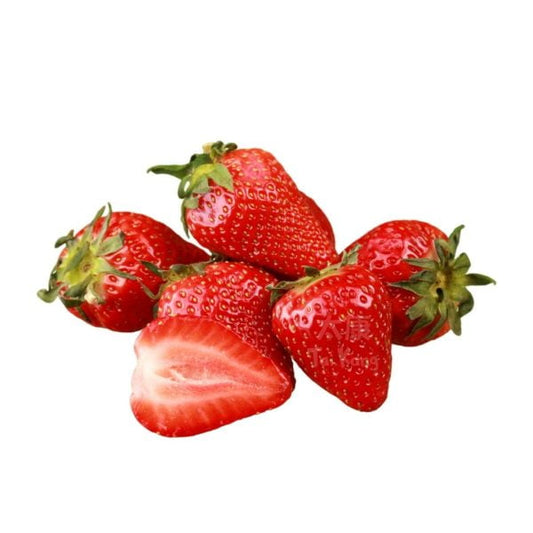
- Strawberries, about 91% to 92% water. Loaded with vitamin C and fiber on top of the water content. Add them to oatmeal, blend into a fruit water pitcher, or eat them plain.
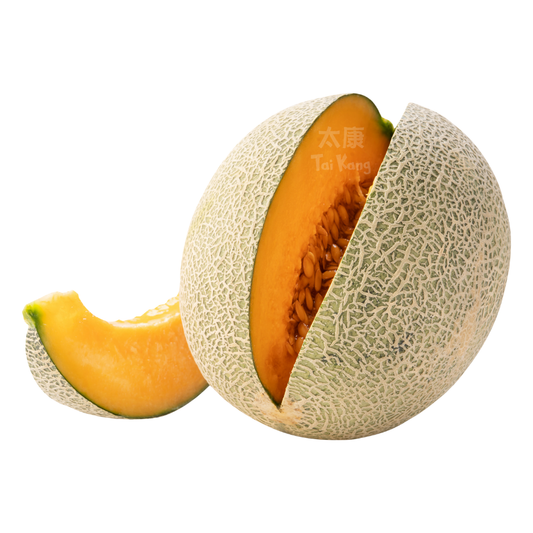
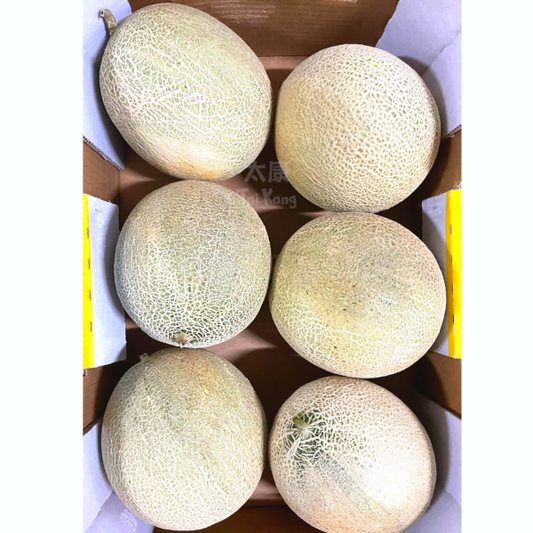
- Cantaloupe and honeydew, roughly 90% water. Both melons deliver a similar hydration punch, with cantaloupe adding a strong vitamin A boost, per UT Southwestern’s list of hydrating foods. Cube and freeze them for a low-calorie frozen snack.
- Grapefruit, about 90% water. Sharp, citrusy, and genuinely hydrating, but it comes with a real caveat covered in the cautions section below. Halve it for breakfast or segment it into a salad with avocado.
- Peaches, moderate water content. Sweet enough to work as dessert, hydrating enough to count as a snack. Grill peach halves for a few minutes to bring out the sugars, or slice them over yogurt.
- Oranges, moderate water content. A reliable vitamin C source that also delivers fiber most people skip when they drink juice instead of eating the fruit whole. Peel and eat as a snack, or segment into a citrus salad.
- Pineapple, moderate water content. Contains bromelain, an enzyme linked to digestive support. Works well grilled, blended into a tropical smoothie, or skewered with other fruit for a quick snack.
- Kiwi, moderate water content. Lower on this list but still a strong hydration source, and it punches well above its weight on vitamin C. Halve it and scoop it out with a spoon, or slice it into a fruit salad for color and tang.
Why Water-Rich Fruits Do More Than Plain Water
Fruit doesn’t just carry water, it carries the minerals your body needs to keep that water where it belongs. Potassium and magnesium, found in meaningful amounts in watermelon, cantaloupe, and citrus, help regulate fluid balance at the cellular level, a process reviewed in fluid-balance research on PubMed. That’s part of why an orange after a workout can feel more satisfying than a glass of water alone.
By the Numbers: Foods with more than 80% water content, a category that includes most fruits and many vegetables, can supply a real share of your daily fluid needs, according to Ohio State Health & Discovery. Building meals around a few of these items, rather than treating hydration as a drinking-water-only task, adds up over a full day.
Fiber is the other piece people overlook. It slows digestion just enough that the water in fruit gets absorbed gradually instead of passing through fast, which is part of why whole fruit hydrates differently than fruit juice. Lycopene in watermelon and tomato, meanwhile, has been tied to reduced inflammation, adding a recovery angle that plain water simply can’t offer, a point dietitians quoted by TODAY make directly.
Key electrolytes and where to find them:
- Potassium: watermelon, cantaloupe, oranges, kiwi
- Magnesium: bananas, avocado (moderate water content, high mineral density)
- Lycopene: watermelon, tomato
- Vitamin C: kiwi, strawberries, oranges, grapefruit
How to Actually Fit These Into Your Day
Buying watermelon and letting it sit in the crisper drawer doesn’t do much for your hydration if it never gets eaten. These are the moves that actually work.
- Start a fruit water habit. Slice cucumber, strawberries, or citrus into a pitcher of water overnight. It costs nothing and makes plain water more appealing, which means you drink more of it.
- Add fruit to breakfast instead of juice. Whole strawberries or kiwi on oatmeal deliver more fiber and water content than a glass of juice made from the same fruit.
- Pack portable snacks. Grapes, orange segments, and cubed melon travel well and don’t need refrigeration for a few hours, making them a realistic midday option.
- Build a post-workout combo. Watermelon paired with a handful of almonds replaces both fluid and electrolytes, a pairing several fruits-for-athletes routines lean on for recovery.
Portion matters more than people expect. One cup of cubed watermelon runs roughly 5 to 8 ounces of water, meaning two or three servings across a day can genuinely offset the fluid lost through sweat or heat exposure.
Storage affects hydration value too. Pre-cut fruit left in the fridge for several days loses moisture and texture, so buying whole and cutting close to eating time preserves both flavor and water content.
Pro Tip: Frozen fruit holds onto its water content nearly as well as fresh, and it costs less. Keep a bag of frozen watermelon or berries on hand for smoothies when fresh produce feels like a splurge, a trick backed by UT Southwestern’s hydration guide.
Cautions Worth Knowing Before You Load Up
Grapefruit is the one fruit on this list that deserves genuine caution. The FDA warns that grapefruit and grapefruit juice can interact significantly with a long list of prescription medications, including some statins and blood pressure drugs. If you take medication regularly, check with a pharmacist before making grapefruit a habit.
- Blood sugar: even hydrating fruits carry natural sugar, so pair them with a protein or fat source (nuts, yogurt) if you’re managing glucose levels.
- Dental health: acidic fruits like citrus and pineapple can soften enamel temporarily. Rinse with plain water afterward and wait 30 minutes before brushing.
- Medication timing: ask a pharmacist about grapefruit specifically if you’re on any daily prescription.
How Tai Kang Makes Hydrating Fruit Easy to Get Right
Fruit only hydrates well when it’s actually fresh, and freshness is where most grocery runs fall short. Tai Kang Healthy Fruits built its entire process around solving that gap.
- Sourced from trusted growers worldwide, selected for quality before they ever ship.
- Every order undergoes careful inspection before packing.
- Temperature-controlled storage keeps water content and texture intact from warehouse to doorstep.
- Online ordering and swift home delivery mean less time between harvest and your table.
- A program designed to encourage repeat purchases.
For more on how specific fruits support overall health, the Tai Kang guide to fruit and wellness breaks down nutrient benefits fruit by fruit, and the guide to honeydew melon selection covers how to pick a melon that’s actually ripe and juicy, not just green and hard.
Hydrating Fruit Options for Different Diets
Most high-water fruits fit naturally into common dietary patterns, which is part of why they’re such an easy hydration lever regardless of how you eat. Watermelon, cucumber, strawberries, and citrus are all naturally free of gluten, dairy, and common allergens, making them safe defaults for people managing celiac disease or lactose intolerance.
Low-carb and ketogenic eaters need to be more selective. Watermelon and cantaloupe run higher in natural sugar per serving than cucumber or berries, so portion size matters more on a strict low-carb plan. Cucumber and celery, both extremely low in carbohydrates despite their high water content, tend to fit those diets more comfortably than melons do.
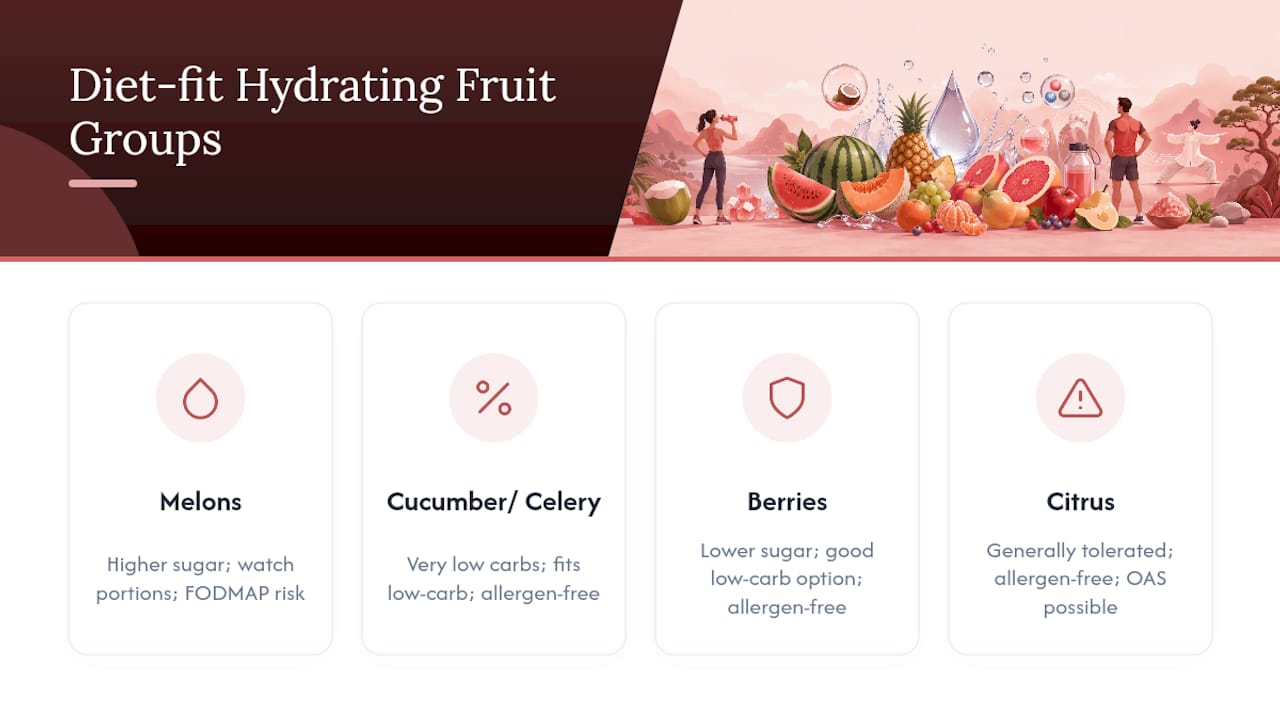
People managing oral allergy syndrome, a cross-reaction between certain pollen allergies and raw fruit, sometimes react to peaches, kiwi, or melon with mild mouth tingling. Cooking or peeling the fruit often resolves the reaction, since the proteins responsible break down with heat.
For anyone avoiding FODMAPs, watermelon and stone fruits like peaches can trigger digestive discomfort in sensitive individuals, while cucumber, strawberries, and citrus are generally better tolerated. Anyone with a diagnosed fruit allergy should still treat this list as a general guide, not a substitute for guidance from an allergist familiar with their specific triggers.
Can You Eat Too Much Hydrating Fruit?
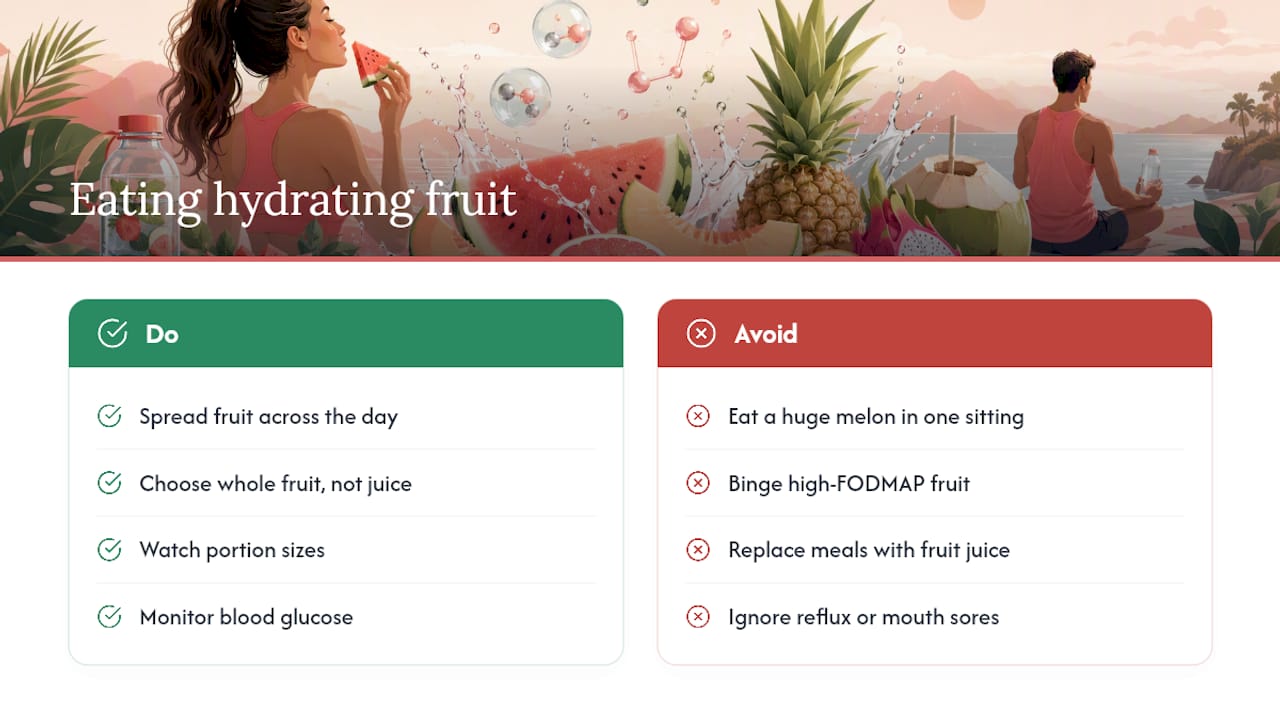
Overloading on high-water fruit usually shows up in your gut before anywhere else. Fruits like watermelon and cantaloupe carry natural sugars called FODMAPs that draw water into the intestines, and eating large portions in one sitting can trigger bloating, cramping, or loose stools, especially in people with sensitive digestion.
Sugar load is the second consideration. Even though these fruits are lower in calories than most snack foods, several servings of watermelon or pineapple in a day add up in natural sugar, which matters for anyone tracking blood glucose closely. Spreading fruit intake across the day, rather than eating a whole melon in one sitting, tends to sit better with both digestion and blood sugar.
Acidic fruits like pineapple and citrus can also aggravate acid reflux or mouth sores in people prone to either. And while it’s rare, drinking large volumes of fruit water or juiced fruit in place of meals can dilute sodium levels over time, a real risk mainly for endurance athletes or people in extreme heat rather than the average snacker. For most healthy adults, a few servings of hydrating fruit spread through the day carries little downside and plenty of upside.
What This List Gets Right That Most Hydration Advice Misses
Most hydration content treats fruit as an afterthought to the “drink eight glasses of water” advice, which undersells what fruit actually contributes. The research here points to something more useful: high-water fruits aren’t a hydration hack, they’re a delivery system for potassium, lycopene, and fiber that plain water can’t touch.
Where conventional advice falls short is treating all fruit as interchangeable. A grapefruit and a banana are not equally useful for hydration, and lumping them together ignores real differences in water percentage, sugar load, and in grapefruit’s case, medication interactions worth taking seriously.
If you’re prioritizing one thing, make it variety over volume. Rotating cucumber, watermelon, citrus, and berries through your week covers more nutritional ground than eating a mountain of any single fruit. The water content matters, but it’s the mineral and antioxidant differences between fruits that actually move the needle on how you feel by the end of a hot day.
— Tai Kang
Fresh Hydrating Fruit, Delivered to Your Door
Reading about hydrating fruit is one thing. Having it on hand, actually fresh, when you want it, is another problem entirely, and that’s the gap Tai Kang Healthy Fruits was built to close.
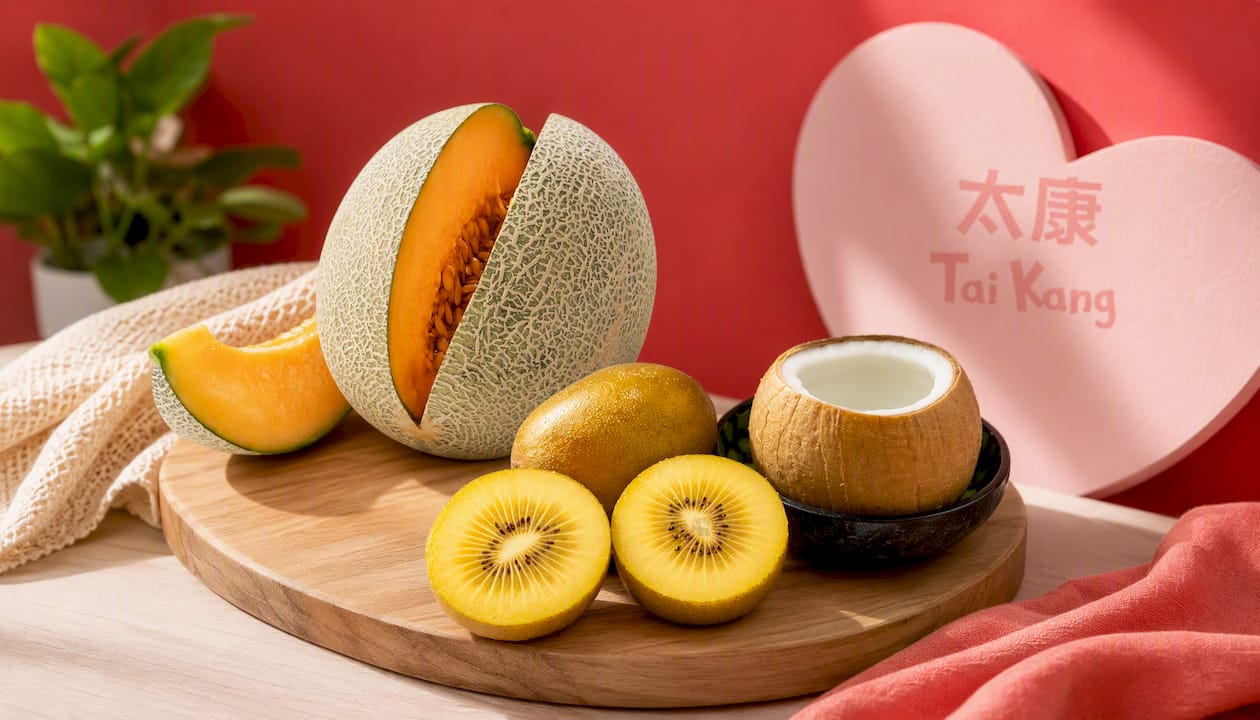
Three picks worth stocking up on right now: the Australia RockMelon (XL) is a large, juicy melon perfect for slicing into snacks or infusing water. Zespri Golden Kiwi delivers a vitamin C punch in a small, portable package that works as a grab-and-go hydrating snack. And Thai Jelly Coconut offers a naturally electrolyte-rich option you can drink straight from the shell, no blending required.
Every order goes through quality inspection and temperature-controlled storage before it reaches your door, and repeat customers earn rewards on future purchases. Place an order today and have hydrating fruit on your counter before the week is out.
Sources
FAQ
What fruits are the most hydrating?
Cucumber, tomato, and watermelon lead the list, running 92% to 96% water, with strawberries and melons close behind at roughly 90% to 92%.
What are the top 5 hydrating foods?
Cucumber, iceberg lettuce, celery, tomato, and watermelon rank among the top hydrating foods, all containing over 90% water.
Which fruit is 92% water?
Watermelon has high water content, making it one of the most reliable hydrating snacks available, especially in warmer months.
Which fruit hydrates better than water?
No single fruit beats plain water for pure hydration, but fruits like watermelon and citrus add electrolytes, fiber, and antioxidants that water alone doesn’t provide, which is why dietitians recommend using them together rather than as a swap.