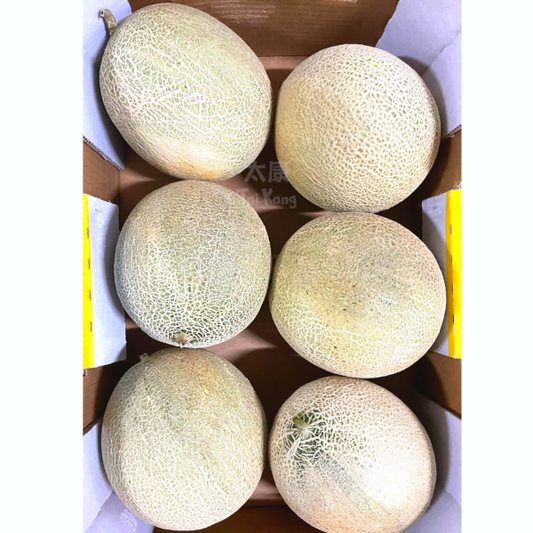

How to Wash Fruit the Right Way, According to Food Safety Experts
The safest, fastest way to wash fruit is a firm rub under cool running water, with a produce brush for anything firm-skinned like apples or melons. Skip the soap. That’s the routine food-safety experts told Martha Stewart, and it matches what the FDA and University of Minnesota Extension both recommend as the baseline.
Here’s the whole thing in four moves:
- Wash your hands thoroughly before you touch anything.
- Hold produce under cool running water for several seconds.
- Rub firm fruit with your hands or a clean produce brush.
- Dry with a clean towel or paper towel.
Pro Tip: Save the baking soda or vinegar soak for produce you suspect has heavier pesticide residue, like conventionally grown apples or grapes headed for a fussy eater’s lunchbox. For everyday washing, plain water does the job.
Key Takeaways
Cool running water with a produce brush handles most fruit safely, while baking soda or vinegar soaks add measurable pesticide reduction only when time and delicate texture allow for it.
| Point | Details |
|---|---|
| Water is the baseline | A 10 to 20 second rinse under cool running water removes most surface dirt and bacteria. |
| Brush firm fruit only | Use a produce brush on apples, melons, and citrus; skip it on berries and leafy greens. |
| Soaks add real reduction | Baking soda and vinegar soaks showed higher median pesticide reduction than plain rinsing in a 2026 review. |
| Never use soap | Dish soap, detergent, and bleach are not safe on produce and can cause stomach upset. |
| Time your wash | Wash delicate fruit right before eating; wash firm fruit anytime and dry before storing. |
Table of Contents
- How to wash fruit step by step
- Should you use baking soda or vinegar instead of water?
- How do you wash different types of fruit?
- When should you wash fruit, and how do you dry it?
- What are the biggest mistakes people make washing fruit?
- Does washing fruit actually remove pesticides and bacteria?
- How Tai Kang Healthy Fruits handles quality before it reaches you
- Expert-backed steps beat habit every time
- Frequently asked questions about washing fruit
- Sources
How to wash fruit step by step
You don’t need special gear for this. A colander, a clean produce brush, and a stack of paper towels or a salad spinner cover almost every fruit in your kitchen.
- Clear and rinse the sink or a large bowl. Thirty seconds. Contaminated sink surfaces can undo a good wash, so wipe it down first, per UMN Extension.
- Wash your hands. Twenty seconds, warm water, soap. Non-negotiable before handling any produce, according to the FDA.
- Rinse the fruit under cool running water. Ten to 20 seconds for soft fruit, longer for anything with grooves or a thick skin.
- Scrub firm-skinned fruit with a produce brush. Thirty to 60 seconds for apples, melons, potatoes, and citrus. This is where most surface residue and dirt actually comes off.
- Dry thoroughly. A clean towel, paper towel, or salad spinner. Wet surfaces breed bacteria faster than dry ones.
Equipment checklist: a colander or bowl, a dedicated produce brush, clean towels, and a clean cutting surface. A wash-and-drain bowl that lets water run off while you scrub can save you a step if you’re washing a big batch for the week.
Should you use baking soda or vinegar instead of water?
Plain water removes dirt and a meaningful share of surface residue, but it’s not the ceiling on what’s possible. A 2026 scoping review of 47 studies found median pesticide reductions of about 30.2% for plain rinsing, compared with roughly 50.9% for baking soda soaks and 54.2% for vinegar (acetic acid) soaks, as reported in Frontiers. That’s a real gap, but the same review notes many of the tested concentrations ran stronger than what a typical home recipe uses, so treat those numbers as a ceiling rather than a guarantee.
Here’s how the main methods stack up:
- Plain water rinse: fast, gentle, safe for every fruit, moderate residue removal.
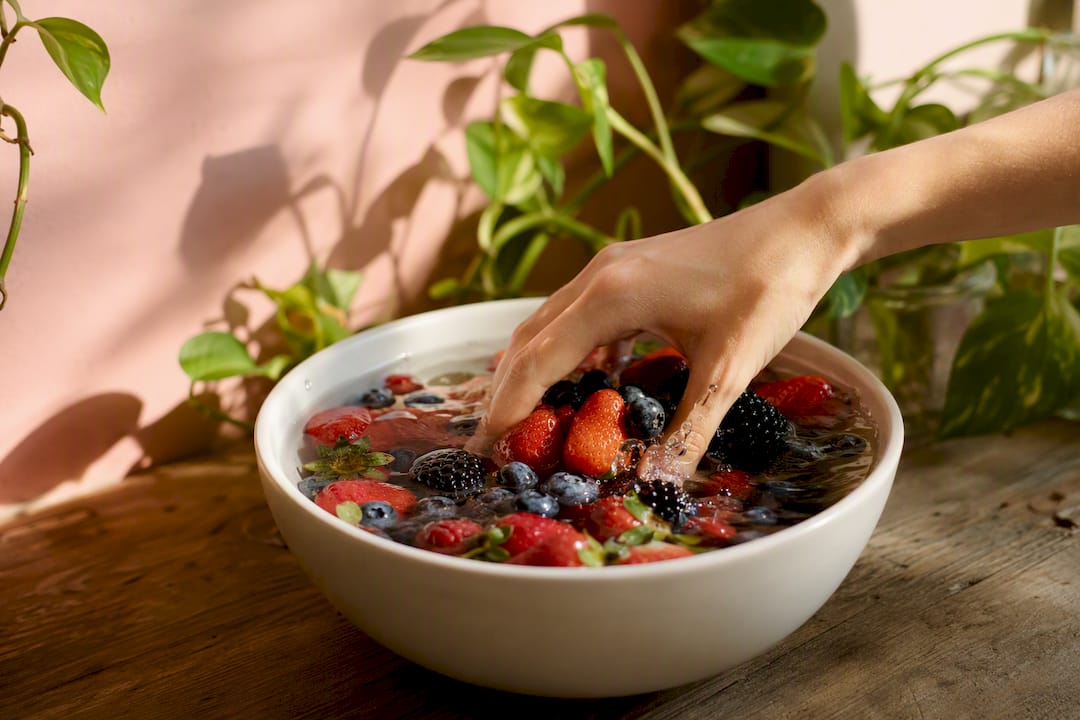
- Baking soda soak (about 1 teaspoon per 2 cups of water, 12 to 15 minutes): stronger residue removal, safe for firm fruit, can soften very delicate berries if left too long.
- Vinegar soak (1 part white vinegar to 3 parts water, 5 to 10 minutes): the strongest residue reduction of the household options, but can leave a sour edge on porous fruit like strawberries if you skip the rinse after.
- Commercial produce washes: no consistent evidence they outperform water, per the same experts quoted by Martha Stewart.
Pro Tip: Always rinse fruit under plain water after any baking soda or vinegar soak. Skipping that step is how you end up with soap-tasting grapes.
Never substitute dish soap, laundry detergent, or bleach solutions for these soaks. Produce is porous. It absorbs what you put on it, and UMN Extension is explicit that household cleaning chemicals aren’t formulated to be eaten.
How do you wash different types of fruit?
One routine doesn’t fit every fruit. Berries fall apart under a scrub brush; melons need one.
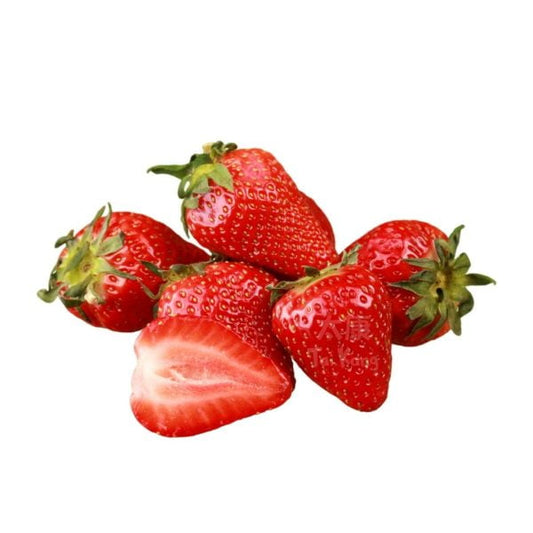
- Berries and grapes: quick rinse only, 10 seconds, no soak, no brush. Wash right before eating, not before storing (more on that below). See our grape storage guide for keeping them crisp between washes.
- Leafy greens: submerge and swish in a bowl of cool water, lift out, repeat if the water looks dirty.
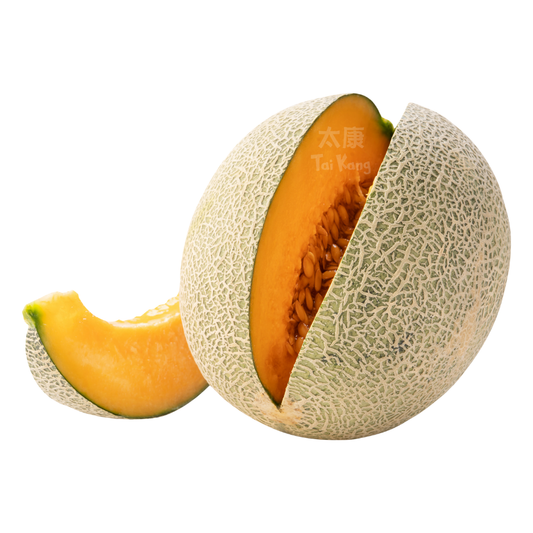
- Melons: scrub the entire rind with a produce brush before cutting, since bacteria on the rind can transfer to the flesh on contact with a knife.
- Firm fruit (apples, pears, citrus, stone fruit): rinse and scrub with a brush for 30 to 60 seconds.
- Pre-cut or bagged “ready-to-eat” produce: still give it a quick rinse. A label claiming pre-washed doesn’t guarantee zero risk once the bag is opened and handled at home.
Delicate fruit gets water only, ever. Firm fruit gets the brush. Mixing those two rules up is the most common washing mistake home cooks make.
When should you wash fruit, and how do you dry it?
Timing matters almost as much as the method. Wash berries and other delicate fruit right before you eat them, not right after you buy them. Excess moisture sitting in the fridge accelerates mold growth and cuts shelf life fast.
- Wash firm fruit anytime, since it tolerates handling and drying well.
- Wash berries, cherries, and leafy greens immediately before eating or cooking.
- Dry everything with a paper towel or salad spinner before storing. Water left on the skin invites mold.
- Store washed fruit in a breathable container, not a sealed bag, and keep berries toward the front of the fridge where airflow is better.
Our guide on storing fresh fruit covers container choices in more depth if you’re trying to stretch a week’s grocery haul.
What are the biggest mistakes people make washing fruit?
The single worst habit is reaching for dish soap. It’s not rinsed off by a quick swish, and it’s not meant to be ingested.
Soap, detergent, and bleach solutions are not approved for washing produce, and residue left behind can cause stomach upset even after rinsing.
Other mistakes worth correcting: soaking everything for 15 minutes “just in case” (it ruins berries and doesn’t help firm fruit), and assuming a “pre-washed” label means the bag is sterile. It means the grower washed it once, not that your kitchen counter is germ-free after the bag’s been open for two days.
Safe alternatives: plain water for daily washing, a short baking soda or vinegar soak only when you want extra residue reduction, and a dedicated produce brush you don’t also use on dishes.
Does washing fruit actually remove pesticides and bacteria?
Yes, meaningfully, though not completely. Running water is the floor, not the ceiling, and it still does most of the practical work.
- Plain rinsing under running water removed a median of 30.2% of tested pesticide residues across 47 studies covering 23 produce items and 79 pesticides.
- Baking soda and vinegar soaks pushed that median reduction closer to 50 to 54%, though results varied by pesticide type and by whether the produce had a waxy, firm skin or a soft, porous one.
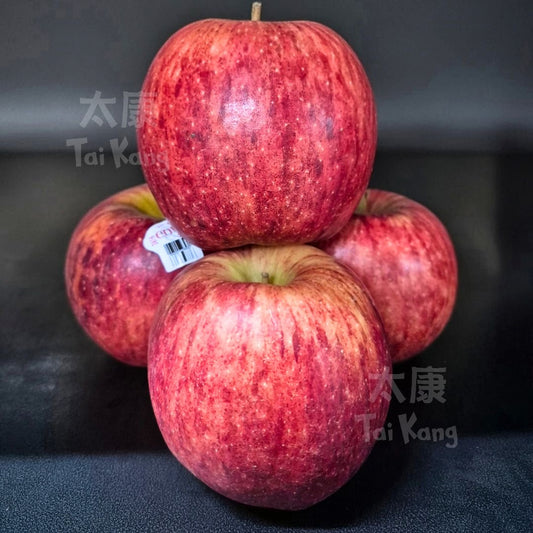
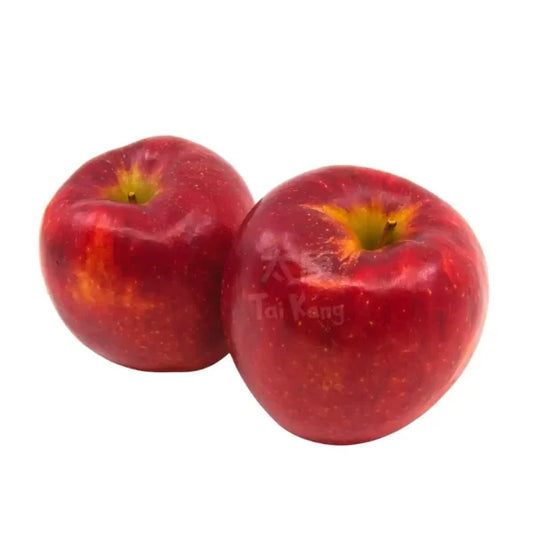
- Firm-skinned fruit like apples generally shed more residue with scrubbing than porous fruit like berries, simply because there’s a surface to scrub.
- The FDA frames water as the effective baseline for reducing both dirt and bacteria, not just pesticide residue, which is why it remains the default recommendation even with stronger soaks available.
None of this replaces basic food safety around cross-contamination. The same Wexner Medical Center resource that discusses E. coli risk from contaminated food is a reminder that clean hands and clean prep surfaces matter as much as the wash itself.
How Tai Kang Healthy Fruits handles quality before it reaches you
Every piece of fruit that leaves a Tai Kang Healthy Fruits order gets inspected before packing, then moves through temperature-controlled storage to slow the kind of moisture loss and bruising that makes fruit harder to clean and shorter-lived once it’s home.
- Fruit is inspected on arrival and again before dispatch.
- Storage stays temperature-controlled through the cold chain, not just at the warehouse.
- Orders are packed to limit bruising, which matters because bruised fruit spoils faster no matter how carefully you wash it.
Pro Tip: Even well-handled fruit benefits from your own quick rinse at home. Cold-chain storage keeps fruit fresher longer; it doesn’t replace the 10-second rinse before you eat it. If you want fruit handled this way delivered on a schedule, the bi-weekly subscription plan is worth a look, and Tai Kang Healthy Fruits lists the full current selection.
Expert-backed steps beat habit every time
The conventional wisdom on washing fruit has drifted in two bad directions. One camp treats a splash of water as sufficient for everything, including firm-skinned fruit that’s been handled by a dozen people before it reaches your kitchen. The other camp over-corrects with vinegar baths for strawberries that will fall apart in the process. Neither reads the actual research.
What the evidence actually supports is boring in the best way: water first, brush for anything firm, and reserve soaks for produce where residue is a real concern, not a reflex. The Frontiers review makes the strongest case for skepticism I’ve seen. It shows soaks genuinely outperform water, but the gap closes fast once you account for household concentrations versus lab concentrations. Chasing the lab numbers with a stronger vinegar mix at home doesn’t get you the lab result. It gets you sour fruit.
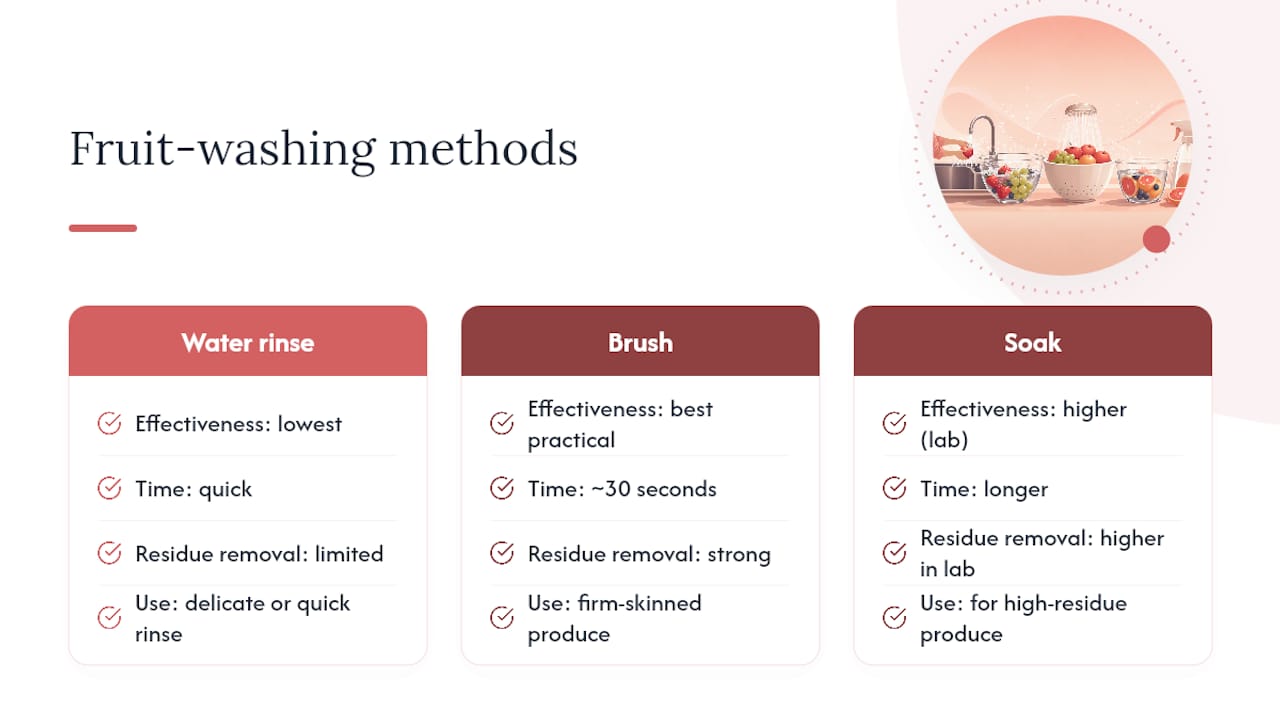
If you take one thing from this, prioritize the brush over the soak. Scrubbing does more of the practical work than most people assume, and it costs you nothing but 30 seconds.
Frequently asked questions about washing fruit
Is it safe to wash fruit with just water? Yes. Cool running water for 10 to 20 seconds, with scrubbing for firm-skinned fruit, is the baseline method both the FDA and food-safety experts recommend for most produce.
Should you wash organic fruit differently than conventional fruit? No, the same routine applies. Organic fruit can still carry dirt, bacteria, and some approved pesticides, so the same rinse and scrub steps apply regardless of how it was grown.
Can you use dish soap to wash fruit? Never. Dish soap and detergent aren’t formulated for ingestion, and fruit’s porous skin can absorb residue that a rinse won’t fully remove.
Are pre-washed or “ready-to-eat” bagged fruits and vegetables actually clean? They’ve usually been through one commercial wash, but that doesn’t guarantee zero risk after the bag has been opened or handled. A quick home rinse is still worthwhile.
How long should you soak fruit in vinegar or baking soda? A vinegar soak works with 1 part white vinegar to 3 parts water for 5 to 10 minutes; a baking soda soak uses about 1 teaspoon per 2 cups of water for 12 to 15 minutes. Rinse thoroughly afterward either way.
This article is general information, not a substitute for advice from a qualified doctor. Consult a qualified healthcare professional about your own circumstances before acting on anything here.
Sources
- 7 Tips for Cleaning Fruits, Vegetables | FDA
- Washing fresh fruits and vegetables safely | UMN Extension
- Reducing pesticide residues on produce: a scoping review of household produce washing methods | Frontiers
- How to Wash Fruit—Plus Whether You Need a Produce Wash
Recommended
- How to Store Fresh Fruits and Keep Them at Their Best – Tai Kang Healthy Fruits
- The Ultimate Guide to Storing Your Fruits for Maximum Freshness – Tai Kang Healthy Fruits
- Avoiding Bad Fruit from the Supermarket: A 2026 Guide to Freshness – Tai Kang Healthy Fruits
- The Best Way to Store Fresh Grapes: Keep Your Fruit Crisp for Weeks – Tai Kang Healthy Fruits