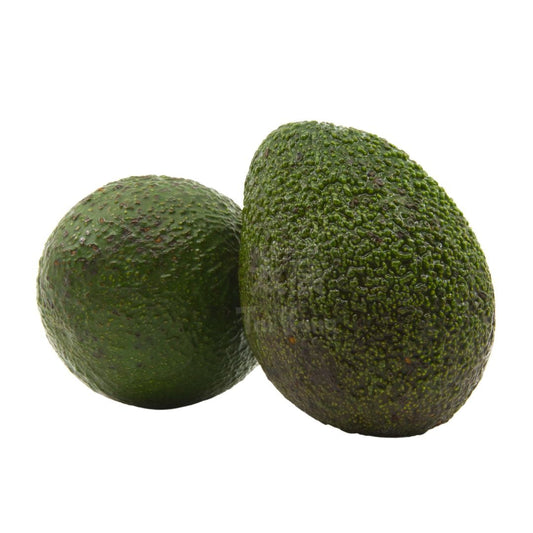

One Guava or Two Kiwis: Vitamin C Fruits for Singapore Shoppers
Guava, blackcurrant, kiwi, and red bell pepper (a vegetable, but too good to leave out) top the list of practical vitamin C sources. A single guava or two kiwis can cover an adult’s full daily requirement in one sitting. Exotic record holders like kakadu plum, camu camu, and acerola pack far more vitamin C by weight, but you’ll usually find them as powders or juice concentrates, not fresh fruit. Adults need an amount of vitamin C daily that is commonly met by one or two servings from the list below without any supplement.
TL;DR:
- Eating one guava or two kiwis in a single sitting easily meets the daily vitamin C requirement for most adults.
- Fresh fruits like guava, blackcurrant, strawberries, and papaya provide up to 100% of daily vitamin C needs per serving and are widely available.
- Vitamin C content degrades with heat, storage, and cutting, so consuming fruits raw and shortly before eating preserves maximum nutrient levels.
- Whole fruits offer additional fiber and phytonutrients that supplements cannot replicate, supporting overall health beyond just vitamin C intake.
- Rotating among a variety of fruits and choosing fresh, ripe options ensures better nutrient intake and makes vitamin C-rich eating easier and more enjoyable.
Table of Contents
- Vitamin C Fruits List: Per-Serving Values and How to Eat Them
- How Storage and Cooking Quietly Drain Vitamin C
- Whole Fruit vs. Supplements: What Actually Matters
- Who’s Behind This Guide
- What the Research Actually Tells You to Prioritize
- Where to Find These Fruits Without the Guesswork
- Sources
- FAQ
Vitamin C Fruits List: Per-Serving Values and How to Eat Them
Not all high vitamin C fruits are created equal once you factor in how much you’d realistically eat in one sitting. A fruit with a sky-high number per 100 grams doesn’t help you much if nobody eats 100 grams of it raw. The list below leans on real serving sizes, drawing on the Centre for Health Protection’s food composition data and the NIH Office of Dietary Supplements fact sheet for the numbers that matter.
Everyday fresh picks. These are the fruits worth stocking in your kitchen on a normal week:
- Guava: a serving provides a high amount of vitamin C that can easily cover daily needs with half a fruit.
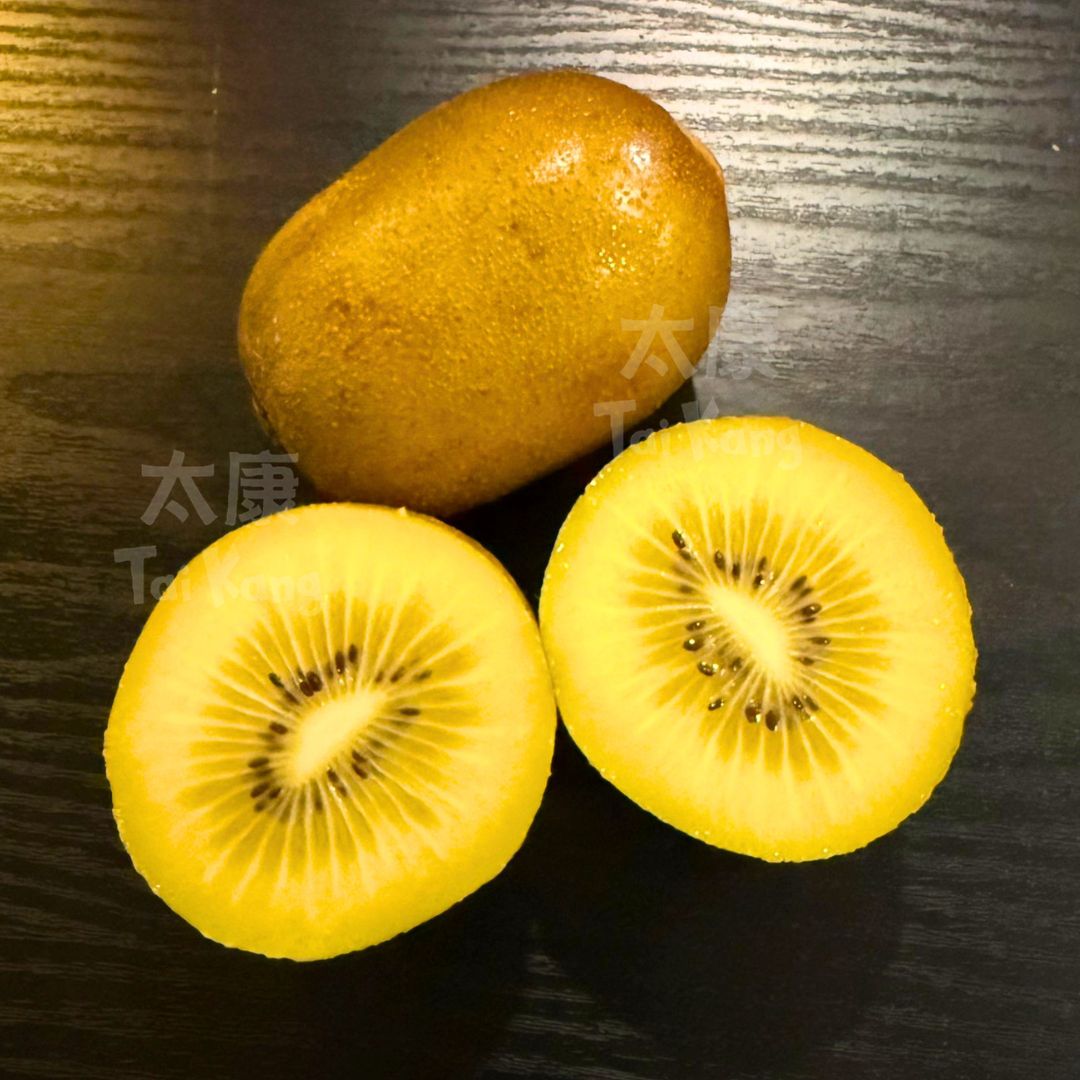
- Kiwi: typically offers a substantial vitamin C amount per piece, with larger golden varieties providing more.
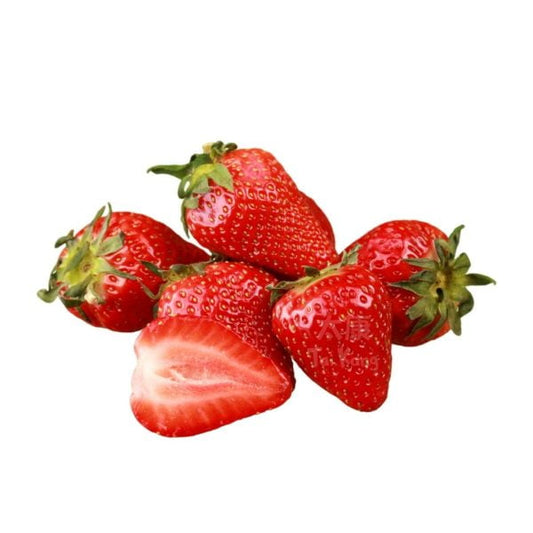
- Strawberries: provide a significant vitamin C amount per cup, suitable for cereal or smoothies.
- Orange: offers a moderate to high vitamin C amount per medium fruit, a common reference point.
- Grapefruit: provides a moderate vitamin C amount per half fruit, mild and good for breakfast.
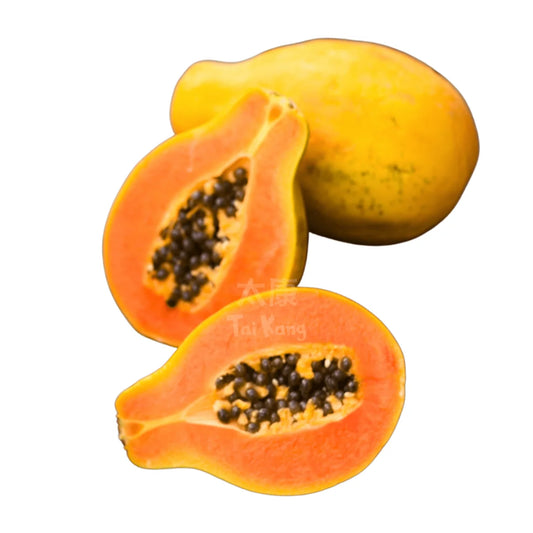
- Papaya: contains a high vitamin C level per cup, commonly eaten cubed or with lime.
- Lychee: contains a lower vitamin C amount per fruit, requiring multiple fruits for substantial intake.
- Mango: supplies a moderate vitamin C amount per cup, often enjoyed sliced or blended.
Tropical and less common favorites. These show up seasonally or need a bit more planning to find fresh:
- Blackcurrant: ranks high in vitamin C among common fruits, versatile in jams or frozen smoothies.
- Passionfruit: offers a moderate vitamin C amount per fruit, typically eaten scooped from the shell.
- Pineapple: provides a substantial vitamin C level per cup, available year round.
Cross-category high source. Red bell pepper isn’t a fruit botanically, but it belongs on this list because half a cup delivers more vitamin C than most citrus, making it worth tossing into a salad alongside your fruit.
Record-holders, with a caution. Kakadu plum, camu camu, and acerola post vitamin C concentrations that dwarf everything above, kakadu plum up to roughly 3,000 mg per 100 g, camu camu near 2,400 mg, acerola around 1,677 mg. The catch is availability. These fruits are rarely sold fresh outside their native regions, so most people encounter them as freeze-dried powders or bottled juice, where processing and dosage vary widely and precise per-serving numbers get harder to pin down.
Here’s how the practical options stack up side by side:
| Fruit | Vitamin C per common serving | Ease of eating | Availability / palatability |
|---|---|---|---|
| Guava | 125.6 mg per serving | Fresh whole, easy | Widely available, mild flavor |
| Blackcurrant | ~180 mg per 100 g | Best cooked or frozen | Seasonal, tart |
| Kiwi | 64 to 90 mg per piece | Fresh whole, easy | Widely available year round |
| Strawberries | ~89 mg per cup | Fresh whole, easy | Widely available, seasonal peak |
| Papaya | ~95 mg per cup | Fresh, cubed | Widely available |
| Orange | 69.7 mg per medium fruit | Fresh whole, easy | Extremely common |
| Passionfruit | ~70 mg per fruit | Fresh, scooped | Moderately available |
Guava, blackcurrant, strawberries, and papaya all clear or come close to 100% of the daily requirement in a single serving. Kiwi and orange land just under that on their own but get you there easily paired with a second piece of fruit later in the day.
How Storage and Cooking Quietly Drain Vitamin C
Vitamin C is water soluble and breaks down with heat, which means boiling, prolonged storage, and cutting fruit long before eating it all chip away at the total. A kiwi that sat cut on the counter for two hours has less vitamin C than one you just sliced.
A few habits make a real difference:
- Eat fruit raw whenever the recipe allows it.
- Store fruit cold rather than at room temperature.
- Cut or peel fruit just before eating, not hours ahead.
- If you must cook it, steam rather than boil to limit nutrient loss into the water.
- Freeze extra portions soon after buying them for later smoothies, since freezing shortly after purchase slows the nutrient decline that happens at room temperature.
Our storage guide for maximum freshness covers the specifics fruit by fruit.
Pro Tip: Buy citrus and kiwi a few days ahead, but leave berries and papaya for the day or two before you plan to eat them. Softer fruits lose freshness, and vitamin C along with it, much faster than citrus does.
Whole Fruit vs. Supplements: What Actually Matters
Whole fruit wins for most healthy adults, not because supplements are useless, but because fruit brings fiber and phytonutrients that work alongside vitamin C rather than in isolation. Research from the University of Otago found that whole fruit consumption supported wellbeing in ways that go beyond the vitamin C number on a label.
In practice, meeting your daily target takes very little:
- One guava alone clears the adult RDA.
- Two kiwis get you close to or past it, depending on variety.
- A cup of strawberries plus a small orange comfortably covers it with fiber and antioxidants on top.
Supplements still have a place for people managing a diagnosed deficiency, restrictive diets, or medical conditions that limit fruit intake, but that’s a conversation for a doctor, not a reason to skip the produce aisle.
Who’s Behind This Guide
This guide is written by Tai Kang for Tai Kang Healthy Fruits. Tai Kang Healthy Fruits sources fruit from trusted growers, inspects each batch by hand, and stores everything in temperature-controlled conditions to protect exactly the kind of nutrient value discussed above. . Customers currently rate the service 4.85 stars across 46 reviews. Product links later in this guide lead to the Tai Kang Healthy Fruits store.
What the Research Actually Tells You to Prioritize
Most vitamin C content gets written as a leaderboard, and leaderboards mislead people. Kakadu plum wins on paper with a concentration that makes guava look weak, but nobody in Singapore is buying kakadu plum fresh at the wet market this week. The number that matters isn’t the highest mg per 100 grams in a lab sample. It’s the mg per serving of something you’ll actually buy, actually eat before it spoils, and actually enjoy enough to repeat next week.
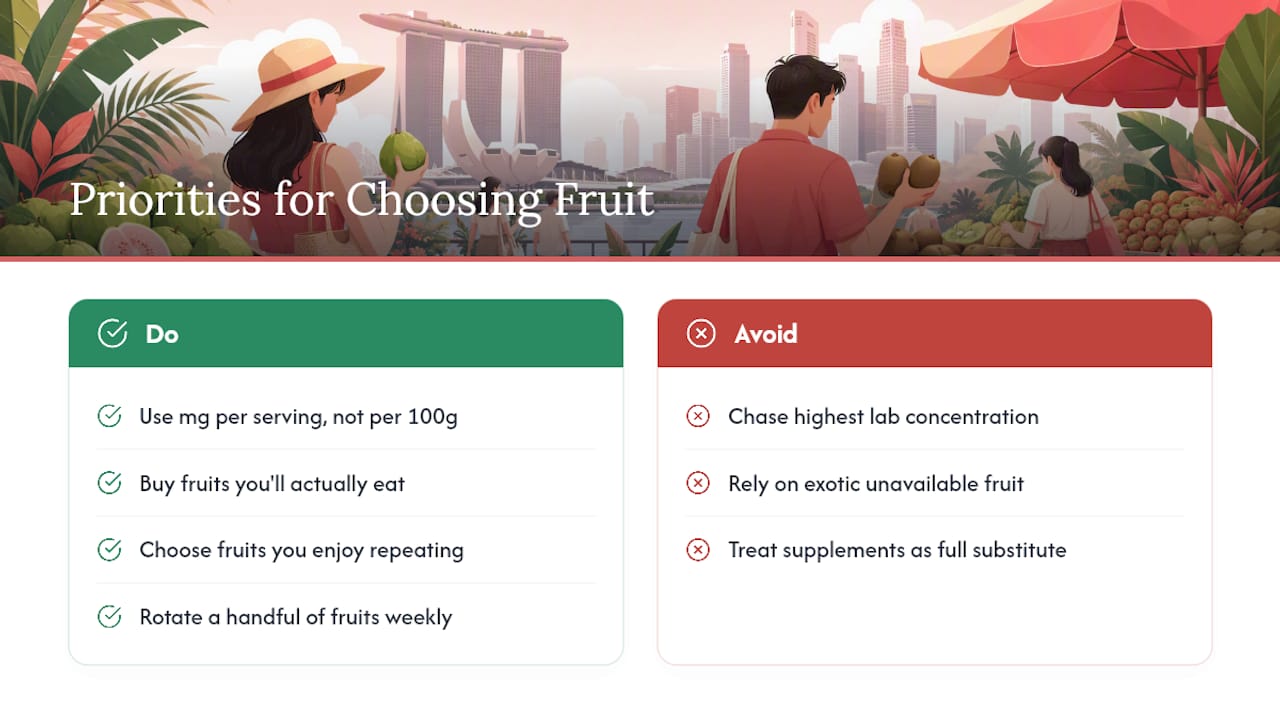
That’s where guava, kiwi, and blackcurrant beat the exotic record holders in every way that counts for a normal diet. The conventional advice to “eat more vitamin C” without naming quantities or realistic servings sets people up to either overthink it or ignore it entirely. One guava. Two kiwis. A cup of strawberries. That’s the whole strategy for most adults, and it costs less effort than tracking milligrams on an app.
If you take one thing from this guide, prioritize variety over chasing a single superfruit. Rotating through a handful of the fruits above gets you vitamin C plus the fiber and antioxidants that supplements can’t replicate.
— Tai Kang
Where to Find These Fruits Without the Guesswork
Reading a vitamin C fruits list is one thing. Getting fresh, ripe versions of them delivered before they lose their nutritional edge is another problem entirely, and it’s the exact gap Tai Kang Healthy Fruits was built to close. Every order goes through hand inspection and temperature-controlled storage before it reaches your door, so the guava or kiwi you’re counting on for vitamin C hasn’t been sitting under supermarket lights for a week.
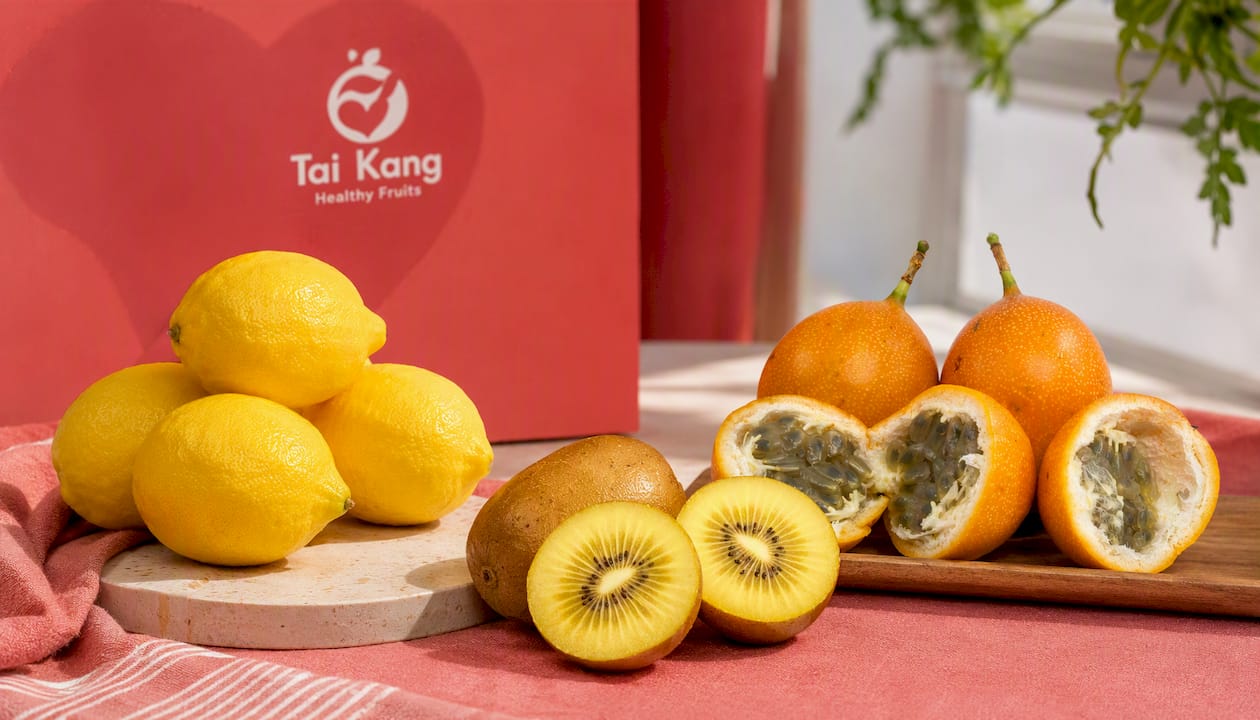
A few picks from this guide are stocked and ready to order. The South Africa Lemon (5 pcs) works well squeezed into dressings or water for a small daily vitamin C top-up. The Zespri Golden Kiwi is one of the easiest high vitamin C snacks around, just slice it in half and eat it with a spoon. And the Ecuador Sweet Passionfruit turns any smoothie or yogurt bowl into something worth looking forward to.
If restocking your fruit bowl every few days feels like a chore, the bi-weekly fruits delivery subscription keeps a fresh rotation coming to your door for two months without you having to reorder. Browse the current fresh fruit and vegetable selection or check the full product lineup to build your own week of vitamin C rich snacks.
Sources
- PMC article reporting high vitamin C concentrations in select wild fruits
- Vitamin C - Health Professional Fact Sheet (NIH/ODS)
- Centre for Health Protection: What fruit and vegetables are rich in vitamin C and dietary fibre?
- Otago University coverage on whole-fruit benefits
This article is general information, not a substitute for advice from a qualified doctor. Consult a qualified healthcare professional about your own circumstances before acting on anything here.
FAQ
What fruit is highest in vitamin C?
Among fruits people actually eat fresh, guava and blackcurrant top the list, though kakadu plum and camu camu contain far more vitamin C by weight and are typically sold as powders or juice rather than whole fruit.
How do I get 100% of my vitamin C for the day?
One guava, two kiwis, or a cup of strawberries paired with a small orange each cover the full adult daily requirement in a single sitting.
Which fruit has 5 vitamins?
Fruit content varies by variety and growing conditions, so no single fruit reliably delivers a fixed set of five vitamins, but papaya and kiwi both offer a broad mix including vitamin C, vitamin A, vitamin K, and folate alongside potassium.
Which vitamin C fruit is best for skin?
Kiwi, strawberries, and papaya are popular choices for skin health because their vitamin C content supports collagen production, and eating them whole adds fiber and antioxidants that isolated supplements don’t provide, according to research on whole fruit benefits.