
Baby-Led Weaning Fruits: Safe Picks and How to Cut Them
The best fruits for baby-led weaning (BLW) are ripe, soft ones that a baby can squash between thumb and finger: banana, mango, papaya, pear and watermelon without seeds or rind are common starting points. What matters more than the fruit is the preparation. Pieces should be soft, sized for small hands, and served to a baby who sits upright and is watched the whole time. This guide covers which fruits to start with, how to cut them as your baby grows, what to avoid, and how the same fruits carry over into the toddler years. It follows Singapore guidance from the Health Promotion Board (HPB) and KKH.
TL;DR
- Start complementary foods around six months, and not before four months, based on your baby’s developmental readiness, according to the Singapore Guidelines for Feeding and Eating in Infants and Young Children.
- Choose soft, ripe fruit that mashes easily between fingers or gums. Begin with fingertip-sized pieces, then move to pea-sized as motor skills develop.
- Whole grapes, nuts and seeds are specific choking hazards. Cut food smaller, seat your baby upright in a high chair and never leave the table.
- Skip fruit juice for the first two years, and add no sugar or salt to any food.
- Gagging is a normal part of learning new textures. Choking is an emergency that blocks the airway.
Table of Contents
- When your baby is ready for fruit
- The softness test that decides every fruit
- Fruits to start with, and how to serve them
- How to cut fruit as your baby grows
- Choking risks and how to reduce them
- Fruit in the bigger picture of your baby’s diet
- Fruits for toddlers
- Washing and preparing fruit at home
- Our perspective
- Getting ripe fruit delivered
- A simple first-week plan
- FAQ
- Sources
When your baby is ready for fruit
The Singapore guidelines advise introducing complementary foods around six months, and not earlier than four months, depending on developmental readiness. In practice, that means your baby can sit with support, shows interest in what you eat, and is able to bring objects to the mouth. If you are unsure whether your baby is ready, your paediatrician or a child health nurse at your polyclinic can check.
From six months the same guidelines encourage self-feeding and food play, so infants can explore new textures and flavors. That is the heart of baby-led weaning: your baby holds the food, decides how much to eat, and sets the pace. The guidelines also describe responsive feeding, where you follow your baby’s hunger and fullness cues rather than finishing a portion. A baby who turns away, closes the mouth or loses interest is telling you the meal is over.

The Health Promotion Board also notes that finger foods have an educational role. Babies learn to feed themselves through play and exploration, so a messy high chair is part of the process, not a sign that something is wrong. See the HealthHub Month 9 meal ideas for the HPB’s own wording.
The softness test that decides every fruit
Before you worry about which fruit is “best”, apply one rule. HealthHub says finger foods should be soft and easily mashed between fingers or gums. A simple kitchen version: press the piece between your thumb and forefinger. If it squashes with gentle pressure, it passes. If it stays firm, it is not ready for a baby, however healthy the fruit.
This rule explains most choices:
- A ripe banana or a ripe mango passes easily.
- A crisp raw apple does not pass, so it needs to be cooked until soft or served in another form.
- A pear that is hard at the market may need a few days on the counter, or gentle steaming, before it passes.
This is also where buying matters. Underripe fruit is the usual reason a “suitable” fruit fails the test. At Tai Kang we hand-inspect our fruit and keep it in temperature-controlled storage, and when we pick fruit for a parent we look for fruit that is ripe and giving, not rock hard. If you are planning meals around ripeness, order a few days ahead, check each piece when it arrives and let it sit until it passes the squash test.
Fruits to start with, and how to serve them
The table below applies the softness rule to fruits that HealthHub names as suitable serving examples for a 10-month-old: apple, orange, pear, mango, pineapple, papaya, watermelon and banana. The serving suggestions are practical applications of the HPB’s texture and size guidance, so adjust to what your baby can manage.
| Fruit | First stage (about 6 months) | As skills grow |
|---|---|---|
| Banana | Ripe, peeled, in a thick chunk or mashed onto a spoon you hand over | Small pieces, then pea-sized pieces |
| Mango | Very ripe, peeled, in soft slices or mashed | Small diced pieces, soft and easy to squash |
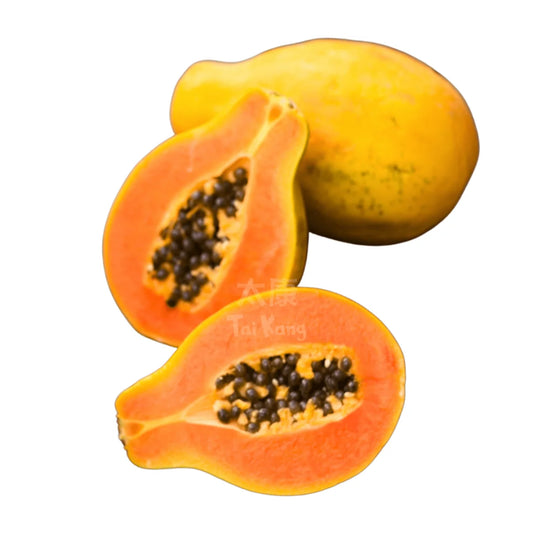
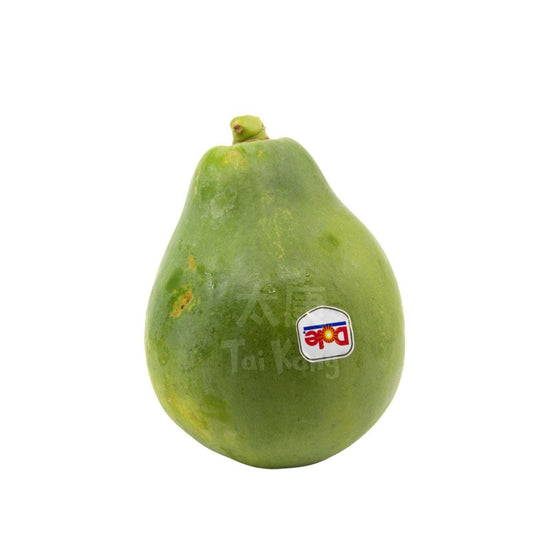
| Papaya | Ripe, peeled, seeds removed, soft wedges | Small soft pieces |
| Pear | Ripe and soft, or steamed until it squashes easily | Small soft pieces |
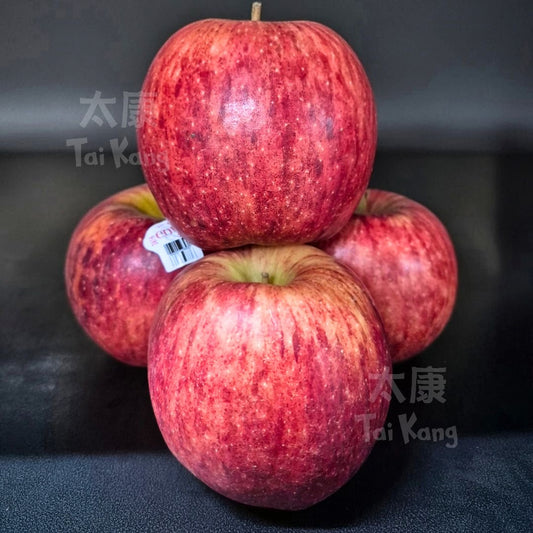
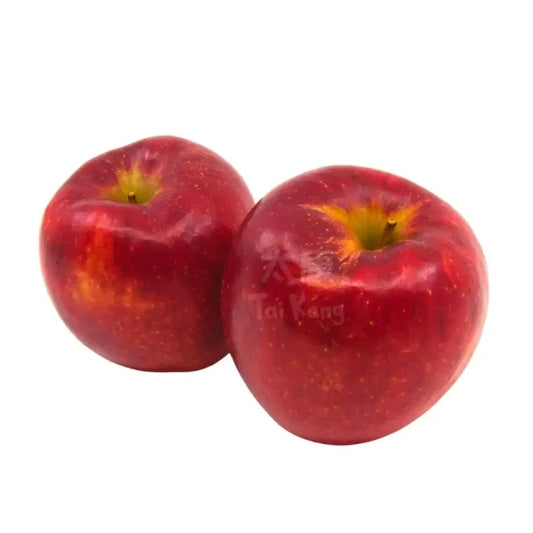
| Apple | Cooked until soft, or grated and cooked into a soft mash | Small, soft pieces of cooked apple |
| Watermelon | Wedge with seeds and rind removed | Small pieces, seeds and rind still removed |
| Pineapple | Very ripe, core removed, softened or mashed, offered in small amounts | Small, soft pieces |
| Orange | Peeled, membranes and pips removed, soft segments broken into small pieces | Small pieces of segment |
You do not need to offer all of these at once. The Singapore guidelines recommend introducing a wide variety of foods, textures and flavors between six and twelve months, including fruits and vegetables, with no added sugar or salt. Rotating fruit with vegetables and other foods is the goal, not building a fruit-only menu.
If you want to keep the fruit as the main event of a snack, a single fruit on the tray is enough. Babies do not need a plate of five choices, and fewer pieces mean less to supervise.
How to cut fruit as your baby grows
HealthHub’s meal ideas give a clear progression, and it is the best guide to cutting:
- Around 9 months: start with small, finely diced pieces about the size of a fingertip. As your baby’s motor skills develop, move to pea-sized foods. Everything should stay soft enough to mash between fingers or gums. (HealthHub, Month 9)
- 10 to 12 months: food can be mashed, chopped or cut into small pieces. Finger foods can range from pea-sized to about the length and size of your baby’s finger. Fruits and vegetables can be chopped into small pieces, and watermelon wedges should have the seeds and rind removed. (HealthHub, Month 10)
In practice, parents of younger babies often offer a longer, thicker piece that a fist can grip with the end sticking out, and then move to diced pieces once the pincer grip develops. Use the softness test for every shape, whatever the age.
The HPB and KKH also stress that thicker textures matter beyond nutrition: they help build the muscles used for speech. NUHS makes a similar point, advising that you gradually introduce thicker textures as your baby’s chewing improves. So do not keep everything puréed or mashed once your baby copes with lumps. Read the HPB and KKH infographic and the NUHS weaning workshop notes for the full guidance.
Choking risks and how to reduce them
The HPB and KKH name whole grapes, nuts and seeds as specific choking hazards, and say food should be cut into smaller pieces to reduce the risk. HealthHub adds raw, hard vegetables and foods that gum together, such as untoasted white bread, to the list of foods to avoid for babies.
For fruit, that translates into a short checklist:
- No whole grapes. Cut them into smaller pieces, as HPB advises for any whole fruit of that kind, or leave them out until your child is older.
- Remove seeds and rind. HealthHub specifically says to remove seeds and rind from watermelon wedges.
- Skip hard, raw pieces that fail the squash test.
- Seat your baby upright in a high chair, and keep your eyes on your baby throughout the meal.
- Avoid distractions. HPB and KKH advise that children should not play, talk or laugh while eating. Put the phone and television away, and keep the mood calm.
Gagging is not choking
The NUHS weaning workshop makes a distinction every BLW parent should know. Gagging is a normal part of exploring new textures. Choking is a serious emergency where food blocks the airway. Gagging is often noisy and your baby may cough, while choking is typically quiet or silent, because the airway is blocked.
Because the stakes are high, take an infant first-aid and CPR course before you start solids. Singapore hospitals and the Singapore Red Cross offer such courses. If your baby is truly choking and cannot breathe, cough or cry, call 995 right away.
Fruit in the bigger picture of your baby’s diet
Fruit is a good first food, but it is one part of a varied diet. The Singapore guidelines recommend that fruit is introduced among a wide variety of foods from six to twelve months, without added sugar or salt. They also recommend avoiding fruit juice during the first two years. Whole fruit offered as finger food keeps your baby chewing and learning, which juice does not.
How much is enough? For a 10-month-old, HealthHub describes one fruit serving as a small apple, orange, pear or mango, a wedge of pineapple, papaya or watermelon, or a medium banana. Treat these as a guide to portion size across the day, not a target for each meal. Your baby’s appetite varies, and the guidelines favor following your baby’s cues.

When you introduce something new, offer it more than once. A refused fruit does not mean a baby dislikes it. If mealtimes are getting stressful, our guide on texture-first fruits for picky eaters covers repeated exposure in more detail.
Fruits for toddlers
The same fruits carry through to toddlerhood, with larger pieces and more independence. The Singapore guidelines say that from 12 months, children should be offered nutrient-dense foods similar to what the rest of the family eats. By 12 to 18 months, you can involve your child in family mealtimes and use age-appropriate utensils.
For fruit, that means:
- Keep the safety rules. Toddlers still need an upright seat, supervision, and no whole grapes, nuts or seeds. The HPB and KKH advice on cutting food smaller does not stop at the first birthday.
- Let your toddler eat what you eat. Sliced fruit at the family table does more than a separate “toddler snack” menu. Offer a spoon or a toddler fork, and let them practice.
- Keep juice out. The two-year guidance on fruit juice still applies.
- Pack it smartly. For childcare or outings, see our tips on fruit lunchbox ideas that stay fresh for four hours.
As toddlers get older and chewing improves, the pieces can get a bit larger and firmer, but let your child’s chewing and your pediatrician’s advice lead, not the calendar.
Washing and preparing fruit at home
Babies have no tolerance for shortcuts here. Wash fruit under running water before you peel or cut it, even fruit you plan to peel, since your knife carries anything on the skin into the flesh. Our guide on how to wash fruit the right way walks through it. Use a clean board for baby’s fruit, cut it just before the meal, and discard leftovers that have been sitting out or have been in your baby’s mouth.
Our perspective
We hear the same worry from parents again and again: “How do I know the fruit is ripe enough, and safe enough, for my baby?” It is a fair question, because with baby-led weaning the fruit itself is the equipment. A banana that is still starchy or a pear that is still hard can fail the softness test, and then it is the wrong food for that meal.
That is why we inspect fruit by hand and store it in temperature-controlled conditions before it ships to homes across Singapore. We cannot tell you how your baby will feel about a mango, but we can put effort into making sure the fruit that arrives is in good condition, so your time goes into cutting and supervising, not hunting for a piece worth serving.
Our advice is simple. Buy a small mix of the soft fruits in the table above, let them ripen to the squash test, serve one at a time and watch your baby. A rotation of regular, modest fruit deliveries often works better than a big shop that is half gone to overripe by the weekend.
Tai Kang
Getting ripe fruit delivered
If you would rather not hunt for ripe fruit across several supermarkets with a baby in tow, we deliver fresh, hand-inspected fruit across Singapore. You can order a one-off selection from our online fruit shop, or set up a bi-weekly fruit subscription so fresh fruit arrives on a steady rhythm. We also offer free delivery for larger orders, and a rewards program for repeat customers.

If you are looking for a present for friends who have just had a baby, our guide to a new parent gift hamper in Singapore has ideas. For a ripe, soft fruit that suits the whole family, you can also browse our Zespri Golden Kiwi, and check it against the squash test before you serve a piece to your baby.
A simple first-week plan
This is one way to put the guidance into practice. It is an example, not a prescription, so change it to fit your baby.
- Day 1: Offer a thick piece of ripe banana, peeled, at a time when your baby is alert and not overly hungry or tired.
- Day 2: Offer very ripe mango in soft slices.
- Day 3: Offer a soft wedge of papaya, seeds removed.
- Day 4: Repeat banana, with a vegetable alongside, so fruit does not dominate.
- Day 5: Try steamed pear, soft enough to squash easily.
- Day 6: Offer watermelon wedges with seeds and rind removed.
- Day 7: Let your baby choose from foods they have already met.
Throughout, add no sugar or salt, skip juice, keep the high chair upright, and follow your baby’s cues about when to stop. Introduce one new food at a time so that you can spot any reaction. If you have a family history of food allergy or eczema, ask your paediatrician how to introduce common allergens before starting.
FAQ
What are the best fruits for baby-led weaning?
The best fruits are ripe ones that pass the squash test: they mash easily between thumb and forefinger. HealthHub’s serving examples include banana, mango, pear, papaya, pineapple, watermelon, apple and orange. Firmer fruit, such as apple, should be cooked until soft, and watermelon needs its seeds and rind removed.
Can my baby eat grapes?
Not whole. The HPB and KKH list whole grapes as a choking hazard and advise cutting food into smaller pieces. Cut them into small pieces and keep supervising, and ask your paediatrician if you are unsure about your own child’s readiness.
Is gagging a sign that fruit is not safe?
Not necessarily. NUHS explains that gagging is a normal part of learning new textures, while choking is an emergency in which food blocks the airway. Check that the piece is soft and the right size, and keep your baby upright. If your baby cannot breathe, cough or cry, call 995.
Can I give my baby fruit juice?
The Singapore guidelines recommend avoiding fruit juice during the first two years. Offer whole fruit in soft pieces instead, and water for drinking, and add no sugar or salt to your baby’s food.
What fruits can toddlers have?
From 12 months, the Singapore guidelines suggest offering nutrient-dense foods similar to those the rest of the family eats, so most family fruit is fine in suitable pieces. Keep following the safety rules: sit your child upright, supervise, and cut whole fruit like grapes into smaller pieces.
Sources
- Singapore Guidelines for Feeding and Eating in Infants and Young Children
- HealthHub: Meal Ideas, Month 9
- HealthHub: Meal Ideas, Month 10
- Health Promotion Board and KKH infographic on feeding
- NUHS weaning workshop notes