
Parents: Texture First Fruits for Picky Eaters and 10–20 Exposures
The fastest way to get a picky eater interested in fruit is to match the texture to what they already accept and offer tiny, familiar-format tastes over and over without pressure. Start with ripe banana, thin-sliced apple, seedless grapes cut safely for age, small berries, and watermelon. Cut everything to the right size for your child’s chewing ability and always supervise while they eat.
TL;DR:
- Matching fruit textures to a child’s accepted preferences, such as soft, crisp, bite-sized, or juicy, can significantly improve acceptance.
- Proper cutting and preparation based on age reduces choking risks and makes self-feeding safer and easier, especially for toddlers.
- Repeated, neutral exposure to small pieces of fruit over time, without pressure or praise, increases acceptance more effectively than persuasion.
- Changing the fruit format, like freezing, drying, or blending, can help children accept textures they previously refused.
- Consistent access to fresh, well-inspected fruit in the right format is crucial to supporting long-term progress and reducing frustration.
Table of Contents
- Best Fruits for Picky Eaters, Grouped by Texture
- How to Cut and Prepare Fruit Safely by Age
- A Daily Routine That Actually Builds Fruit Acceptance
- Snack Formats Picky Eaters Actually Reach For
- Keeping Fresh Fruit on Hand Without the Hassle
- Give the Picky Phase Time Before You Panic
- Try Taikanghealthyfruits for Consistent, Trial-Friendly Fruit
- Where This Guidance Comes From
- Sources
- FAQ
Best Fruits for Picky Eaters, Grouped by Texture
Most picky eating isn’t about flavor. It’s about texture, and once you accept that, choosing fruit gets a lot simpler. A child who gags on mush might happily eat a crisp apple slice. A child who refuses anything “wet” might love a frozen banana coin. The trick is sorting fruit into texture families and starting with whichever family your child already tolerates in other foods.
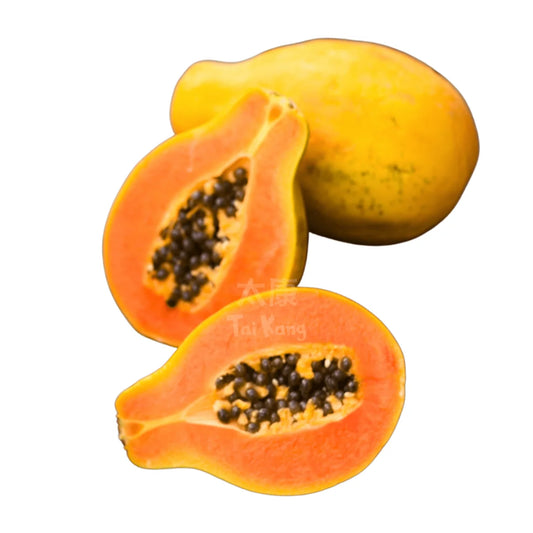
Soft and creamy fruits work well for toddlers, kids who dislike chewing effort, or anyone transitioning off purées. Ripe banana is close to universally accepted because it’s sweet, predictable, and mashes without resistance. Mango and papaya behave the same way once fully ripe, sliding down easy and pairing naturally with yogurt if your child needs a familiar base to build confidence.
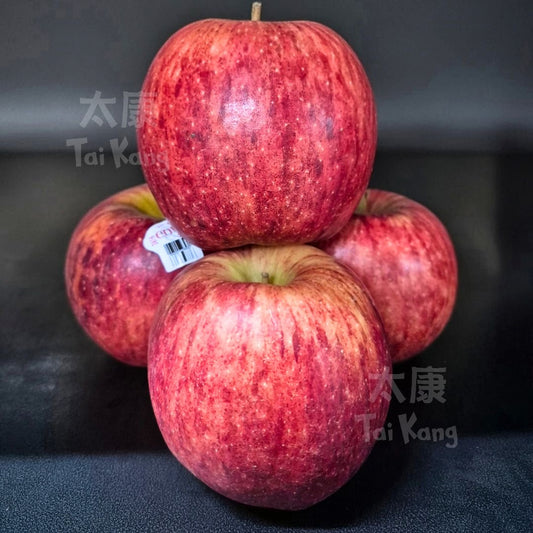
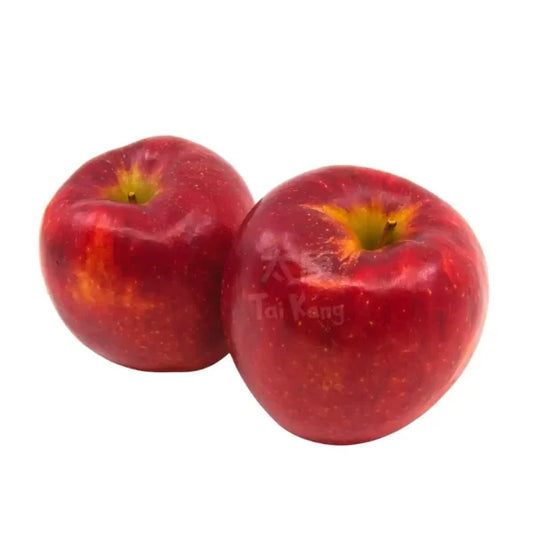
Crisp and crunchy fruits suit kids who already like crackers or chips and tend to reject anything soft or slippery. Thin-sliced apple is the classic starter here, and a Premium Candy Pear sliced into coins offers the same crunch with a sweeter, less tart bite that wins over kids who found apple too sharp. Both should be cut into flat, thin pieces rather than wedges, since a thick chunk is harder for small mouths to manage.
Bite-size, self-feeding fruits give toddlers and preschoolers a sense of control, which matters more than most parents realize. Blueberries and raspberries are naturally the right size for little hands. Grapes need a caveat: whole grapes are a known choking hazard for young children, so quarter them lengthwise before serving, a rule HealthHub and the CDC both stress for toddlers and preschoolers. Seedless green grapes are easy to quarter cleanly and have a mild, consistently sweet flavor that rarely gets rejected once the texture barrier is gone.
Juicy and hydrating fruits shine on hot days or after activity, when a child’s thirst does half the persuading for you. Watermelon cubes and orange segments both deliver a burst of moisture kids notice immediately. A Zespri Golden Kiwi, peeled and sliced, sits somewhere between juicy and soft, tangy enough to feel exciting but tender enough that texture-sensitive kids rarely push it away.
- Soft/creamy: ripe banana, mango, papaya
- Crisp/crunch: apple, Premium Candy Pear
- Bite-size: blueberries, raspberries, quartered grapes
- Juicy/hydrating: watermelon, orange segments, Zespri Golden Kiwi
How to Cut and Prepare Fruit Safely by Age
Texture matching only works if the prep is age-appropriate. A perfect fruit choice still becomes a hazard if it’s cut wrong for your child’s chewing skill.
- Under 12 months: offer purée or fine mash only. No whole pieces, no skins.
- 1 to 2 years: finely chop or grate. Grapes, cherry tomatoes, and similar round fruits must be quartered, never left whole or halved.
- 2 to 4 years: small coin slices or soft cubes are fine, but continue quartering grapes and removing pits from stone fruit.
- 4 years and up: thin wedges or slices work, and most children can manage whole small berries and quartered grapes independently.
- Any age: your child eats seated, supervised, and unhurried. Never offer fruit in the car or while walking.
The CDC notes that offering food in the right size, consistency, and shape for a child’s development stage directly reduces choking risk, not just acceptance. That’s worth repeating because parents often think of texture as a preference issue rather than a safety one.
Pro Tip: Keep washed, cut fruit visible in a clear container at eye level in the fridge. Kids reach for what they can see, and a bowl of pre-cut watermelon gets eaten far more often than a whole melon in the crisper drawer.
For portion sizes, HealthHub’s preschooler guidance puts one small apple, orange, pear, or mango at around 130 grams, ten grapes at about 50 grams, and recommends capping juice at 125 milliliters a day. Whole fruit should always come before juice, since juice skips the chewing practice that helps kids build tolerance for new textures.
Before serving, run through a quick checklist: right size for chewing ability, pits and hard seeds removed, child seated and supervised, and no distractions like screens or toys at the table.
A Daily Routine That Actually Builds Fruit Acceptance
Behavior change beats persuasion every time with picky eaters. Here’s a routine you can start tonight:
- Place one tiny piece of the new fruit on the edge of your child’s plate next to something they already eat and like.
- Eat the same fruit yourself, visibly and without commentary, at the same meal.
- Don’t ask them to try it. Don’t praise them if they do, beyond a neutral “you tried it.”
- Remove the plate without comment if they don’t touch it. No bargaining, no bribing with dessert.
- Reoffer the same fruit again within a few days. Repeat.
Research backs the slow-and-steady approach overdramatic interventions. A randomized trial using a mailed, parent-administered exposure protocol found that repeated tastes, paired with small non-food rewards like stickers, produced real increases in both intake and liking of foods kids had previously rejected. Expect it to take somewhere between 10 and 20 exposures before a food gets a real chance, not one or two.
Pro Tip: A sticker chart for “tried it” (not “ate it all”) keeps the pressure off while still marking progress. The goal in the first few weeks is exposure, not consumption.
Modeling does more work than most parents expect: kids copy what they see on your plate far more reliably than what they’re told to eat. If your child gags, chokes, or consistently refuses all but a handful of foods across every category, or if growth and weight tracking raise concerns at checkups, that’s the point to loop in a pediatrician rather than keep troubleshooting alone.
Snack Formats Picky Eaters Actually Reach For
Fresh fruit isn’t the only entry point. Changing the format alone can unlock a fruit your child has already rejected once.
- Frozen grapes and banana slices: freezing changes the texture entirely, turning a “mushy” fruit into something firmer and almost candy-like. Quarter grapes before freezing, same rule as fresh.
- Freeze-dried fruit pieces: the crunch is dramatic and dry, which makes freeze-dried apple or pear a useful stepping stone for kids who reject fresh, moist fruit but like crackers and chips.
- Smoothies and yogurt dips: blending hides texture entirely while keeping the flavor, useful for kids stuck in a purée stage who need to build tolerance before trying whole pieces.
- Fruit kebabs: threading bite-size pieces onto a skewer turns snack time into a small activity, and the novelty alone gets some kids to try a piece they’d otherwise ignore.
- Lunchbox portions: pack fruit in a separate insulated compartment so it doesn’t turn soggy against other foods; our lunchbox packing guide covers formats that hold up for hours without refrigeration.
Keeping Fresh Fruit on Hand Without the Hassle
Repeated exposure only works if the fruit is actually in your kitchen, prepped and ready, every single time you want to offer it. That consistency is often the real barrier, not the child’s palate.
The company inspects every batch before it ships and stores stock in temperature-controlled conditions, which matters more for picky-eater strategies than it sounds, as explained in Why Fresh Prepared Food Matters for Your Health – Wild Foodz by Hotel Entree Brugge. A soft, overripe banana or a mealy apple can undo weeks of progress in one bad bite, since a child who associates a fruit with an unpleasant texture once may resist it for months.
- A high customer satisfaction rating from many reviews reflects consistent freshness across orders
- Careful inspection reduces the odds of an off-texture piece landing on your child’s plate
- Rotating stock means fruit arrives closer to peak ripeness rather than sitting in a warehouse
For families building fiber intake alongside texture exposure, our guide to high-fiber fruits pairs well with this approach, and our hydrating fruits breakdown is useful if your child is more motivated by thirst than hunger.
Give the Picky Phase Time Before You Panic
Picky eating peaks between ages two and four for a reason: it’s a normal stage of a child asserting control, not a sign something is wrong with your parenting or your child’s palate. Fluctuations are expected, and a child who eats fruit happily one week and refuses it the next is behaving exactly as most toddlers do.
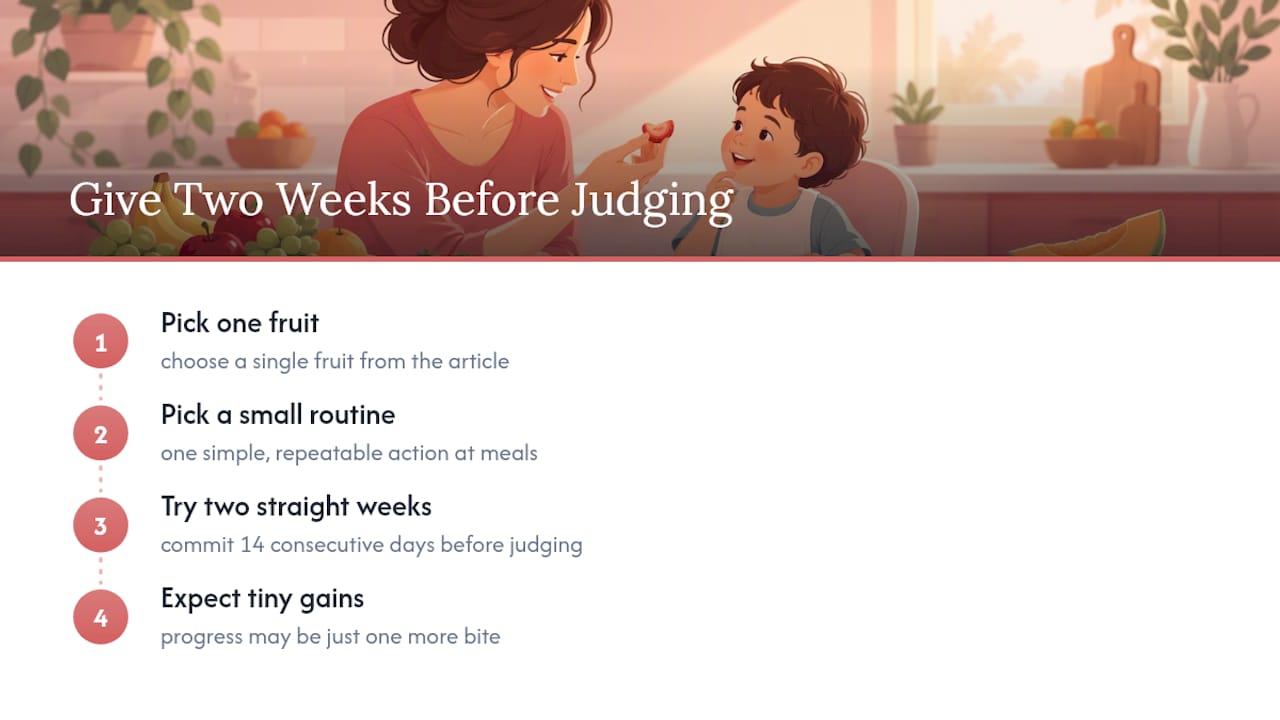
Patience beats intensity here. Pick one fruit from this article, one small routine, and give it two straight weeks before judging whether it “worked.” Progress in picky eating rarely looks dramatic in the moment. It looks like one more bite than last time.
— Tai Kang
Try Taikanghealthyfruits for Consistent, Trial-Friendly Fruit
Repeated exposure only works if the fruit shows up fresh, every time, without you having to hunt for it at the grocery store on a bad week. This business handles that consistency problem directly: every order is inspected before it ships and kept in temperature-controlled storage, so the apple your child rejected once isn’t mealy the second time you offer it.
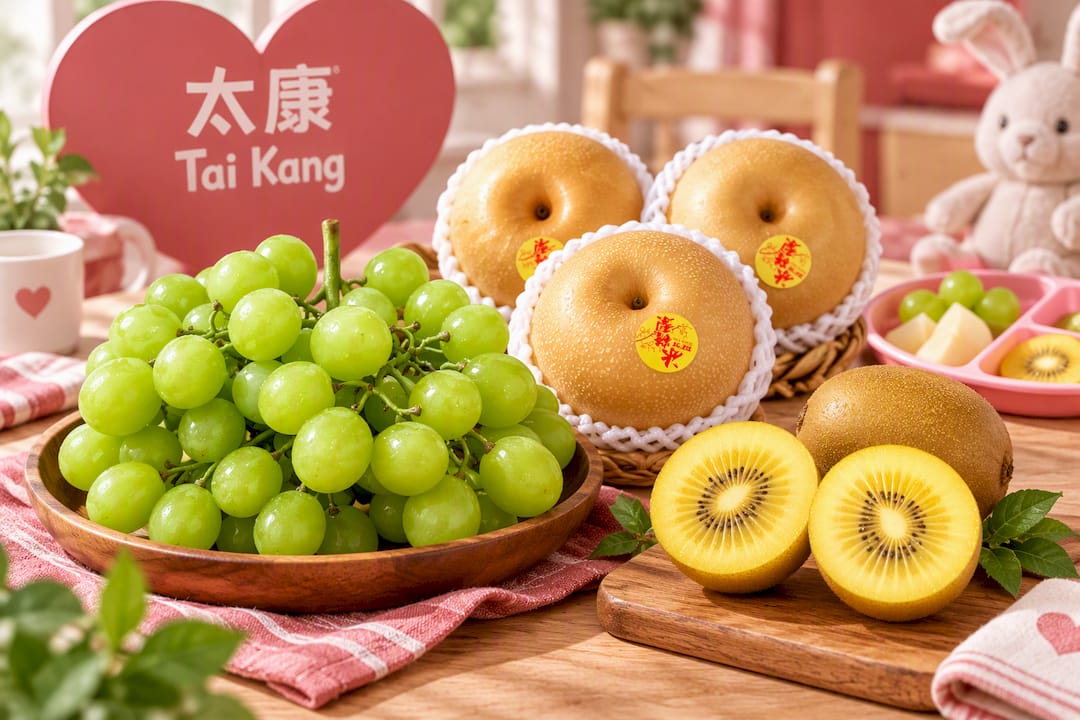
If you’re starting the texture-mapping approach from this article, three products make an easy entry point: seedless green grapes for bite-size self-feeding, Premium Candy Pear for the crisp-crunch category, and Zespri Golden Kiwi for something soft but tangy. If steady supply is your real bottleneck, the bi-weekly subscription plan delivers fresh fruit every two weeks for two months, removing the “did we run out of the one fruit that’s working” problem entirely. Families also building out vegetable exposure can browse the vegetable collection alongside their fruit orders. Place a single trial order today, or set up the subscription if your child has found even one fruit they’ll reliably eat.
Where This Guidance Comes From
This guide draws on practical feeding advice from HealthHub, safe texture progression guidance from the CDC, and pediatric perspective from the American Academy of Pediatrics on normal picky-eating phases and family modeling.
Sources
- HealthHub (Health Promotion Board, Singapore)
- CDC: Help for picky eaters
- Randomized trial on mailed taste exposure and rewards (White Rose / J Acad Nutr Diet)
- Healthychildren
FAQ
What is the best fruit for picky eaters?
There’s no single best fruit. The best starting point is whichever fruit matches a texture your child already tolerates elsewhere, and ripe banana tends to work most often because it’s soft, sweet, and mashes without resistance. Thin-sliced apple, small berries, and watermelon are close runners-up depending on your child’s texture preference.
Which fruit increases appetite?
No fruit reliably increases appetite on its own, but hydrating options like watermelon and orange segments can make a thirsty child more receptive to eating in general. Serving fruit at the start of a meal, before a child fills up on other foods, tends to work better than offering it as an afterthought.
What is the best fruit to eat if I don’t like fruit?
Start with a fruit prepared in a format that avoids the texture you find off-putting. Someone who dislikes mushy fruit might do better with a crisp, thin-sliced apple or a Premium Candy Pear, while someone who dislikes crunch might prefer ripe mango or banana blended into a smoothie.
What to feed an extremely picky eater?
Stick to one small, familiar-format piece of a food they already tolerate, and reoffer new fruits repeatedly without pressure, since the research on parent-administered exposure shows this approach increases both intake and liking over time. If refusal is extreme across nearly all food categories, or growth is a concern, bring it up with a pediatrician rather than continuing to troubleshoot alone.