
25g From Fruit in a Day: High Fiber Fruits Available in Singapore
Berries, passion fruit pulp, prunes, guava, pears, and avocado top the list of high fiber fruits, delivering anywhere from 5 to 14 grams of fiber per serving. Add two to three servings of these to your day and you get most of the way toward a common daily fiber target that many adults miss. Berries and edible seeds give you the most fiber per cup fresh; dried fruit and passion fruit pulp pack even more per serving, just in smaller, calorie-denser doses.
TL;DR:
- Fruits with edible skins and tiny seeds, such as raspberries, guava, and passion fruit, provide the highest fiber density per serving.
- Combining soluble and insoluble fibers from different fruits, like pears with berries or avocados with guava, ensures balanced digestion support.
- Dried fruits like figs and prunes offer very high fiber per volume, but portion control is essential due to their concentrated sugar and calorie content.
- Eating whole fruits including skins and seeds, or blending them into smoothies, maximizes fiber intake compared to peeled or juiced options.
- Building daily fiber intake around two to three servings of high-fiber fruits, spread across meals, is more sustainable than relying on exotic or rare fruits.
Table of Contents
- Which High Fiber Fruit Options Give You the Most Bang Per Serving?
- How to Build a Day Around High Fiber Fruit Options
- Soluble vs. Insoluble Fiber: Why Fruit Choice Matters
- Managing Digestive Side Effects From High Fiber Fruits
- Our Take: Stop Chasing the “Superfood” and Start Eating the Boring Fruit
- Stock Your Kitchen With Ready-to-Eat High Fiber Fruit
- Sources
- FAQ
Which High Fiber Fruit Options Give You the Most Bang Per Serving?
Fiber content swings wildly by fruit, and the differences matter more than most people realize. A cup of raspberries beats a medium apple by nearly double. Here’s the reference chart worth bookmarking, built from USDA FoodData Central values and clinical nutrition sources.
- Raspberries — about 8 grams of fiber per cup, one of the highest fiber densities of any common fruit.
- Blackberries — roughly 7.6 grams per cup, close behind raspberries and just as easy to toss on cereal or yogurt.
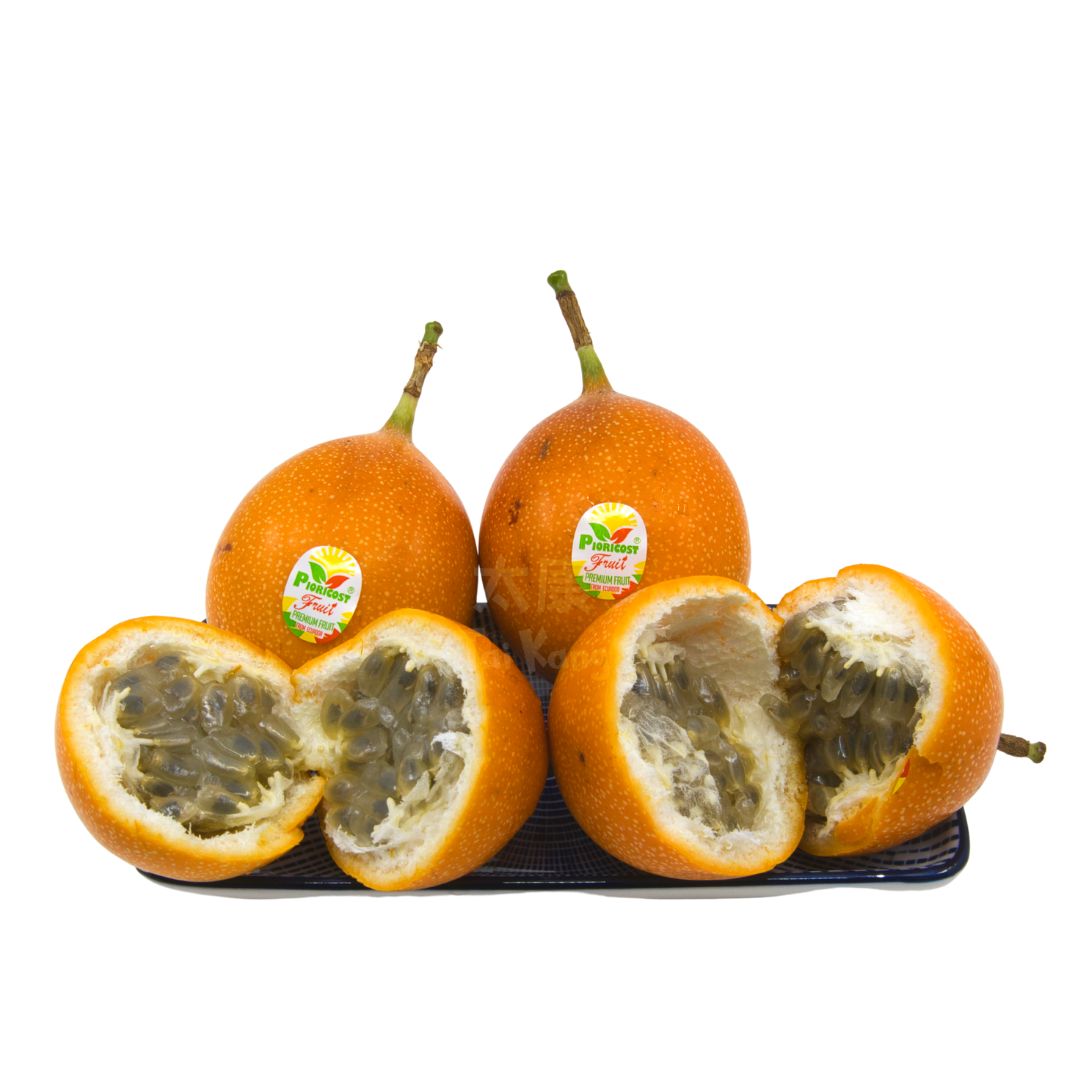
- Passion fruit pulp — around 12.4 grams per cup, driven almost entirely by the tiny edible seeds. Ecuador Sweet Passionfruit delivers this fiber load fresh, without any processing.
- Prunes — about 12 grams per cup (roughly 3.6 grams for five prunes), a dried fruit that earns its reputation for keeping digestion moving.
- Guava — close to 9 grams per cup, thanks to its seed-studded flesh.
- Pears with skin — a medium pear delivers about 5.5 grams of fiber, most of it concentrated in the peel. Premium Candy Pears are sized and ripened for this kind of skin-on eating.
- Avocado — a whole avocado contains close to 14 grams of fiber; a typical one-third serving still gives you about 4.5 grams alongside healthy fats.
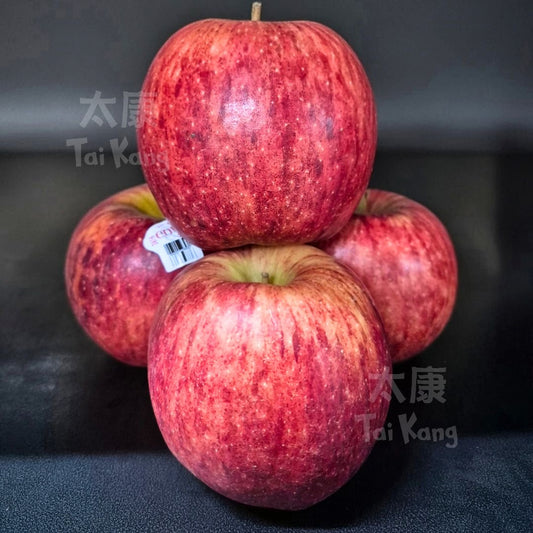
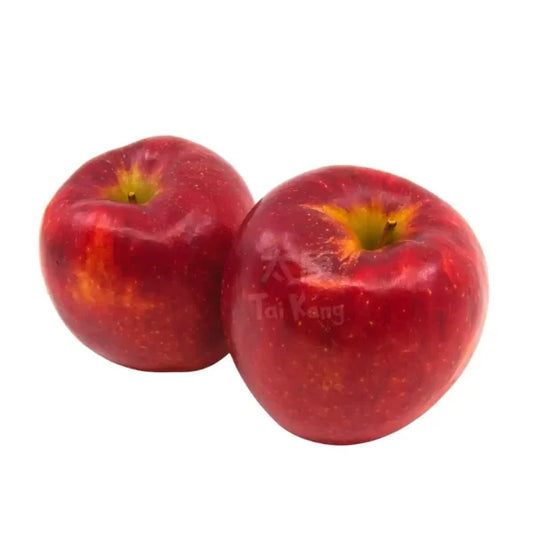
- Apple with skin — about 4.4 to 4.5 grams per medium apple, with most of that fiber sitting in the peel you’d lose by peeling it.
- Kiwi — two medium kiwis run about 4.5 grams of fiber, and the fuzzy skin barely changes the flavor if you’re willing to eat it. Zespri Golden Kiwi is a convenient, portable pick for this.
- Blueberries — around 3.6 grams per cup, lower than blackberries but still a solid contributor.
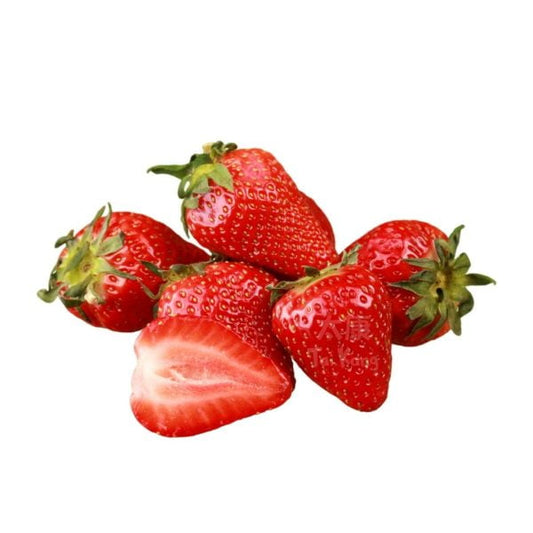
- Strawberries — about 3 grams per cup, sliced and mixed into most breakfasts without effort.
- Dried figs — roughly 14.6 grams per cup, among the highest fiber concentrations of any fruit, dried or fresh.
- Dates — about 1.6 grams per date, which adds up fast if you eat several at once.
- Pomegranate arils — close to 7 grams per cup, seeds included.
Notice the pattern: fruits with edible skins and tiny seeds, like raspberries, guava, and passion fruit, consistently outperform smooth, peeled fruits. That’s not a coincidence. Skins and seeds carry most of a fruit’s insoluble fiber, and eating them intact rather than juiced or peeled can double or triple your intake compared with a peeled or strained version of the same fruit.
How to Build a Day Around High Fiber Fruit Options
Hitting common daily fiber targets sounds hard until you map it out meal by meal. Fruit alone can cover a significant portion of that target without much effort.
Plan A: The berry and pear day
- Breakfast: 1 cup mixed raspberries and blackberries over oats (about 15 grams of fiber)
- Midday snack: 1 medium pear, skin on (5.5 grams)
- Lunch: a third of an avocado added to a salad or sandwich (4.5 grams)
- That’s already 25 grams from fruit alone, before counting vegetables or whole grains.
Plan B: The prune and fig portion-control day
- Breakfast: 3 prunes chopped into yogurt (about 2.2 grams)
- Snack: 2 dried figs, measured out rather than eaten from the bag (about 5 grams)
- Lunch: 1 whole guava sliced fresh (9 grams)
- Dinner side: 1 cup pomegranate arils over a salad (7 grams)
Dried fruit is where portion control matters most. A cup of dried figs delivers more fiber than almost anything on this list, but it also concentrates natural sugar and calories into a much smaller volume than the fresh fruit it came from. Treat dried fruit servings the way you’d treat nuts: measured, not eaten straight from the bag.
A few prep habits make a real difference. Keep skins on apples, pears, and kiwis whenever you can. Blend whole fruit into smoothies rather than juicing it, since juicing strips out the pulp and seeds that carry most of the fiber. And spread your fruit servings across breakfast, lunch, and snacks instead of front loading them into one meal, which gives your gut time to adjust between doses.
Pro Tip: If a fruit’s texture puts you off eating the skin, try baking it lightly first. A baked pear or apple softens the peel without cooking away the fiber.
Soluble vs. Insoluble Fiber: Why Fruit Choice Matters
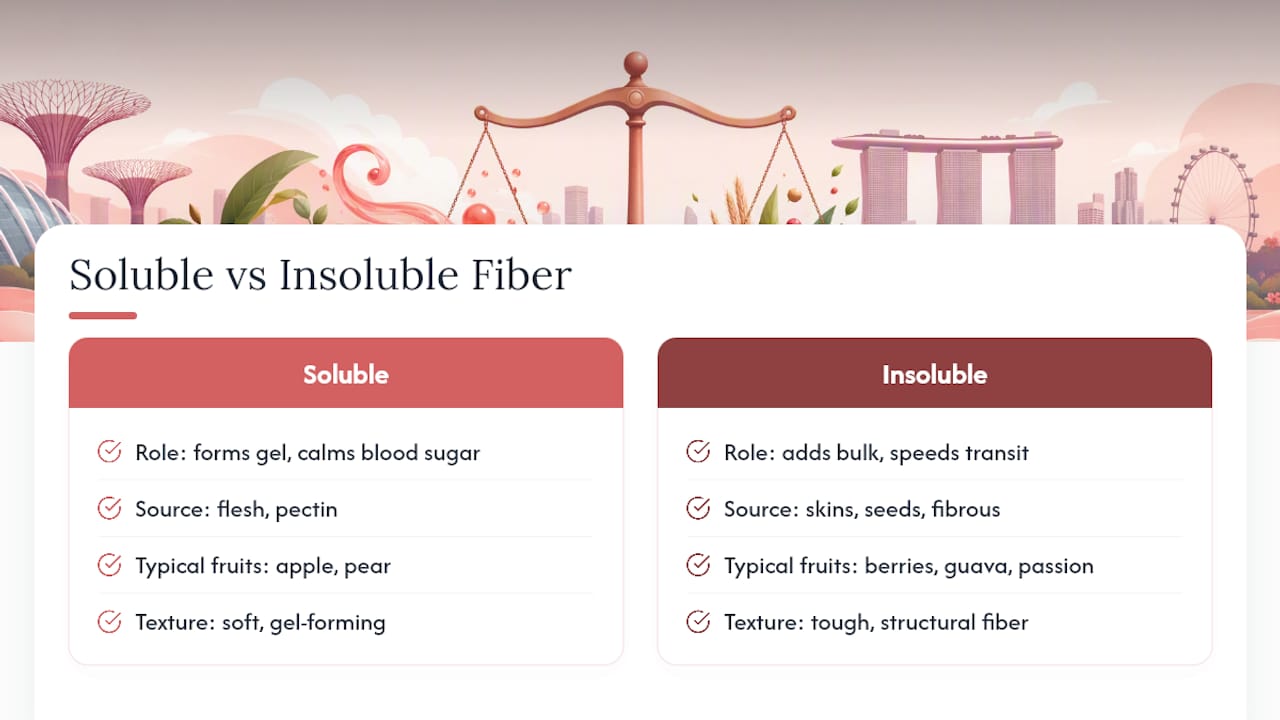
Fruits split into two fiber types, and the difference isn’t cosmetic. Soluble fiber dissolves into a gel in your gut, and it’s what helps lower cholesterol and smooth out blood sugar spikes after meals. Insoluble fiber doesn’t dissolve at all; it adds bulk to stool and speeds food through your digestive tract, which is why it’s the fiber most associated with regularity.
Apples and pears lean more soluble, thanks to a compound called pectin concentrated in their flesh. Berries, seeds, and fruit skins lean more insoluble, since that’s where the tough, fibrous plant structure lives. Passion fruit pulp and guava seeds fall into this insoluble camp too.
You want both. Relying only on soluble fiber from peeled apples leaves you short on the bulk that keeps digestion moving; relying only on insoluble fiber from berries and skins can feel harsh on a sensitive gut without the gentler, gel-forming soluble fiber to balance it. Mixing pears with berries, or avocado with guava, covers both bases in a single day without any extra planning.
Managing Digestive Side Effects From High Fiber Fruits
Fiber is good for digestion, but adding too much too fast tends to backfire. For best results, consider increasing intake gradually over several weeks while drinking enough water to let the fiber move through your system smoothly. Bloating, gas, and cramping are the most common complaints when someone jumps from a low-fiber diet straight to several high fiber fruit servings a day. The fix isn’t cutting fiber back; it’s increasing intake gradually over several weeks while drinking enough water to let the fiber move through your system smoothly.
Fruit allergies are a separate issue and worth taking seriously. Oral allergy syndrome, a mild reaction some people get to raw fruit that’s cross-reactive with certain pollens, shows up most often with apples, kiwi, and stone fruits, usually as tingling or itching around the mouth. Cooking the fruit typically breaks down the proteins responsible, so a baked apple may be fine even when a raw one isn’t.
If you already manage a condition like irritable bowel syndrome, high fiber fruit can sometimes worsen symptoms rather than help them, especially fruits high in fermentable sugars like dried figs and dates. Introducing one new fruit at a time, rather than overhauling your whole diet at once, makes it far easier to spot which fruit, if any, is causing trouble. For anyone dealing with ongoing constipation specifically, pairing fruit choices with the right serving sizes tends to work better than simply eating more fruit across the board.
Our Take: Stop Chasing the “Superfood” and Start Eating the Boring Fruit
The fiber conversation online obsesses over exotic finds, chia-seed hybrids, and rare tropical fruit with eye-popping numbers per cup. That’s backwards. Passion fruit pulp and dried figs post impressive stats, but they’re a poor foundation for a daily habit because nobody eats a cup of either every single day without getting bored or overloading on sugar.
The fruits that actually move the needle on your fiber intake are the ones sitting in your kitchen right now: a pear you eat with the skin on instead of peeling out of habit, a handful of berries on your cereal, a third of an avocado on toast. Consistency beats novelty here. Five grams a day from a pear you’ll actually finish outperforms twelve grams a day from a fruit you eat once and forget about.
What conventional advice gets wrong is treating fiber as a single number to hit rather than a mix to balance. Chase both soluble and insoluble sources, keep the skins on, and build around two or three fruits you’ll genuinely reach for again tomorrow.
— Tai Kang
Stock Your Kitchen With Ready-to-Eat High Fiber Fruit
Reading a fiber chart is one thing. Having the right fruit ripe and ready in your kitchen is another. This business model focuses on sourcing fruit that arrives in temperature-controlled shipping so it’s fresh when it lands on your counter, not a few days past its prime.

Three items worth adding to your next order cover most of the fiber ground in this guide. Ecuador Sweet Passionfruit gives you one of the most concentrated fiber sources on this list, seeds and all, straight out of the fruit. The Premium Candy Pear L (3pcs) arrives ready to eat skin on, which is exactly where a pear’s fiber lives. And Zespri Golden Kiwi makes for a fiber-dense snack you can eat whole with a spoon, no prep required. Orders go through inspection before they ship, and there is a rewards program for repeat customers. Place an order today and build your next few days of high fiber snacks around fruit that’s actually ready to eat when it arrives.
Sources
Fiber content doesn’t change much once a fruit is picked, but freshness affects whether you’ll actually eat enough of it. Tai Kang inspects every batch before it ships and holds fruit in temperature-controlled storage from warehouse to doorstep, which is part of why customers rate the service 4.85 stars across 46 reviews.
A few selection basics go a long way. Ripe pears should give slightly at the stem end; firm ones need a few days at room temperature before they’re ready. Kiwis follow the same rule: soft to gentle pressure means ready to eat, skin and all. Berries bruise fast, so buy what you’ll eat within two or three days, or lean on frozen berries, which hold their fiber and nutrients well when properly frozen. Once ripe, refrigerate pears and kiwis to slow further softening, and keep berries in the fridge from day one.
- Chart of high-fiber foods - Mayo Clinic
- Avocados
- High-Fiber Foods - Cleveland Clinic
- Role of dietary fiber (peer-reviewed article)
- USDA FoodData Central (FDC)
FAQ
Which fruit is highest in fiber?
Among common fruits, passion fruit pulp and dried figs rank near the top, each delivering around 12 to 14.6 grams of fiber per cup. For everyday fresh fruit, raspberries lead at about 8 grams per cup.
How can I get 100% of my daily fiber from fruit alone?
You generally can’t and shouldn’t try. Many adults target around 25 grams of fiber daily, and fruit can cover a significant portion of that when you eat 2 to 3 servings; the rest should come from vegetables, whole grains, and legumes.
Is one banana a day enough fiber?
No. A medium banana provides about 3 grams of fiber, which covers only a small slice of the typical daily target. Pairing it with a pear, berries, or avocado gets you much closer.
How do I get 30 grams of fiber a day?
Combine 2 to 3 high fiber fruit servings (a pear, a cup of berries, a third of an avocado) with vegetables at lunch and dinner and a whole-grain source like oats or brown rice. Increase gradually over several weeks and drink plenty of water to avoid bloating as your intake rises.