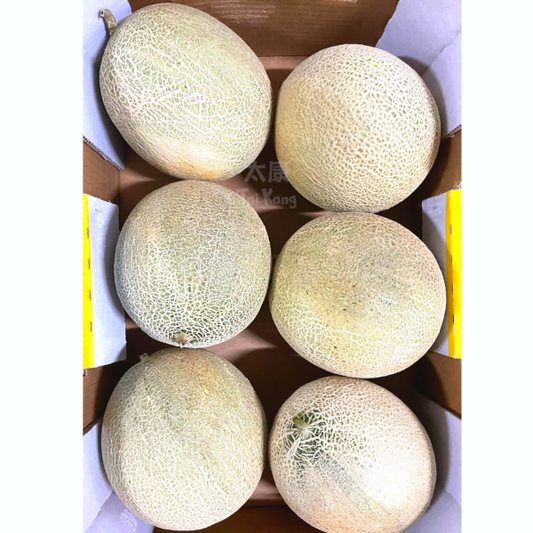

Under 15 Seconds: Check Fruit Freshness with Sniff and Squeeze
Look, feel, and smell. That’s the three-step test that beats every gadget on the market. Press the blossom end gently, check for give near the stem, and sniff for a light sweet aroma before you check color at all. Buy a mix of ripeness stages instead of six identical melons, since refrigeration slows decay but doesn’t stop it. Apps can help you spot a bruise, but they can’t smell a peach for you.
TL;DR:
- Rely primarily on the smell at the blossom end and gentle pressing near the stem to accurately assess fruit ripeness, especially for stone fruit and melons.
- Climacteric fruits like peaches and avocados continue ripening after buying, while non-climacteric fruits such as berries and citrus do not improve once harvested.
- Store fruit by ripeness stage and use breathable bags, refrigerate berries and citrus immediately, and avoid washing until just before consumption.
- Visual checks for bruises, mold, and leaks are quick indicators of poor quality, but internal firmness and aroma are more reliable signals of freshness.
- Apps can identify surface blemishes but cannot replace the nose and fingers in determining real ripeness or internal condition.
Table of Contents
- The Fastest Way to Check Fruit Freshness In-Store
- Does Every Fruit Need the Same Freshness Test?
- How Should You Store Fruit to Make It Last?
- Can a Phone App Really Tell You If Fruit Is Fresh?
- Why Sourcing and Storage Matter as Much as the Sniff Test
- A Shopping Habit Worth Stealing
- Skip the Guesswork With Fruit That’s Already Checked
- Sources
- FAQ
The Fastest Way to Check Fruit Freshness In-Store
You don’t need ten minutes per apple. You need a routine you can run in under fifteen seconds per piece, in this order.
- Scan it visually. Look for bruises, cuts, soft brown patches, or mold spots. If the fruit is packaged, check for condensation inside the container. Fog on the plastic usually means moisture buildup, which speeds up rot even if the fruit looks fine right now.
- Press gently, not hard. Cradle soft fruit like peaches or plums in your palm and press near the stem end with your thumb. It should give slightly and spring back. A rock-hard peach isn’t ripe. A peach that leaves a thumbprint is already past its window.
- Sniff the blossom end. This is the end opposite the stem, and it’s where ripe fruit concentrates its aroma. The sniff test at the blossom end is one of the most reliable ripeness signals available, often more accurate than color alone. No smell usually means unripe. A boozy or sour smell means it’s turning.
- Weigh it in your hand. For melons and citrus, heft matters. A dense, heavy fruit for its size usually holds more juice and sugar than a lighter one of the same variety.
- Watch for red flags that mean stop. Leaking juice, a sour or fermented smell, visible mold, or a mushy patch that doesn’t spring back are all signs to put it down.
Pro Tip: Do the blossom-end sniff before you even pick up the fruit to check firmness. Your nose catches ripeness signals your fingers might miss, especially with stone fruit and melons.
Appearance, firmness, weight, and aroma together beat any single check on its own, since color alone can mislead you when a variety naturally turns red or yellow before it’s actually ripe.
Does Every Fruit Need the Same Freshness Test?
No, and this is where most shoppers waste effort checking the wrong thing. Some fruits keep ripening after you bring them home. Others are stuck at whatever stage they were picked. Understanding which is which changes how you shop.
Climacteric fruits, like bananas, avocados, and peaches, continue to soften and sweeten on your counter after harvest. Non-climacteric fruits, like berries, citrus, and grapes, do not improve once picked. Buying an underripe banana is fine. Buying an underripe strawberry is a permanent mistake.
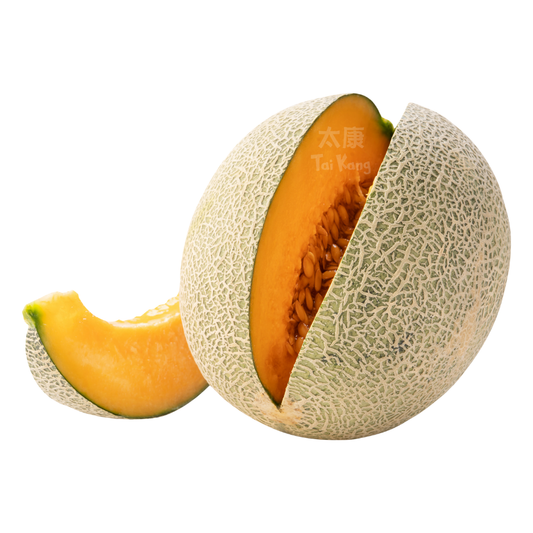
- Melons: Check the field spot, the pale patch where the melon rested on the ground. A creamy yellow spot usually beats a white one. Heft matters too. A heavy melon relative to its size tends to be juicier, and rind netting and stem slip are better ripeness clues than overall surface color, which shifts with variety and lighting anyway.
- Avocados and peaches: Flick the small stem nub off an avocado. Green underneath means it’s close to ready; brown means it’s overripe. Press gently near the stem end for both fruits rather than squeezing the middle.
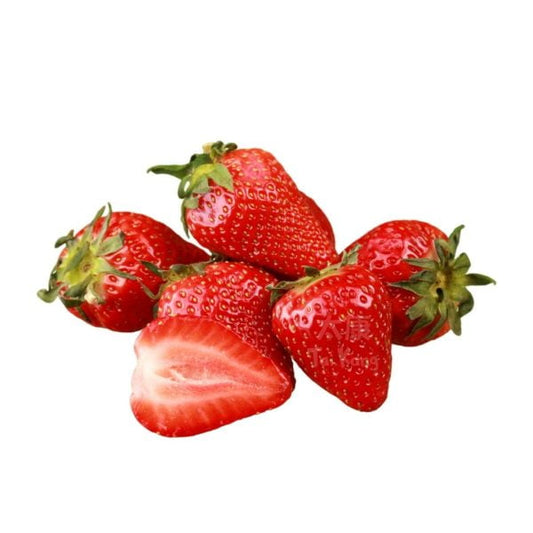
- Berries and grapes: Look for bright, even color and firm skin with no leaking. Grapes should still be attached to their stems, and the stems should look green, not brown or brittle.
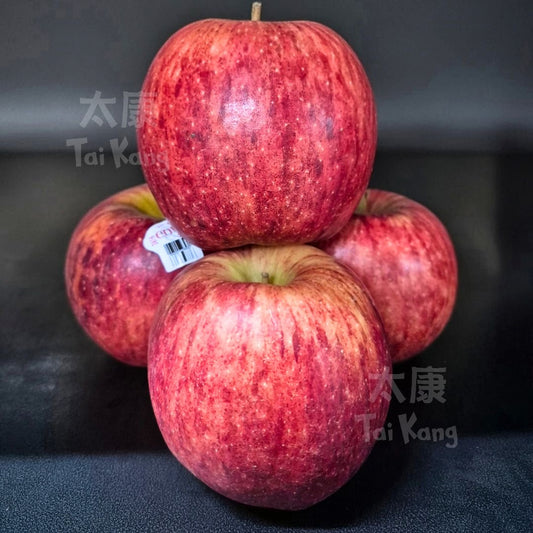
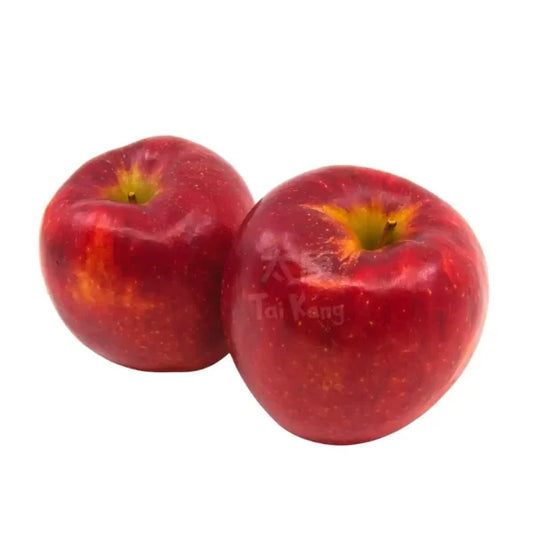
- Citrus and apples: Firmness and weight tell you more than a perfect peel. A light citrus fruit for its size is often dried out inside, even if the skin looks flawless. Stem tension and firmness translate directly into consumer picking cues that home shoppers can use without any special tools.
How Should You Store Fruit to Make It Last?
Buy staggered, not uniform. Grab two ripe avocados for this week and two firm ones for next week instead of four that will all soften on the same Thursday, since buying mixed ripeness spreads out your eating window and the fridge only slows decay rather than pausing it.
Where you store fruit matters almost as much as what you buy:
- Keep bananas, avocados, tomatoes, and stone fruit on the counter until ripe, then move them to the fridge to slow further softening.
- Refrigerate berries, grapes, and citrus right away, ideally in a single layer so bottom pieces don’t get crushed.
- Use breathable produce bags rather than sealed plastic, which traps moisture and speeds up mold.
- Wait to wash fruit until right before eating. Washing early and refrigerating while wet encourages mold growth and shortens shelf life.
For a deeper breakdown by fruit type, our guide to storing fruit for maximum freshness covers specific timelines, and our grape storage tips are worth a look if grapes are a weekly staple in your house.
Can a Phone App Really Tell You If Fruit Is Fresh?
Somewhat. Photo-based freshness apps are decent at spotting what’s already visible on the surface, like bruising, discoloration, or early mold. They cannot smell the blossom end, and they cannot press a peach to feel for give, which are two of the most reliable checks available.
- Most of these tools were built and tuned for commercial quality control on packing lines, not for a single piece of fruit in your kitchen.
- They flag visible defects reasonably well but miss internal firmness and any aroma signal entirely.
- Treat an app result as a second opinion, never the final word. Finish every check with your own nose and fingers.
Why Sourcing and Storage Matter as Much as the Sniff Test
You can run every check in this guide and still end up with disappointing fruit if it sat in a warm truck for three days before it hit the shelf. That’s the part shoppers can’t test for themselves.
At many quality-focused fruit suppliers, batches often go through inspection before shipping, and move through temperature-controlled storage the entire way, which is an important part of maintaining freshness that a squeeze test can’t fix after the fact.
Positive customer ratings typically reflect consistent delivery of expected quality and service.
If you want more picking and storage detail beyond what’s covered here, the do’s and don’ts checklist on keeping fruit at its best and the guide to avoiding bad supermarket fruit go into more depth on both fronts.
A Shopping Habit Worth Stealing
I grab fruit in stages now, not all at once. Two ripe pieces for today, two firmer ones for later in the week, and I always flick an avocado’s stem nub before I decide anything else. Storage rotation at home is just as important, oldest fruit to the front. Run this checklist on your next shopping trip and you’ll waste noticeably less.
— Tai Kang
Skip the Guesswork With Fruit That’s Already Checked
Grocery store bins mix ripe, underripe, and past-prime fruit in the same tray, which is exactly why the checklist above exists. Some online fruit sellers inspect their orders and use temperature-controlled conditions to preserve freshness until delivery.
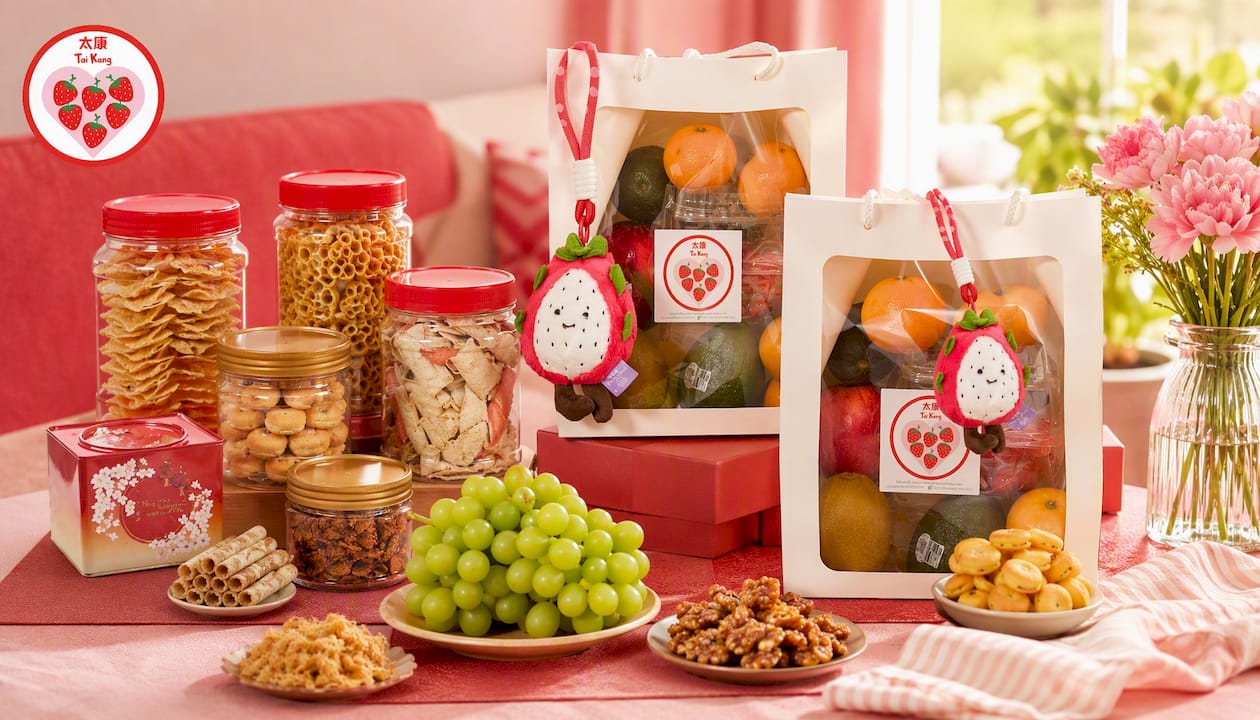
If you want fruit that’s ready to eat tonight, the USA Sweet Globe Seedless Green Grapes are picked and inspected for exactly that. Planning meals or gifting across several days instead? The PSLE Care Pack is built around staggered ripeness, so nothing goes soft all at once. And if you want a mix ready straight out of the box with no prep at all, browse the all time favourites snack pack for something you can hand out or snack on immediately. Place an order today and let the inspection happen before the fruit ever reaches your counter.
Sources
- How to pick ripe fruit | HowStuffWorks
- Ready or not? The expert guide to buying fruit – so it is always ripe and delicious | The Guardian
- Tree Fruit: Determining the Optimum Time to Harvest | UMass
- How to Pick the Best Fruits at the Grocery Store (A Shopper’s Guide) - Savory Splash
FAQ
How Can You Tell If Fruit Is Fresh?
Check appearance for bruises or blemishes, press gently near the stem for give, and sniff the blossom end for a light sweet smell. Weight matters too. A dense melon or citrus fruit for its size usually beats a lighter one of the same variety.
Will Fruit Last Three Days in the Fridge?
Most fruit holds up fine for three days refrigerated, though berries and ripe stone fruit can turn faster in warm conditions. Citrus and apples typically last well beyond three days when stored dry and cold.
How Can You Tell If Fruit Is Spoiled?
Mold, a sour or alcoholic smell, leaking juice, and mushy spots that don’t spring back are the clearest signs. If a fruit smells fermented rather than sweet at the blossom end, it’s past eating.
What Does a Four-Digit Produce Code on a Label Mean?
That’s a PLU code used at checkout to identify the fruit variety and price, not a freshness or ripeness indicator. It won’t tell you whether the specific piece in your hand is ready to eat.
Are Freshness-Checking Apps Reliable?
They catch visible surface defects reasonably well but can’t detect smell or internal firmness, the two checks that matter most. Use them as a backup to your own sniff and squeeze test, not a replacement for it.