
Keep Fruit Fresh: Crisper Humidity Settings (85–95% RH)
Most fresh fruit keeps best at 85–95% relative humidity in cool, stable conditions, with tropical fruit and a few rot-prone types as exceptions. The bigger risk isn’t the humidity number itself. It’s surface wetness from condensation, which drives mold faster than high humidity alone ever will. Set your crisper drawer to the high-humidity vent position for most produce, drop a cheap hygrometer inside, and check it after a day.
TL;DR:
- Maintaining high humidity levels around 85–95% RH slows water loss but increases the risk of mold due to surface condensation, especially at near-saturation RH.
- Using the crisper drawer vent correctly by closing it for berries and leafy greens and opening it for apples and pears helps regulate local humidity and prevent mold.
- Tropical fruits should be stored at 85–90% RH and kept above 10°C, while berries and temperate fruits like apples and pears fare best at 0–4°C with high humidity.
- Surface moisture from condensation, not RH alone, causes mold and chilling injury, with many fridges running colder than their dials indicate, exacerbating the problem.
- Proper storage also depends on handling before the fruit reaches your kitchen, with controlled supply chain practices reducing the risk of starting with stressed or damaged produce.
Table of Contents
- What Does Humidity Actually Do to Fruit?
- How Do Crisper Drawer Vents Control Humidity?
- What Humidity and Temperature Work Best by Fruit Type?
- Why Does Fruit Mold or Shrivel Even at the Right Humidity?
- How Do You Measure and Control Humidity at Home?
- Why Handling Before the Fridge Matters as Much as Your Settings
- Skip the Guesswork With Fruit That’s Already Handled Right
- Where to Read More on Fruit Storage Science
- Sources
- FAQ
What Does Humidity Actually Do to Fruit?
Relative humidity (RH) measures how much moisture the air is holding compared to its maximum capacity at that temperature. Fresh fruit is still alive after picking. It keeps losing water through its skin in a process called transpiration, and that water loss is what turns firm apples spongy and plump berries into raisins.
Low humidity accelerates transpiration, so fruit shrivels and loses weight fast. High humidity (80–95% RH) slows that water loss dramatically, which is why Cooperative Extension guidance sets 90–95% RH as the target for berries and temperate fruit and 85–90% for many tropicals. The catch is that fungal spores thrive in the same conditions. Decay risk climbs sharply once surface moisture and near-saturation RH combine, according to research on mold growth and water activity. That’s the real trade-off:
- Too little humidity: shriveling, weight loss, loss of crispness
- Too much surface moisture: condensation, mold, rapid decay
- Unstable temperature: triggers condensation even at correct RH
One more factor worth knowing: ripening fruit releases ethylene gas, which speeds ripening in nearby produce. Keeping ethylene producers separated from sensitive fruit matters just as much as getting the humidity right.
How Do Crisper Drawer Vents Control Humidity?
The vent slider on your crisper drawer isn’t decorative. Closing it traps moisture released by the produce inside, raising local RH. Opening it lets that moist air escape and mix with the drier main fridge air, lowering RH, a mechanism Michigan State University Extension has documented in detail.
Use this sequence when you load your fridge:
- Identify which drawer has the higher-humidity setting (often labeled or marked with a droplet icon).
- Close that drawer’s vent for berries, leafy greens, and most temperate fruit.
- Open the vent slightly in the drawer holding apples, pears, and stone fruit if they’re stored with ethylene-sensitive items.
- Keep soft, rot-prone fruit and most tropicals in a low-humidity or room-temperature spot instead of the sealed high-RH drawer.
- Store berries unwashed until you’re ready to eat them, in a perforated container rather than a sealed one.
Pro Tip: Never wash berries or grapes before storing them. That surface film of water is exactly what accelerates mold, even inside a “correct” high-humidity drawer.
What Humidity and Temperature Work Best by Fruit Type?
Different fruits tolerate different combinations of cold and moisture, and mixing them up in one drawer is where most home storage goes wrong. Extension-style compatibility charts group produce by shared temperature and RH needs specifically so incompatible items don’t end up sharing a drawer, according to postharvest storage compatibility research.
| Fruit category | Target RH | Target temperature | Storage note |
|---|---|---|---|
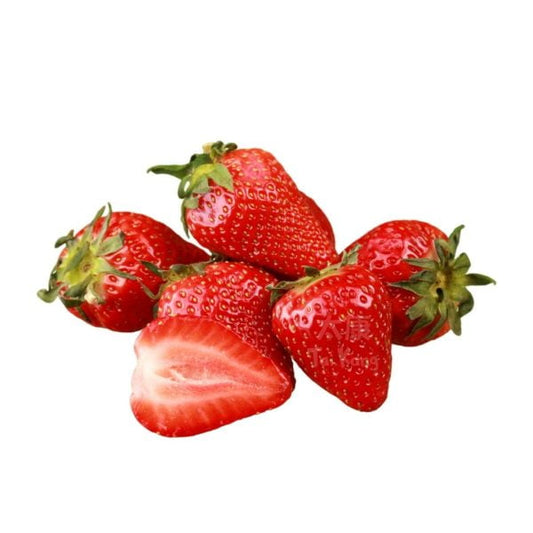
| Berries (strawberries, blueberries, raspberries) | 90–95% | 0–2°C | Best flavor life is short, often only a few days, even at ideal RH; store in a single layer |
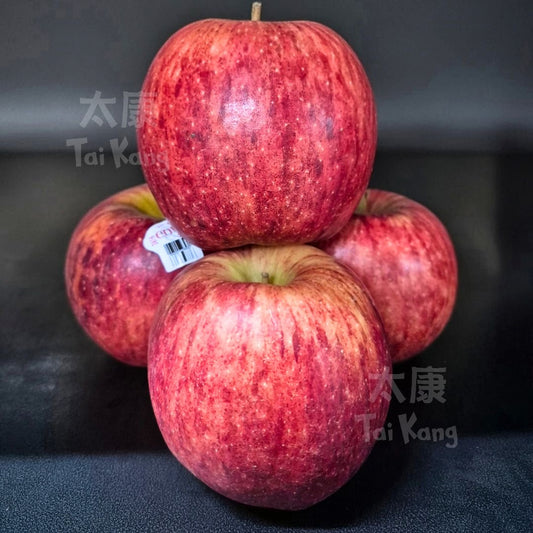
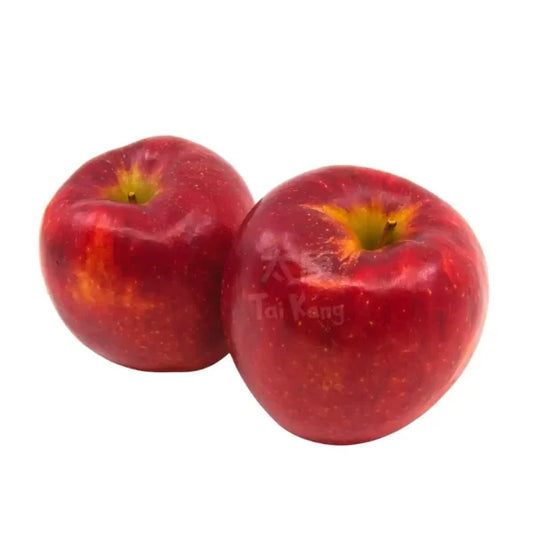
| Apples and pears | 90–95% | 0–4°C | Long storage life; keep away from ethylene-sensitive produce |
| Stone fruit (peaches, plums, nectarines) | 90–95% | 0–4°C after ripening | Ripen on the counter first, then chill; refrigerating unripe fruit stalls flavor development |
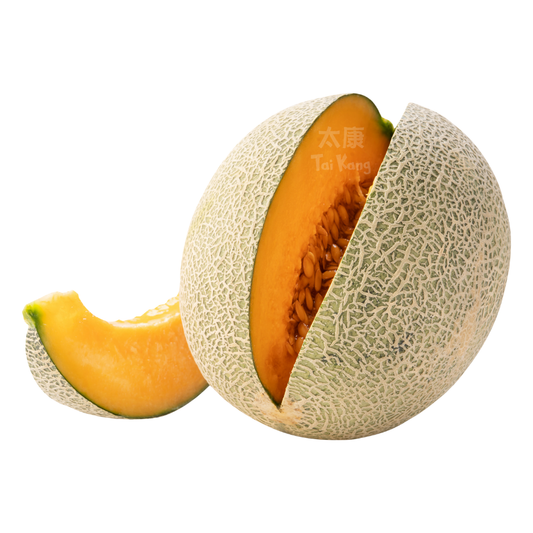
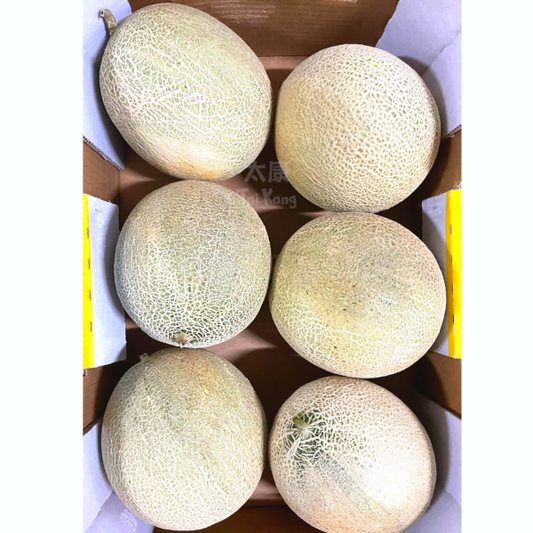
| Melons (cantaloupe, honeydew) | 85–90% | 4–10°C | Whole melons store better slightly warmer than sliced |
| Tropical fruits (mango, pineapple, banana) | 85–90% | 10–15°C | Chilling injury below this range causes dull skin and mushy texture |
Bananas specifically should never go in the fridge. Cold temperatures blacken the skin and stop ripening, a point backed by USDA guidance on produce that shouldn’t be refrigerated. Tropical fruit in general does better on a counter or pantry shelf than in your coldest drawer.
Why Does Fruit Mold or Shrivel Even at the Right Humidity?
Condensation, not RH alone, is the usual culprit behind mold. When a fridge cycles between defrost and cooling, warm moist air hits cold produce and beads into water droplets on the skin. That surface film feeds fungal growth even when your hygrometer reads a perfectly reasonable 90%.
Chilling injury looks different from mold and gets misdiagnosed constantly. Tropical fruit stored below its safe threshold develops pitting, dull or water-soaked skin patches, and off flavors that never resolve even after warming back up, a pattern detailed in UC Davis postharvest pineapple research.
Quick fixes when something’s going wrong:
- Wipe visible surface moisture off fruit immediately, don’t let it sit
- Add ventilation holes to bags or containers showing condensation
- Move mangoes, pineapple, and bananas out of the fridge entirely
- Check your fridge’s actual temperature with a separate thermometer; many run colder or less stable than the dial suggests
How Do You Measure and Control Humidity at Home?
You can’t eyeball relative humidity accurately, which is why extension guidance recommends a basic hygrometer or sling psychrometer over guesswork. A $10 digital hygrometer placed on a low shelf inside the crisper gives you a real number within a day.
Here’s how to put one to work:
- Place the hygrometer at produce level, not on the door shelf, since door temperature swings more.
- Leave it for 24 hours before trusting the reading, since humidity stabilizes slowly.
- If the reading runs low, switch to perforated plastic bags or add a slightly damp paper towel layer around the fruit.
- If you see condensation forming inside packaging, that’s a sign to add airflow, not to chase a higher RH number.
- For berries, use a shallow single-layer tray rather than a deep bag, so moisture doesn’t pool against the fruit.
Pro Tip: A folded paper towel inside a produce bag does double duty. It absorbs excess condensation while still letting enough moisture through to prevent shriveling.
If your fridge simply can’t hold a stable RH, for example, an older unit with a noisy defrost cycle, the more reliable fix is buying fruit that was already handled correctly before it reached your kitchen. Tai Kang Healthy Fruits’ temperature-controlled storage practices exist for exactly that reason: less stress on the fruit before it ever gets to your crisper.
Why Handling Before the Fridge Matters as Much as Your Settings

Every home storage tip in this article assumes the fruit arrived in decent shape. It often doesn’t. A mango that sat on a warm loading dock for six hours before hitting a truck is already chilling-injury-prone before you even open your fridge door.
Consistent temperature control through the supply chain matters as much as vent settings at home, a point echoed in industry cold-storage practices around Singapore’s cold-chain infrastructure. Produce goes through inspection and temperature-controlled storage before delivery, which is meant to reduce the odds of starting from stressed fruit in the first place. For more on the mechanics of moisture and shelf life once fruit is in your kitchen, our guide to storing fruit for maximum freshness goes deeper than any single fridge setting can.
— Tai Kang
Skip the Guesswork With Fruit That’s Already Handled Right
Getting humidity right at home only solves half the problem. The other half happens before the fruit ever reaches your kitchen, and that’s the part you can’t fix with a hygrometer. Orders are inspected and kept in temperature-controlled storage from sourcing to delivery, reducing the chance of receiving fruit that has been exposed to poor conditions before reaching your kitchen.

If you want something dependable for weekly snacking, the Fragrant Pear (~1kg) holds up well in a standard high-RH crisper drawer. For short-term storage where flavor peaks fast, the Japan Peach is best eaten within days of arrival, which sidesteps most of the storage trade-offs covered above entirely. Buying fruit as a gift removes the storage question for the recipient altogether, and the Abundance Harvest Premium Gift Box is built for that occasion.
If you’d rather not think about crisper settings every week, the bi-weekly fruits delivery subscription keeps fresh, properly handled fruit arriving on a schedule. Browse the full fruit and vegetable selection and place your first order today.
Where to Read More on Fruit Storage Science
- Cooperative Extension postharvest publications, for RH targets and monitoring methods across common fruit types.
- UC Davis postharvest produce fact sheets, covering chilling injury thresholds for tropical fruit.
- Extension-style produce storage compatibility groups, for pairing fruit by shared temperature and humidity needs.
- Tai Kang’s own guide on how to store fresh fruits and keep them at their best, for packaging specifics.
Sources
- Extension
- Postharvest UC Davis — pineapple factsheet
- PMC — research on mold growth and water activity
- Produce storage compatibility groups (extension-style PDF)
FAQ
Should I Store Fruit in High Humidity or Low Humidity?
Most fresh fruit, including berries, apples, pears, and stone fruit, stores best at high humidity, typically 90–95% RH. Tropical fruit like mango and pineapple prefers slightly lower humidity around 85–90% paired with warmer temperatures instead of a cold fridge.
Is 70% Humidity Too High?
The problem with humidity isn’t a number that’s too high. It’s surface wetness from condensation, which causes mold even at moderate RH levels.
What Humidity Is Best for Fruit?
Berries and temperate fruit do best at 90–95% RH near 0–2°C, while many tropical fruits prefer 85–90% RH at warmer temperatures around 10–15°C. Keeping the fruit’s surface dry matters as much as hitting the exact RH target.
Will Mold Grow at 50% Humidity?
Mold growth is unlikely at 50% RH alone since fungal spores need much wetter conditions to establish, generally near-saturation humidity or direct surface moisture. The bigger risk at any RH level is condensation pooling on the fruit’s skin, which creates the wet surface mold actually needs.
How Much Does Tai Kang’s Fruit Cost?
Pricing for individual items like the Fragrant Pear or Japan Peach, along with subscription and gift box options, is listed directly on the Tai Kang Healthy Fruits product pages.