
3 Ready to Buy Fruits for Diabetics: Portion Controlled Picks
Yes, fruit belongs on a diabetes-friendly plate. The safest bets are berries, apples and pears, citrus, avocado, and select stone fruits, all eaten as a measured portion rather than an unlimited snack. The one rule that matters more than any glycemic index chart: stick to a standard serving that provides roughly a moderate amount of carbohydrate and pair it with a protein or fat source to keep your blood sugar curve flat.
TL;DR:
- Berries, apples with skin, citrus, and avocados offer the lowest glycemic impact and highest nutritional value when eaten in measured portions with pairing of proteins or fats.
- Dried fruit, fruit juice, sweetened canned fruit, and large servings of bananas, grapes, and watermelon can cause rapid sugar spikes and should be limited to small portions or avoided.
- Standard fruit servings contain about 15 grams of carbohydrate, and spreading two to three servings across meals helps maintain blood sugar control.
- Fresh, frozen, and canned fruits with no added sugar are preferable, but overripe or poorly stored produce can increase sugar availability and impact blood glucose levels.
- Pre-portioned fruit packs and regular delivery subscriptions can help maintain consistent, controlled fruit intake and prevent overeating.
Table of Contents
- Best Blood Sugar–Friendly Fruits to Reach For
- Fruits and Forms to Limit or Avoid
- How to Portion and Pair Fruit the Right Way
- Fresh, Frozen, Canned, Dried, or Juiced: Does Form Matter?
- Why Sourcing and Storage Quality Actually Matter Here
- How Type 1, Type 2, and Gestational Diabetes Change Fruit Choices
- Does Fruit Sugar Interfere With Diabetes Medications?
- How Often Should You Actually Eat Fruit?
- What This Guide Gets Right That Most Advice Skips
- Make Portion-Controlled Fruit Part of Your Routine
- Sources
- FAQ
Best Blood Sugar–Friendly Fruits to Reach For
Berries top most dietitians’ lists for a reason. A cup of strawberries, blueberries, or raspberries lands around 15 grams of carbohydrate while delivering a heavy dose of fiber and antioxidants, which is why Harvard Health singles out berries, citrus, apples, and pears as the fruits with the lowest glycemic impact and the highest nutritional payoff.
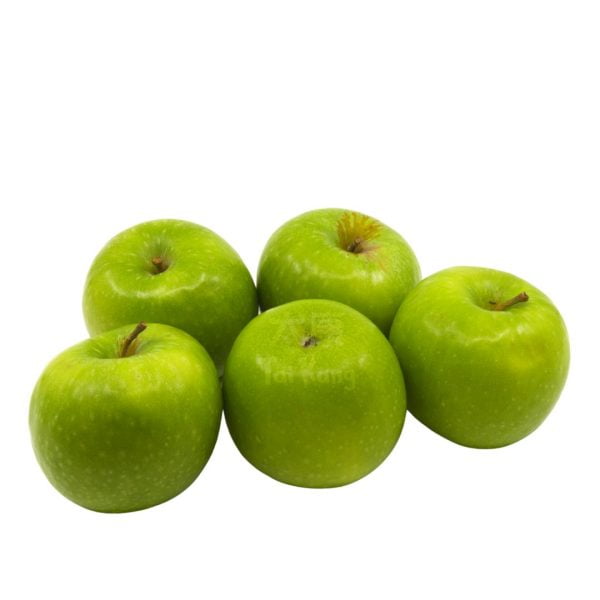
Apples and pears work almost as well, but only if you eat the peel. The skin carries most of the fiber, and that fiber physically slows how fast sugar hits your bloodstream. A Green Apple (5pcs) pack is an easy way to keep pre-portioned, skin-on fruit on hand instead of grabbing whatever is closest when hunger strikes.
Citrus fruits deserve a spot too. A whole orange or half a grapefruit provide fiber and vitamin C in a form your body digests slowly, which is a very different experience than drinking the juiced version.
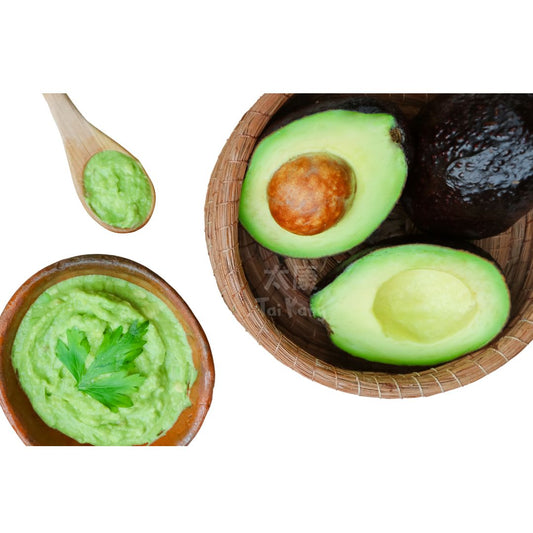
Avocado is the outlier on this list because it barely counts as a “fruit” nutritionally. It carries very little usable carbohydrate per serving and adds healthy fat that can blunt the glucose response of whatever else is on your plate.
Stone fruits and melons can fit too, in smaller portions than you might guess. A small peach or a cup of cubed cantaloupe stays reasonable, but these fruits are denser in natural sugar per bite than berries, so eyeballing the portion matters more here.
If you want a shopping shortlist that checks these boxes without much thinking:
- Zespri Golden Kiwi, a genuinely low-sugar, fiber-dense fruit that’s easy to portion by the piece
- USA Sweet Globe Seedless Green Grapes, fine in a controlled handful (see the portioning warning below)
- Green Apple (5pcs), pre-counted so you’re not guessing serving size
Fruits and Forms to Limit or Avoid
Some fruits and formats punch far above their weight in sugar load, and they deserve a second look before they land in your cart.
- Ripe banana, pineapple, and large grape or watermelon portions. These aren’t off-limits, but a whole banana or a heaping bowl of grapes can push well past one serving without you noticing, since they’re easy to overeat by volume.
- Dried fruit. Drying concentrates sugar into a tiny volume, so NUHS’s diabetes nutrition guidance recommends keeping servings to 2 tablespoons to a quarter cup, not a handful eaten straight from the bag.
- Fruit juice and sweetened canned fruit. Juicing strips out the fiber that normally slows digestion, so the sugar hits your system almost as fast as a soda. The one exception: a small glass of juice is a legitimate, fast-acting fix if you’re actually treating a low blood sugar episode.
How to Portion and Pair Fruit the Right Way
A standard fruit serving runs about 15 grams of carbohydrate, and it’s smaller than most people assume. That’s one small apple, one cup of whole berries, or half a cup of diced mango, according to serving guidance from Dexcom’s diabetes nutrition team. Most people with diabetes can work in two to three of these servings a day, spread across meals rather than stacked into one sitting, though your own tolerance depends on your medication, activity level, and how your body handles carbohydrates in general.
Pairing is the part people skip, and it’s the part that does the most work. Fat and protein slow gastric emptying, which flattens the glucose spike that fruit sugar alone would cause. A few combinations worth keeping on rotation:
- Sliced apple with a tablespoon of peanut butter
- A cup of berries stirred into three tablespoons of Greek yogurt
- Sliced kiwi over a scoop of cottage cheese
Pro Tip: Test a new fruit once with a glucometer or CGM about one to two hours after eating it. Everyone’s response is a little different, and that glucose check tells you more about your own body than any glycemic index table ever will.
Fresh, Frozen, Canned, Dried, or Juiced: Does Form Matter?
Preparation changes the math more than most people expect. Riper fruit carries more available sugar than firmer fruit, and any process that dries or juices fruit concentrates that sugar while stripping out the fiber that would normally slow it down, according to NUHS.
Fresh, whole fruit is the gold standard. Unsweetened frozen fruit is a genuinely solid, budget-friendly stand-in that keeps its fiber intact. Canned fruit works too, but only when the label says “no added sugar” or “packed in its own juice,” never in syrup. Smoothies and juices tend to spike blood sugar faster than the same fruit eaten whole, unless you’re deliberately blending in protein or fat to slow it down.
A short label-reading checklist before you buy:
- Check for “no added sugar” or “packed in own juice” on canned fruit
- Confirm the serving size matches what you’ll actually eat, not the whole container
- Watch for “light syrup” or “syrup” language, which usually means added sugar
Portioning fruit into single-serve containers the day you store fresh fruits removes the guesswork on busy days, and it keeps you from eating straight out of a bag.
Why Sourcing and Storage Quality Actually Matter Here
Fruit that’s overripe or past its prime carries more available sugar, which means the quality of what lands in your kitchen affects your blood sugar math before you even take a bite. High-quality produce that undergoes careful inspection and optimal storage conditions matters more for a diabetes-conscious shopper than it does for casual buyers.
The service has received positive customer ratings, reflecting satisfaction influenced by helpful guidance alongside product quality. If you’re trying to hit consistent serving sizes, ordering pre-portioned staples like green apples, golden kiwi, and seedless grapes on a recurring basis cuts down on both spoilage and the temptation to eyeball a portion when the fruit bowl is overflowing.
How Type 1, Type 2, and Gestational Diabetes Change Fruit Choices
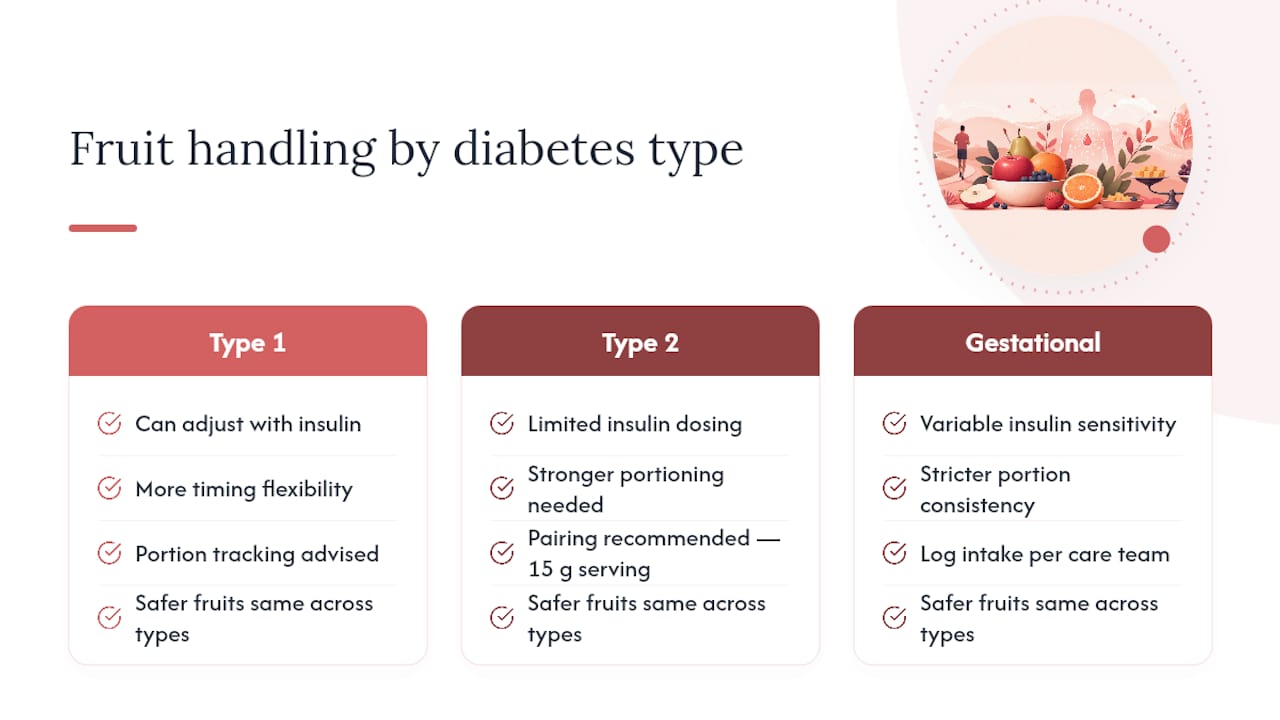
The fruit groups themselves don’t change much across diabetes types, but the margin for error does. People with Type 1 diabetes who use insulin can often work fruit into a meal by adjusting their insulin dose to match the carbohydrate count, giving them somewhat more flexibility on timing and portion, as long as the counting is accurate.
Type 2 diabetes management leans harder on consistent portioning and pairing, especially for anyone not on insulin, since there’s less ability to dose around a bigger serving. This is where the 15 gram serving standard and the pairing habit do the most good, because they’re the main levers available to keep the glucose curve flat.
Gestational diabetes adds another layer of caution. Hormonal shifts during pregnancy change insulin sensitivity, and many obstetric teams ask patients to log fruit intake alongside other carbohydrates to catch patterns early. Portion consistency matters here too, but the stakes are higher since both maternal and fetal glucose levels are being tracked. Anyone managing gestational diabetes should follow their care team’s specific carbohydrate targets rather than general guidance, since those targets are often tighter and more individualized than standard adult recommendations.
Across all three types, the fruits that show up as safer choices stay the same: berries, apples, pears, citrus, and avocado. What shifts is how tightly you need to track portions and how much room you have to adjust around them.
Does Fruit Sugar Interfere With Diabetes Medications?
Fruit itself doesn’t chemically interact with most diabetes medications the way a drug interaction would. The real issue is timing and dosing, not chemistry. If you take insulin or a sulfonylurea, both of which lower blood sugar directly, eating fruit without accounting for its carbohydrate content can push your glucose higher than your medication was dosed to handle.
The opposite problem shows up too. Skipping fruit or a meal entirely while on these same medications can trigger a low blood sugar episode, which is actually one of the few situations where a small glass of juice or a few pieces of dried fruit is the right call, since you need sugar that acts fast.
Metformin and most newer medication classes don’t carry this same tight timing requirement, but consistency still helps. Eating roughly the same fruit portions at similar times each day makes it far easier for you and your care team to spot patterns and adjust medication doses accurately. If you’re starting or changing a diabetes medication, it’s worth asking your prescriber directly whether your current fruit habits need any adjustment, since dosing schedules vary enough between drugs that a blanket rule doesn’t cover everyone.
How Often Should You Actually Eat Fruit?
Two to three standard servings a day, spread across meals or snacks rather than eaten all at once, fits most general diabetes nutrition guidance. That rhythm keeps any single sitting from delivering more carbohydrate than your body can process smoothly, and it spreads the fiber and antioxidant benefits of fruit across the whole day instead of concentrating them.
Skipping fruit entirely isn’t the safer move it might seem. Observational research that Harvard Health cites links consistent, moderate whole-fruit intake to a lower risk of cardiovascular death among people with diabetes, which is a meaningful reason to keep fruit on the plate rather than cut it out of caution.
The practical takeaway is rhythm, not restriction. A serving with breakfast, another as an afternoon snack, and maybe a third alongside dinner keeps your intake steady without turning fruit into an occasional treat you overdo when you finally have it. If you’re active, a serving before or after exercise can also help buffer the blood sugar swings that exercise itself can cause, though that’s worth testing with your own glucometer readings since exercise response varies quite a bit person to person.
What This Guide Gets Right That Most Advice Skips
Most diabetes fruit advice stops at a list: eat this, avoid that. That’s not wrong, but it skips the part that actually changes outcomes, which is portion literacy. Knowing that berries are “good” means nothing if your idea of a serving is triple the standard 15 grams.
The conventional wisdom also oversells glycemic index charts as gospel. GI numbers are measured under lab conditions eating the fruit alone, on an empty stomach, which almost nobody does in real life. Pairing fruit with protein or fat changes the actual response enough that two people eating the “same” fruit can see very different glucose curves. That’s why testing your own response with a glucometer matters more than memorizing a chart.
What I’d prioritize first isn’t a longer list of approved fruits. It’s buying fruit in formats that are already portioned, whether that’s a five-piece apple pack or individual kiwis, so the decision is made before hunger and convenience make it for you. Theory doesn’t fail people with diabetes. Bad portioning habits do.
— Tai Kang
Make Portion-Controlled Fruit Part of Your Routine
This service addresses the challenge of having appropriate, portioned fruit available before hunger influences choices, aiming to deliver fruit that is fresh and handled with care, which is important when ripeness affects sugar content.

For diabetes-friendly staples, the Green Apple (5pcs) pack gives you skin-on fruit already split into single servings, while the Zespri Golden Kiwi and USA Sweet Globe Seedless Green Grapes round out a low-sugar rotation, just remember to portion the grapes into a small handful rather than eating from the bag. If you’d rather not think about reordering, the bi-weekly fruits delivery subscription keeps fresh, portion-ready fruit arriving on a set schedule for two months, cutting down on both spoilage and the last-minute grocery run that tends to end in whatever’s cheapest, not what’s best for your blood sugar. Browse the full fruit and vegetable selection or start with a single pack to see how it fits your routine before committing to a plan.
Sources
For deeper clinical detail, see Harvard Health’s guidance on blood sugar–friendly fruits, NUHS’s diabetes nutrition guidance, and Dexcom’s overview of fruit and diabetes. For a broader look at fresh produce quality, see Wild Foodz’s piece on fresh prepared food.
This article is general information, not a substitute for advice from a qualified doctor. Consult a qualified healthcare professional about your own circumstances before acting on anything here.
- Blood sugar–friendly fruits if you have diabetes - Harvard Health
- NUHS — Managing diabetes: Healthy eating
- Dexcom — Is fruit good for people living with diabetes?
FAQ
What Is the Best Fruit for a Diabetic to Eat?
Berries are usually the top pick because a full cup delivers around 15 grams of carbohydrate alongside heavy fiber and antioxidants, according to Harvard Health. Apples and pears eaten with the skin, citrus, and avocado are close runners-up for the same reason: fiber and slow digestion.
What Fruits Should Someone With Diabetes Limit or Avoid?
Dried fruit, fruit juice, sweetened canned fruit, and oversized portions of banana, pineapple, grapes, or watermelon carry the highest risk of a fast sugar spike. Dried fruit specifically should stay in the 2 tablespoon to quarter cup range, per NUHS guidance, since drying concentrates natural sugar into a much smaller volume.
Which Fruit Is Lowest in Sugar?
Avocado carries the least usable carbohydrate of any common fruit, and berries come in low as well, especially raspberries and strawberries, at roughly 15 grams of carbohydrate per full cup. Both work well as a base for the pairing strategy covered above.
Which Fruits Can a Person With Diabetes Eat Regularly?
Berries, apples, pears, citrus, avocado, and kiwi can all fit into a regular rotation at two to three standard servings a day, spread across meals. Pre-portioned options like a Green Apple (5pcs) pack or a Zespri Golden Kiwi make it easier to stick to that serving size without measuring each time.
Does Taikanghealthyfruits Offer Pre-Portioned Fruit Options?
Yes, several product pages, including the Green Apple (5pcs) pack, are sized for easy portion control, and the bi-weekly subscription plan keeps a steady supply of fresh fruit arriving without manual reordering. Current pricing for these options is listed on the Taikanghealthyfruits site.