
Eat 400 g a Day: Flavanol Rich Fruits for Heart Health
Berries, apples, pears, citrus, pomegranate, grapes, and avocado carry the strongest evidence for supporting heart health, largely because of their flavanol and potassium content. A meta-analysis of prospective studies links higher fruit intake to lower hypertension risk, and the Academy of Nutrition and Dietetics recommends 400 to 600 mg of flavanols daily. Aim for at least one serving of a flavanol-rich fruit most days, and treat berries as your default choice when you’re not sure where to start.
TL;DR:
- Consuming a serving of flavanol-rich fruits like berries most days is recommended, with berries, apples, and citrus being especially beneficial for blood pressure.
- Whole fruits, especially berries and citrus, have stronger evidence for cardiovascular benefits than fruit juices, which often contain excessive sugar and lack fiber.
- Incorporating these fruits into daily meals through simple swaps, like adding berries to breakfast or pairing citrus with salads, supports heart health effectively.
- Fruit nutrient quality depends on freshness and proper handling; buying from reputable sources and storing properly helps preserve beneficial compounds.
- People on certain medications or with allergies should introduce these fruits gradually and consult healthcare providers regarding potential interactions, especially with grapefruit or potassium-rich options.
Table of Contents
- The Best Fruits for Heart Health, Ranked by Evidence
- Why These Fruits Work: The Mechanisms Behind the Claims
- How to Add Heart-Healthy Fruits to Your Day
- Where to Get Fruit That Actually Delivers on the Nutrients
- Potential Allergies and Contraindications to Know
- How Fruit Can Interact With Heart Medications
- What Long-Term Fruit Consumption Means for Your Heart
- Fruits Versus Other Heart-Healthy Foods
- An Honest Take on What Fruit Can and Can’t Do
- Make It Easier With Ready-to-Go Fruit Boxes
- Sources
- FAQ
The Best Fruits for Heart Health, Ranked by Evidence
Not all fruit earns equal credit here. Some fruits show up again and again in cardiovascular research because of specific compounds. Others get lumped into “eat more produce” advice without much individual data behind them. Below are the fruits with the clearest connection to blood pressure, cholesterol, and vascular function, organized by what they actually do.
Blueberries, blackberries, and other berries
Berries carry the densest concentration of anthocyanins and flavanols of any commonly eaten fruit, and they have the best RCT support of the bunch. A systematic review and meta-analysis of randomized controlled trials found that chronic berry consumption modestly lowered systolic blood pressure in pooled analyses.
Statistic Callout: Pooled data from randomized trials show berry interventions reducing systolic blood pressure by roughly 3.68 mmHg in some comparisons, alongside improvements in vascular markers like flow-mediated dilation.
- Best for: blood pressure and vascular function
- Key compounds: anthocyanins, flavanols, fiber
- Suggested serving: 1 cup fresh or frozen, 3 to 5 times a week
- Form: whole or frozen; skip sweetened berry syrups and toppings
Blackberries alone can deliver around 250 mg of flavanols per 200-gram serving, putting you more than halfway to the daily target in one sitting, according to the Academy of Nutrition and Dietetics review. Strawberries lag slightly behind blueberries and blackberries in flavanol density but still bring meaningful vitamin C and fiber to the table.
Apples and pears
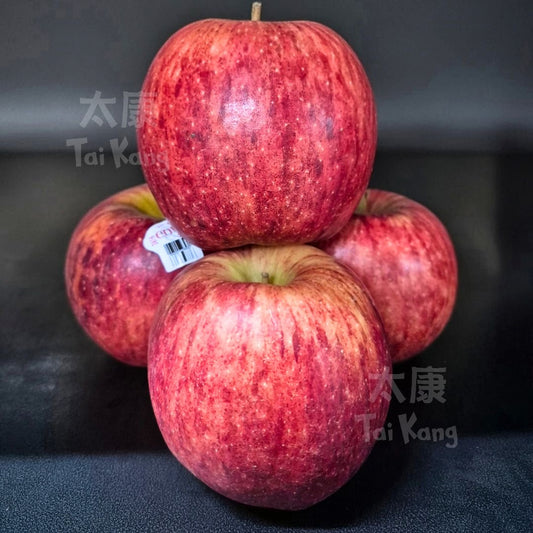
Apples are one of the most practical flavanol sources because they’re cheap, portable, and available year round. A medium apple with the skin on delivers a modest amount of flavanols, according to Academy of Nutrition and Dietetics data. Pears offer a similar fiber and potassium profile, though they’ve been studied less individually.
- Best for: cholesterol management via soluble fiber (pectin)
- Key compounds: pectin, quercetin, flavanols
- Suggested serving: one medium apple or pear daily
- Form: whole, skin on; juicing strips out nearly all the fiber
The 2017 review on fruits and cardiovascular disease names apples among the fruits with the most consistent epidemiological support for cardioprotective effects, alongside grapes and pomegranate.
Oranges and other citrus
Citrus fruits bring a different mechanism to the table: hesperidin and other citrus flavanoids that appear to support vascular tone and modestly reduce blood pressure over sustained use. The RCT evidence for citrus is real but thinner than for berries, mostly coming from smaller trials using concentrated juice.
- Best for: vascular function, vitamin C, potassium
- Key compounds: hesperidin, naringin, potassium
- Suggested serving: one whole orange, 4 to 5 times a week
- Form: whole fruit preferred over juice for the fiber and lower sugar load
Pomegranate
Pomegranate is one of the more heavily researched fruits for antioxidant and anti-inflammatory pathways tied to cardiovascular protection. One overview on promising nutritional fruits against cardiovascular disease singles out pomegranate and grapes for their well-documented cardioprotective mechanisms, largely driven by punicalagins and ellagic acid.
- Best for: antioxidant capacity, inflammation markers
- Key compounds: punicalagins, ellagic acid, anthocyanins
- Suggested serving: a half cup of arils (seeds), 2 to 3 times a week
- Form: whole arils in salads or yogurt; pomegranate juice can work occasionally but watch the sugar content
Grapes
Grapes, especially red and purple varieties, contain resveratrol and other polyphenols connected to improved endothelial function. The evidence base leans heavily on the same review that names grapes alongside pomegranate and avocado as cardioprotective in both epidemiological and experimental studies.
- Best for: endothelial function, antioxidant activity
- Key compounds: resveratrol, quercetin, catechins
- Suggested serving: about 1 cup, a few times weekly
- Form: whole, with skins; raisins and grape juice concentrate sugar without the same fiber benefit
Avocado
Avocado doesn’t fit the typical “fruit” mental model, but it belongs on this list for one reason: it’s one of the few fruits studied specifically for its lipid effects. Its monounsaturated fat content helps shift cholesterol profiles favorably, and it pairs well with fiber-rich meals.
- Best for: cholesterol (LDL reduction), satiety
- Key compounds: monounsaturated fats, potassium, fiber
- Suggested serving: a quarter to half an avocado, most days
- Form: whole, mashed, or sliced; avoid store-bought guacamole loaded with sodium
Bananas
Bananas are the most reliable potassium source in the produce aisle, and potassium directly counteracts sodium’s effect on blood pressure. They lack the flavanol punch of berries or apples, but their electrolyte profile makes them worth including, particularly if your diet runs high in sodium.
- Best for: potassium intake, blood pressure regulation
- Key compounds: potassium, resistant starch (when slightly green)
- Suggested serving: one medium banana, most days
- Form: whole; overripe bananas have less resistant starch and more sugar
Mango
Mango brings a strong dose of vitamin C, beta carotene, and polyphenols like mangiferin, with some evidence pointing to modest lipid benefits. The research here is thinner than for berries or pomegranate, so treat mango as a good general antioxidant source rather than a targeted intervention.
- Best for: antioxidant intake, vitamin C
- Key compounds: mangiferin, beta carotene, fiber
- Suggested serving: about 1 cup, a few times a week
- Form: whole or frozen chunks; dried mango often has added sugar
Papaya
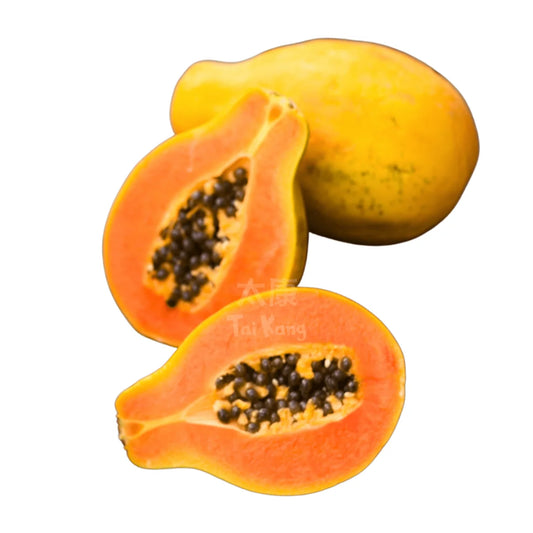
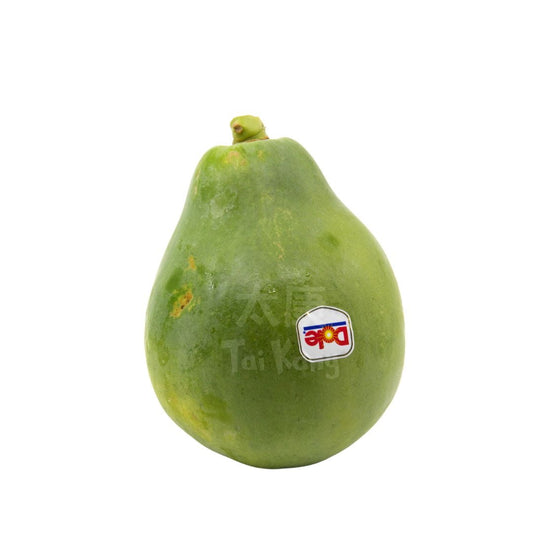
Papaya offers a gentler, fiber-forward profile with lycopene and vitamin C contributing to antioxidant load. It hasn’t been studied as extensively for cardiovascular endpoints specifically, but its digestive enzyme content and low glycemic impact make it a sensible addition, especially for people managing blood sugar alongside heart risk.
- Best for: digestion-friendly fiber, antioxidant support
- Key compounds: lycopene, papain, vitamin C
- Suggested serving: 1 cup, a couple times a week
- Form: whole, ripe
You can read more about how these nutrients stack up across different fruit categories in this breakdown of antioxidant-rich fruits ranked by nutritional power.
Why These Fruits Work: The Mechanisms Behind the Claims
Four overlapping systems explain nearly everything on the list above: fiber, potassium, flavanols, and antioxidant capacity.
Soluble fiber (pectin in apples and pears, for example) binds cholesterol in the gut and reduces the amount your body reabsorbs. This is one of the more mechanistically clear pathways, and it explains why apples show up consistently in cholesterol-focused research.
Potassium works against sodium’s effect on blood vessel walls, helping smooth muscle relax and blood pressure ease down. Bananas, avocado, and citrus fruits all contribute meaningfully here.
Flavanols and polyphenols (anthocyanins in berries, hesperidin in citrus, punicalagins in pomegranate) act on the lining of blood vessels, supporting nitric oxide production and improving how vessels dilate. The meta-analysis on fruit and vegetable intake and hypertension risk found a summary relative risk of 0.93 per 200 grams of fruit consumed daily, with benefits appearing roughly linear up to about 800 grams combined fruit and vegetable intake.
Statistic Callout: Every additional 200 grams of fruit eaten daily corresponds to a measurable lower relative risk of developing hypertension, based on pooled prospective cohort data.
Antioxidant capacity helps offset oxidative stress, one of the underlying drivers of arterial damage over time. This is where pomegranate, grapes, and berries do the most work.
The evidence strength varies by fruit and by outcome:
- Berries and citrus have real RCT backing for modest blood pressure reductions, though many trials use concentrated juice at volumes well above typical daily intake, sometimes 432 mL of cranberry juice or more, according to the same RCT meta-analysis.
- Total fruit intake shows a dose-response relationship for hypertension risk in large cohort studies, which is a different and generally stronger form of evidence than small clinical trials.
- Pomegranate, grapes, and avocado have solid mechanistic and epidemiological support but fewer large-scale RCTs specifically isolating their cardiovascular effects.
- Heterogeneity across studies (different populations, doses, and follow-up periods) means individual effect sizes should be read as directional, not exact.
Preventive cardiology commentary increasingly stresses choosing flavanol-rich fruits intentionally rather than assuming all fruit offers the same cardiovascular payoff. A banana and a serving of blueberries are both healthy, but they’re not interchangeable for blood pressure purposes.
How to Add Heart-Healthy Fruits to Your Day
Public health guidance gives you a target to work toward, even if the exact number varies by source. The World Health Organization recommends a minimum of 400 grams of combined fruits and vegetables daily, while DASH diet guidance suggests multiple fruit servings spread across the day rather than one large portion.
- Start breakfast with a fistful of berries. Stir a cup of frozen blueberries or blackberries into oatmeal or yogurt. This is the single easiest way to hit a meaningful flavanol dose before 9 a.m.
- Build a citrus habit into lunch. Keep an orange at your desk or slice one into a midday salad instead of reaching for juice.
- Use pomegranate arils as a salad topper. A half cup adds crunch, color, and punicalagins without much effort.
- Put avocado on whole-grain toast. Pair it with a boiled egg or a handful of nuts to slow the carbohydrate absorption and add staying power.
- Keep grapes and apple slices as portable snacks. Wash and portion them Sunday night so they’re ready to grab all week.
- Blend, don’t juice, when you want convenience. A smoothie with whole berries, a banana, and some spinach keeps the fiber intact; juicing strips most of it out.
Store berries unwashed in the fridge until you’re ready to eat them, since moisture speeds spoilage and degrades some of the flavanol content over time. Buy citrus and apples in smaller batches if you tend to let produce sit, since flavanol levels can decline as fruit ages past peak ripeness.
Pro Tip: Pair fruit with a source of protein or fat, like a handful of almonds or a spoonful of nut butter, to blunt the blood sugar spike from natural fruit sugars, especially useful if you’re managing both heart risk and blood sugar.
Juice deserves a specific caution. Some of the blood pressure benefits seen in trials came from concentrated juice protocols at volumes far above what most people drink day to day, per the RCT meta-analysis on berries, citrus, and cherries. Whole fruit remains the better default because it delivers the fiber that juice leaves behind. For more meal-building ideas, this guide on incorporating fruit into everyday eating and this list of pantry snack ideas both offer practical starting points. If you’re traveling or eating on the go, tips for eating healthy on holiday covers portable produce swaps that hold up outside your own kitchen.
Where to Get Fruit That Actually Delivers on the Nutrients
The nutrient content described above assumes the fruit is fresh. Flavanols and vitamin C both degrade with time, heat, and poor handling, so where your fruit comes from matters almost as much as which fruit you choose.
This fruit goes through inspection before it reaches a customer’s door and is held in temperature-controlled storage to slow the nutrient loss that happens when produce sits in a warm truck or a grocery display case. That handling process is one practical way to protect the compounds this article has been describing, rather than buying fruit that’s already lost some of its punch by the time it’s in your cart.
For readers who want to act on the berry recommendations directly, the Berries Bliss Medley Gift box bundles several of the flavanol-rich berries discussed above into one order, which sidesteps the hassle of sourcing blueberries, blackberries, and strawberries separately. Customers who want a steady, no-effort supply can use the bi-weekly fruits delivery subscription, which keeps a rotating mix of heart-supportive fruit coming without repeat ordering.
This company maintains a high customer satisfaction rating and offers a rewards program that encourages regular orders, fitting naturally with a heart-healthy eating pattern that depends on consistency rather than one good week.
Potential Allergies and Contraindications to Know
Fruit is generally low-risk, but a few specific issues matter for people managing heart conditions.
Oral allergy syndrome affects some people with pollen allergies, causing mouth or throat itching after eating apples, pears, or stone fruits. It’s usually mild but worth noting if you’re adding more raw apple to your diet for the first time.
Grapefruit and citrus interactions are the biggest concern for anyone on heart medication, covered in more detail in the next section. Even without an interaction, citrus can aggravate acid reflux in some people, which occasionally gets mistaken for cardiac symptoms.
Pomegranate and blood thinners deserve a mention because pomegranate juice has been flagged in isolated case reports for interacting with warfarin, though the evidence is limited and inconsistent.
Latex-fruit syndrome can cause cross-reactivity with banana, avocado, and kiwi in people with latex allergies, producing symptoms from mild itching to more serious reactions in sensitive individuals.
None of this means avoiding these fruits outright. It means introducing new fruits gradually if you have known allergies, and mentioning any fruit-heavy dietary changes to your doctor if you’re on medication or have a diagnosed heart condition.
How Fruit Can Interact With Heart Medications
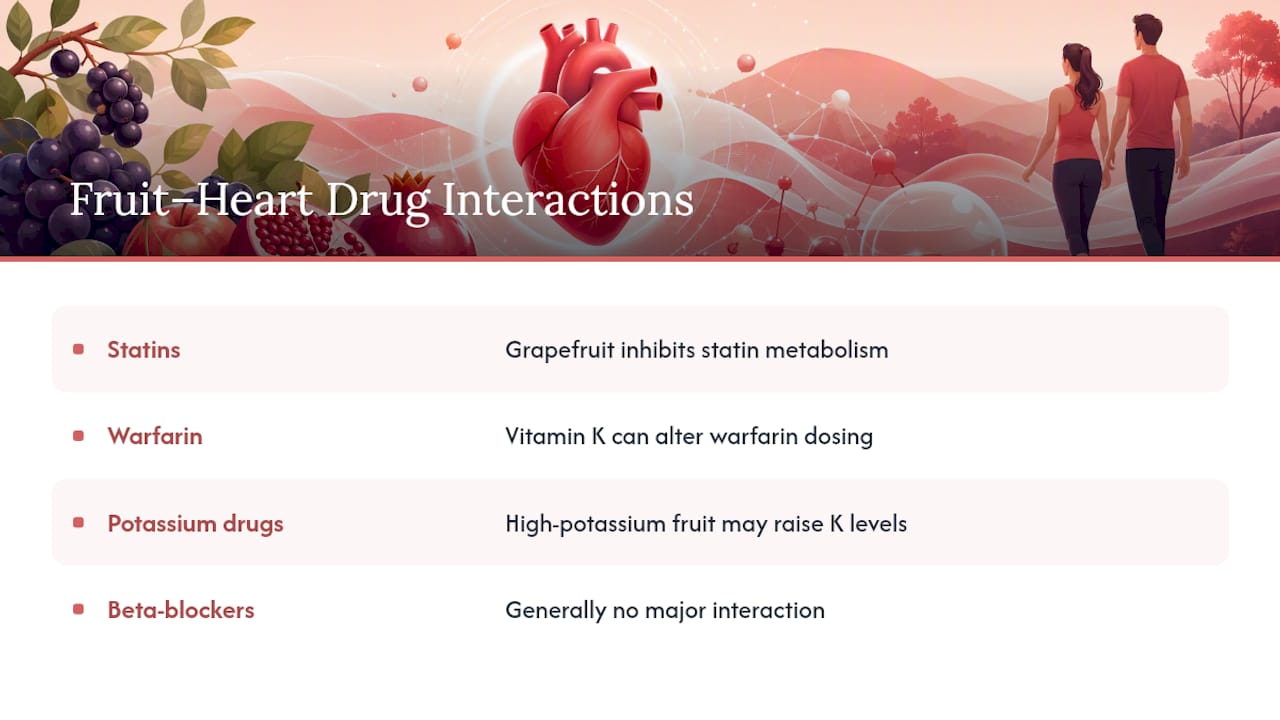
The most well-documented interaction in this category involves grapefruit and statins. Grapefruit contains compounds that interfere with the liver enzyme responsible for breaking down several statin medications, which can cause the drug to build up in the bloodstream at higher-than-intended levels. This applies to grapefruit juice as much as whole grapefruit, and the effect can last longer than a single meal.
Vitamin K-rich considerations matter for anyone on warfarin. While leafy greens carry more vitamin K than most fruits, consistency matters more than avoidance. Sudden increases in fruit intake, especially fruit blended into large daily smoothies, can shift vitamin K intake enough to affect warfarin dosing and should be discussed with a prescribing physician.
Potassium-sparing diuretics and ACE inhibitors raise a different concern. Bananas, avocado, and other potassium-dense fruits are healthy in general, but combined with medications that already raise potassium levels, large daily servings could push potassium higher than intended. This is a conversation for your prescribing doctor, not a reason to avoid potassium-rich fruit outright.
Beta-blockers and citrus generally don’t have a significant interaction, but individual responses vary. If you’re on multiple heart medications, ask your pharmacist directly rather than assuming your fruit choices are automatically safe.
What Long-Term Fruit Consumption Means for Your Heart
The strongest evidence for lasting cardiovascular benefit comes from large cohort studies tracking fruit intake over years, not weeks. The dose-response pattern identified in the hypertension meta-analysis suggests that people who consistently eat more fruit over time carry a measurably lower risk of developing high blood pressure, one of the primary drivers of heart disease, stroke, and kidney damage down the line.
This is a different kind of evidence than a short clinical trial measuring blood pressure over a few weeks. Cohort data captures what happens to real populations eating real diets over years, and the consistency of the fruit-hypertension relationship across multiple such studies is part of why public health bodies keep recommending higher fruit intake rather than treating it as a fad.
The caveat worth remembering: none of these studies isolate fruit from the rest of a person’s diet and lifestyle. People who eat more fruit often also smoke less, exercise more, and eat less processed food overall. Fruit intake is very likely one contributing factor among several, not the sole reason for better long-term outcomes. That doesn’t diminish its value. It just means the honest framing is “fruit as part of a broader pattern,” not “fruit as a stand-alone fix.”
Fruits Versus Other Heart-Healthy Foods
Fruit isn’t competing with vegetables and nuts for a single spot on your plate. It’s filling a different nutritional role, and the strongest heart-healthy diets use all three.
Vegetables generally offer more fiber per calorie and less sugar than fruit, along with higher concentrations of nitrates (in leafy greens) that support blood vessel function through a different mechanism than fruit flavanols. If you had to choose one category to eat more of, vegetables edge out fruit slightly for pure volume-to-calorie value.
Nuts bring a different asset: healthy fats and plant sterols that directly affect LDL cholesterol, an area where most fruit (aside from avocado) doesn’t compete. A handful of walnuts or almonds a few times a week complements fruit rather than replacing it.
Fruit’s advantage is flavanol and anthocyanin density, plus a natural sweetness that makes it easier to eat consistently than vegetables for many people. That adherence factor matters more than it sounds. A heart-healthy food only works if you actually eat it regularly, and fruit tends to win on that front over kale or Brussels sprouts.
The realistic takeaway: rotate all three categories daily rather than treating fruit as either the hero or an afterthought next to vegetables and nuts.
An Honest Take on What Fruit Can and Can’t Do
Fruit is one piece of a heart-healthy pattern, not a replacement for the pattern itself. The evidence for berries, apples, citrus, pomegranate, and avocado is genuinely strong, but it sits alongside decades of research showing that overall diet quality, physical activity, and not smoking do more heavy lifting for cardiovascular risk than any single food group.
If you’re on blood pressure medication, a statin, or you manage diabetes alongside heart risk, talk to your doctor before making major changes to your fruit intake, particularly with grapefruit, potassium-rich fruit, or high-volume smoothies. And keep juice in check. The blood pressure benefits documented in clinical trials often used juice volumes well beyond what’s reasonable to drink daily. Whole fruit remains the safer, more sustainable default for nearly everyone reading this.
— Tai Kang
Make It Easier With Ready-to-Go Fruit Boxes
The company offers curated fruit boxes that provide a convenient way to obtain the fruits recommended in this article. These boxes are inspected and stored in temperature-controlled environments to help preserve nutrient density.
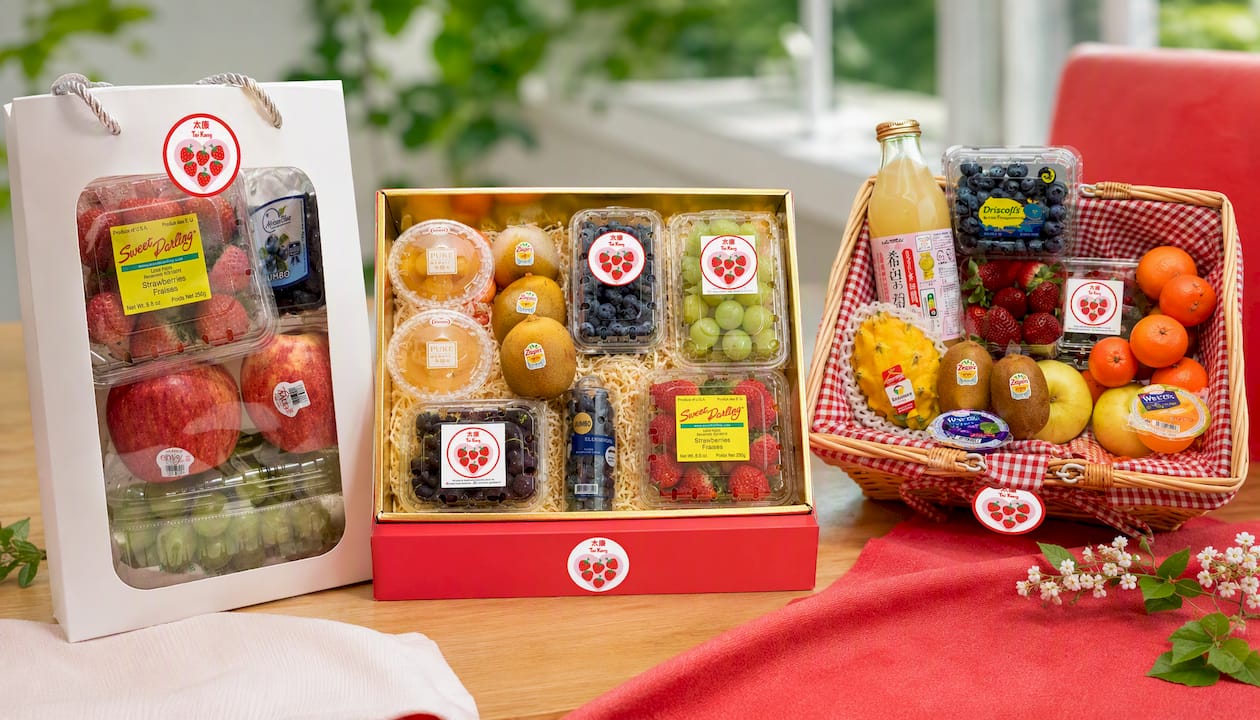
The Berries Bliss Medley Gift box contains several flavanol-rich berries in one order. For variety across multiple fruit categories, the Fruitastic Basket mixes several of the fruits covered above into one curated box. There are also options for gifting, such as the “Sending Good Vibes” Gift Pack, that make heart-healthy fruit sharing convenient.
None of these products are medical interventions, and they won’t replace a conversation with your doctor about blood pressure or cholesterol. What they do is remove the friction of finding good fruit consistently, which is usually the actual barrier to eating better. For ongoing access without reordering every week, the bi-weekly fruits delivery subscription keeps a rotating supply coming to your door. Browse the full selection of fruit and gift boxes to find the option that fits your routine, or check the vegetable collection if you want to round out your order with produce that complements the fruit choices above.
This article is general information, not a substitute for advice from a qualified doctor. Consult a qualified healthcare professional about your own circumstances before acting on anything here.
Sources
- Fruit and vegetable consumption and the risk of hypertension: a systematic review and meta-analysis of prospective studies
- Effects of chronic consumption of specific fruit (berries, citrus and cherries) on CVD risk factors: a systematic review and meta-analysis of randomised controlled trials
FAQ
What should I eat to strengthen my heart?
Prioritize berries, apples, citrus, pomegranate, grapes, and avocado, along with vegetables, nuts, and whole grains as part of an overall pattern like the DASH diet. No single fruit “strengthens” the heart muscle directly, but consistent intake of these fruits is linked to lower blood pressure and better lipid profiles over time.
What should I drink for heart health?
Water remains the best default, with unsweetened tea as a solid second option. If you’re drinking fruit juice for cardiovascular benefit, keep portions small since the clinical trials showing blood pressure improvements often used concentrated volumes, per research on berry, citrus, and cherry interventions, well above what’s practical daily.
How can I make my heart stronger naturally?
Combine regular physical activity, not smoking, and a diet rich in fruits, vegetables, and healthy fats. The WHO’s cardiovascular guidance recommends at least 400 grams of combined fruits and vegetables daily as a baseline for chronic disease prevention.
What foods reduce the risk of heart attacks?
Fruits high in flavanols and potassium, along with vegetables, nuts, and fatty fish, show the most consistent associations with lower cardiovascular risk in large studies. Berries and apples specifically deliver the flavanol amounts the Academy of Nutrition and Dietetics links to better cardiometabolic outcomes.
How much fruit should I eat daily for heart health?
Aim for at least 400 grams of combined fruits and vegetables daily as a baseline, per WHO guidance, with some research showing added benefit up to about 800 grams combined. A practical target is 2 to 3 servings of fruit a day, prioritizing berries, citrus, or apples most days.
Can Taikanghealthyfruits help me get these fruits regularly?
Yes. Taikanghealthyfruits offers curated boxes like the Berries Bliss Medley and Fruitastic Basket, plus a bi-weekly delivery subscription, so you don’t have to source each recommended fruit separately. Current pricing for individual products is listed on the site.