
Kids Fruit Box Ideas: 12 Easy, Safe Boxes for Singapore Families
The best kids’ fruit box is colourful, cut into bite-sized pieces, paired with a protein or wholegrain, and kept cold until it is eaten. Below you will find twelve box ideas, portion guidance by age, the cutting rules that keep young children safe, storage tips for Singapore’s heat, and a few thoughts on fruit gifts for kids.
TL;DR
- Build the box around contrasting colours and bite-sized pieces. Pair fruit with a protein or wholegrain, as HealthHub’s bento guidance suggests.
- Match portions to age: a 3 to 6 year old needs about one fruit serving a day, and a 7 to 12 year old about two.
- Cut whole grapes and other round fruit into smaller pieces, and always supervise young children while they eat.
- Keep cut fruit chilled below 5°C and discard it if it sits at room temperature for over two hours.
- For gifts, choose a box with a variety of fruit the child already likes, and add a note on how to store it.
Table of Contents
- What makes a good kids’ fruit box
- How much fruit does your child need?
- 12 kids fruit box ideas
- Cutting fruit safely for young children
- Keeping the box fresh and safe in Singapore’s heat
- Fruits that suit kids’ boxes
- Fruit gifts for kids
- Our perspective
- Order fresh fruit for the box
- FAQ
- Sources
What makes a good kids’ fruit box
Three things matter more than anything else: variety, colour and ease of eating.
HealthHub’s Singapore guidance on kids’ bentos recommends a mix of fruit and vegetables, wholegrains and a good protein source, arranged in contrasting natural colours. Prepare food in bite-sized pieces and use an airtight box with silicone cups, food separators or skewers to keep each item distinct.
The Harvard Nutrition Source offers a simple visual rule for a lunchbox: half colourful fruit or vegetables, a quarter whole grains and a quarter healthy protein. It also notes that divided bento boxes help with portion control and variety.

In practice, a child opens the box and decides within seconds whether it looks fun. Separate compartments, two or three colours and pieces small enough to pick up with one hand do most of the work.
How much fruit does your child need?
Singapore’s Health Promotion Board gives daily fruit servings by age:
| Age | Fruit servings per day |
|---|---|
| 6 to 12 months | ½ |
| 1 to 2 years | ½ to 1 |
| 3 to 6 years | 1 |
| 7 to 12 years | 2 |
| 13 to 18 years | 2 |
What counts as one serving? The Families for Life guide lists one small apple, orange, pear or mango (130 g), one wedge of pineapple, papaya or watermelon (130 g), 10 grapes or longans (50 g), one medium banana, or ¼ cup dried fruit (40 g).
For preschool boxes, the Healthy Meals in Preschools Programme recommends ½ serve or more of fruit for 3 to 6 year olds, and ¼ serve or more for toddlers aged 13 months to 2 years. For a toddler, that can be as small as a quarter apple or a small wedge of papaya or watermelon.
A box does not have to deliver the whole day’s fruit. It only needs to carry a share of it, and the rest comes at breakfast, after school or at dinner.
12 kids fruit box ideas
Each idea below is a template. Swap fruit based on what is in season and what your child likes.
Boxes for school lunch
1. The rainbow bento. Strawberries, orange segments, banana slices, kiwi and halved grapes, each in its own silicone cup. The contrast in colour follows the HealthHub advice to use natural colours side by side.

2. Fruit and yoghurt dip. Apple slices, pear wedges and melon cubes with a small pot of plain yoghurt for dipping. Dairy is an optional extra in the Harvard lunchbox model.
3. Fruit kebabs. Threaded onto blunt skewers or cut-down straws for younger children: melon, strawberries and pineapple chunks. Skip the sharp point for under-fives and keep to short lengths.
4. The balanced bento. Half the box with fruit and cucumber or cherry tomato, a quarter with wholemeal sandwich fingers or rice balls, and a quarter with egg, cheese or chicken. This is the Harvard plate layout in a Singapore-friendly format.
5. Cookie-cutter shapes. Use small cutters on watermelon, honeydew and papaya to make stars and hearts. Singapore Mummy suggests cookie cutters, and also letting children choose or decorate their own colourful container.
Boxes for snack time and after school
6. Fruit with cheese cubes. The Victorian Healthy Eating Advisory Service suggests colourful fruit platters cut into cubes, strips or stars, served with yoghurt, cheese cubes or cream cheese. Mandarin segments and cheddar cubes make an easy pairing.
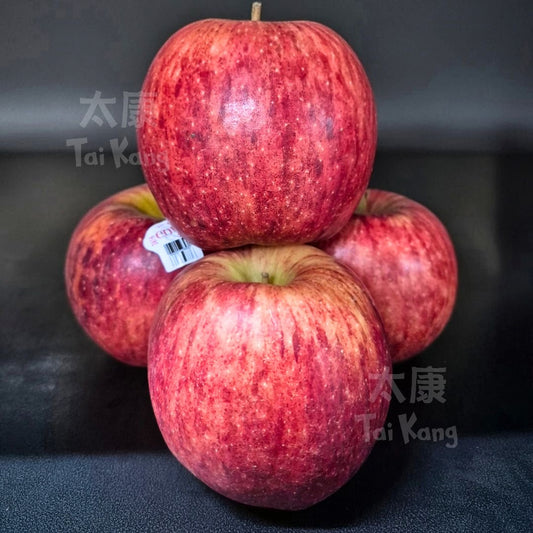
7. Apple slinkies. A spiral-cut apple is a novelty that gets children eating. Brush with a little lemon water to slow browning, and cut the spiral into short lengths for younger children.
8. Frozen fruit cubes. The same advisory service suggests frozen cubes of peeled mandarin segments, grapes or banana. In Singapore’s climate they work well as an after-school treat at home. For young children, cut grapes before freezing and serve only with supervision.

9. Fruit salad cones. A plain cone filled with fruit salad, from the same list of ideas. Fill it just before serving so it does not go soft.
10. Smoothie box. Blend fresh or frozen fruit with milk and yoghurt, as that guidance suggests, and serve with a few fruit pieces on the side. Whole fruit is the better choice for the lunchbox itself, and Singapore’s infant-feeding guideline advises avoiding fruit juice and sugar-sweetened drinks in the first two years.
Boxes for babies and toddlers
11. Soft finger fruit. For 10 to 12 month olds, HMPP gives 30 to 60 g of soft, bite-sized fruit. Ripe banana, ripe papaya and soft pear work well.
12. Minced fruit pot. For 7 to 9 month olds, the same programme gives 30 to 60 g of soft, finely minced fruit. The infant-feeding guideline recommends progressively introducing textures between 6 and 12 months, without added sugar or salt.
Cutting fruit safely for young children
Shape and size matter as much as the fruit itself. The Health Promotion Board and KKH choking guidance says to always supervise children, keep them sitting upright, avoid feeding while they cry, prevent playing, talking or laughing while swallowing, and cut food into smaller pieces. The same infographic lists whole grapes, nuts and seeds, and spoonfuls of peanut butter among the choking hazards.
Practical rules that follow from this:
- Quarter grapes lengthwise, and do the same with longans after removing the seed.
- Cut round fruit such as cherry tomatoes and berries into smaller pieces for toddlers.
- Remove all seeds and stones before packing.
- Keep skewers short and blunt, or leave them out for under-fives.
- Pack nuts and seeds only for children old enough to manage them safely, and check your school’s allergy rules first.
If you are unsure what suits a child with feeding difficulties or a known allergy, ask your paediatrician or your child’s doctor.
Keeping the box fresh and safe in Singapore’s heat
Cut fruit spoils faster than whole fruit, and a school bag in a tropical climate is not a kind place for it.
The Singapore Food Agency’s guidance says to wash fruit under running water just before eating or cutting it, refrigerate raw fruit below 5°C, and discard cut produce left at room temperature for more than two hours. It also advises storing fruit above raw meat, fish and poultry on separate shelves. SFA identifies 5°C to 60°C as the temperature danger zone and recommends fridges at 4°C or below.
For the lunchbox this means:
- Wash the fruit just before cutting, not the night before.
- Chill the packed box in the fridge overnight, or at least for an hour in the morning.
- Add a frozen ice pack or a frozen water bottle beside the box.
- Use an airtight container so pieces do not dry out or pick up other flavours.
- Throw away anything that comes home uneaten after more than two hours out of the fridge.
Cold-chain control also matters before the fruit reaches your kitchen. A Singapore Standard on fresh produce explains that temperature control slows deterioration caused by heat, ethylene and microbes from preparation through to distribution. We store our fruit in temperature-controlled conditions for this reason.
For more on keeping fruit at its best at home, see our guides to storing fresh fruits and fruit shelf life. Our fruit lunchbox ideas article goes deeper on packing for school.
Fruits that suit kids’ boxes
Choose fruit that holds its shape, travels well and is easy to eat with fingers.
| Fruit | How to prepare | Why it works |
|---|---|---|
| Grapes | Quarter lengthwise for young children | Sweet, no mess, no browning |
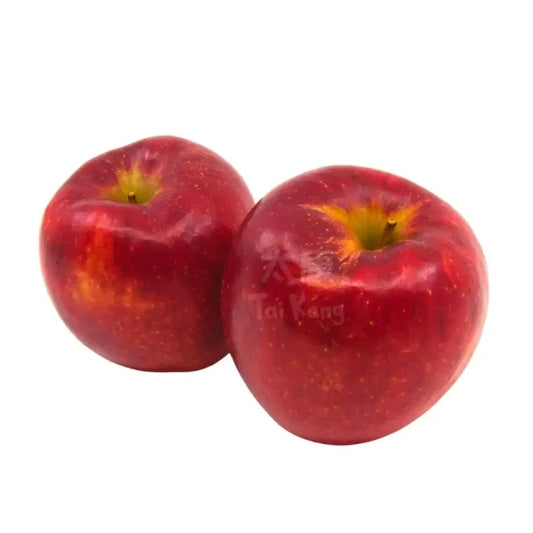
| Apple | Thin slices or spiral; a little lemon water | Crisp, keeps well |
| Melon and watermelon | Cubes or cutter shapes | Juicy, popular, easy to cut |
| Mandarin and orange | Peeled segments | Self-contained, little prep |
| Banana | Thick slices, packed just before leaving | Soft, filling; browns if cut early |
| Papaya | Soft cubes | Soft texture for toddlers |
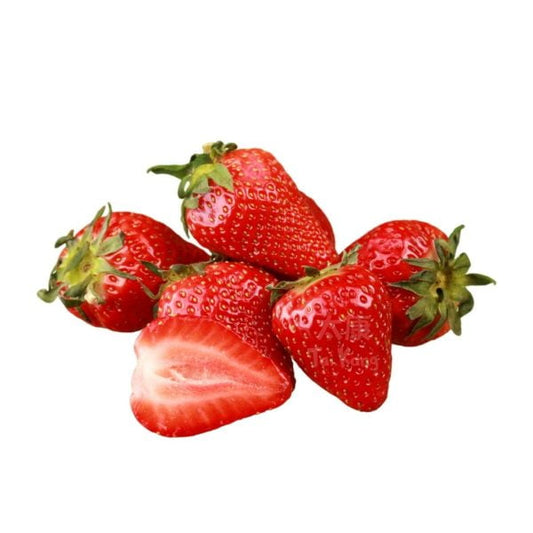
| Strawberries | Halved or quartered | Bright colour for contrast |
| Pineapple | Small chunks, core removed | Sweet and tangy, goes well on kebabs |
The Harvard guide lists grapes, apple slices, melon chunks, berries and banana slices as lunchbox-friendly choices. Pick two or three from different colour groups and you have a box that looks good before a bite is taken.
Fruit gifts for kids
A fruit gift for a child works best when it is easy to share, easy to eat and a little bit playful. Think of it as a snack box in a bigger format: a mix of familiar favourites such as grapes, mandarins and apples, plus one or two fruits to try.
A few thoughts when choosing:
- Know the audience. For a family, choose a box with enough variety for several children and the parents. For a toddler’s birthday, mention soft fruit options to the giver.
- Check for allergies. Ask the parents if there are known allergies before sending a mixed box.
- Think about timing. Fresh fruit is best eaten within a few days. Our fruit gift box buying guide walks through how to choose, and our guide on choosing box size by servings helps you avoid ordering too much or too little.
- Occasions. Birthdays, school celebrations and holidays are all natural moments. We have a Children’s Day fruit gift box collection for that time of year.
Our perspective
We think fruit is the easiest way for a child to build a good eating habit, and the first bite is always with the eyes. A box that arrives fresh, cold and in good condition gives parents a head start before any cutting or arranging begins.
That is why we put so much into what happens before delivery: careful inspection of every fruit, temperature-controlled storage and sourcing from growers we trust. Our promise is to make premium fruit simple for busy Singapore families, whether it is a one-off gift or a regular delivery that keeps the fridge stocked for lunchboxes.
If you are filling boxes every week, a subscription takes one task off your list. If you are gifting, a well-chosen box says more than a card does. We designed our range for both.
Tai Kang
Order fresh fruit for the box
If you would rather skip the supermarket run, we deliver premium fresh fruit across Singapore, with every item inspected and kept in temperature-controlled storage. You can order fruit, gift boxes and hampers on our online store, or set up a bi-weekly fruit delivery subscription so lunchbox fruit is always on hand. We also offer free delivery for larger orders, and a rewards programme for repeat customers.

For a gift, browse the Abundance Harvest Premium Gift Box or the Omakase Gift Box. Looking to add vegetables to the box? See our vegetables collection.
FAQ
What fruit is best for a kid’s lunchbox?
Choose fruit that is easy to eat with fingers and keeps its shape: grapes (cut for young children), apple slices, melon cubes, mandarin segments and strawberries. Aim for two or three colours. Our guide to fruit that stays fresh for hours has more packing tips.
How do I stop cut apples and bananas from browning?
A quick dip in lightly salted or lemon water slows browning on apple slices. For bananas, slice them thickly and pack them last, or choose a fruit that does not brown, such as grapes or melon. Keep the box chilled until it leaves the house.
How long can cut fruit stay in a lunchbox?
SFA guidance says cut produce left at room temperature for more than two hours should be discarded. Use an ice pack, pack the fruit cold and throw away leftovers that come home.
Is it safe to give whole grapes to toddlers?
No. Singapore’s HPB and KKH choking guidance lists whole grapes as a choking hazard. Cut them into smaller pieces and supervise your child while they eat.
What is a good fruit gift for a child?
A mixed box of familiar, easy-to-eat fruit such as grapes, mandarins and apples works well, with something new to try. Check with the parents about allergies first. Our Children’s Day collection is a good place to start.
Sources
- Healthy Food for Kids in a Bento, HealthHub
- 4 Things Parents Should Know About Nutrition Panels, HealthHub
- Healthy Eating for Children, Families for Life
- Healthy Meals in Preschools Programme recommendations
- HPB and KKH choking infographic
- Singapore Guidelines for Feeding and Eating in Infants and Young Children
- Guidelines on Handling Raw Vegetables and Fruits, SFA
- Food Safety Tips, SFA
- SS 668: Part 3: 2020
- Packing a Healthy Lunchbox, Harvard Nutrition Source
- Fun fruity snacks for kids, Healthy Eating Advisory Service
- How to Make a DIY Kids Snack Box, Singapore Mummy