
Best Fruits for Colds and Flu: What to Eat When You're Sick
The best fruits for a cold are the ones that give you vitamin C, hydration and easy calories while your appetite is low: citrus, kiwi, strawberries, plus soft, ripe fruits like banana, papaya and pear when your throat or stomach is sensitive. No food cures a cold. But the right fruit makes a rough week easier to get through, and the wrong one, at the wrong time, can irritate a sore throat. Below you will find what to pick, what to skip on a bad day, how to feed a sick child, and how fruit fits around exercise once you are back on your feet.
TL;DR
- Citrus, kiwi and strawberries supply vitamin C, and yellow-orange fruits such as papaya and mango supply beta-carotene, which the body turns into vitamin A.
- No food has been proven to prevent flu. Think of fruit as part of a balanced diet that supports your body, not as a treatment.
- If your throat is sore, acidic fruits and juices (oranges, lemons, limes, grapefruit, tomatoes) may sting. Soft, mild fruits are the safer choice that day.
- Before a workout, a banana or a fruit smoothie 1 to 3 hours ahead works for most people. Keep it familiar and low in fat and fiber.
- Keeping a few fruits at home before you get sick means you do not have to shop while unwell.
Table of Contents
- Which fruits are worth eating when you have a cold
- What fruit can and cannot do for a cold
- Fruits to ease off when your throat is sore
- Feeding a sick child
- A simple day of fruit when you are under the weather
- Fruit to eat before a workout
- Perspective
- Stock up before the next cold
- Choosing good fruit when you are not feeling well
- FAQ
- Sources
Which fruits are worth eating when you have a cold
When people search for fruit to eat when sick, they usually want two things: something that may help, and something they can actually swallow. Both matter. A fruit that is theoretically excellent but too sharp or too fibrous for your throat will stay in the bowl.
Here is what the evidence supports. The Singapore Heart Foundation notes that citrus fruits, kiwi and strawberries provide vitamin C, which supports immune-system cell functions. The same page explains that yellow-orange fruits contain beta-carotene, which converts to vitamin A and supports the body’s defense against illness and infection.
That gives us a practical shortlist:
| Fruit | What it brings | When it suits you |
|---|---|---|
| Oranges, mandarins | Vitamin C, plenty of water | Early in a cold, when your throat is fine |
| Kiwi | Vitamin C | Easy to scoop with a spoon, good with a stuffy nose and low appetite |
| Strawberries | Vitamin C | Eaten on their own or blended into a smoothie |
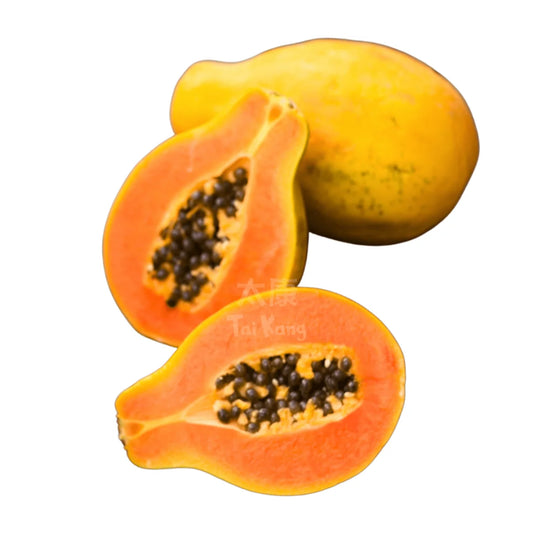
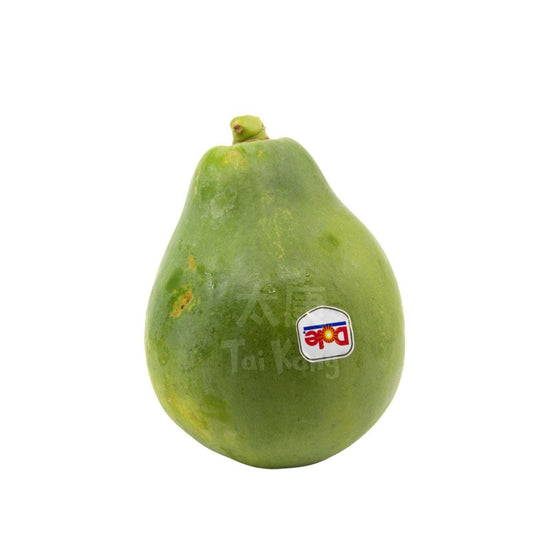
| Papaya | Yellow-orange fruit with beta-carotene | Soft texture, gentle on a rough throat |
| Mango | Yellow-orange fruit with beta-carotene | Blended with yogurt or eaten chilled |
| Banana | Soft, easy carbohydrates | When appetite is low or your stomach is unsettled |
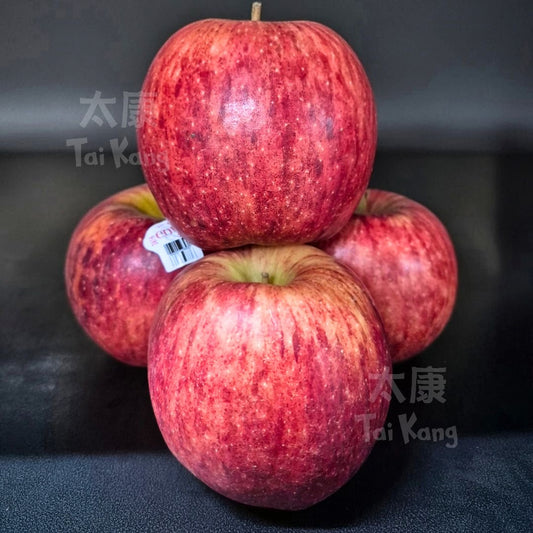
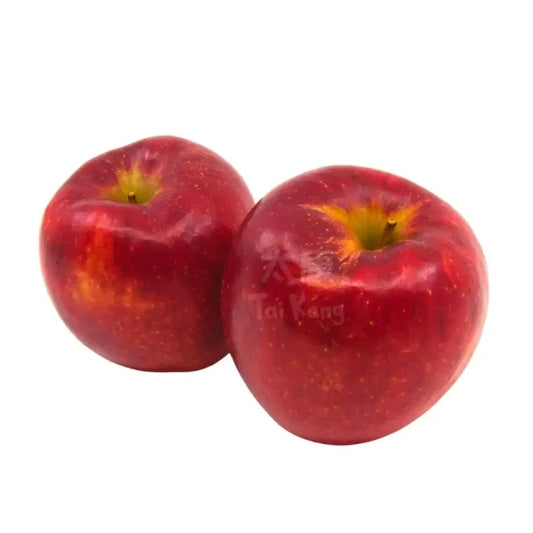
| Pear, ripe apple | Mild flavor, high water content | When you want something light and not sharp |
None of these needs preparation. That is the point. On day two of a cold, nobody wants to peel, chop and plan.
Why variety beats one hero fruit
It is tempting to eat five oranges and call it a plan. A better approach is to rotate colors. A citrus fruit in the morning, a kiwi in the afternoon and a few slices of papaya in the evening cover vitamin C and beta-carotene without leaving you tired of one flavor. If you want more ideas on how different fruits support everyday health, our guide on how different fruits boost your health goes through the main nutrients fruit by fruit.

What fruit can and cannot do for a cold
Being clear here saves you money and frustration. HealthXchange, run by Singapore’s public healthcare clusters, states that no proven foods can prevent flu. It adds that a well-balanced diet suited to your age provides antioxidants that can help your body’s immunity fight infections.
So the honest framing is this: fruit is one of the easiest ways to build that balanced diet, and it is one of the most pleasant foods to eat when nothing else appeals. It will not replace rest, fluids or a flu vaccine conversation with your doctor. If you have a high fever that lasts, trouble breathing, chest pain, or symptoms that keep worsening, see a doctor rather than relying on food.
Fluids count as much as food
Cold and flu make you lose appetite, and many people also drink less. Fruit with high water content, such as oranges, watermelon, pear and pineapple, helps you take in fluid while you eat. HealthXchange’s advice for the flu includes taking in non-caffeinated fluids like water and soup, so think of fruit as a supplement to your water bottle, not a replacement.

Fruits to ease off when your throat is sore
This is the question people ask second: which fruits should I not eat during a cold? The answer depends on your symptoms, not on the fruit being “bad.”
Healthline advises that you may want to avoid acidic fruits such as oranges, lemons, limes, tomatoes and grapefruit, or their juices, if they irritate a sore throat. Citrus is helpful for vitamin C, but the acid can sting raw, inflamed tissue.
A simple way to handle this:
- Throat feels fine, nose is blocked: citrus, kiwi and strawberries are all good choices.
- Throat feels scratchy or raw: switch to ripe banana, papaya, pear or a soft mango. Move citrus to a day when swallowing is comfortable.
- Stomach feels unsettled: keep portions small and choose bland, soft fruit such as banana.
You do not need to give up fruit on a sore-throat day. You just choose the milder end of the fruit basket.
Mind the timing at night
Time magazine’s guidance on eating when sick says that eating too close to bedtime may make stomach acid more likely to flow back up the esophagus, because you lie down soon after eating. If you cough more at night, finish your fruit a couple of hours before sleeping rather than having a bowl in bed.
Feeding a sick child
Families often ask this one first, because children stop eating the moment they feel off. HealthXchange’s advice for children with flu is to encourage small, frequent, well-balanced meals because appetite drops, and to make sure they take non-caffeinated fluids such as water, soup or milk-based drinks.
Fruit suits that approach well because it works in small portions:
- Offer a few slices of pear, papaya or banana on a plate instead of a whole fruit.
- Cut kiwi in half and let a child scoop it with a small spoon.
- Blend strawberries or mango with milk or yogurt for a drink that counts as both fluid and food.
- Serve fruit cold if your child likes it that way. Chilled fruit can feel soothing.
If a child refuses food for a long time, has trouble breathing, or seems unusually drowsy, see a pediatrician. Fruit is a comfort, not a diagnosis tool.
A simple day of fruit when you are under the weather
Here is how this can look in practice. It is a sample, not a prescription, and you should adjust it to your own symptoms and any dietary needs from your doctor.
- Morning: a ripe banana or a bowl of papaya cubes, with warm water or tea.
- Mid-morning: one mandarin or a kiwi, if your throat is comfortable.
- Lunch: your usual soup or light meal, with sliced pear or apple on the side.
- Afternoon: a smoothie of strawberries and mango, blended with yogurt or milk.
- Early evening: a few segments of orange or some watermelon, a couple of hours before bed.
The small, frequent pattern matters more than the exact fruit. If you can only manage two bites, that still counts.
Fruit to eat before a workout
Once you are well again, the next question is often about exercise: what is the best fruit before a workout, or before the gym? The answer is simpler than the pre-workout supplement aisle suggests.
Mayo Clinic Press recommends a small meal or snack 1 to 3 hours before exercise, with options such as a banana or a fruit smoothie. It also says a large meal should come at least 3 to 4 hours beforehand, and that a low-fiber, carbohydrate-containing snack is an option about 30 minutes before. High-fat and high-fiber foods take longer to digest and may cause stomach problems during exercise.
Turn that into a plan:
| Time before exercise | What to eat | Why |
|---|---|---|
| 3 to 4 hours | A full meal | Gives time to digest |
| 1 to 3 hours | Banana, fruit smoothie, or fruit with a small carbohydrate side | Easy carbohydrates, light on the stomach |
| About 30 minutes | A small, low-fiber snack such as a banana | Quick energy without heaviness |
Keep it familiar
A Hong Kong paediatric guide on nutrition for young athletes says pre-exercise snacks should be rich in carbohydrates, easy to digest, familiar and not overly high in fat, with fresh or dried fruit, juice and fruit smoothies among the options. It also advises practicing your choices in training and not trying anything new on event day. That applies to adults too. If a fruit has never sat well before a session, do not debut it before a race.
Where smoothies fit
A smoothie is one of the easiest ways to get fruit in when you are short on time or do not want to chew before a session. If you want to add protein without powder, this vegan protein smoothie in five minutes shows one way to build it from whole ingredients. Keep the fiber moderate, and go lighter on seeds and nut butter if you are drinking it close to your session.
For more detail on matching fruit to training, see our guides on fruits for athletes before and after training and post-workout fruits to pair with protein.
A note on training while ill
If you have a cold, think about whether you should train at all. Light activity may be fine for symptoms above the neck only, but a fever, body aches or chest symptoms are a reason to rest. Ask your doctor if you are unsure.
Perspective
We handle fruit all day, and the same lesson comes up again and again: the fruit you actually eat when you feel unwell is the fruit that was already in the house, ripe, and easy to reach.
That is why we focus on what happens before it reaches you. Our fruits are inspected before they go out and kept in temperature-controlled storage, because a kiwi that is ripe and sweet is far easier to enjoy on a day when your appetite is low. When you are sick, you do not want to gamble on a sour strawberry or a hard pear.
Our advice is to build a small “sick day” stock. Keep one vitamin C fruit, such as mandarins or kiwi, one soft fruit, such as bananas or papaya, and one high-water fruit, such as pear or watermelon. That covers a sore throat day, a stuffy-nose day and a no-appetite day without another trip to the shop.
We also believe fruit should not be a chore. A regular delivery of fresh fruit keeps good choices in front of you all year, not just when a cold hits, and it means whoever in the family is well enough does not need to go out to get it.
Tai Kang
Stock up before the next cold
Colds tend to arrive at inconvenient moments, and shopping while sick is nobody’s idea of fun. If you would rather have fruit show up at your door, we deliver fresh, quality-inspected fruit across Singapore, and our rewards program thanks customers who order again. Our own description is that larger orders qualify for free delivery, so check the site for the current terms.
What suits which situation:
- For yourself or your household: browse our premium fresh fruits and choose a mix of citrus, kiwi, banana and papaya.
- For regular supply: our bi-weekly fruit delivery subscription plan runs over two months, so there is always something fresh at home.
- For a friend or relative who is unwell: a gift basket such as the Fruitastic Basket is a thoughtful way to say get well soon.

If you buy for a team, our corporate fruit delivery and gift boxes keep an office stocked with fresh fruit through the months when coughs go around. Our meeting snacks ideas article has suggestions that are easy to share and low-mess.
Choosing good fruit when you are not feeling well
A few simple checks help you get more out of what you buy:
- Ripeness matters more when you are ill. Soft, ripe papaya, banana and pear are easier to eat and gentler on the throat than firm, underripe fruit.
- Buy small quantities of the most delicate fruit. Strawberries and ripe mango are best within a few days, so pair them with longer-lasting fruit such as apples and oranges.
- Refrigerate cut fruit and eat it soon. Chilled fruit is pleasant when you have a fever, but keep it covered.
- Use ripe fruit for smoothies. Overripe bananas and mangoes blend into a sweet, soft drink with no added sugar needed.
For snack ideas that go beyond whole fruit, our post on healthy snacks with fruit for Singapore is a good place to start. If you want to know what is at its best this time of year, see our seasonal fruit selections guide, and for a different angle on everyday wellbeing, read about anti-inflammatory fruits.
FAQ
What fruit should I eat when I am sick?
Start with fruits that provide vitamin C, such as oranges, kiwi and strawberries, and add yellow-orange fruits like papaya and mango for beta-carotene. If your throat is sore, pick softer, milder fruit such as banana or pear. Small portions through the day are fine if your appetite is low.
Can fruit help a cold go away faster?
No food has been proven to prevent flu, according to HealthXchange. Fruit supports a balanced diet, which provides antioxidants that help your body’s immune function. Rest and fluids matter too, and a doctor should see you if symptoms are severe or do not improve.
What fruits should I avoid during a cold?
You do not need to avoid fruit, but acidic fruits and juices such as oranges, lemons, limes, grapefruit and tomatoes may irritate a sore throat. On those days, choose banana, papaya or pear instead, and return to citrus when your throat feels better.
What is the best fruit before a workout?
A banana or a fruit smoothie about 1 to 3 hours before exercise is a well-supported choice, and a small low-fiber snack works about 30 minutes before. Avoid heavy, high-fat or high-fiber foods close to your session, and stick to fruit you already know sits well with you.
Is fruit before the gym better than a pre-workout supplement?
For most everyday sessions, fruit provides the easily digested carbohydrates you need without anything unfamiliar. If you have a medical condition or specific performance goals, a dietitian or doctor can give advice that suits you.
Sources
- Foods to Fend off the Flu, Singapore Heart Foundation
- Flu Relief and Prevention: Three Diet Tips, HealthXchange
- What’s Good to Eat When You Have a Sore Throat?, Healthline
- What to Eat When You’re Sick, Time
- Fueling fitness: What and when you eat can impact your performance, Mayo Clinic Press
- Nutrition Needs for Active Kids and Young Athletes, Hong Kong Paediatric guidance
- Vegan protein smoothie in five minutes, Wild Foodz