
Healthy Snacks With Fruit: Easy Ideas for Singapore
The healthiest fruit snack is a portion of whole fruit, ideally paired with a little protein or healthy fat, that lands under about 200 Calories. That is the guideline Singapore’s Health Promotion Board (HPB) gives for snacking, and it is easy to hit with an apple and a handful of nuts, a banana with nut butter, or berries stirred into plain yogurt. Below you will find which fruits work best, how to combine them so they actually fill you up, five-minute ideas, and what to check on labels when you buy dried or packaged options.
TL;DR
- Aim for a snack under 200 Calories that is rich in nutrients such as fiber, as HPB recommends.
- Bananas, apples, pears, papaya and grapes are easy, low-calorie fruit snacks that need no preparation.
- Add protein or healthy fat (nuts, nut butter, Greek yogurt) and the snack keeps you full for longer.
- Dried fruit is concentrated: keep it to about 1/4 cup, and check labels for added sugar.
- For the freshest fruit without a trip to the market, order from Tai Kang and have it delivered across Singapore.
Table of Contents
- What makes a fruit snack “healthy”?
- How much counts as one serving?
- The best fruits to snack on
- Pair fruit with protein or fat to stay full
- Fruit and nut snacks you can make in advance
- Yogurt and fruit snacks
- Five-minute fruit snacks
- Fresh, frozen or dried: which is best?
- Fruit snacks for kids
- Build snacking habits that stick
- Our perspective: freshness decides whether you eat the fruit
- Get fresh fruit for snacking delivered
- FAQ
- Sources
What makes a fruit snack “healthy”?
Three things decide it: the size of the portion, what the fruit is eaten with, and how much has been added to it.

Portion. HPB says healthy snacking between meals can help control calorie intake, and that an ideal snack is under 200 Calories and rich in nutrients such as fiber, which supports digestion (HealthHub, 2025). Whole fruit fits that neatly. A piece of fruit is also easier to stop at than a bag of chips.
Pairing. Fruit on its own digests quickly. Adding a source of protein or fat slows the snack down and keeps hunger away longer. More on that below.
Processing. Fresh, frozen, canned and dried fruit can all be good choices, but the dietitians at the Academy of Nutrition and Dietetics advise checking labels for added sugars and other additives. Fruit leathers, fruit bars and “fruit snacks” that are mostly syrup and gelatin are a different product from fruit.
How much counts as one serving?
Before you plan snacks, it helps to know what a portion looks like. HPB defines one serving of fruit as one of the following (HealthHub):
- 1 small apple, orange, pear or mango
- 1 wedge of pineapple, papaya or watermelon
- 1 medium banana
- 10 grapes or longans
- 1/4 cup of dried fruit
- 1 glass (250 ml) of pure fruit juice
Notice that dried fruit is measured in a quarter cup and that juice counts as a full glass. Both are easy to overshoot, which is why whole fruit tends to be the better everyday snack. If you are weighing the two, our guide on juice portions and why whole fruit still wins in Singapore goes into the detail.
The best fruits to snack on
HPB lists bananas, apples, pears, papaya and grapes among its low-calorie fruit snacks (HealthHub). Here is how we think about using them day to day.
| Fruit | Snack portion (HPB serving) | Why it works as a snack |
|---|---|---|
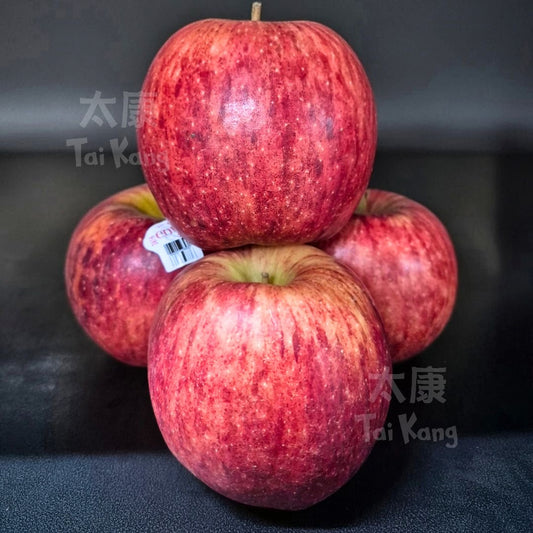
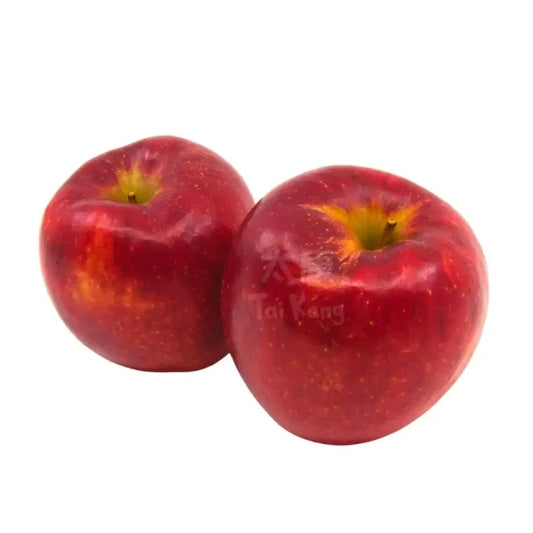
| Apple | 1 small | Firm, travels well, pairs with nut butter or cheese |
| Pear | 1 small | Sweet and juicy, good with a few almonds |
| Banana | 1 medium | Comes in its own wrapper, easy to freeze |
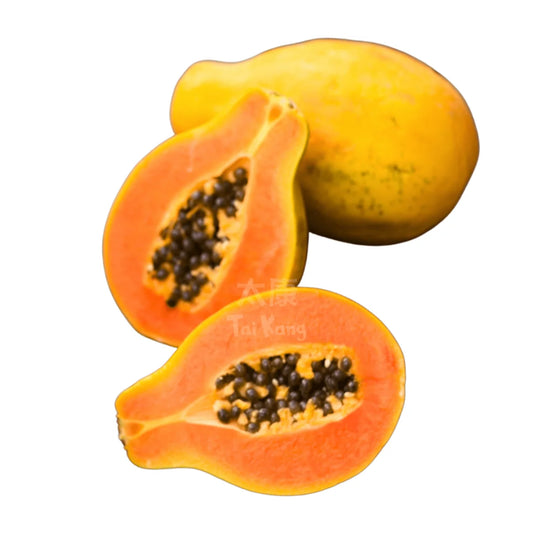
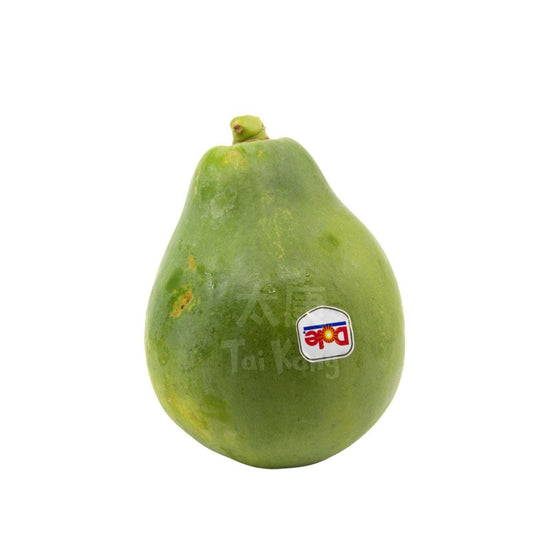
| Papaya | 1 wedge | Soft and refreshing, nice with lime juice |
| Grapes | 10 | Bite-sized, can be frozen, easy to pack for kids |
| Pineapple | 1 wedge | Bright and tangy, good in a fruit salad |
| Mango | 1 small | Sweeter, so a good fit for dessert-style snacks |
A few practical notes. Pick fruit that is ripe and in season, because flavor is better and you will need less “help” from sweet dips. Our seasonal fruit guide for Singapore shows what is at its peak. If you are looking for something a little different from the usual apple, a Zespri Golden Kiwi is easy to halve and eat with a spoon at your desk.
If you manage blood sugar or a sensitive gut, portion and fruit choice matter more. We cover those cases in low sugar fruits and pairings and low FODMAP fruits, and a doctor or dietitian is the right person to set your own targets.
Pair fruit with protein or fat to stay full
The most common complaint about fruit as a snack is that it does not last. The fix is simple: add protein or healthy fat. Nutrition writers at U.S. News suggest combinations such as nut butter, or Greek yogurt with berries and walnuts, to help you feel full. Healthy Food Guide gives the same advice: fresh fruit with nuts or nut butter adds fats or protein and keeps you fuller for longer. The Academy of Nutrition and Dietetics also notes that mixing food groups, such as fruit with fat-free yogurt, can help curb hunger.

If you want to read more about how balanced snacks relate to steady energy, this guide on snacks and hormone stability covers the idea of combining food types.
Some pairings we keep coming back to:
- Apple slices + peanut or almond butter. One small apple and a thin spread.
- Pear + a few almonds or walnuts. Crunch and creaminess.
- Banana + a spoon of nut butter. Closer to a mini dessert.
- Papaya wedge + plain yogurt + lime. Light and cooling in Singapore’s heat.
- Grapes + a small piece of cheese. Easy to pack in a lunchbox.
Watch the quantity of the add-on. Nut butter and nuts are nutritious but calorie-dense, so a teaspoon or two of spread, or a small handful of nuts, keeps the whole snack close to the 200 Calorie mark.
Fruit and nut snacks you can make in advance
Fruit and nuts is the classic grab-and-go combination, and it takes little effort. The University of Maryland Extension’s recipe for finger fruits and nuts combines dried fruit with two types of nuts and/or peanuts, then portions the mix into 1/2-cup servings in reusable containers or bags.
That is a useful method, but there are two things to adapt:
- Check the serving against the 200 Calorie guideline. Nuts and dried fruit are both concentrated, so you may want a smaller scoop than the half cup if this is a between-meal snack rather than part of a meal. Remember HPB counts only 1/4 cup of dried fruit as a fruit serving.
- Choose unsalted nuts and unsweetened dried fruit. Read the label for added sugar, as the dietitians’ advice above suggests.
Pre-portioning is the real trick. Make a batch on Sunday, split it into small containers, and the decision is already made when 4 pm hunger hits. If you prefer to buy something ready to go, our snack range and organic chestnuts sit alongside the fresh fruit, and our healthy snack buying guide explains what to look for on packaged labels.
Yogurt and fruit snacks
Yogurt turns fruit into something that feels more like a treat, and it brings protein. Harvard Health suggests a snack of 6 ounces (about 170 g) of plain Greek yogurt with 1/2 cup of fresh or frozen berries and a sprinkle of granola.
What to check on the yogurt label:
- Plain beats flavored. Flavored and “fruit on the bottom” tubs often carry added sugar. Buying plain and adding your own fruit puts you in control, and the fruit supplies the sweetness.
- Look at the ingredients list. Short is better: milk and cultures.
- Choose a lower-fat option if that suits your goals. Both the Academy of Nutrition and Dietetics and HPB mention fat-free or low-fat yogurt in their snack ideas.
HPB also recommends lime juice and low-fat yogurt to lift a homemade fruit salad (HealthHub). A bowl of papaya, pineapple and grapes with a spoon of yogurt and a squeeze of lime is a good example of a snack that tastes indulgent and is not.
Five-minute fruit snacks
When you have no time, these need almost no skill.
- Frozen grapes. HPB says grapes frozen in a deep freeze can mimic sorbet (HealthHub). Wash, dry, freeze on a tray, then bag them.
- Frozen banana “ice cream”. Skinned frozen bananas can be processed into a texture similar to ice cream, according to the same HPB page. Blend until smooth and eat right away.
- Fruit salad with lime and yogurt. Chop whatever is ripe, add lime juice and a spoon of low-fat yogurt.
- Apple or pear and nut butter. Slice, spread, done.
- Yogurt bark. The American Heart Association lists a frozen yogurt bark with a 5-minute prep time: yogurt mixed with honey is spread on parchment, topped with almonds and fruit, then frozen overnight. The prep is quick but it needs the freezer overnight, so make it the day before. Honey adds sugar, so use it sparingly.
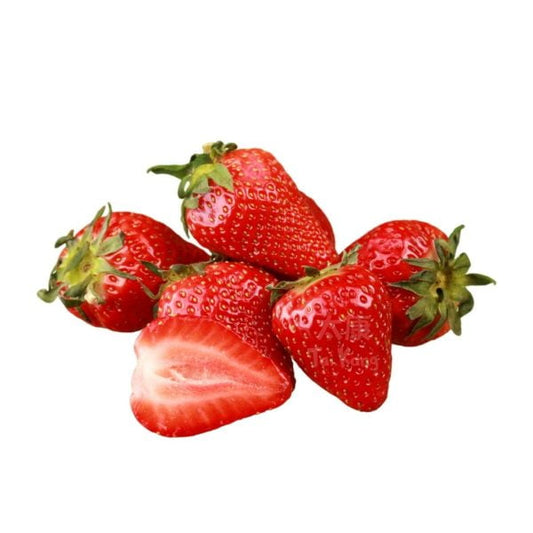
Frozen fruit also works as a swap for sugary ice pops. HPB points to freezing seedless grapes, kiwifruit or strawberries as an icy, vitamin-rich alternative to traditional high-sugar popsicles (HealthHub, 2026).
Fresh, frozen or dried: which is best?
All three can fit. The Academy of Nutrition and Dietetics says fresh, frozen, canned and dried fruits and vegetables are all good-for-you foods when you read the labels for added sugars (Eatright). Our rule of thumb:
- Fresh for everyday snacking and anything you will eat within a few days.
- Frozen for smoothies, yogurt bowls and frozen treats, and for stretching fruit you cannot finish in time.
- Dried for hiking, travel and trail mix, in small amounts. It is easy to eat far more dried fruit than you would ever eat fresh, so measure it out.
Fruit snacks for kids
Parents often ask about packed snacks for school and playdates. For toddlers, HealthHub recommends fresh fruit, and notes that dried fruit can be high in calories (HealthHub, 2026). The same page suggests a homemade trail mix of 1 cup of whole-grain cereal with 1/4 cup of chopped nuts and 1/4 cup of chopped dried fruit. Chopped is the key word: whole nuts are not suitable for small children, so check HealthHub’s guidance for your child’s age.
For babies, texture matters. HPB’s preschool programme guidance says fruit for 7 to 9 month olds should be soft or cooked until soft and finely minced, and for 10 to 12 months it can be cut into bite-sized pieces (HealthHub, 2023). If your child has allergies or feeding difficulties, ask your pediatrician before introducing new snacks.
Build snacking habits that stick
What you snack on matters, but so does when and why. If your snacking drifts into the evening out of boredom, a plan helps: have the fruit washed and visible, decide the portion before you start, and keep less-healthy options out of easy reach. This step-by-step piece on stopping late-night snacking shows how to work on the habit rather than just the food. Harvard Health makes a similar point: lasting change comes from awareness of your behavior and building skills, not from willpower alone (Harvard Health).
A few small systems that work:
- Wash and cut fruit on the weekend and store it in clear containers.
- Keep a fruit bowl where you work, not just in the kitchen.
- Pre-pack nut and dried fruit portions so you are not eating from the bag.
- Pair every fruit with something that has protein or fat, so you are not hungry again within the hour.
Our perspective: freshness decides whether you eat the fruit
We sell fruit for a living, so we see the same pattern again and again. People do not skip fruit because they dislike it. They skip it because the fruit on hand is unripe, bruised or has already gone soft, and a packet of biscuits is easier.
That is why we inspect fruit by hand and store it in temperature-controlled conditions before it reaches you. A snack habit only holds when the fruit is good on the day you want it. Our advice is to buy a little and often, choose a mix of fruit that is ready now and fruit that will ripen over the next few days, and keep your pairings simple: one fruit, one protein or fat, one portion.
We also think fruit snacking should not be a chore. If a weekly shop is the obstacle, a regular delivery removes the decision altogether.
— Tai Kang
Get fresh fruit for snacking delivered
If you would rather skip the market run, Tai Kang delivers premium fresh fruit across Singapore. Each order is quality-inspected and stored at controlled temperatures. You can browse the full range, including fruit gift boxes, vegetables and snacks, on our home page, or set up a bi-weekly fruit delivery subscription so there is always something ripe in the bowl. Not sure how much to order? Our guide to choosing a fruit box size by servings helps you match the box to your household. Offices can also read about corporate bulk orders for team pantries and events.

FAQ
Which fruit is the healthiest for snacking?
No single fruit wins, but bananas, apples, pears, papaya and grapes are easy, low-calorie choices that HPB names for snacking. Variety matters more than any one pick, so rotate what is in season. Keep each portion to roughly one HPB serving, such as one small apple or 10 grapes.
What foods pair well with fruit?
Foods with protein or healthy fat work best: nut butter, a few nuts, or plain Greek yogurt. Combinations such as berries with Greek yogurt and walnuts help you feel full. Keep add-ons small so the snack stays near 200 Calories.
What are some easy snacks I can make in 5 minutes?
Try apple slices with nut butter, a fruit salad with lime juice and low-fat yogurt, or a bowl of plain yogurt with berries. Frozen grapes and frozen bananas take a few minutes of prep and a stretch in the freezer. Yogurt bark takes about 5 minutes to assemble but needs to freeze overnight.
Is dried fruit a healthy snack?
It can be, in small amounts. HPB counts 1/4 cup of dried fruit as one serving, and HealthHub notes that dried fruit can be high in calories. Choose unsweetened versions and read the label for added sugar.
Are fruit and nut snacks good for kids?
They can be, with age-appropriate preparation. For toddlers, HealthHub suggests chopped nuts and chopped dried fruit in a homemade mix, and fresh fruit as the first choice. Ask your pediatrician if you are unsure about nuts for your child.
Sources
- Banish Nasty Nibbles With Healthy Snacks, HealthHub
- Eat well, mum, HealthHub
- Fresh, Canned, Dried or Frozen: Get the Most from Your Fruits and Vegetables, Eatright
- Perfect Snack Pairings, U.S. News
- Smart Snacking Tips for Adults and Teens, Eatright
- How to make your snacks more filling, Healthy Food Guide
- Finger Fruits and Nuts, University of Maryland Extension
- Low-calorie snacks: Healthy, delicious, and satisfying options, Harvard Health
- Frozen Yogurt Bark, American Heart Association Recipes
- Nutritional Requirements for Toddlers 25-36 Months Old, HealthHub
- Healthy Meals in Preschools Programme recommendations, HealthHub
- Snacks and Hormone Stability: A Guide for Women
- How to Stop Late Night Snacking, Step by Step