
Low FODMAP Fruits: What to Eat, How Much, and What to Skip
You do not have to give up fruit on a low FODMAP diet. You swap the fruits high in excess fructose or sorbitol, such as apples and pears, for lower-FODMAP choices like strawberries, kiwi, grapes, oranges and firm bananas, and you keep an eye on portion size. This guide lists those fruits with the serving sizes published by Monash University, names the ones to leave out during elimination, and shows how to shop and snack with them in Singapore.
TL;DR
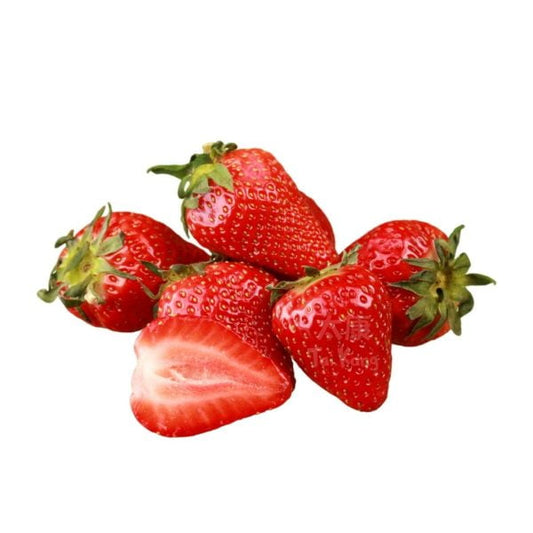
- Low FODMAP fruits at tested servings include strawberries (5 medium), green kiwi (2 small), grapes (up to 150 g), cantaloupe (up to 120 g), pineapple (up to 140 g), one mandarin, one medium orange and firm, unripe banana (up to 100 g).
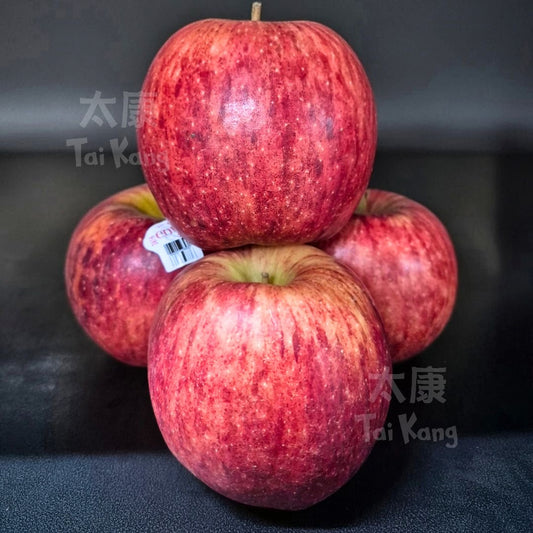
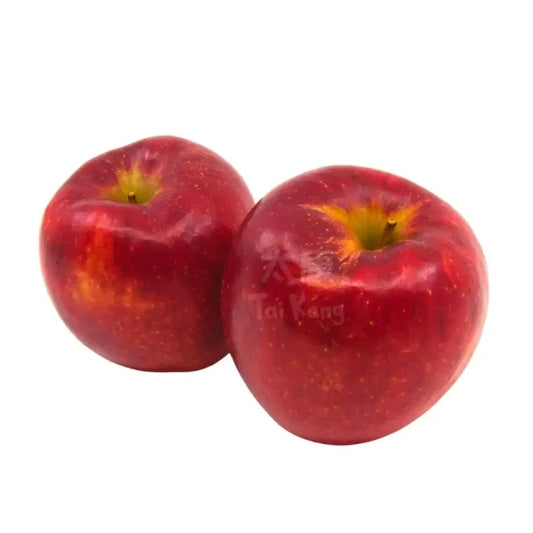
- Apples, pears, cherries, mango, nectarines, peaches, plums and watermelon are the usual fruits to avoid during the elimination phase.
- Portion size decides everything: a fruit that is fine at one serving can become high FODMAP in a larger one.
- The low FODMAP diet is a temporary, three-step process to find your personal triggers, best done with a dietitian. It is not meant to be permanent.
- Pair fruit with a little protein or fat, such as lactose-free yogurt or nuts, for steadier energy and fewer bloating episodes.
Table of Contents
- Why fruit needs a closer look on a low FODMAP diet
- Low FODMAP fruits and their portions
- Fruits to avoid during the elimination phase
- Portion size is where most people slip
- Working with a dietitian, not around one
- Fruit in a Singapore week: simple ways to eat the list
- What about fiber and constipation?
- Our perspective: fresh, firm and portioned
- Buying low FODMAP fruit in Singapore
- For offices, gifts and shared households
- Frequently asked questions
- Sources
Why fruit needs a closer look on a low FODMAP diet
FODMAPs are fermentable carbohydrates that some people with irritable bowel syndrome (IBS) struggle to digest. In fruit, the two main culprits are sorbitol and excess fructose. Many fruits carry both, which is why apples and pears are such frequent triggers for gas, bloating and diarrhea in sensitive people.
That does not mean all fruit is off the table. A common misunderstanding is that you must cut fruit out entirely. In practice, the aim described in Monash’s three-step information sheet is to swap high-FODMAP fruits for low-FODMAP ones so you still get fiber and nutrients without setting off symptoms.
The diet itself has three phases: elimination, reintroduction and personalization. Food challenges in the reintroduction phase test one FODMAP group at a time to find which ones you tolerate. The goal is to bring back as many foods as possible, so the strict list you see below is a starting point, not a life sentence. MedlinePlus makes the same point: this is a short-term clinical approach, guided by a dietitian, aimed at long-term variety.

Low FODMAP fruits and their portions
The table below uses the serving sizes in Monash University’s guidance, with the blueberry figure from Intoleran’s snack guide. Serving sizes can be updated as testing continues, so check the Monash FODMAP app before you rely on a number.
| Fruit | Low FODMAP serving |
|---|---|
| Strawberries | 5 medium |
| Kiwi fruit (green) | 2 small |
| Grapes | Up to 150 g (about 1 cup) |
| Cantaloupe | Up to 120 g |
| Pineapple | Up to 140 g |
| Mandarin | 1 fruit |
| Orange | 1 medium |
| Banana (firm, unripe) | Up to 100 g |
| Blueberries | Up to 40 g (¼ cup) |
A few notes on reading this table.
Ripeness matters for bananas. The low FODMAP serving applies to firm, unripe bananas. As a banana ripens and turns spotty, its fermentable sugars rise, so a soft, brown-speckled one is a different food from a firm, slightly green one.

Blueberries have a small serving. A quarter cup is a topping for yogurt or porridge, not a bowlful.
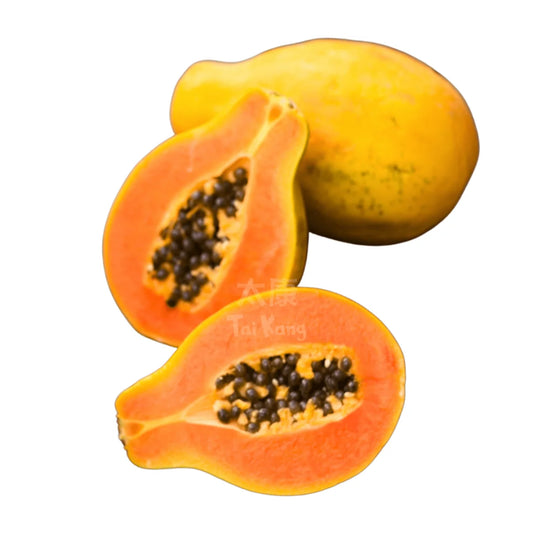
Other fruits appear on many lists. Lists ranking on Google for this topic often include dragon fruit, papaya, clementines, plantain, carambola and breadfruit, and those are popular in Singapore. We have not verified their serving sizes here, so look each one up in the Monash app before adding it to your plan.
Fruits to avoid during the elimination phase
The fruits highest in excess fructose or polyols are the ones most dietitians ask you to set aside first. Monash lists apples, pears, mangoes and cherries among those particularly high in excess fructose. Its guidance, together with the Cleveland Clinic’s list of high-FODMAP foods, puts these in the avoid group:
- Apples and apple juice
- Pears
- Cherries
- Mango
- Nectarines and peaches
- Plums
- Watermelon
- Dried fruit
Two of these catch Singapore shoppers out. Fruit juice is concentrated: a glass of apple or mango juice delivers far more fructose than one piece of fruit. And dried fruit is easy to overlook in trail mixes and office snack bowls.
This also affects advice you may have read elsewhere. HealthHub Singapore suggests fruits such as kiwi, prunes or dragon fruit to help with constipation. Kiwi works for both goals. Prunes are dried fruit, which is on the high-FODMAP side, so if you are in the elimination phase, ask your dietitian before relying on them.
Portion size is where most people slip
The single most common mistake is treating “low FODMAP” as a label on the fruit rather than on the fruit plus a serving. One medium orange is fine. Three oranges in an afternoon add up to a much larger load of fermentable sugars. The same logic applies when you eat several different low FODMAP fruits in one sitting: the amounts stack.
Some habits that help:
- Weigh at first. A cheap kitchen scale for a week or two teaches your eye what 150 g of grapes or 100 g of banana looks like.
- Spread fruit through the day. One serving at breakfast and another as an afternoon snack is gentler than a large fruit bowl at once.
- Use a tested source. Generic internet lists are often out of date or skip the serving size. The Monash FODMAP app is lab-tested and uses a traffic light system, and it is the reference most dietitians use.
- Keep a symptom diary. It helps you and your dietitian see which fruits and portions work for you.
Working with a dietitian, not around one
The elimination phase is restrictive, and cutting out many foods without guidance can lead to gaps in nutrition. Monash and NUHS+ researchers describe the diet as a tool for people diagnosed with IBS, with a dietitian supporting each stage. If you have not been diagnosed, or you notice blood in the stool, unexplained weight loss or persistent pain, see a doctor first. Those symptoms need a proper workup, not a diet experiment.
If you are already working with a dietitian in Singapore, take your fruit diary to each appointment. Reintroduction is also where fruit gets interesting again: you may find you tolerate a half serving of a fruit you had written off.
Fruit in a Singapore week: simple ways to eat the list
Low FODMAP does not need to be complicated. Experts quoted by Intoleran recommend simple, minimally processed combinations, and pairing low-FODMAP fruit with protein to help with fullness. Here is how that looks in practice.
Breakfast
- Five strawberries and a small handful of blueberries over lactose-free yogurt.
- A firm banana (up to 100 g) sliced onto oats cooked with lactose-free milk.
Mid-morning or afternoon snack
- One mandarin and a few walnuts.
- Firm banana on rice crackers with peanut butter, a combination suggested by Freedom Nutrition as low FODMAP.
- A small bowl of pineapple (up to 140 g) with a few cubes of hard cheese.
Lunch box or office desk
- Up to 150 g of grapes with a hard-boiled egg.
- Two small kiwi fruit, halved and scooped with a spoon.
Drinks
- A smoothie made with low FODMAP fruit and lactose-free milk. Coffee is generally low FODMAP, but standard cow’s milk is not, so the milk you add matters.
If nuts do not suit you or your household, these nut-free meal ideas offer other ways to build a snack or light meal around fruit. Check each ingredient against your own FODMAP list, since a nut-free meal is not automatically low FODMAP.
We also keep a few reads on the blog that sit well alongside this one: fast fresh-fruit fixes and ready fruit boxes for pantry snacks, and fruits for gut health with a two-week trial if you want a structured way to test what suits you.
What about fiber and constipation?
People on a restricted fruit list often worry about fiber. Fruit is one source, but not the only one. HealthHub advises more fiber from whole grains and vegetables, fruit with meals, and enough fluids. Its dietitian-reviewed advice includes drinking 6 to 8 glasses of fluid daily, and foods like low-sugar yogurt or tempeh for gut support. Check that any yogurt you choose is lactose-free or otherwise suits your phase of the diet.
Kiwi is a standout here because it appears both on the low FODMAP list and in Singapore’s constipation advice. For more on that topic, see our piece on fruits for constipation and the amounts that work and our guide to high fiber fruits available in Singapore. Check the fruits you pick there against the low FODMAP table above before you buy.
Our perspective: fresh, firm and portioned
We do not give medical advice, and we are not a substitute for your dietitian. What we do know well is fruit, and a few practical points follow from how we handle it.
First, ripeness is not a detail on a low FODMAP plan. Bananas are the clearest example, because the serving that works is for firm, unripe fruit. At Tai Kang, every fruit is hand-inspected and stored in temperature-controlled conditions, which helps you see what you are buying and keeps fruit from over-ripening before it reaches you. If you need firm bananas, look at the condition on arrival and plan when you will eat them.
Second, a defined serving is easier when fruit comes in sensible units. Grapes, mandarins, kiwi and strawberries are easy to count or portion into small containers on the day they arrive. Prepping a few portions in advance removes the guesswork at the office or at the school gate.
Third, fruit for a household is rarely just for one person. If one family member follows a low FODMAP plan and others do not, keep the fruit separate and labeled so that the apples and pears are not within arm’s reach of the person who needs to skip them.
— Tai Kang
Buying low FODMAP fruit in Singapore
A few tips for the shop or the delivery basket:
- Check the origin and condition, not just the name. Freshness and ripeness both affect how a fruit behaves on this diet.
- Buy in portions you will finish. Grapes and strawberries do not last long, and a smaller, more frequent order keeps everything fresh.
- Avoid mixed fruit cups and juices. They often combine low and high FODMAP fruits, such as pineapple with watermelon or apple.
- Read gift boxes and hampers. Many include apples, pears or dried fruit. If you are buying for someone on a low FODMAP plan, ask for a customized selection.
One option for the fruit that most often appears on low FODMAP plans is our sweet seedless green grapes, which fit comfortably within the 150 g serving. We also deliver across Singapore, and our bi-weekly fruit delivery subscription suits people who want a steady supply without repeated shopping trips. Tell us about any fruits you need to avoid and we will help you pick what suits you. You can browse everything from our online fruit store.

For offices, gifts and shared households
If you organize fruit for a team, a low FODMAP colleague is easy to forget. A basket made up of only apples, pears and mango can leave them with nothing to eat. Adding grapes, mandarins and kiwi means there is something for everyone. Our guides to office fruit pantry delivery and to rotating office snacks cover how to build a mix that works for different dietary needs.
The same applies to gift hampers. A thoughtful gift for someone with IBS is a box built from the low FODMAP list, not a standard assortment.
Frequently asked questions
Are grapes low FODMAP?
Yes, in the right amount. Monash lists grapes as low FODMAP at up to 150 g, about one cup. Eating much more than that in one sitting can push the fructose load up, so portion them out rather than eating straight from the bag.
Is a banana low FODMAP?
A firm, unripe banana is low FODMAP at up to 100 g. A ripe, spotty banana is a different story, as the sugars change with ripeness. If bananas are a staple for you, buy them a little green and eat them while they are still firm.
Can I eat peanut butter and drink coffee on a low FODMAP diet?
Peanut butter is considered low FODMAP and works well with firm banana on rice crackers. Black coffee is generally low FODMAP too, but the milk matters: choose lactose-free or a suitable plant milk instead of standard cow’s milk. Portions still count, so check the serving in the Monash app.
How long should I avoid high FODMAP fruits?
The elimination phase is temporary, and a dietitian usually guides how long it lasts. After that you reintroduce foods one FODMAP group at a time to find your own limits. The aim is to widen your diet again, not to stay on a short list for good.
Do I need to follow a low FODMAP diet to eat these fruits?
No. These fruits are healthy for anyone. The low FODMAP approach is for people with IBS who are working with a health professional, and it is not suitable as a general weight-loss or lifestyle diet.
Sources
- FODMAP food list, Monash FODMAP
- Treating IBS with a 3-step FODMAP diet, Monash FODMAP (PDF)
- Low FODMAP diet, MedlinePlus
- 30+ High-FODMAP Foods, Cleveland Clinic
- Low FODMAP & Healthy Snack Ideas for 2026, Intoleran International
- Low FODMAP Snack Ideas, Freedom Nutrition
- Constipation in Adults: Causes and Prevention, HealthHub Singapore