
Anti-Inflammatory Fruits: What to Eat and Buy in Singapore
The fruits most often linked to lower inflammation are berries, cherries, citrus, pomegranates, grapes and kiwi. They are rich in plant compounds such as anthocyanins and flavonoids. No single fruit works as a treatment, but a daily habit of colorful, fresh fruit is one of the simplest ways to build an anti-inflammatory way of eating. This guide covers the fruits worth putting in your basket, what the research does and does not show, how much to eat by Singapore’s own guidelines, and how to choose them well.
TL;DR
- Berries, cherries, citrus, pomegranates, grapes and kiwi come up most often in Harvard Health’s guidance on anti-inflammatory fruits.
- Variety beats a single “superfruit”: different colors bring different plant compounds.
- Singapore’s Health Promotion Board advises 2 servings of fruit a day, and frozen fruit is just as nutritious as fresh.
- Fruit supports an overall healthy pattern. It does not replace medical care for any condition.
- Pick firm, fragrant, brightly colored fruit and eat berries within a few days.
Table of Contents
- Which fruits are linked to lower inflammation
- Berries: the most consistent performers
- Citrus and kiwi: vitamin C with everyday convenience
- Tropical fruits worth knowing in Singapore
- Eat by color to cover more compounds
- What the research actually shows
- How much fruit, and in what form
- A simple anti-inflammatory fruit day
- Buying and storing fruit so it stays good
- Our perspective
- Fresh fruit delivered across Singapore
- FAQ
- Sources
Which fruits are linked to lower inflammation
Harvard Health’s guidance discusses berries, apples, stone fruits such as cherries, citrus, pomegranates and grapes as fruits with anti-inflammatory compounds or potential benefits (Harvard Health). The common thread is color. Deeply pigmented fruit tends to carry more polyphenols, the plant compounds that researchers study for their effect on inflammation.
Here is a practical shortlist you can shop from:
| Fruit group | Examples | Why it gets mentioned |
|---|---|---|
| Berries | Strawberries, blueberries, blackberries, raspberries | Anthocyanins and ellagic acid |
| Stone fruit | Cherries, plums | Polyphenols |
| Citrus | Oranges, grapefruit, pomelo | Vitamin C, flavonoids, carotenoids |
| Pomegranate and grapes | Red and purple grapes, pomegranate seeds | Polyphenols, ellagitannins |
| Kiwi | Green and gold kiwifruit | Vitamin C and fiber |
| Tropical | Papaya, mango, dragon fruit | Carotenoids, vitamin C, antioxidants |
The list is not a ranking. Articles that crown one “number one fruit” are simplifying. What the evidence supports is a pattern: more fruit, more colors, more often.
Berries: the most consistent performers
Strawberries, blackberries and blueberries are cited as potent sources of antioxidants and anti-inflammatory phytochemicals such as anthocyanins and ellagic acid (Harvard Health). They are also easy to fit into a day: a handful on porridge, in yogurt, or on their own.
Berries are delicate, so buying well matters. Singapore’s HealthHub shopping guide recommends plump, brightly colored blueberries, strongly scented strawberries, shiny firm blackberries and firm, deeply colored raspberries. It also says berries should be eaten within a few days or frozen (HealthHub).
If you want fresh strawberries without a trip to the market, our strawberries by the 250g pack are hand-inspected and stored in temperature-controlled conditions before they reach your door. For variety, the Berries Bliss Medley gift box puts several berries in one box.

Citrus and kiwi: vitamin C with everyday convenience
Citrus fruits such as oranges and grapefruit contain vitamin C, flavonoids and carotenoids, which Harvard Health associates with heart-protective effects (Harvard Health). In Singapore, pomelo is a familiar member of this family, and our guide to choosing the sweetest pomelo helps you pick a good one.
HealthHub lists orange, grapefruit, pomelo and kiwi as citrus-style examples for shopping. It says citrus should feel firm, look bright, have a fine texture and smell fragrant, and that a ripe kiwifruit is slightly soft with taut skin (HealthHub).
Kiwi has another everyday use. HealthHub’s adult constipation guidance names kiwi, prunes and dragon fruit as fruits that may help bowel movements (HealthHub). A fruit that supports digestion and brings vitamin C is an easy one to keep in the fridge.
Tropical fruits worth knowing in Singapore
Most international lists are written around cherries and blueberries. In Singapore, much of what you eat is tropical. A 2010 study measured the antioxidant activity of 38 types of fruit commonly available in Singapore and noted that many tropical fruits eaten in Southeast Asia have high antioxidant contents (Food Chemistry). That is a good reason to treat papaya, mango, dragon fruit and pomelo as part of your colorful rotation rather than as afterthoughts.
Some starting points:
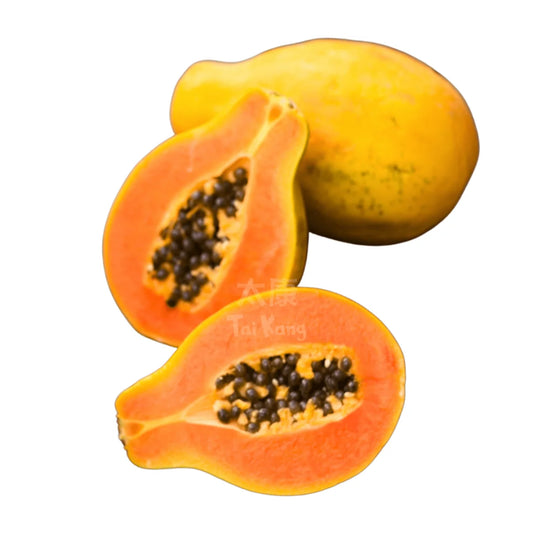
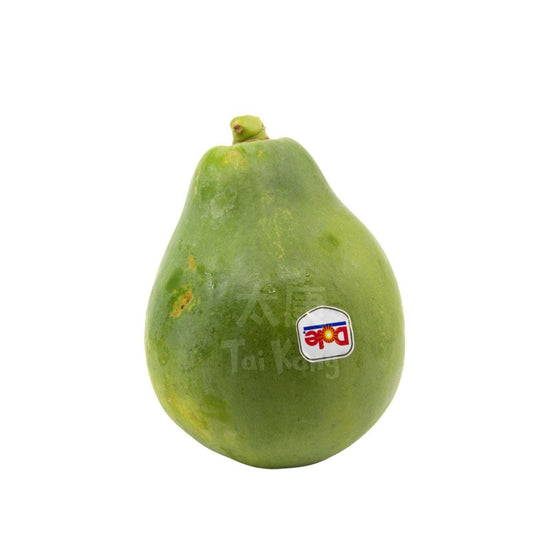
- Papaya: a yellow-orange fruit that fits Harvard Health’s color framework. See our notes on papaya health benefits.
- Dragon fruit: easy to slice and eat cold. Our guide to dragon fruit varieties in Singapore explains white and red flesh.
- Mango: sweet and rich in color. Our mango delivery guide covers varieties and ripeness.
For a wider overview, read our guide to tropical fruits in Singapore, and for a ranking by antioxidant content, see antioxidant-rich fruits ranked.
Eat by color to cover more compounds
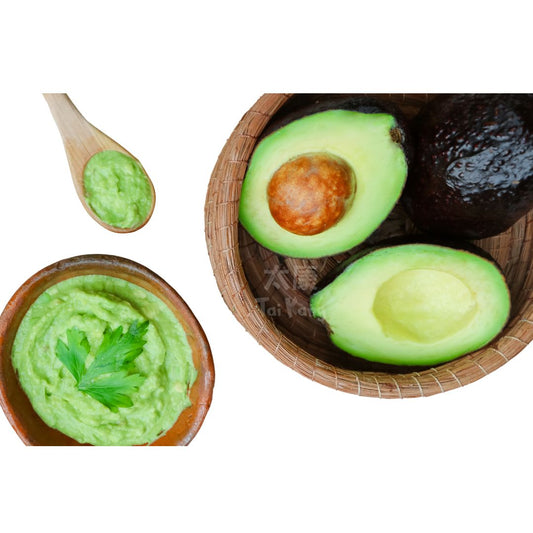
Harvard Health groups anti-inflammatory fruits by color: blue-purple (black currants, grapes), green (kiwi, avocado), white (bananas), yellow-orange (papaya, mango) and red (pomegranate, cranberries) (Harvard Health). The compounds behind those colors include flavonoids, anthocyanins, carotenoids and ellagitannins, along with vitamins C and E and fiber. A 2022 review says these substances can act independently or together, which is the case for variety over repetition (Majdan and Bobrowska-Korczak, 2022).

A simple habit follows: aim for several colors across the day. If you like the idea of eating three colors a day to build up plant variety across a week, fruit is the easiest place to start. A bowl with blueberries, kiwi and mango already covers three.
What the research actually shows
The evidence is encouraging, and it is worth understanding its shape.
A 2025 systematic review of 75 chronic dietary intervention trials found that fruits and vegetables reduced circulating cytokine levels, or increased anti-inflammatory cytokines, in 80% of the studies reviewed. The same review suggests the effect is greater when the participants already have health conditions or risk factors (Nutrients, 2025). It also points out that study designs and outcomes vary a great deal, so more standardized trials are needed.
On the wider diet, a 2024 review reports a modest inverse association between healthy dietary patterns high in fruit and vegetables and lower inflammation. Those patterns also include less red and processed meat, fewer sugary drinks and fewer refined grains (Devirgiliis et al., 2024).
A 2018 review notes that phytochemicals from fruits, vegetables and legumes show anti-inflammatory effects, while human study data are still limited (PubMed). In plain terms: fruit is a sound part of an anti-inflammatory diet, and the strongest case is for the whole eating pattern. If you live with arthritis, an autoimmune condition, diabetes or any other diagnosed condition, talk to your doctor or a registered dietitian before changing your diet around it.
How much fruit, and in what form
Singapore’s Health Promotion Board advises 2 servings of fruit a day for the general population, as part of its “2+2” goal of 2 servings of fruit and 2 of vegetables (HealthHub). The same page defines one serving as:
- 1 small apple, orange, pear or mango (130g)
- 1 wedge of papaya, pineapple or watermelon (130g)
- 10 grapes or longans (50g)
- 1 medium banana
- 1/4 cup of dried fruit (40g)
Fresh, frozen, dried or juiced
HealthHub lists fresh fruit and 1/4 cup of dried fruit as one serving each, and says frozen fruit and vegetables are just as nutritious as fresh produce (HealthHub). So frozen berries are a sensible way to keep blueberries on hand when fresh ones will not last. For juice, our piece on why whole fruit still wins over juice sets out sensible portions.
HealthHub’s tips for fitting fruit into the day are practical: add it to breakfast cereal, choose it as a snack, or swap dessert for fresh cut fruit.
If you are watching sugar or digestion
People managing blood sugar can still eat fruit by portioning it. Our guide to 15-gram fruit servings and low-sugar fruits shows how, and those with sensitive digestion may find our low FODMAP fruit guide useful. For a child or a person with a medical condition, ask your doctor or dietitian about the right amounts.
A simple anti-inflammatory fruit day
You do not need a special plan. Here is one way to reach two servings with color and variety:
- Breakfast: plain yogurt or oats topped with a handful of blueberries and strawberries.
- Snack: one kiwi, scooped with a spoon, or 10 grapes.
- Lunch or dessert: a wedge of papaya or a few slices of mango in place of a sweet dessert.
- Weekend: a pomelo to share, segment by segment, with family.
That adds up to several colors, mixes temperate and tropical fruit, and swaps added sugar for whole fruit. Zespri’s Singapore site also shares preparation ideas for kiwi, such as scooping, biting, peeling and slicing, plus recipes (Zespri Singapore).
Buying and storing fruit so it stays good
The benefit of fruit depends on eating it at its best. Three habits help:
- Buy by sight and smell. Firm, bright, fragrant citrus and plump, colorful berries are the targets HealthHub gives.
- Buy for the week, not the month. Soft berries go first, so eat them within a few days or freeze them. Keep sturdier fruit, such as citrus and apples, for later in the week.
- Choose a box that matches your servings. Two servings a day for each person adds up quickly. Our guide to choosing a fruit box size by servings helps you avoid buying too much or too little.
Our perspective
We hear the same question from customers every week: which fruit should I buy to eat better? Our answer is rarely one fruit. The research points to a pattern of eating more colorful fruit, more often, and the habit lasts only when the fruit is good and easy to get.
That is why we hand-inspect every fruit we send out and keep it in temperature-controlled storage until it is packed. A blueberry that arrives plump and a kiwi that arrives ready to ripen are the ones people finish, and the ones that become a daily routine.
For households, we suggest building a weekly box around three or four colors, and adding a berry or two for the days you want something special. For offices, a regular fruit delivery gives a team an easy alternative to the biscuit tin. Our bi-weekly subscription takes the weekly decision out of your hands, so the habit holds on busy weeks.
Tai Kang
Fresh fruit delivered across Singapore
If you would rather not carry heavy bags home, we deliver premium fresh fruit across Singapore. You can browse berries, citrus, tropical fruit, vegetables and healthy snacks on our online fruit store, or take the bi-weekly fruit subscription so a colorful mix arrives without reordering. We also offer free delivery on larger orders, and a rewards program for repeat customers.

For a ready-made option, the Fruitastic Basket works for a family table or a gift, and our corporate fruit delivery and gift boxes suit offices and events.
FAQ
What is the best fruit for inflammation?
No single fruit is the best. Berries, cherries, pomegranates, grapes, citrus and kiwi are the ones most often highlighted. A mix of colors across the week gives you a wider range of plant compounds than one favorite.
How much fruit should I eat a day in Singapore?
The Health Promotion Board advises 2 servings of fruit a day. One serving is, for example, a small apple, orange, pear or mango (130g), a medium banana, or 10 grapes or longans (50g).
Are frozen or dried fruits as good as fresh?
HealthHub says frozen fruit and vegetables are just as nutritious as fresh. Dried fruit counts too, but a serving is only 1/4 cup (40g). Frozen berries are a handy backup when fresh ones will not last.
Can fruit cure inflammation?
No. Research shows fruit and vegetables can lower markers of inflammation in many trials, but fruit is part of an overall healthy pattern, not a treatment. If you have a diagnosed condition, ask your doctor or dietitian how to adjust your diet.
Are tropical fruits anti-inflammatory too?
Many tropical fruits eaten in Southeast Asia have high antioxidant contents, according to a study of 38 fruits available in Singapore. Papaya, mango, dragon fruit and pomelo are good ways to add color and variety.
Sources
- Eat these fruits for their anti-inflammatory benefits, Harvard Health
- Foods that Fight Inflammation, Harvard Health
- Unraveling the Role of Foods on Chronic Anti- and Pro-Inflammatory Status, Nutrients 2025
- Effect of Fruit and Vegetable Consumption on Human Health, PMC
- Active Compounds in Fruits and Inflammation in the Body, PMC
- Antioxidant activity and profiles of common fruits in Singapore, Food Chemistry
- Anti-inflammatory effects of phytochemicals from fruits, vegetables and legumes, PubMed
- Harness the Goodness of Fruit and Vegetables, HealthHub
- Shopping for Fruits and Vegetables, HealthHub
- Constipation in Adults: Causes and Prevention, HealthHub
- Zespri Singapore