
Fruits for Gout: What to Eat, Limit and Skip
Most whole fruit can fit a gout-conscious diet. Cherries, berries, apples, peaches and cantaloupe are the safest places to start. The real trouble is concentrated fructose: fruit juice, sweetened drinks and sugary desserts. No fruit is a cure, and none will lower your uric acid overnight. This guide covers what the evidence says, which fruits to lean on, which to limit, and how to shop for them in Singapore.
TL;DR
- Whole fruit is generally encouraged for gout. Fruit juice and added sugar are the items to cut back on.
- Cherries have the most attention, but the evidence is mixed and no fruit lowers uric acid fast.
- Berries, apples, peaches and cantaloupe are named in Mayo Clinic’s gout diet guidance as good complex carbohydrates.
- Fruit does not replace gout medication. Take what your doctor prescribes and discuss diet changes with them.
- Buy ripe-but-firm whole fruit, watch portions, and drink water rather than juice.
Table of Contents
- Why fruit and gout have a complicated relationship
- The fruits worth building around
- Fruits and drinks to limit or skip
- Does any fruit lower uric acid fast?
- What about the “worst foods” for gout?
- How to eat fruit when you have gout: a simple routine
- Buying fruit for a gout-conscious household in Singapore
- Our view at Tai Kang
- FAQ
- Sources
Why fruit and gout have a complicated relationship
Gout flares when uric acid builds up in the blood and forms crystals in a joint. Purines in food are one source of uric acid. Fructose, the main sugar in fruit, is another: your body produces uric acid as it metabolizes fructose. Singapore’s Aaria Rheumatology & Medicine points to sugary foods and drinks, because fructose in processed items pushes the body to make more uric acid.
That is why people hear “fruit is sugar, so avoid it.” The research is less blunt. A 2019 review in Frontiers in Nutrition notes that fruit also contains vitamin C, epicatechin, flavonols, potassium and fibre, which may modify the effects of fructose and urate. It concludes that fresh fruit should not simply be treated as a source of fructose. A 2021 review of fruit components adds that polyphenols, vitamin C and fibre may inhibit xanthine oxidase or improve uric acid excretion, offsetting some of the fructose effect.
The Arthritis Foundation is cautious on this point. It says the effect of fructose in whole fresh fruit on gout is unclear, and it recommends limiting fresh fruit rather than banning it. A 2022 peer-reviewed review reaches a similar practical view: evidence on natural fruit is mixed, but it encourages natural fruit and recommends cutting refined sugar and fruit juice.
The takeaway: treat whole fruit and fruit juice as two different things.

The fruits worth building around
Cherries
Cherries are the fruit most often linked with gout. A 2019 systematic review found a positive correlation between tart cherry products and lower serum uric acid, supporting an association with fewer gout attacks. A 2021 review describes an observational study of 633 people with gout in which eating cherries over a two-day period was linked with a 35% lower risk of a flare.
Be honest about the limits, though. The same 2021 review says the evidence is insufficient for firm conclusions. It also reports that tart cherry juice cut serum urate by 19.2% in a small trial of 26 overweight or obese people without gout. A 28-day randomized trial of 50 people with gout, however, found no significant effect from cherry concentrate. A 2022 Sheffield Hallam University thesis goes further and says the support for cherries rests on observational work and studies without proper controls, calling for larger placebo-controlled trials.
So cherries are a reasonable, pleasant choice, not a treatment. If you want to see how a premium sweet cherry fits into a daily routine, our note on Rainier cherries and daily health benefits goes through it.
Berries, apples, peaches and cantaloupe
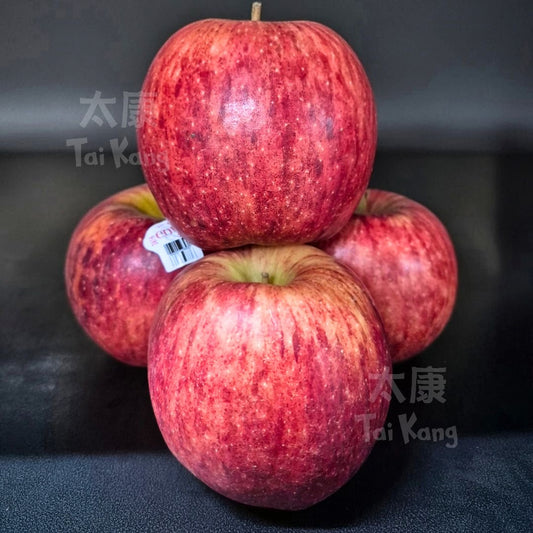
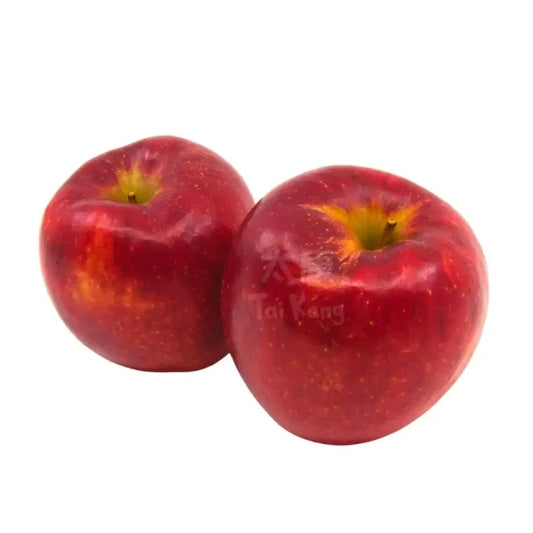
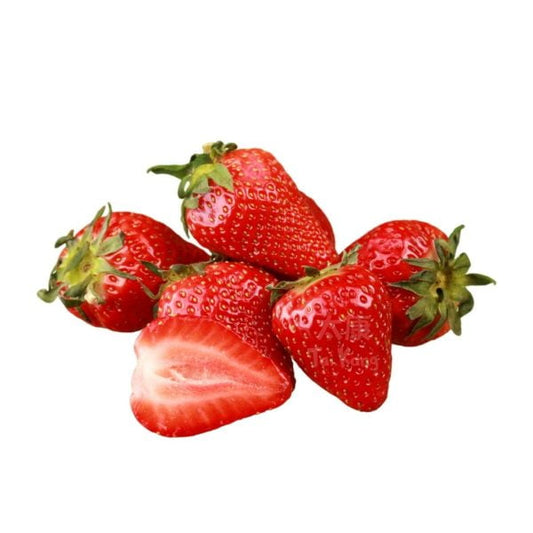
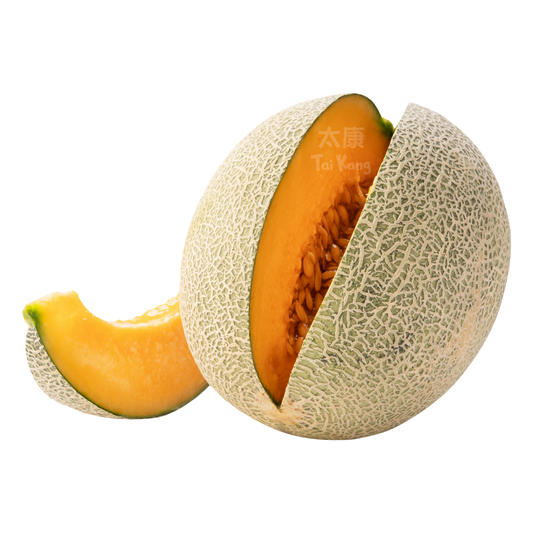
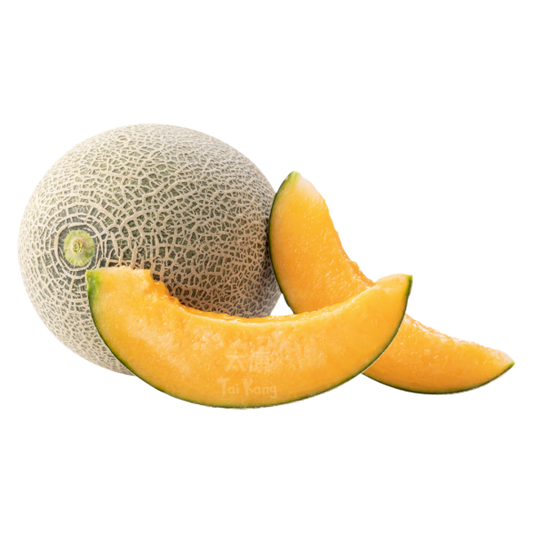
Mayo Clinic’s April 2025 gout-diet guidance recommends complex carbohydrates, naming berries, apples, peaches and cantaloupe. These are easy to portion, widely available in Singapore supermarkets and online, and none of them is a concentrated sugar source the way juice is.
The 2022 review also suggests leaning toward non-citrus fruit and less-ripe fruit, which have lower fructose. Our guide to low fructose fruits lays out what to eat and what to limit if that is your priority.
Citrus, kiwi and pineapple
Many popular gout pages recommend oranges, grapefruit, kiwi, strawberries and pineapple because of their vitamin C. Vitamin C is one of the fruit components the reviews above discuss as potentially helpful. But the review evidence on fruit as a whole is mixed, and the 2022 review leans toward non-citrus fruit for lower fructose. A fair reading: these fruits are not forbidden, and a serving of kiwi or a few strawberries is unlikely to be the problem. Just do not expect a vitamin C fruit to work as a uric acid remedy, and keep portions sensible. If you are also watching blood pressure, our article on what three kiwis a day can do may be relevant.
Fruits and drinks to limit or skip
Here the sources agree more than they do on whole fruit.
- Commercial fruit juice with added sugar. The Hong Kong Department of Health’s Centre for Health Protection states that patients should avoid sugar-sweetened drinks high in fructose, including commercial fruit juices with added sugars.
- Any fruit juice, even unsweetened. Mayo Clinic advises limiting fruit juices even without added sugar. The Arthritis Foundation flags 100% fruit juice as a possible concern, with cherry juice noted as an exception in studies.
- Sugary fruit cups, syrup-packed fruit and sweetened desserts. These behave more like added sugar than like fruit. Singapore’s Leong Keng Hong clinic recommends avoiding high-fructose and sugary foods and drinks to manage gout and prevent attacks.
- Very ripe, very sweet fruit in large amounts. Not banned, but a bowl of ripe mango or a whole pack of grapes in one sitting delivers a lot of fructose at once. Portion it.
If you drink juice for convenience, our piece on fruit versus fruit juice covers why whole fruit still wins and what a small serving looks like.
A quick reference
| Choice | How it fits a gout-conscious diet | Practical note |
|---|---|---|
| Cherries | Most studied, evidence mixed | Enjoy as a snack, not a treatment |
| Berries | Named in Mayo Clinic guidance | Fresh and easy to portion |
| Apples, peaches, cantaloupe | Named in Mayo Clinic guidance | Good everyday options |
| Kiwi, citrus, pineapple | Vitamin C sources, evidence not conclusive | Moderate portions |
| Very ripe sweet fruit | Higher fructose per serving | Smaller portions |
| Fruit juice, including unsweetened | Advised to limit | Choose whole fruit and water |
| Sweetened juice, fruit cups in syrup | Advised to avoid | Treat as added sugar |
Does any fruit lower uric acid fast?
No, and the best recent evidence is clear on this. A 2026 randomized crossover trial by Lamb and Lynn found that a single serving of tart cherry juice had no acute effect on serum uric acid, vascular function or inflammation markers. Any benefit from fruit, if it exists, comes from steady habits over weeks and months, as part of an overall pattern.
If you are in the middle of a painful flare, fruit is not the answer. See your doctor. The Hong Kong Department of Health says gout has no cure and recommends a balanced diet together with taking medication as prescribed by a doctor. If you are on uric-acid-lowering medicine, do not change or stop it because you have started eating more cherries.
What about the “worst foods” for gout?
Fruit is rarely the main culprit. The foods most often listed as worst are purine-rich items: organ meats, red meat, shellfish and beer or liquor, plus sodas and sweets made with high-fructose syrup. Fruit juice belongs near the sugary drinks. Whole fruit does not.
The broader pattern recommended by the Hong Kong Department of Health is a high intake of fruits, vegetables, nuts, legumes and low-fat dairy, with low intake of sodium, red and processed meats. Depending on your risk, some purine-rich vegetables and full-fat dairy may only need limiting rather than avoiding, according to the Leong Keng Hong clinic. Your doctor or dietitian can tell you where you sit.
How to eat fruit when you have gout: a simple routine
- Eat whole fruit, not juice. You get fibre and slower sugar absorption.
- Aim for variety in small servings. A handful of berries, a sliced apple, a few cherries. Spread fruit across the day instead of one huge portion.
- Choose firm-ripe over overripe. Less-ripe fruit tends to carry less fructose, as the 2022 review notes.
- Replace, do not add. Swap fruit for a sweet drink or dessert rather than eating both.
- Drink water. It is the default drink for a gout-conscious diet.
- Watch your own pattern. If a particular fruit seems to coincide with flares for you, note it and tell your doctor.
If you also manage blood sugar, the guides on portion-controlled fruit for diabetics and low sugar fruits and 15 gram servings help with portion sizing. Gout and diabetes often travel together, so this matters for many readers.
Buying fruit for a gout-conscious household in Singapore
Because the advice favors whole fruit that is firm-ripe and eaten fresh, quality and storage matter. Fruit that has sat warm for days ripens fast and gets sweeter and softer. Look for fruit that has been inspected and kept cold until it reaches you.
At Tai Kang Healthy Fruits, every product goes through quality inspection and is stored in temperature-controlled conditions, with home delivery across Singapore. For a cherry-led option, you can look at our “I cherry-ish you” fruit box. For everyday snacking, we also stock items such as USA Premium Red Plum and Sweet Globe seedless green grapes, which are best eaten in measured portions. Our vegetables collection is there if you are building the wider plate your doctor recommends.
If you would rather not reorder every week, our bi-weekly fruit delivery subscription runs over two months and brings a regular supply of fresh fruit to your door. We also have a rewards program for repeat customers, and free delivery on larger orders. You can browse everything from our online fruit shop.

Gifting for someone with gout
Fruit is a thoughtful gift for a parent or colleague managing gout, provided it is whole fruit and not juice or sweets. Choose a box built around cherries, berries or apples rather than a hamper heavy on sugary extras. Our fruit gift box buying guide explains how to choose a health-focused one, and we handle corporate gifting for teams too.
Our view at Tai Kang
We sell fruit, so you might expect us to say it fixes everything. It does not. What we tell customers who ask about gout is simple. Whole fruit has a place in your diet, juice is the thing to watch, and no single fruit is a remedy. We would rather you eat a modest portion of fresh, properly stored fruit that you enjoy than chase a miracle cherry.
We also think freshness is part of the answer. Fruit that is inspected, kept at the right temperature and delivered quickly arrives firm and flavorful, which makes it easier to eat a small portion and feel satisfied instead of reaching for something sweet and processed. Your doctor sets the medical plan. We help with the fruit bowl.
— Tai Kang
FAQ
Which fruit is good for gout?
Cherries get the most attention, and Mayo Clinic names berries, apples, peaches and cantaloupe as good choices. Evidence for any single fruit is mixed, so think of them as part of a balanced diet rather than a treatment. Check with your doctor if you take gout medication.
What fruits should I avoid with gout?
No whole fruit is strictly off-limits in the sources we reviewed, but fruit juice, sweetened juice and fruit in syrup are the main items to cut. Very sweet, very ripe fruit is worth eating in smaller portions. Health bodies advise limiting even unsweetened juice.
Does fruit raise uric acid?
Fructose can raise uric acid, but a 2022 review notes that fruit intake was not associated with gout incidence, and fruit nutrients may offset some of the effect. Concentrated fructose from juice and sugary drinks is the larger concern.
Which fruit reduces uric acid fast?
None. A 2026 trial found that a single serving of tart cherry juice had no acute effect on uric acid. If you are in a flare, contact your doctor rather than relying on food.
Is cherry juice better than fresh cherries for gout?
Cherry juice is the exception that some guidance mentions, but the evidence is limited and results are mixed. Whole cherries give you fibre along with the fruit, and there is no need to treat juice as a requirement.
Sources
- Effectiveness of Cherries in Reducing Uric Acid and Gout (2019 systematic review)
- The effects of fruit consumption in patients with gout (2019)
- A review on the fruit components affecting uric acid level (2021)
- The Interaction Between Dietary Fructose and Gut Microbiota (2022)
- Role of Diet in Hyperuricemia and Gout (2021)
- Tart cherry juice has no acute effects on uric acid (2026)
- Sheffield Hallam University thesis on dietary recommendations (2022)
- Hong Kong Centre for Health Protection, Non-Communicable Diseases Watch, April 2019
- Mayo Clinic: Gout diet
- Arthritis Foundation: Foods to Avoid and Eat for Gout
- Aaria Rheumatology & Medicine: Gout-Friendly Eating
- Leong Keng Hong: Food to Eat and Avoid if You Have Gout