
Fruits for Acid Reflux: What to Eat, What to Skip
If you get heartburn, start with bananas, melons, apples, pears and papaya, and go easy on oranges, lemons, limes, grapefruit and tomatoes. That is the pattern most medical guidance agrees on. The catch is that reflux triggers differ from person to person, so a fruit list is a starting point, not a verdict. This guide gives you the list, the reasoning, and a simple way to find out what your own body tolerates.
TL;DR
- Lower-acid, non-citrus fruits are the usual first picks: bananas, melons, apples, pears, papaya and ripe peaches.
- Oranges, lemons, limes, grapefruit and tomatoes are the main fruit triggers to limit. Pineapple bothers some people too.
- There is no one-size-fits-all GERD diet. A food diary beats cutting out everything.
- How you eat matters as much as what you eat: smaller portions, and no lying down for a few hours afterwards.
- Frequent or persistent heartburn needs a doctor, not just a fruit swap.
Table of Contents
- Why fruit matters for reflux at all
- Fruits that are usually gentle on reflux
- Fruits that often trigger heartburn
- Your list will not match anyone else’s
- How you eat fruit matters as much as which fruit
- Fruit in a Singapore routine
- Our perspective: reflux-friendly does not mean boring
- Getting gentle fruit delivered
- When fruit swaps are not enough
- FAQ
- Sources
Why fruit matters for reflux at all
Reflux happens when stomach acid flows back up into the esophagus. Some foods are acidic enough to irritate an esophagus that is already inflamed. Others may relax the valve between the stomach and esophagus, or slow down how fast the stomach empties. Fruit is not the main culprit in most people’s diets (fatty, fried and spicy foods get more blame), but it is where many people get confused, because “healthy” and “safe for reflux” are not the same thing.
The encouraging part: fruit is generally good for you here. A 2017 study in the Journal of Research in Medical Sciences, as reported by Everyday Health, found that people with the highest fruit intake had a 25% lower risk of GERD, and 33% lower with fruit and vegetables combined. That is an association, not a promise, but it is a good reason not to drop fruit altogether just because a few types bother you.
Fruits that are usually gentle on reflux
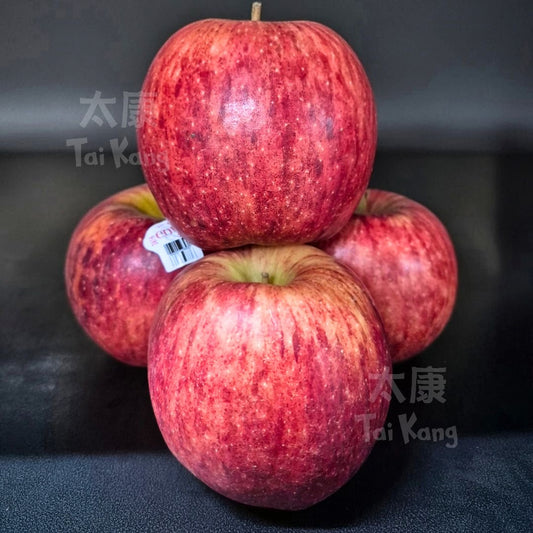
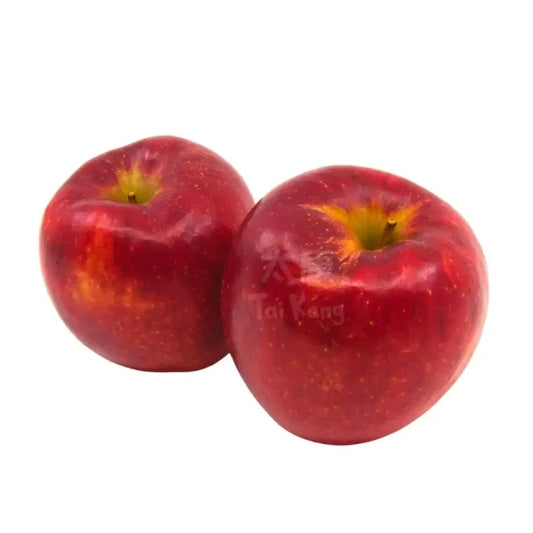
Johns Hopkins Medicine lists bananas, melons (watermelon, cantaloupe, honeydew), apples, pears, papaya and peaches among the fruits that are less likely to set off symptoms. A Singapore surgeon’s guidance on the best and worst foods for acid reflux points to the same group, noting that red, peeled apples are generally well tolerated.
| Fruit | Why people reach for it | Practical note |
|---|---|---|
| Banana | Low in acid, soft and easy to digest | Ripe ones tend to sit better than very green ones |
| Honeydew, cantaloupe, watermelon | Low acid, high water content | Keep portions modest; a huge bowl late at night is still a big meal |
| Apple | Mild, widely tolerated, especially red and peeled | Stewing can help during a flare-up (see below) |
| Pear | Gentle and sweet | Ripe, soft pears are easier than crunchy ones |
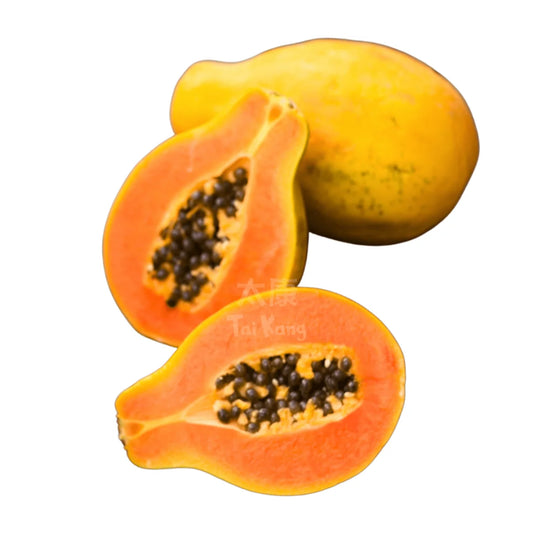
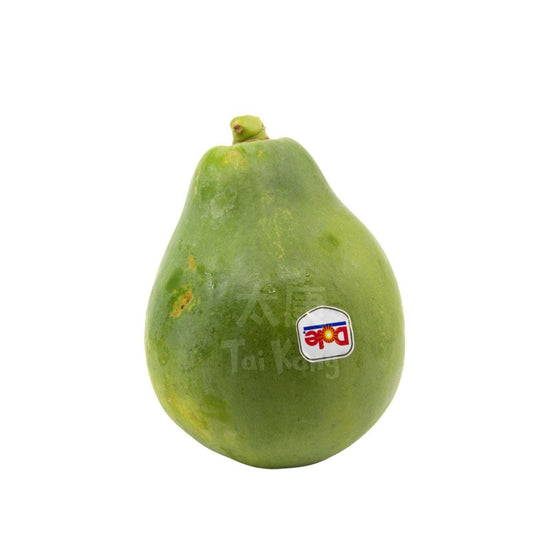
| Papaya | Soft texture, low acid | Choose fully ripe fruit |
| Ripe peach | Low acid when ripe | Underripe peaches taste sharper and may bother some people |
Why water content and ripeness come up so often
Experts tend to favor non-citrus, alkaline, high-water fruits. Melons are the clearest example. If you want to see how the water content of common fruits compares, our guide to hydrating fruits by water percentage lays it out.
Ripeness is a practical, unglamorous factor. A sour, underripe fruit is usually more acidic on the tongue than the same fruit ripe. If a fruit that normally suits you causes trouble, check whether it was picked early. This is why we hand-inspect what we send out and keep it in temperature-controlled storage: you want fruit at a sensible stage of ripeness, not rock-hard or overripe.
Cooked fruit during a flare-up
Raw fruit is the default advice, but when symptoms are active, cooked fruit can be kinder. A patient handout from St. Joseph’s notes that stewing fruit such as apples and pears can make them easier to digest, as cooking begins breaking down the fiber. A few slices of apple gently simmered in water, with no sugar and no lemon juice, is a reasonable test.

Fruits that often trigger heartburn
Harvard Health names oranges, lemons, limes, grapefruit and tomatoes as foods that commonly trigger reflux. Summit Health adds that even a small glass of orange juice can trigger symptoms in some people.
- Citrus: oranges, mandarins, lemons, limes, grapefruit, and the juices made from them.
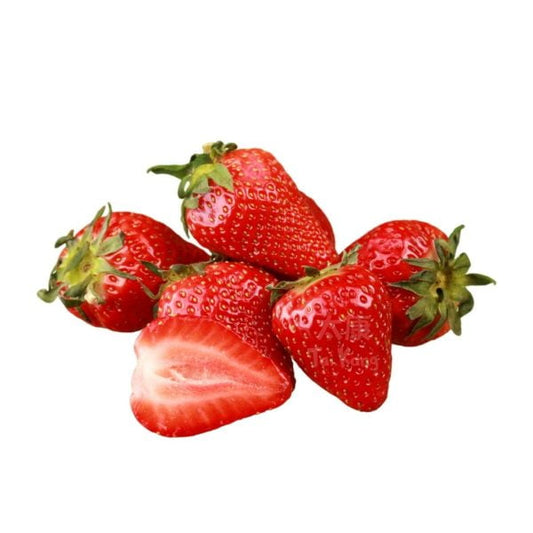
- Tomatoes: botanically a fruit, and a classic trigger in sauces, soups and ketchup.
- Pineapple: Children’s Hospital of Philadelphia says pineapple can be problematic for some people because of its acidity. Singapore clinic guidance lists it alongside citrus too.
Notice the wording: “some people”, “can”. Plenty of people with reflux eat an orange without trouble. Others cannot touch one. Which brings us to the most useful idea in this whole article.
Your list will not match anyone else’s
Mass General Brigham is direct about this: trigger foods vary significantly from person to person, and its experts suggest using a food diary to find yours rather than eliminating everything that might be a problem. Over-restricting can leave you short on nutrients, and fruit is a big part of daily nutrition.
A two-week fruit diary that actually works
- Start with a calm baseline. For the first few days, eat only fruits from the gentle list: banana, melon, pear, papaya, red apple.
- Write down three things: what you ate, how much, and the time. Add any symptoms and when they appeared.
- Add one new fruit at a time. Try a small portion, such as half a cup of pineapple, and wait a day or two before changing anything else.
- Keep other variables steady. If you test kiwi on the same night as a spicy curry and a coffee, you will learn nothing.
- Retest before you ban. If one fruit seems to cause trouble, try it again another day, in a smaller portion and not on an empty stomach. One bad night may have another cause.
This same method works for gut complaints generally. If you are also dealing with bloating, our piece on low FODMAP fruits covers a separate but sometimes overlapping set of triggers, and our guide to fruits for gut health includes a two-week trial format.
How you eat fruit matters as much as which fruit
Banner Health points out that picking the right fruit helps, but portion size and the physical act of eating are just as critical: smaller meals, and not lying down for at least 2 to 3 hours after eating. The St. Joseph’s handout goes a little further and suggests avoiding eating and drinking for at least 3 hours before going to bed.
In practice:
- Skip the late-night fruit platter. Even a gentle melon is a poor bedtime snack if you are prone to reflux.
- Spread fruit through the day in small servings rather than one big bowl. A Singapore surgeon’s advice notes that snacking on low-acid fruit through the day can help avoid long hunger gaps that can worsen symptoms.
- Eat it with something. If raw fruit alone bothers you on an empty stomach, pair it with a plain, low-fat food such as oatmeal or low-fat yogurt. The Harvard Health piece also warns that fatty and fried foods linger longer in the stomach, so keep the pairing light.
- Chew thoroughly and sit upright. Eating on the sofa, slouched, adds pressure to the stomach.
Whole fruit or juice?
For reflux, juice is often the riskier format. Citrus juice is an obvious trigger, but even non-citrus juice delivers a lot of fruit in a fast, concentrated hit with the fiber removed. Singapore’s own healthy eating guidance, as summarized by ActiveSG Circle, recommends the “2+2” pattern of two servings of vegetables and two of fruit daily, and stresses whole fruit rather than juice for fiber. Our article on fruit versus fruit juice goes through the serving sizes for Singapore.

A similar point applies to fruit bowls and smoothies from cafes. These can be a gentle option if built on a low-acid base, but sweetened bases and citrus toppings can change that. When you order a bowl, it helps to ask for an unsweetened base, as this guide to açaí bowl portions and unsweetened bases explains.
Fruit in a Singapore routine
Singapore’s food scene is built around things that complicate reflux. A Singapore acid reflux clinic lists laksa, char kway teow, prata, curry puffs, teh tarik and bubble tea among local foods to avoid with GERD. Fruit is one of the easiest ways to rebalance a day full of rich hawker meals.
A few simple ideas:
- Breakfast: sliced banana over plain oatmeal, instead of orange juice with toast.
- Mid-morning: a few cubes of honeydew or cantaloupe at your desk.
- After lunch: a small ripe pear or a few slices of red apple, rather than a fizzy drink.
- Evening: papaya as a light dessert, finished at least a few hours before bed.
Fiber helps digestion more broadly, and if you are not sure whether you are getting enough, see our list of high fiber fruits available in Singapore. If you are managing blood sugar as well as reflux, our guide to low sugar fruit servings will help you pick within the same list.
Our perspective: reflux-friendly does not mean boring
People with reflux often tell themselves they must live on bananas and plain toast. We think that is the wrong takeaway. Most of the fruits that tend to sit well, such as melon, pear, papaya, apple and banana, are pleasant and varied, and a week of them does not need to feel like a punishment.
What we see as a fruit seller is that freshness and ripeness shape the experience as much as the fruit name. That is why every item we ship is hand-inspected and kept in temperature-controlled storage before it reaches your door anywhere in Singapore. We cannot tell you which fruits suit your stomach, because nobody can without testing, and we would not claim our fruit treats reflux. What we can do is give you a reliable supply of gentle, ripe fruit so your two-week diary is not muddied by a sour, underripe batch.
Our advice is simple: keep the fruit, find your own triggers, and see a doctor if symptoms persist.
— Tai Kang
Getting gentle fruit delivered
If you are building a reflux-friendly routine, a steady supply of ripe melon, pear, apple, banana and papaya makes it easier to stick with. You can browse our fresh fruit range and order online for delivery across Singapore. We offer free delivery on larger orders, and a rewards program for repeat customers.
If you would rather not reorder each week, our bi-weekly fruit delivery plan runs as a two-month subscription. Gifting fruit to a relative who is watching their diet? A basket such as the Fruitastic Basket is one of our best sellers, though check the contents against your recipient’s triggers first. Pair your fruit with our vegetables for the full “2+2” day.

When fruit swaps are not enough
Food changes are one part of managing reflux. The US National Institutes of Health notes that doctors may recommend lifestyle changes, medicines, surgery, or a combination, and lifestyle changes can include losing weight if you are overweight and raising the head of your bed with a foam wedge.
See a doctor if:
- heartburn happens more than twice a week, or keeps returning despite diet changes;
- you have trouble or pain swallowing, or food feels stuck;
- you vomit repeatedly, lose weight without trying, or notice black stools;
- chest pain is severe or comes with shortness of breath or pain spreading to the arm or jaw. Treat that as an emergency, as it can be a heart problem rather than reflux.
In Singapore, a GP is the usual first stop, and they can refer you to a gastroenterologist if needed. Do not start or stop reflux medication because of a fruit list.
FAQ
What is the best fruit for acid reflux?
Bananas and melons are the most commonly recommended starting points, followed by apples, pears, papaya and ripe peaches. They are low in acid and generally gentle on the digestive tract. Even so, the best fruit is the one that does not cause symptoms for you, which is why a food diary helps.
Is orange juice bad for acid reflux?
For many people, yes. Oranges and other citrus fruits are acidic, and sources such as Summit Health note that even a small glass of orange juice can trigger symptoms. Some people tolerate it in small amounts with a meal, but if you get heartburn, it is among the first things to test removing.
Are bananas really a natural antacid?
Bananas are low in acid and easy to digest, which is why they are so widely recommended. Calling them an antacid overstates it, though, and they will not treat reflux on their own. Think of them as a gentle choice, not a remedy.
Can I eat pineapple or tomatoes if I have GERD?
Possibly, in small amounts, but they are common triggers. Pineapple and tomatoes are acidic, and many reflux diets list them as foods to test individually. Add them back one at a time after your symptoms settle, and stop if they bring heartburn back.
Sources
- Johns Hopkins Medicine: GERD diet, foods that help with acid reflux
- Harvard Health: GERD diet, foods to avoid
- Everyday Health: fruits and vegetables that are safe with GERD
- Mass General Brigham: the GERD diet
- Summit Health: GERD foods to avoid
- Children’s Hospital of Philadelphia: food therapy for reflux
- St. Joseph’s patient handout: ways to help heartburn from reflux
- Banner Health: holiday GERD
- ActiveSG Circle: what is good nutrition
- Dr Shanker: the best and worst foods for acid reflux
- Acid Reflux Singapore: GERD foods to avoid
- NIH: Gastroesophageal reflux disease
- Açaí bowl benefits and unsweetened base guide