
Low Fructose Fruits: What to Eat, What to Limit
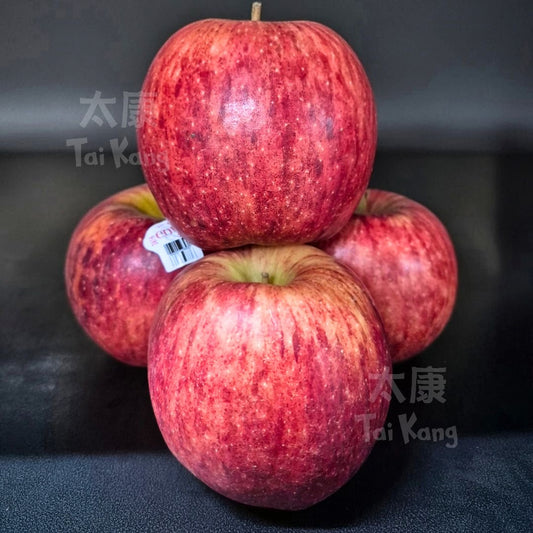
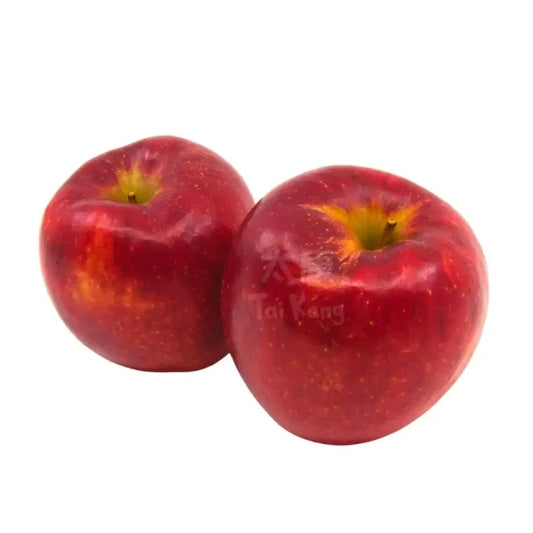
The fruits lowest in fructose are limes, lemons, cranberries, passion fruit, avocado and most berries, with kiwi, clementines and citrus close behind. The fruits most likely to cause trouble are apples, pears, mangoes, watermelon and grapes. This guide gives you a working list with portion sizes, explains why the ranking is not the whole story, and shows how to find your own threshold without cutting out fruit for good.
TL;DR
- Lowest in fructose: lime, lemon, cranberry, passion fruit, avocado, raspberry, strawberry, blackberry and kiwi.
- Highest in fructose: apples, pears, mangoes, watermelon and grapes, plus dried fruit and juice.
- Portion size and the glucose in a fruit matter as much as the fruit’s name, so one small serving at a time is a sensible test.
- If symptoms are frequent, see a doctor or registered dietitian before you cut foods out. Fructose malabsorption and hereditary fructose intolerance are very different conditions.
- Whole fresh fruit stays the better choice over juice or dried fruit for most people, including those watching fructose.
Table of Contents
- First, what are you actually managing?
- Low fructose fruits: a working list
- Fruits to limit or portion carefully
- Why the fruit name is only half the story
- How to test your own tolerance
- Portions: how much fruit is enough?
- Fresh whole fruit beats processed fruit products
- A practical week of low fructose fruit
- Our perspective
- Order fresh fruit for your plan
- Related reading for specific goals
- FAQ
- Sources
First, what are you actually managing?
“Fructose intolerance” covers two very different situations, and the right advice depends on which one applies to you.
Fructose malabsorption is a functional problem. Some free fructose is not fully absorbed in the small intestine and travels on to the colon, where it triggers bloating, gas and diarrhea. It is common in people with irritable bowel syndrome and is usually manageable with portion and food choices rather than lifelong avoidance.
Hereditary fructose intolerance (HFI) is rare and genetic. The liver lacks the enzymes to process fructose, and the same gastroenterology information sheet describes it as a serious condition requiring lifelong avoidance. It is diagnosed by a doctor, not by trial and error at home.
This article is about the first situation, and about anyone who simply wants to lower their fructose load. If you suspect HFI, or you have had persistent diarrhea, weight loss or blood in your stools, see a doctor first. A gastroenterology clinic in Singapore will usually begin with a detailed review of your symptoms, timing and diet before suggesting any elimination.
Low fructose fruits: a working list
Numbers below are grams of fructose per typical serving, taken from a fruit fructose chart and cross-checked against the lowest-fructose ranking on MyFoodData. Values vary by variety, ripeness and how a database measures them, so read them as a guide, not a lab result.
| Fruit | Typical serving | Approx. fructose |
|---|---|---|
| Lime | 1 medium | 0 g |
| Lemon | 1 medium | 0.6 g |
| Cranberries | 1 cup | 0.7 g |
| Passion fruit | 1 medium | 0.9 g |
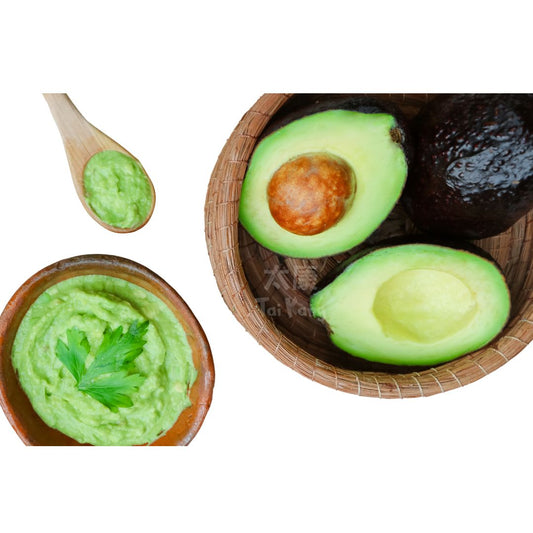
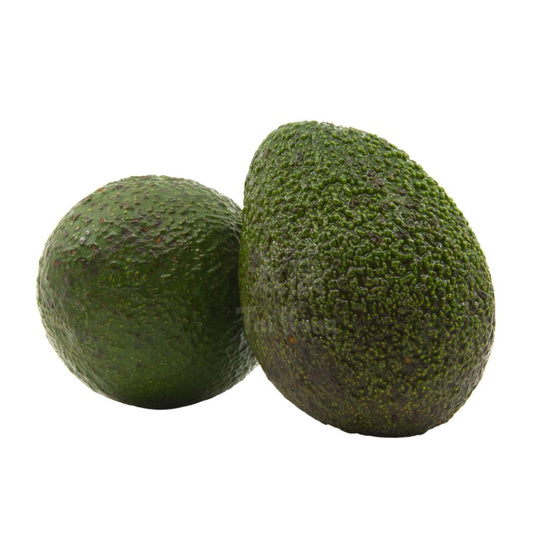
| Avocado | about 1 cup pureed | roughly 0.2 g |
| Apricot | 1 medium | 1.3 g |
| Raspberries | 1 cup | about 3 g |
| Clementine | 1 medium | 3.4 g |
| Kiwi | 1 medium | 3.4 g |
| Blackberries | 1 cup | 3.5 g |
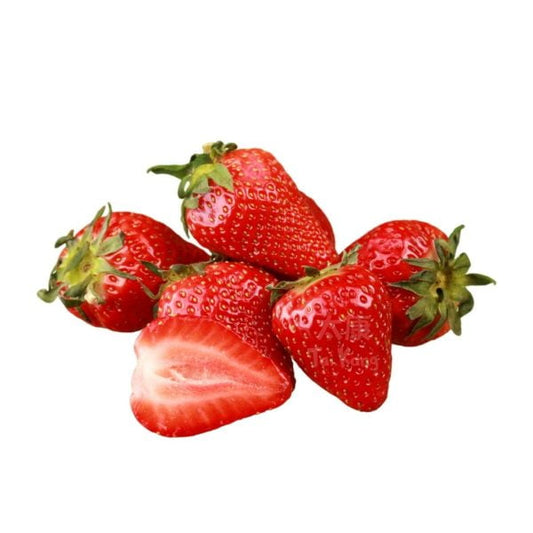
| Strawberries | 1 cup | 3.8 g |
A few notes on reading this table.
- Avocado and lime are close to zero, which is why they top most lowest-fructose rankings. Avocado is technically a fruit, and it works well in savory dishes.
- Berries are the dependable everyday choice. Strawberries, blueberries and raspberries sit near the bottom of the fructose ranking for fresh fruit, and they carry fiber too.
- Kiwi and citrus are moderate, but a single piece is usually well tolerated. Dietitians quoted in press coverage often name kiwi, grapefruit and honeydew among the gentler options, though lists differ between sources.
- Bananas are often listed as tolerable, especially when just ripe rather than very ripe, because their glucose content is relatively favorable. Individual responses vary.
Fruits to limit or portion carefully
The fruits that most often cause symptoms are those with more free fructose than glucose. A gastroenterology information sheet names apples, pears, mangoes and watermelon as common triggers, and quotes figures of roughly 5.9 to 12.5 g of fructose per cup of apple, 6.2 to 9.5 g for pear and up to 12.3 g for grapes, depending on variety and serving.

That is three to ten times the load of a cup of cranberries. It does not mean these fruits are “bad”. It means a whole apple, a full bowl of grapes or a large wedge of watermelon is a heavy dose if your gut struggles with fructose.
Dried fruit deserves its own warning. Drying concentrates sugars into a small volume, which makes it easy to eat a large fructose load in a handful. We cover this in more detail in our piece on dried versus fresh fruit choices. Fruit juice has the same issue plus the loss of fiber.
Why the fruit name is only half the story
The glucose factor
Fructose is absorbed more easily when it arrives alongside an equal or greater amount of glucose, which acts as a carrier across the intestinal wall. So a fruit with a lot of fructose but plenty of glucose can be tolerated better than the raw number suggests, and a fruit with modest total sugar but a lopsided ratio can still cause trouble. This is also why two people with the same diagnosis can disagree about a pear.
Total load across the day
Symptoms depend on how much fructose reaches your gut at once. A few strawberries with breakfast and a kiwi in the afternoon is a very different load from two large mangoes at one sitting. Spreading small servings through the day is usually gentler than one large fruit meal.
Other sources count too
Honey, agave syrup, fruit juice, sweetened drinks and foods made with high-fructose corn syrup all add to the total. Mayo Clinic notes that fructose occurs naturally in fruit, fruit juices, some vegetables and honey, and that table sugar also contains it. If you are reducing fructose, the bottle of “healthy” cold-pressed juice may matter more than the apple.
How to test your own tolerance
Strict elimination is not meant to be permanent. The research behind the low FODMAP approach shows that only about 40% of patients keep good adherence to a strict version over the long term, and practitioners increasingly favor targeting only your personal triggers. The structure that dietitians use looks like this:
- See a professional first. A doctor can separate transient malabsorption, IBS and rarer genetic conditions. Self-diagnosed elimination diets often lead to unnecessary restriction and nutritional gaps, according to the dietitian view behind that guidance.
- Restrict briefly. A short phase, typically around 6 to 8 weeks, under the supervision of a registered dietitian, to calm symptoms.
- Reintroduce one fruit at a time. Add a small portion of a single fruit, wait a day or two, and note any bloating, gas or loose stools.
- Raise the portion slowly until you find the point where symptoms start. That is your threshold for that fruit.
- Keep a simple log. Fruit, portion, time and symptoms. Patterns appear within a couple of weeks.
The low FODMAP diet is not a “no FODMAP” diet, and it needs expert guidance. Some of these carbohydrates feed beneficial gut bacteria, so the goal is the widest diet you can comfortably eat, not the narrowest.
One gastroenterologist’s framing is useful here: treat this as dietary manipulation toward a symptom-free threshold, not a state of permanent deprivation. Removing every trace of fructose is neither practical nor necessary.
Portions: how much fruit is enough?
Eating less fructose should not mean eating no fruit. Singapore’s Health Promotion Board recommends 1 to 2 servings of fruit a day for children and most adults, and it favors whole fruit over juice or dried fruit because juice lacks the fiber. Its examples of one serving include one small apple, pear, orange or mango, one medium banana, or 10 grapes.
If you are sensitive, those standard servings are your ceiling, not your target. Half a serving of a higher-fructose fruit, paired with a low-fructose one, is a sensible start. A bowl of strawberries and kiwi covers your servings with a far lighter fructose load than a mango.

For the juice question specifically, our article on fruit versus fruit juice explains why whole fruit still wins. If you miss a fruity drink, an unsweetened herbal infusion such as hibiscus berry tea gives flavor without the fruit sugar load of juice.
Fresh whole fruit beats processed fruit products
When you cut back on fructose, the temptation is to switch to packaged “low sugar” snacks, fruit bars and flavored drinks. Many of these contain concentrates, sweeteners or added syrups that bring the fructose back in. Fresh whole fruit is the simplest option: the label is one word, and the fiber is intact. The same principle applies to prepared food, and this piece on why fresh prepared food matters makes a similar case for unprocessed ingredients.
If you are also managing blood sugar, our guide to low sugar fruits and 15 gram servings overlaps with this list but is built around a different measure. Low sugar and low fructose are not identical, so check both if you have both concerns.
A practical week of low fructose fruit
Here is how the list translates into a shopping basket for one person. Adjust to your own tolerance.
- Breakfast: a handful of raspberries or strawberries on plain yogurt or oats.
- Mid-morning: one kiwi or one clementine.
- Lunch: sliced avocado in a salad or on wholemeal toast, with a squeeze of lime.
- Afternoon: a few blackberries, or a small ripe banana if you tolerate it.
- Dinner: lemon or lime over fish or vegetables, and passion fruit pulp over a simple dessert.
Buy small amounts and eat them while fresh. Berries and avocado do not keep long, and overripe fruit tastes sweeter and behaves differently. Ripening changes the sugar balance in some fruits, and many people find very ripe bananas harder to tolerate than just-ripe ones.
Our perspective
We get this question often from customers who love fruit and have been told to cut back. Our view is that nobody should have to give up fruit because the advice was too blunt. What helps most is knowing the few fruits that rarely cause trouble, learning your own limits on the rest, and buying fruit in amounts you will actually finish while it is at its best.
For us that means hand-inspecting produce and keeping it in temperature-controlled storage, so what reaches your door is fresh and in good condition. Fresh, whole fruit is also where we would steer anyone away from juice and dried snacks. Our range changes with the season and the growers we work with, so check the shop for what is in stock now. We are a fruit retailer, not a medical service, so for persistent symptoms, talk to your doctor or dietitian first, then let us help you shop to the plan they give you.
— Tai Kang
Order fresh fruit for your plan
If you want a steady supply without weekly shopping trips, our bi-weekly fruit delivery subscription runs over two months and brings fruit to your home in Singapore. For one-off orders, browse the fruit selection on our shop or add fresh greens from our vegetables collection, which suit a lower-fructose way of eating. Gifting fruit to a relative with a sensitive gut? Our gift boxes and corporate orders can be arranged on the same site.

A note on higher-fructose items we stock: pears and grapes, such as our fragrant pear and sweet globe green grapes, are popular and delicious, and many people with mild sensitivity enjoy them in small portions. If you are unsure of your threshold, start with a few slices or a few grapes rather than a full serving.
Related reading for specific goals
Different goals pull fruit choices in different directions, so a few of our other guides may help:
- Digestive comfort: fruits for gut health and a two-week trial.
- Slow digestion: the best fruits for constipation, though note that some of those fruits are higher in fructose or sorbitol, so read them alongside this list.
- Fiber targets: high fiber fruits available in Singapore.
- Training days: fruits for athletes.
FAQ
Which fruit has the least fructose?
Limes and lemons are lowest, with essentially none to under 1 g per fruit. Among fruits you would eat as a snack, cranberries, passion fruit and avocado are very low, followed by berries. Rankings differ slightly between databases because of variety and serving size.
Which fruits are highest in fructose?
Apples, pears, mangoes, watermelon and grapes are the usual suspects, along with dried fruit and fruit juice. Some of these can contain several times the fructose of a cup of berries. Smaller portions or pairing them with low-fructose fruit may help if you are sensitive.
Can I eat fruit if I have fructose malabsorption?
Usually yes, in the right portions. Most people with malabsorption do not need to avoid fruit completely, and the aim is to find your personal threshold through gradual reintroduction. A registered dietitian can guide this, and it is the safer route than cutting foods on your own.
Is fructose intolerance the same as hereditary fructose intolerance?
No. Malabsorption is a functional digestive issue that often causes bloating, gas and diarrhea. Hereditary fructose intolerance is a rare genetic condition that needs lifelong avoidance and medical diagnosis. If you suspect it, see a doctor rather than experimenting.
Sources
- Fructose malabsorption information sheet (Timaru Gastroenterology, 2019)
- Carbohydrate Maldigestion and Intolerance (PMC)
- Fruits Lowest in Fructose (MyFoodData)
- Fruit and fructose chart (NoFructose)
- Fructose intolerance: which foods to avoid? (Mayo Clinic)
- The Low FODMAP Diet Approach (About IBS)
- What is good nutrition and why is it important? (ActiveSG Circle)
- Early Childhood Nutrition: Food Guide for Your One-Year-Old (HealthHub)
- Fructose Intolerance in Singapore (Andrea Digestive Clinic)