
Picnic Fruit Ideas: Packable Premium Picks, No Forks Needed
Pack mostly durable, travel-friendly fruits like apples and grapes, then add one or two showpieces for flair. That mix keeps your basket stable in the heat and your spread interesting on the blanket. Below you will find fruit picks by role, serving ideas, packing and food-safety tips, a prep timeline, and a shopping checklist.
TL;DR:
- Keep apples and oranges whole, pack washed, dried grapes in a sealed container on top of heavier items, and protect delicate fruit in rigid containers.
- Cut melon and pineapple the night before, seal and refrigerate them, then keep the cooler closed and return leftovers to the cooler promptly.
- Leave bananas, peaches, and nectarines whole in a rigid container until serving, since loose packing leaves them vulnerable to bruising.
- Keep cut fruit chilled and out of the sun; if it sits warm for a long stretch, discard it rather than risk serving it.
- The suggested basket includes six apples or oranges, one large bunch of grapes, one pack of strawberries, and one dragon fruit; adjust for group size.
Table of Contents
- 1. Which fruits should you pack for a picnic?
- 2. What are the easiest ways to serve fruit at a picnic?
- 3. How do you pack and chill picnic fruit safely?
- 4. What should you prepare the night before and on the day?
- 5. How much fruit do you need, and what should you buy?
- 6. How can you build fruit into a themed picnic menu?
- 7. Why we recommend premium, temperature-controlled fruit for picnics
- 8. Make picnic planning easier with Tai Kang Healthy Fruits
- FAQ
- Sources
1. Which fruits should you pack for a picnic?
Think in roles. A good picnic basket holds a few sturdy workhorses, a couple of no-utensil snackers, and one or two fruits that make people say “wow.” Tufts guidance points to hard fruits that resist bruising as the most reliable travelers: whole apples, oranges, grapes, and strawberries. Here are our picks, grouped by what each does best.
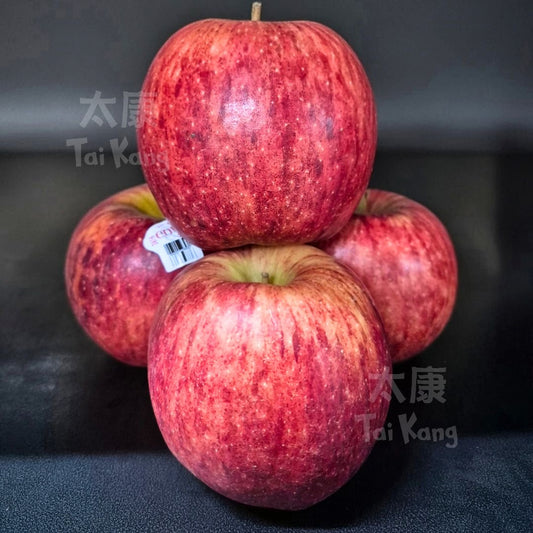
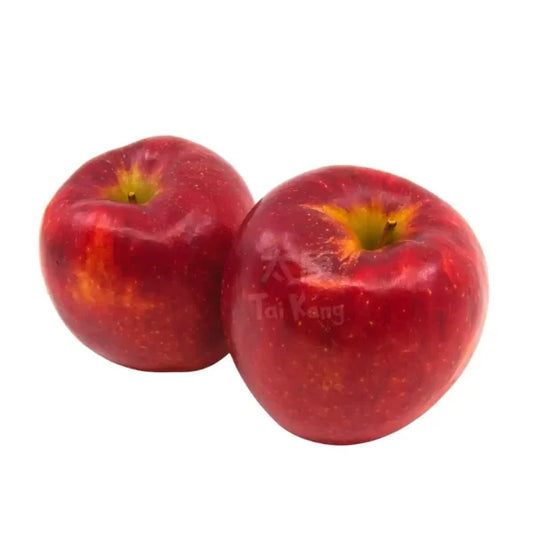
- Apples: Best for kids and long days. Very durable, so keep them whole and slice on site only if you must.
- Oranges: Best for hot weather. The peel is built-in packaging, so pack them whole and chilled.
- Grapes: Best for grab-and-go snacking. Wash, dry, and pack them in a sealed container on top of heavier items.
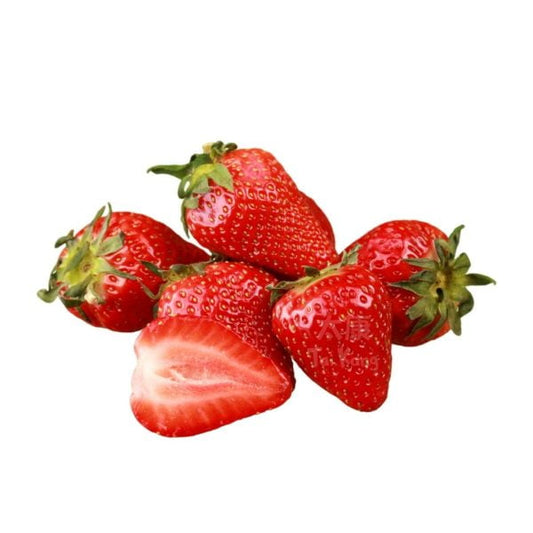
- Strawberries: Best for color and sweetness. Leave the hulls on until serving and keep them cool.
- Lychees: Best for a utensil-free treat. Peel and eat, so pack them whole in a chilled container.
- Rambutan: Best for something different. Its leathery shell protects the flesh, which makes it naturally robust for transport. Pack whole.
- Dragon fruit: Best for a tropical showpiece. It stays durable while uncut, so slice it only when you are ready to serve.
- Passionfruit: Best for an elegant dessert. Spoon the pulp straight from the shell onto yogurt. Our passionfruit is easy to share.
- Guava: Best for a crisp, fragrant bite. Slice it at the picnic and eat it with the skin on. Our guava is a generous pick for a group.
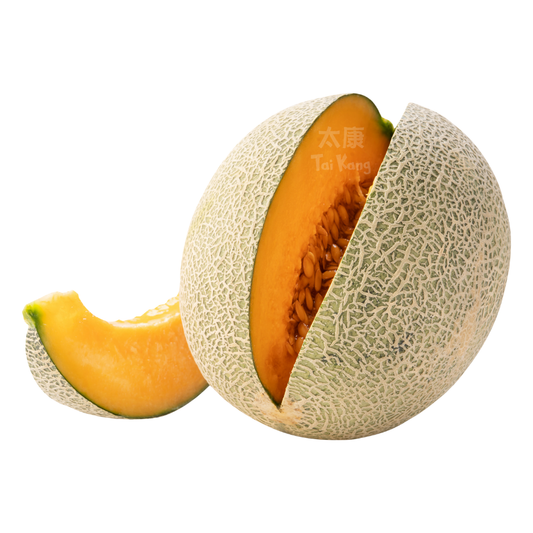
- Watermelon and cantaloupe: Best for hot afternoons. Cut them the night before and keep the pieces in airtight, chilled containers.
- Pineapple: Best for sharing. Pre-cut chunks need the same airtight, chilled treatment as melon.
- Bananas, peaches, and nectarines: Best saved for eating out of hand. They bruise easily, so keep them whole in a rigid container until serving.
If you want a fuller tour of exotic options, dragon fruit, lychee, passion fruit, guava, and rambutan are a friendly starting set because they are easy to prepare. The tropical varieties in this group, from lychee to papaya, also make vivid showpieces on a platter.
2. What are the easiest ways to serve fruit at a picnic?
Fruit that needs no plates, forks, or knife work wins every time. These ideas range from minimal prep to a quick on-site build, and each one stays tidy on a blanket.
- Fruit skewers: Thread grapes, strawberries, and melon cubes onto sticks at home. Pack them flat in a shallow, lidded container.
- Individual fruit cups: Spoon mixed fruit into small lidded cups so everyone gets their own. Keep them in the cooler until you walk to your spot.
- Rainbow platter: Arrange fruit by color on a flat tray. Build it on site from whole and pre-cut fruit, since color-ordered rainbow platters are a classic picnic technique.
- Fruit-and-cheese skewers: Alternate grapes or apple cubes with cheese cubes. Keep them chilled until serving.
- Passionfruit yogurt spooners: Halve passionfruit, spoon the pulp over small cups of yogurt, and eat with a spoon or dip directly. Carry the yogurt cups on ice and add the pulp at the last minute.
- Guava slices with a light dip: Slice pink guava on site and serve with honey-vanilla yogurt for dunking. Pack the dip in a small sealed jar.
Pro Tip: Chill your platter or set it over an ice base, and cut fruit thinly. Professional chefs say chilled, thin-sliced fruit looks fresher and tastes better.
Colorful styling matters too. If you want visual inspiration for arranging your spread, these food presentation examples show how bright colors and simple layouts make a table pop. For longer platter builds with printable checklists, see our fruit platter ideas and shopping lists.

3. How do you pack and chill picnic fruit safely?
Hard fruits travel best, and soft or pre-cut fruit needs more care. The same Tufts guidance says delicate fruits like bananas, peaches, and nectarines should stay whole until serving, while pre-cut melon or pineapple must go into airtight, chilled containers.
- Container choice: Use rigid, lidded containers for berries and cut fruit so nothing gets crushed.
- Cooler strategy: Put ice packs on the bottom and sides, then keep the cooler closed as much as possible.
- Packing order: Heavier items such as apples and oranges go below, and delicate fruit like grapes and berries sit on top.
- Time limits: Keep cut fruit out of the cooler only while you are actively serving, and return leftovers to the ice promptly.
- Discard rule: If cut fruit has sat in the warm sun for a long stretch, do not take chances with it.
A stress-free picnic starts with sturdy fruit that holds up at room temperature, and avoids complex on-site preparation to reduce food-safety risk.
For deeper at-home guidance, see our tips on how to store fresh fruits. If you order from us, our delivery packaging essentials explain how we protect fruit from bruising in transit.
4. What should you prepare the night before and on the day?
A short timeline keeps picnic morning calm. Do the messy work early, and leave only light assembly for the park.
- Night before: Wash and dry grapes, strawberries, and apples. Cut melon and pineapple into chunks and seal them in airtight containers in the fridge.
- Morning of: Thread skewers, mix your yogurt dip, and fill fruit cups. Freeze ice packs overnight and load the cooler last.
- Pack separately: Keep whole delicate fruit, dips, and cheese in their own containers.
- On site, step one: Set a chilled platter or tray on a flat spot in the shade.
- On site, step two: Arrange fruit by color and add skewers.
- On site, step three: Slice guava or dragon fruit last and spoon passionfruit pulp over yogurt just before serving.
Bring napkins, a small knife with a cover, serving spoons, and a few small bowls for peels and seeds.
5. How much fruit do you need, and what should you buy?
To avoid over- or under-buying, choose an amount of whole or mixed fruit that suits your group and whether you are serving a snack or dessert. Adjust this list to suit the size of your group.
- Whole fruits: 6 apples or oranges, 1 large bunch of grapes, 1 pack of strawberries, 1 dragon fruit
- Pre-cut items: Watermelon or cantaloupe and pineapple, cut ahead
- Dips and snacks: Plain yogurt, honey, cheese cubes, and our snacks for something crunchy alongside
- Extras: Skewer sticks, small cups, napkins, ice packs, and a chilled tray
6. How can you build fruit into a themed picnic menu?
A theme gives your fruit a job. Pick one that suits the crowd and choose fruits that fit the story.
- Tropical afternoon: Pair dragon fruit, lychee, rambutan, and passionfruit with coconut yogurt and rice crackers. It looks dramatic and requires almost no cutlery.
- Kids’ rainbow party: Build a color-ordered platter and give each child a skewer. Strawberries, orange segments, pineapple, grapes, and blueberries cover the spectrum.
- Classic summer spread: Serve a stone fruit and berry salad tossed with a little citrus juice, in the style of this picnic fruit salad recipe, alongside sandwiches and iced tea.
- Cheese board picnic: Add apple slices, grapes, and guava next to cheese skewers, with honey for drizzling.
- Sunset dessert picnic: Skip the main course and bring passionfruit yogurt spooners, chilled melon, and a few sweet snacks.
Keep one rule across every theme: choose a few sturdy fruits as the base, then spend your effort on one standout item.
7. Why we recommend premium, temperature-controlled fruit for picnics
Fruit that arrives in good shape makes every picnic easier. We source premium fruit from trusted growers, inspect it carefully, and keep it in temperature-controlled storage, so what you pack is already at its best. For larger gatherings, or when you simply want less to wash, cut, and carry, ordering fruit saves real time.
— Tai Kang
8. Make picnic planning easier with Tai Kang Healthy Fruits
Picnic-ready fruit should not take a grocery run. We bring carefully inspected, premium fruit to your door, so your basket fills itself with the good stuff.
- Keep fruit on hand with our fruit delivery subscription plan for a low-effort supply.
- Add passionfruit and guava as picnic-friendly showpieces.

Ready to plan your next picnic? Browse our premium fruits and gift boxes and place your order today.
FAQ
What are some fun ways to serve fruit at a picnic?
Skewers, individual fruit cups, and rainbow platters are the easiest crowd-pleasers. Pairing fruit with a simple dip like honey-vanilla yogurt makes any of them feel special.
What kind of foods do you bring to a picnic?
Bring sturdy, easy-to-eat items: sandwiches, cheese cubes, crackers, and plenty of whole fruit. Keep anything perishable in a cooler with ice packs.
Which fruit stays fresh the longest?
Hard, whole fruits like apples and oranges hold up best, since they resist bruising. Delicate fruits like bananas, peaches, and nectarines bruise easily and are best kept whole until serving.
What are some unique fruits to bring?
Dragon fruit, lychee, passionfruit, guava, and rambutan are easy starters because they need little prep. Rambutan and uncut dragon fruit are also sturdy for transport.
Sources
- Picnic, Anyone? - Tufts Health & Nutrition Letter
- Fruit Platters Are Perfect for Parties
- 13 fantastic fruits of Vietnam | Vietnam Tourism
- Fruit Platter Ideas for Any Occasion: 10 Easy Recipes | USU