
Fruits for Bone Health: What to Eat and How Much
No single fruit builds bones. What fruit does is supply the vitamins, minerals and plant compounds that work alongside calcium, and a daily habit of varied, fresh fruit is the simplest way to cover them. If you want that habit without the weekly market run, we deliver inspected, temperature-controlled fruit across Singapore, so a bone-friendly fruit bowl is a delivery away.
This guide covers which fruits are worth putting in that bowl, which nutrients they bring, how many servings to aim for, and how to organize it for yourself, your family or your team.
TL;DR
- Bone health depends mainly on calcium, vitamin D, protein and a range of other nutrients. Fruit adds vitamin C, potassium, magnesium and more to that mix.
- HealthHub recommends at least two servings of fruit a day. One serving is about a small apple, orange, pear or mango.
- Vitamin C-rich fruits such as kiwifruit, guava, oranges, papaya, mango and strawberries are easy daily choices.
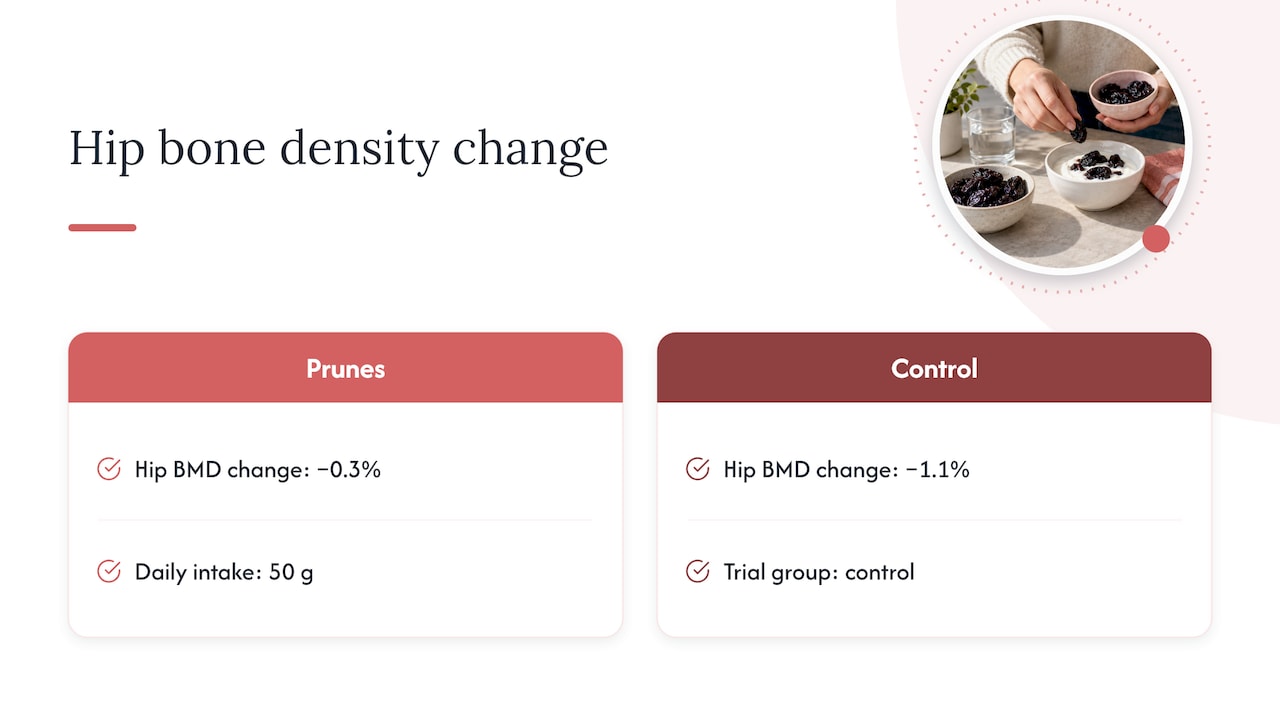
- Prunes are the most studied fruit for bones, and 50 g a day over 12 months preserved hip bone density better than no prunes in one trial.
- Pair fruit with calcium sources and leafy greens for a complete bone-supporting plate.
Table of Contents
- What bones actually need from your diet
- The nutrients in fruit that matter for bones
- Fruits worth putting in your bone-friendly bowl
- How much fruit per day
- Build the rest of the bone-friendly plate
- Making it a habit: households, offices and gifts
- Why fresh, well-stored fruit makes the habit easier
- Find your bone-friendly fruit order
- Our view: the fruit bowl is the habit that holds the rest together
- FAQ
- Sources
What bones actually need from your diet
Bone is living tissue. It is constantly broken down and rebuilt, and it needs raw materials to do that. Singapore’s Health Promotion Board, through its HealthHub calcium guide, lists protein, phosphorus, magnesium and vitamins D, K and C as part of bone nutrition, alongside calcium itself. It also notes that too much protein and sodium can contribute to loss of bone density, which is a good reason to keep the plate balanced instead of leaning on one nutrient.
Timing matters too. HealthHub’s adult dietary guidance says bone mass generally peaks before age 30 and declines gradually afterward, and that adequate calcium through age 30 is one factor linked with building maximum bone mass. For parents, that makes childhood and teenage eating habits worth getting right. For adults, it means steady daily habits protect what you have.
Where does fruit fit? Fruit is not the richest calcium source. HealthHub names dairy as the richest, followed by sardines or ikan bilis eaten with the bones, calcium-set tofu, lentils, dark-green leafy vegetables and calcium-fortified foods. What fruit contributes is the supporting cast: vitamin C, potassium, magnesium, fiber and other plant compounds that a bone-friendly diet draws on every day.
The nutrients in fruit that matter for bones
Vitamin C
Vitamin C is a cofactor in collagen formation, and collagen is the protein framework that minerals settle into to make bone. A review from the Framingham Osteoporosis Study team, published in a peer-reviewed journal in 2015, describes vitamin C’s role in collagen formation and in the activity of bone cells.
In Singapore, HealthHub’s postpartum nutrition guidance names oranges, kiwifruit, papaya, guava, mango and strawberries as vitamin C-rich fruit choices. That page frames them around iron absorption, but the list is a handy shopping guide for any household that wants vitamin C on the table every day. We have a full breakdown of vitamin C fruits for Singapore shoppers if you want portion comparisons.
Potassium and magnesium
The same Framingham review explains that potassium and magnesium, both plentiful in fruit and vegetables, have been associated with bone measures in observational research. Researchers discuss calcium retention and calcium metabolism as the likely explanation: these minerals help the body hold on to the calcium it already has. Bananas, papaya, melons and pomegranates all add to your daily potassium intake.
Vitamin K, boron and other minerals
Singapore General Hospital dietitians, writing on HealthXchange, point to several dried fruits for bone-related nutrients. Dried apricots provide nutrients for bone growth, including potassium, copper and iron. Sultanas are one of the top sources of boron, which aids bone maintenance, and they also contain vitamin K, potassium, copper, manganese and phosphorus. Dried tomatoes supply vitamin C, vitamin K and minerals that contribute to strong bones and teeth.
Fruits worth putting in your bone-friendly bowl
HealthHub’s fruit and vegetable guide says each fruit and vegetable has a different nutrient profile, and recommends eating a range of colors. Papaya, oranges, kiwi, bananas, plums and purple grapes appear among its examples. That is the practical rule: rotate, rather than fixating on one “superfruit.”
Here is how that looks in a week of fresh buying:
| Fruit | What it brings | Easy way to eat it |
|---|---|---|
| Kiwifruit | Vitamin C | Halved and spooned at breakfast |
| Guava | Vitamin C | Sliced as an afternoon snack |
| Oranges | Vitamin C | Whole, as a lunchbox fruit |
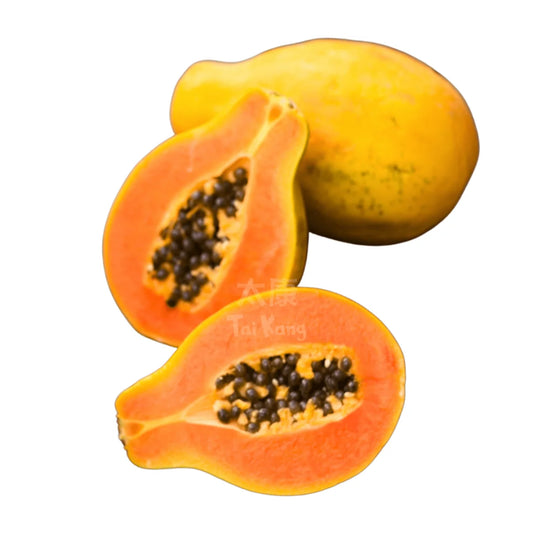
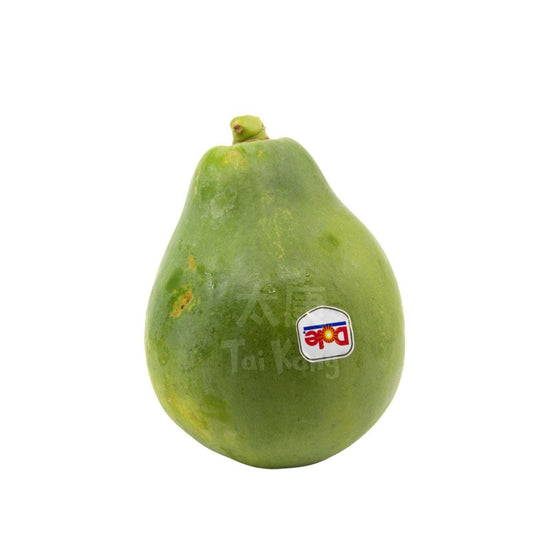
| Papaya | Vitamin C, potassium | A wedge after dinner |
| Mango | Vitamin C | Diced over yogurt |
| Strawberries | Vitamin C | Eaten as they are, or blended into a smoothie |
| Pomegranate | Plant compounds, fiber | Seeds over salads or oats |
| Banana | Potassium | Before or after exercise |
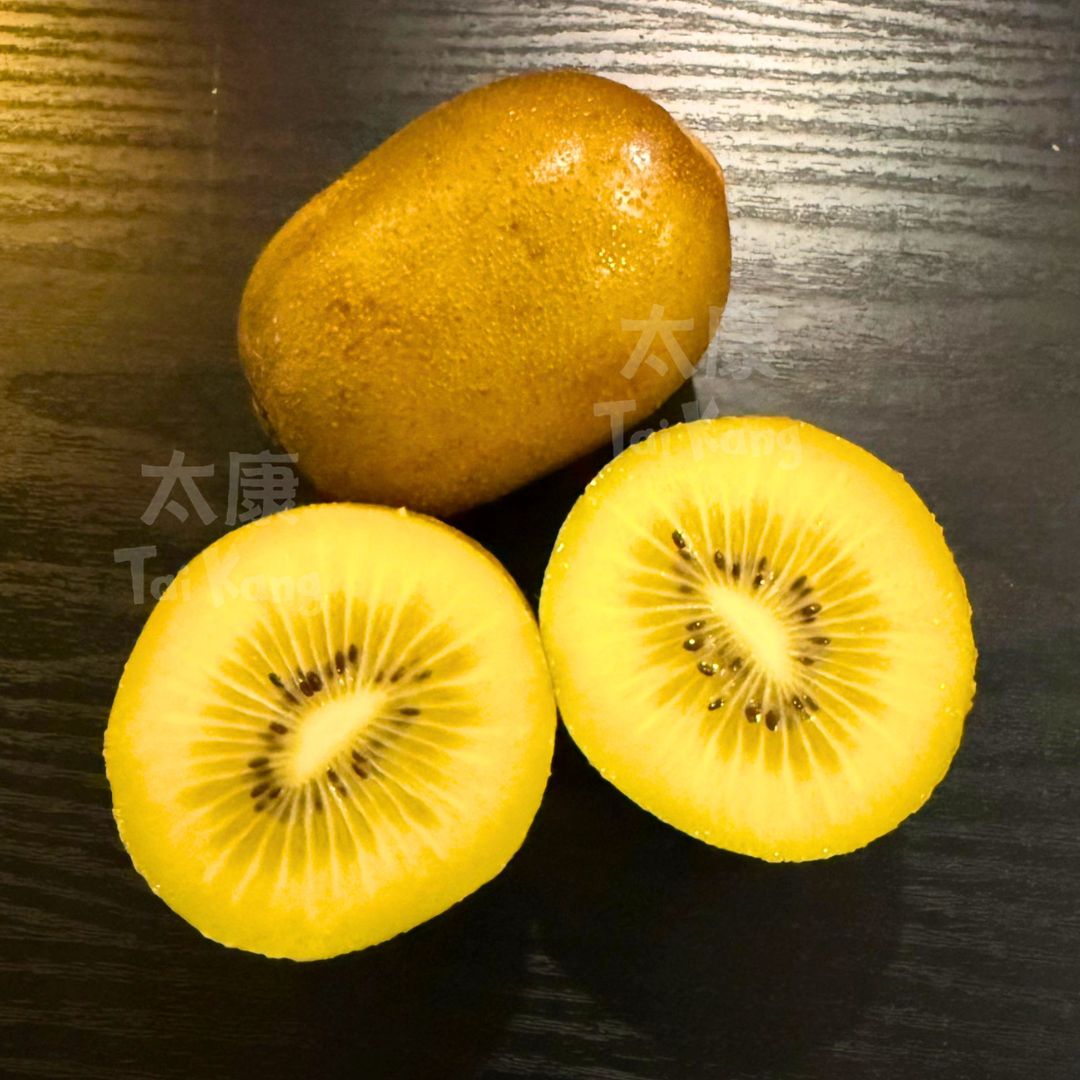
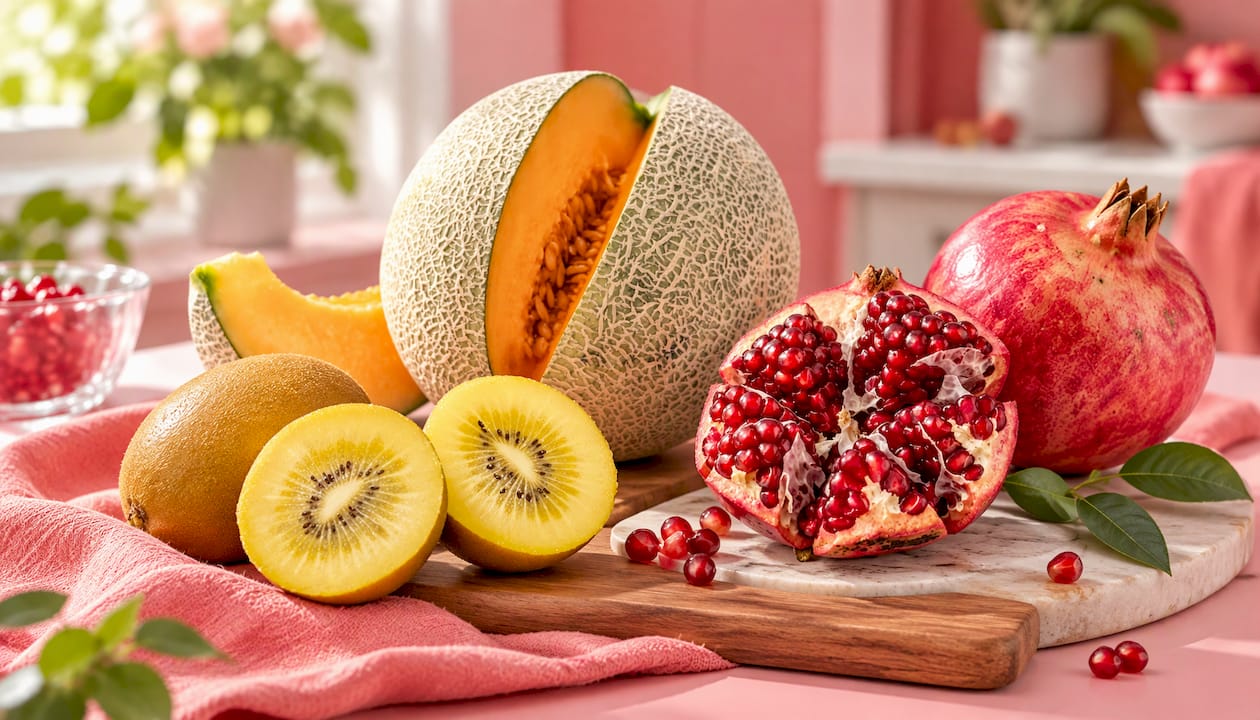
Vitamin C sources come from the HealthHub list above and potassium as a bone-relevant mineral from the Framingham review. If you want a kiwi that is easy to keep in the fridge and eat every day, our Zespri Golden Kiwi is a reliable staple. For something to scatter over breakfast or salads, the Fresh Pomegranate XXL works well.
What about prunes?
If any fruit has a bone story, it is the prune. A 2023 review of dried-fruit research reports clinical trials in postmenopausal women in which 50 to 100 g of prunes a day for 3 to 12 months suggested bone-protective effects. In a 12-month randomized trial, 50 g of prunes daily kept total-hip bone mineral density closer to baseline than the control group, with a change of -0.3% versus -1.1%. A separate review of bone health and nutrition cites the same finding for the control group’s 1.1% decline.
That is a small, specific result in a specific group, postmenopausal women, so treat it as one more reason to keep varied fruit in the diet and not as a prescription. Women past menopause who are worried about osteoporosis should talk to their doctor about screening and treatment, since diet is only one part of bone care.
How much fruit per day
HealthHub’s adult dietary guidelines recommend at least two servings of fruit a day, and say fruit can be fresh, frozen, well-drained canned or dried. The fruit and vegetable page gives the portion sizes:
- A small apple, orange, pear or mango: 130 g
- A wedge of papaya, pineapple or watermelon: 130 g
- 10 grapes or longans: 50 g
- A quarter cup of dried fruit: 40 g
So a day might be a golden kiwi and a banana at breakfast, then a wedge of papaya after lunch. That already covers two servings and three different nutrient profiles. HealthHub also advises picking dried fruit with less added sugar and reading labels on packaged products, which is worth remembering for office snack drawers. Our guide on dried versus fresh fruit choices shows how small portions of each fit together.
Whole fruit or juice?
Whole fruit gives you fiber and keeps portions sensible, and it is the better everyday default. Calcium-fortified orange juice does appear on HealthHub’s vegetarian diet page as one calcium source for people who avoid dairy. If juice is part of your routine, our note on juice amounts and why whole fruit still wins gives practical serving sizes.
Build the rest of the bone-friendly plate
Fruit works best as part of a pattern. The broader picture of foods for bone density combines calcium-rich foods, protein in sensible amounts and a spread of vitamins and minerals. HealthHub recommends a well-balanced diet with a variety of calcium-rich foods, and dark-green leafy vegetables are on its list. That is where our vegetables range comes in: you can add greens to the same delivery as your fruit and cover both sides of the plate in one order.
Variety also means eating with the seasons and across colors. A guide on the benefits of seasonal produce makes the case for rotating what is on your table through the year, which is just what a mixed fruit box does.
Making it a habit: households, offices and gifts
Knowing that fruit helps is easy. Eating two servings every day is harder, because fruit has to be in the house, ripe, and visible. Here is how the different readers we serve usually solve it.
Busy professionals. Fruit you must remember to buy rarely gets eaten. A recurring delivery removes the decision. Our bi-weekly fruit delivery is available as a two-month subscription plan, so the next box arrives before the last one runs out.
Families with children. Bone mass builds up before age 30, so childhood is the time for habits. Put a bowl of easy-to-eat fruit such as sliced papaya, mango or kiwi where children can reach it. Our guide to fruit box sizes by servings helps you match a box to the number of people at home so little goes to waste.
Fitness enthusiasts. Bananas, oranges and kiwifruit travel well and make reliable post-training snacks. Our healthy snacks with fruit ideas show simple combinations for the gym bag.
Companies and event planners. A pantry stocked with fresh fruit gives employees an easy daily serving, and a gift box says more than a voucher. We offer corporate fruit delivery, corporate gift boxes, fruit gift boxes and gift hampers for occasions. Our guide to choosing a fruit delivery service lists what to look for when you compare options for your office.
Gifts for parents and grandparents. Fruit is a thoughtful occasion gift for older relatives. A box of varied fresh fruit supports their everyday nutrition, and it avoids the clutter of a typical hamper.
Why fresh, well-stored fruit makes the habit easier
A bone-friendly diet only works if the fruit is good enough to eat. Every product we sell goes through quality inspection and is stored in temperature-controlled conditions before it is delivered to your home in Singapore. Our team hand-inspects fruit from growers around the world, so what arrives is meant to be ripe and ready for the bowl, not something you have to rescue. Fruit that tastes good gets eaten, and fruit that gets eaten is what counts toward your two daily servings.
Find your bone-friendly fruit order
If you want to turn this guide into a routine, start with a mixed box that includes vitamin C fruits such as kiwifruit, plus potassium-rich choices such as bananas and papaya. Add greens from our vegetables range and you have a week of bone-supportive eating in one delivery.
Our two-month bi-weekly subscription keeps fruit arriving on a schedule, and we offer free delivery for larger orders. Our rewards program also gives repeat customers something back. Our customers rate us 4.85 stars across 46 reviews. Browse everything on the Tai Kang Healthy Fruits site.
For offices, event planners and anyone sending gifts, the same page leads to corporate fruit delivery, gift boxes and hampers.
Our view: the fruit bowl is the habit that holds the rest together
We run a fruit business, so we see how people actually eat. The ones who reach two servings a day are not the ones with the best nutrition knowledge. They are the ones who have fruit within arm’s reach, in good condition, every day.
Bones respond to the whole pattern: calcium from dairy, ikan bilis, tofu and greens, protein in sensible amounts, movement, and a daily spread of fruit that brings vitamin C, potassium and magnesium. Our job is to make the fruit part effortless. We inspect every item and keep it in temperature-controlled storage so it reaches you fresh, and we deliver across Singapore.
That is why we suggest variety over chasing one fruit. Rotate kiwifruit, papaya, mango, oranges and pomegranate through the week, add greens from our vegetables range, and let a subscription handle the reordering. For companies, the same logic applies: a regular fruit supply in the pantry puts a healthy serving in front of every employee.
Tai Kang
FAQ
What fruit makes bones stronger?
No single fruit does it alone. Vitamin C-rich fruits such as kiwifruit, guava, oranges, papaya, mango and strawberries support collagen, while potassium-rich fruits add minerals linked with calcium retention. Prunes are the most studied fruit for bone density, and a 12-month trial used 50 g a day.
Which fruits are high in calcium?
Fruit is not the main calcium source in a bone-friendly diet. HealthHub names dairy as the richest, then ikan bilis or sardines with edible bones, calcium-set tofu, lentils, dark-green leafy vegetables and fortified foods. Fruit complements these with vitamin C, potassium and other nutrients.
How many servings of fruit should I eat for healthy bones?
HealthHub recommends at least two servings of fruit a day, alongside two servings of vegetables. A serving is roughly a small apple, orange, pear or mango, or a 130 g wedge of papaya, pineapple or watermelon. Choose different colors across the week.
Is dried fruit as good as fresh fruit for bones?
HealthHub says fruit can be fresh, frozen, well-drained canned or dried, and that dried fruit portions are small, about a quarter cup. SGH dietitians note that sultanas supply boron and dried apricots supply nutrients for bone growth. Choose varieties with less added sugar and check the label.
Can I get bone-friendly fruit delivered regularly in Singapore?
Yes. We offer a bi-weekly fruit delivery as a two-month subscription plan, plus fruit gift boxes, hampers and corporate fruit delivery. Every order is inspected and stored in temperature-controlled conditions before it reaches your door.
Sources
- Dried Fruits: Nutritional Benefits, HealthXchange
- Daily Calcium Intake: For Greater Bone Strength, HealthHub
- How to Eat Right to Feel Right, HealthHub
- Harness the Goodness of Fruit and Vegetables, HealthHub
- Postpartum Nutrition, HealthHub
- Are Vegetarian Diets Also Balanced Diets?, HealthHub
- Dietary approaches for bone health: lessons from the Framingham Osteoporosis Study
- Dried Fruits: Bioactives, Effects on Gut Microbiota, and Health
- Bone health: biology and nutrition