
Fruits for Elderly Parents: Soft, Easy and Nourishing Picks
The best fruits for older adults are the ones they will actually eat: ripe, soft or easy to cut, gentle on the stomach and matched to any health condition. Papaya, ripe banana, pear, melon, kiwi and berries cover most needs. The right pick depends on three things: how well your parent chews, how much they eat in a day, and whether they take medication or manage diabetes.
This guide is for Singapore families who shop for, cook for or gift fruit to someone over 60. It covers what to choose, how to prepare it, and when to check with a doctor first.
TL;DR
- Choose ripe, soft fruits such as papaya, banana, pear and melon if chewing is hard. Peel, slice or mash when needed.
- Smaller appetites mean fewer calories, so every bite should count. Pick colourful, nutrient-dense fruit over empty snacks.
- Seniors may not feel thirsty, so water-rich fruit helps hydration alongside drinks.
- If your parent has diabetes or takes blood pressure medication, ask their doctor which fruits and portions suit them. Citrus is the usual one to check.
- Serve fruit cool, not fridge-cold, and cut it into manageable pieces.
Table of Contents
- Why fruit matters more as we age
- Soft fruits for seniors who struggle to chew
- Fruits that help with hydration
- When appetite is poor
- Fruit and health conditions: where to be careful
- How much fruit is enough?
- Our perspective: freshness is the whole point
- Make it easy: fruit delivered to their door
- A simple weekly routine for caregivers
- Fruits to approach with care
- FAQ
- Sources
Why fruit matters more as we age
Appetite and energy needs fall with age. HealthHub Singapore notes that by age 80 a person needs roughly 20% fewer calories than at age 30. That is a smaller plate, but the need for vitamins, minerals and fiber stays. So each mouthful has to carry more nutrition.
The same HealthHub article points out that vitamins from whole foods are best absorbed, and that fresh fruit and vegetables are a strong source of vitamins and antioxidants. Principal Dietitian Serene Tay of Ng Teng Fong General Hospital notes that seniors often miss their daily fiber and vitamin targets because they eat smaller meals. Good fresh fruit is one of the easiest ways to close that gap.
There is also a practical problem. Singapore health experts quoted by CNA say tooth loss, ill-fitting dentures and weaker taste and smell can lead older adults to avoid fresh produce, and that this contributes to rising elderly malnutrition. If your parent has stopped eating apples or pomelo, it may not be pickiness. It may be that biting hurts.
For families who want to look at bone and overall ageing habits beyond the fruit bowl, resources on healthy aging and bone support are a reasonable next stop, since good nutrition and bone strength go hand in hand.

Soft fruits for seniors who struggle to chew
What counts as “soft” depends on the person. A registered dietitian who writes on this topic, The Geriatric Dietitian, explains that the answer varies with chewing ability: no teeth, dentures, missing teeth or general difficulty chewing each change what is comfortable. So start by watching how your parent eats, not by reading a list.
Here is a practical guide for fruits you can find in Singapore supermarkets and online.
| Fruit | Why it works | How to serve |
|---|---|---|
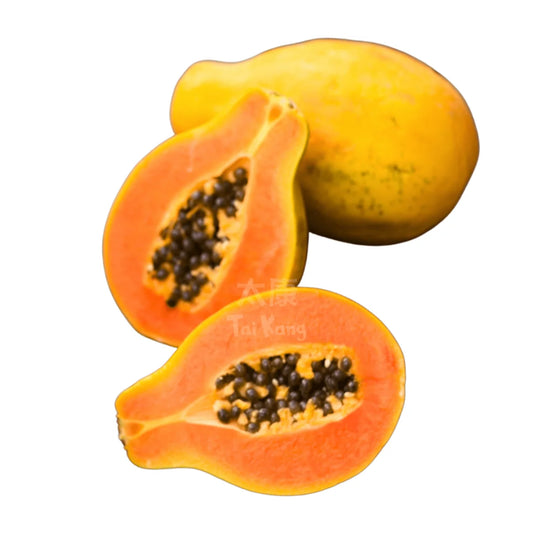
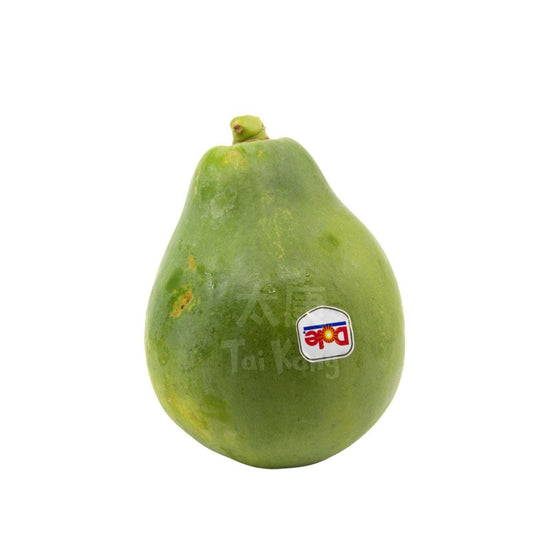
| Papaya | Very soft flesh, easy to digest | Scoop with a spoon, no peeling or slicing needed |
| Ripe banana | Soft, filling, easy to mash | Whole if very ripe, or mashed into porridge or oats |
| Ripe pear | Tender when fully ripe, good fiber | Peeled and sliced thin, or stewed lightly |
| Watermelon and honeydew | Soft and high in water | Seedless cubes, chilled slightly, not icy |
| Kiwi | Soft when ripe | Halve and scoop with a teaspoon |
| Ripe mango | Soft, fragrant, appeals when taste is dulled | Sliced off the stone into small cubes |
| Berries | Small, no peeling | Whole if soft, or lightly mashed over yogurt |
| Steamed or baked apple | Firm raw, tender when cooked | Peeled, cored and softened by steaming |
A few notes on this table. The fruit must be properly ripe: an underripe pear or papaya is firm and tart and defeats the purpose. Avoid fruit with tough skin, stringy fibres or many small seeds if your parent has dentures. Cut grapes in half so they are easier to manage.
When even soft fruit is hard
If whole fruit is still a struggle, HealthHub’s nutrition tools and resources suggest blending fruit into 100% juice at home, limited to no more than 1 cup (250ml) a day so sugar intake stays in check. Keep the pulp where possible, because it holds the fiber. Smoothies made with banana, papaya and a little plain yogurt are an easier route for many families than pressing juice.

Fruits that help with hydration
Older adults can lose the sense of thirst, so they may be dehydrated without feeling it. HealthHub’s golden years nutrition guide says water-rich fruit such as melon can support hydration alongside regular fluids, as long as it is safely prepared. In Singapore’s heat, this matters all year.
Good choices are watermelon, honeydew, rockmelon and orange-fleshed papaya. Cut them into bite-sized, seedless pieces and offer a small bowl between meals. Do not treat fruit as a replacement for water, tea or soup. It is a helper.
When appetite is poor
Some seniors eat very little for days. HealthHub’s guidance on frailty and nutrition, from the Health Promotion Board, advises that if food intake has been declining consistently for 2 weeks, the approach should shift to small, frequent meals that are high in calories and protein. It suggests adding fruit such as banana into base foods like porridge or oats to raise density without raising volume.
In practice, that looks like this:
- Mash half a ripe banana into warm porridge in the morning.
- Offer three or four small fruit pieces at mid-morning rather than a full bowl.
- Pair fruit with a protein, for example soft fruit with plain yogurt or milk, if your parent’s doctor or dietitian agrees.
- Keep portions small and repeat them often, rather than pushing a large serving.
A two-week decline in appetite is a reason to speak to your parent’s doctor or a dietitian, not only to change the menu. Weight loss, mouth pain or sudden disinterest in food can have causes that fruit will not fix.
Fruit and health conditions: where to be careful
Fruit is healthy for most people, but a few situations call for a professional’s input. Please treat the points below as prompts for a conversation, not medical instructions.
Diabetes
For older adults with diabetes, Australian diabetes nutrition guidance stresses that eating well helps manage blood glucose, cholesterol and blood pressure. It also says that when appetite is lost, higher-energy drinks such as milk or fruit juice may sometimes be allowed, but this should be discussed with a doctor to avoid blood sugar spikes. If your parent has diabetes, ask their doctor or dietitian how many portions of fruit suit them and which ones. Our own notes on low sugar fruits and portions and fruits for diabetics may help you prepare questions for that visit.
Blood pressure medication
Citrus is often praised for vitamin C, but the Chinese Center for Disease Control and Prevention guide on choosing fruit for older people flags that some fruit can interact with medicines, and suggests apples, pears and berries as safer everyday options for those on blood pressure medication, with a doctor consulted about interactions. If your parent takes any regular medication, ask the doctor or pharmacist which fruits to limit. Do not simply stop or add a fruit and hope for the best.
Digestion and constipation
Irregular bowels are common with age. Fiber-rich fruit like pear, papaya and kiwi can help, but too much fiber too quickly, or too little fluid, can make things worse. Our guides to high fiber fruits and fruits for constipation go into portions in more detail. Persistent constipation deserves a doctor’s visit.
Sensitive stomachs
The same Chinese CDC guide notes that fruit straight from the fridge can upset some older people’s stomachs. A simple tip it gives is to soak cold fruit in warm water for 5 to 10 minutes before serving. In a Singapore home, even letting cut fruit sit at room temperature briefly helps. Do not leave cut fruit out for long in our climate, though. Cut it fresh and serve it soon.
How much fruit is enough?
Singapore’s HealthHub caregiver guide describes a plate rule of thumb: half the plate fruit and vegetables, a quarter wholegrains and a quarter protein. It says to apply that only if your loved one does not have a condition that needs a different plan. The guide behind it is meant for caregivers planning real meals, so it is worth a read.
For a very small eater, that may mean two small servings of fruit across the day rather than one large bowl. Variety also matters: HealthHub encourages a colourful mix, because different colours bring different vitamins and antioxidants. Our overview of how different fruits support wellness and the ranking of antioxidant rich fruits can help you rotate choices.
Our perspective: freshness is the whole point
We sell fresh fruit in Singapore, and most of the questions we hear from families come down to one worry: will they eat it? A fruit that is hard, sour or past its best goes uneaten, however healthy it looks on paper.
That is why we put quality first. Our fruit is inspected before it is packed and kept in temperature-controlled storage, so what arrives is closer to the ripeness you would choose yourself. For an older person with weak teeth or a dull sense of taste, a properly ripe, fragrant fruit is the difference between a snack that gets eaten and one that gets left.
Our advice for families is simple. Buy smaller amounts more often. Choose fruit that you can press and find yielding. Cut it before serving so your parent does not have to. And if there is a medical condition, let the doctor guide the list, then let us help you find fruit that fits it.
— Tai Kang
Make it easy: fruit delivered to their door
Shopping and carrying heavy bags is a real barrier for many seniors, and a busy adult child cannot always drop by with fruit. We deliver across Singapore, and you can order fresh fruit online from our fruit selection for yourself or for a parent.
- For regular top-ups, a bi-weekly fruit delivery subscription over 2 months keeps a bowl stocked without reordering.
- For a visit or an occasion, the Fruitastic Basket, our best seller, or the Berries Bliss Medley gift box make an easy present.
- For ideas on what to put in a gift for a parent, see our guide to the best fruit basket for elderly parents.
We also offer a rewards program for repeat customers, and we advertise free delivery for larger orders. Check the site for current terms.

A simple weekly routine for caregivers
If you manage fruit for an older parent, a routine removes the daily guesswork.
- Check ripeness on delivery day. Sort fruit into “eat now”, “eat in two days” and “let it ripen”.
- Prepare in the morning. Peel and cut a day’s portions into small containers. Cover them and refrigerate.
- Take fruit out ahead of serving. Let it lose the fridge chill for a short while.
- Rotate colours. Aim for something orange, something green and something red or purple across the week.
- Watch what comes back. If the same fruit returns uneaten, swap it. Texture is the usual reason.
- Note changes. If appetite or weight drops for two weeks, speak to the doctor.
Seasonal fruit is often at its sweetest and softest, so it is worth reading about what is in season before you order. If sugar is a concern for your family, our note on low fructose fruits lists what to enjoy and what to limit.
Fruits to approach with care
Not every fruit is a good fit for every senior. A few to handle thoughtfully:
- Pomelo and large citrus segments. The membranes are tough to chew. Peel the segments fully, and check with the doctor if your parent takes blood pressure medication.
- Whole apples and unripe guava. These are hard to bite. Slice thinly, grate, or steam an apple.
- Grapes and cherry tomatoes. Small, round foods are a choking risk for people who have trouble swallowing. Cut them in half or quarters, and ask a doctor or speech therapist if swallowing is a concern.
- Dried fruit. It is sticky, hard and concentrated in sugar. Offer it only in small amounts, if at all, and softened.
- Very sweet juice. Keep to the 1 cup (250ml) a day limit HealthHub suggests, and prefer whole or blended fruit.
FAQ
What is the best fruit for seniors who have no teeth or dentures?
Ripe papaya, banana, kiwi and melon are the easiest, because you can scoop, mash or cut them without much chewing. Ripeness matters more than the type of fruit. If chewing is painful, a dentist can also check whether dentures fit properly, since poor fit leads many older adults to avoid fresh produce.
How much fruit should an elderly person eat a day?
It depends on appetite, health and any medical condition, so there is no single number. Many seniors do well with two small servings spread across the day, within a balanced plate. Ask a doctor or dietitian for a personal target, especially if there is diabetes.
Are fruit juices a good option for older adults?
They can help when chewing is hard, but they are a second choice to whole or blended fruit with the fiber kept in. HealthHub advises limiting 100% fruit juice to 1 cup (250ml) a day. If your parent has diabetes, discuss juice with their doctor first.
What can I do if my elderly parent has lost interest in food?
Try small, frequent portions and add soft fruit like banana to porridge or oats. If intake has fallen consistently for 2 weeks, speak to their doctor or a dietitian, because the Health Promotion Board’s guidance treats that as a sign to change the approach.
Can I send fruit to my parents if I live overseas or work long hours?
Yes. We deliver fresh fruit across Singapore, and you can set up a bi-weekly delivery subscription or send a gift box. Add a note on which fruits your parent finds easy to eat, and choose soft, ripe options.
Sources
- Your Golden Years: Nutrition for the Elderly, HealthHub
- Elderly malnutrition is rising in Singapore, CNA
- Soft Fruits for Elderly, The Geriatric Dietitian
- Make Healthy Food and Grocery Choices, HealthHub
- Nutrition Strategies to Manage Frailty Effectively, HealthHub
- Healthy eating: a guide for older people living with diabetes
- Guide to choose fruit for the elderly, Chinese CDC
- A Caregiver’s Guide: Planning Healthy Meals, HealthHub