
Fruits for Better Sleep: What to Eat and When in Singapore
Kiwifruit and tart cherries have the strongest evidence for sleep, and bananas are a sensible, light bedtime choice. Eat a small portion one to two hours before bed, and treat it as a supporting habit, not a cure. Fruit will not fix irregular bedtimes, late coffee or a bright phone screen. It can, however, be a pleasant part of a routine that does.
Below we go through the fruits that have research behind them, the ones that are mostly folklore, how timing and portion size change the result, and how to fit all of this into a Singapore week.
TL;DR
- Kiwifruit and tart cherries are the two most studied fruits for sleep. Bananas, pineapple and oranges are popular picks, but their evidence is thinner.
- Aim for one small serving, about one to two hours before bed. Very sweet or acidic fruit eaten right before lying down can backfire.
- Eating more fruit and vegetables across the whole day is linked to better sleep quality, so a bedtime snack is only part of the picture.
- Goji berries are not a sedative. Sleep habits matter more than any single food.
- If you have persistent insomnia, see a doctor rather than relying on diet.
Table of Contents
- What the research says about fruit and sleep
- The fruits worth eating before bed
- Quick comparison
- Timing and portion: where most people go wrong
- Why your routine matters more than the fruit
- Build a sleep-friendly fruit day in Singapore
- Our view: consistency beats the perfect fruit
- Get fresh kiwis, cherries and more delivered
- FAQ
- Sources
What the research says about fruit and sleep
The most useful finding for everyday eaters is about quantity across the day, not one magic fruit. A study led by researchers at the University of Chicago Medicine and Columbia University, reported in June 2025, found that people who ate the recommended five cups of fruits and vegetables a day could see about a 16% improvement in sleep quality compared with those who ate none. It points to an association, so it does not prove that produce alone causes better sleep.
For specific fruits, a 2025 systematic review names tart cherry juice and kiwifruit as the two most extensively studied. In the kiwifruit research it discusses, two kiwifruits eaten one hour before bed raised total sleep time by 16.9% and sleep efficiency by 2.4%. Tart cherry juice was linked to longer, more efficient objective sleep.

The same researchers caution that the mechanism is likely complex. Several nutrients, such as magnesium and potassium, probably work together, rather than one “sleep molecule” doing the job. That is a good reason to keep expectations realistic.
The fruits worth eating before bed
Kiwifruit
Kiwi is the fruit with the clearest human evidence. It is sweet-tart, light, and easy to eat with a spoon, which suits a quiet evening. The studied dose was two kiwifruits about an hour before bed. If two feels like a lot, start with one and see how you feel.

Kiwi is also well suited to people who watch blood pressure. We cover that in what three kiwis a day can do.
Cherries
Tart cherries, usually studied as juice, are the other leading candidate. Two cautions apply. First, the research is mostly on tart (Montmorency-type) cherry juice, not the sweet fresh cherries most of us buy. Second, juice strips out fiber. The reviewers’ view, and ours, is that whole fruit is usually the better habit for blood sugar. If you want to understand the trade-off, our guide to fruit versus fruit juice portions explains why whole fruit still wins.
Sweet cherries are a pleasant evening treat in their own right, and our piece on Rainier cherries and their daily health benefits gives a closer look. Just be honest with yourself: they are a nice snack with plausible benefits, not a proven sleeping aid.
Bananas
Bananas are the classic bedtime fruit. They are soft, mild and filling, and they contain potassium and magnesium, the minerals the researchers mention. Popular lists also credit them with melatonin and tryptophan. The direct trial evidence for bananas is much weaker than for kiwi, so think of them as a low-risk option rather than a proven one. Half a banana with a few nuts makes a balanced snack.
Pineapple and oranges
These appear on many “sleep fruit” lists, but they are also the ones most likely to cause trouble late at night. Both are acidic. If you are prone to heartburn or reflux, keep them for daytime and choose something gentler in the evening.
Watermelon and other hydrating fruit
Watermelon is popular for late-night snacking because it is light and watery. The catch is practical: a big bowl before bed can mean a trip to the bathroom at 3 a.m. Keep portions small.
Goji berries
People often ask whether goji berries help you sleep. Traditional Chinese medicine practitioners describe them as nourishing rather than sedating, and the same source notes there is no clinical consensus supporting them for acute insomnia. Enjoy them as part of a diet, but do not swap good sleep habits for them.
Quick comparison
| Fruit | Strength of evidence | Practical note |
|---|---|---|
| Kiwifruit | Strongest among whole fruits | Two, about an hour before bed, as studied |
| Tart cherry | Strong, mostly as juice | Whole fruit keeps the fiber |
| Banana | Limited direct evidence | Gentle, filling, easy on most stomachs |
| Pineapple, orange | Limited | Acidic, avoid if you get reflux |
| Watermelon | Little sleep-specific evidence | Hydrating, but keep the portion small |
| Goji berries | No clinical consensus for insomnia | Fine as a daytime food |
Timing and portion: where most people go wrong
A good fruit at the wrong time can undo the benefit. Sensible guidance, including advice from Singapore’s ActiveSG Circle, is to eat sleep-friendly fruits such as bananas or kiwis one to two hours before bed, not just before lying down. High-sugar or acidic fruit eaten too late may cause indigestion or blood sugar swings that disrupt sleep.
A simple rule set:
- Keep it small. One serving, or two kiwis if you are following the studied dose.
- Leave a gap. Finish at least an hour before bed. Lying flat on a full stomach invites reflux.
- Pair it. The Sleep Foundation suggests balancing a bedtime snack with protein and carbohydrates. A few almonds or a spoon of plain yogurt does that.
- Know your stomach. If you have reflux, skip citrus and pineapple at night. If you manage diabetes, check our guides to low sugar fruits in 15 gram servings and portion controlled picks, and ask your doctor or dietitian about evening snacks. If you have IBS or are on a low FODMAP plan, see our low FODMAP fruit list first.
Why your routine matters more than the fruit
An Active Health Coach quoted by ActiveSG Circle, Mason Tan, makes the point that poor sleep hygiene often overrides food: irregular bedtimes, screens before bed and late-day caffeine. Food is a supportive addition, not a silver bullet for a sleep disorder.
Three habits to fix before you expect fruit to help:
- Cut caffeine early. Keep tea and coffee several hours away from bedtime. Separately, HSA notes that tea and coffee can reduce iron absorption, so avoid them alongside iron-rich meals.
- Dim the screens. Phone and TV light late at night can suppress melatonin, which cancels out whatever a melatonin-rich fruit might offer.
- Cool and darken the bedroom. Singapore’s humidity makes this harder, so use a fan or air conditioning on a sensible setting and blackout curtains if streetlights bother you.
Some people add a heat-based wind-down to the routine, such as a sauna 60 to 90 minutes before bed, then a light fruit snack after. If you suspect certain foods are the thing keeping you up, reading about how sleep and food intolerance connect can help you decide what to discuss with a healthcare professional.
If you are tired for weeks despite good habits, snore heavily, or wake gasping, see a doctor. These can be signs of conditions that fruit will not touch.
Build a sleep-friendly fruit day in Singapore
The Health Promotion Board’s My Healthy Plate recommends at least two servings of fruit and two of vegetables daily, roughly a half plate of fruit and vegetables at each meal. That lines up with the Chicago finding that the whole day’s produce intake matters.
A practical day might look like this:
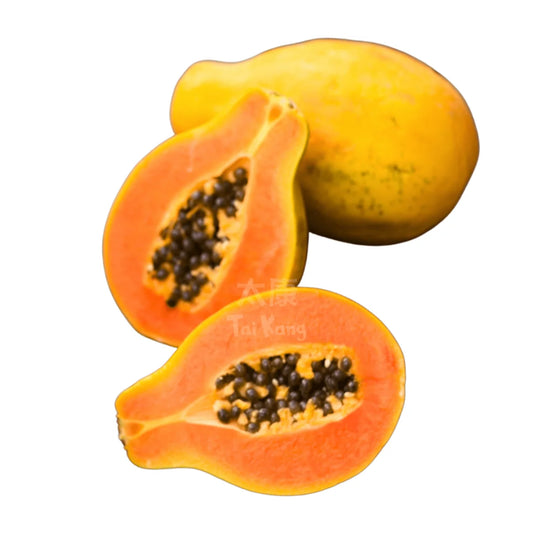
- Breakfast: sliced banana or papaya with oats or yogurt.
- Lunch: a half plate of vegetables and a serving of fruit on the side.
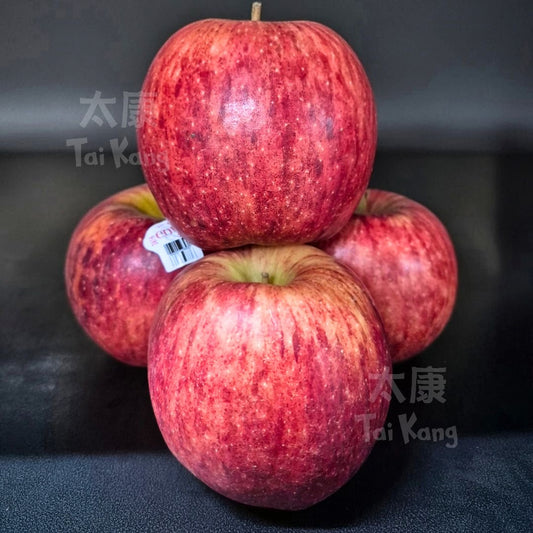
- Afternoon: an apple or pear, plus water. Stop the caffeine here.
- Dinner: vegetables first, with fruit for dessert if you like.
- Evening (one to two hours before bed): one or two kiwis, or a handful of cherries with a few nuts.
Fiber helps keep the day steady. Our list of high fiber fruits available in Singapore shows how to reach 25 grams. For a broader view, see how different fruits support your health.
Our view: consistency beats the perfect fruit
We sell fruit, so you might expect us to promise that one fruit will change your nights. We will not. From what we see, the people who benefit most are the ones who build a calm, repeatable evening, and fruit is an easy, enjoyable part of it.
This is why we care about what happens before the fruit reaches you. Every product goes through quality inspection and is stored in temperature-controlled conditions, so the kiwi you eat at 9 p.m. is ripe and fresh rather than mealy or overripe. Ripeness matters for sleep fruit in a practical way: a firm, sour fruit is more likely to upset an evening stomach than a ripe, sweet one.
Our advice is to buy small amounts often, rather than stocking up on fruit that goes soft. That is also why many customers choose a delivery schedule over a big weekly shop.
— Tai Kang
Get fresh kiwis, cherries and more delivered
If you want fruit on hand for your evening routine, you can browse our premium fresh fruits and order online for home delivery across Singapore. Larger orders qualify for free delivery, and our rewards program helps if you reorder regularly. For a steady supply, our bi-weekly fruit delivery plan runs over two months, so you do not have to remember to restock. Pair your fruit with greens from our vegetables collection to cover the daily half plate.

FAQ
What fruit should I eat at night for good sleep?
Kiwifruit has the best evidence among whole fruits, with studies using two kiwis about an hour before bed. Bananas are a gentle, low-risk alternative, and tart cherries are well studied mainly as juice. Choose whichever sits comfortably with your stomach.
How long before bed should I eat fruit?
One to two hours before bed is a sensible window. This gives your stomach time to settle and lowers the chance of reflux or a blood sugar bump disturbing your sleep.
Are goji berries good before bed?
They are healthy, but they do not act as a sedative. Practitioners describe them as nourishing, and there is no clinical consensus for using them against acute insomnia. Do not rely on them in place of good sleep habits.
Is fruit juice as good as whole fruit for sleep?
Most cherry research used tart cherry juice, but whole fruit keeps the fiber that helps regulate blood sugar. For daily habits, whole fruit is generally the better choice, and juice should stay a small portion.
Sources
- Could eating more fruits and veggies help you sleep better? (UChicago Medicine)
- Systematic review on fruit and sleep (PMC)
- Goji Berry Benefits Explained (TCM1st)
- The effects of ageing on sleep (ActiveSG Circle)
- What to Snack on Before Bed (Sleep Foundation)
- Maintain healthy iron levels (Health Sciences Authority)
- Nutritious Foods For A Healthy Diet (HealthHub, Health Promotion Board)