
Fruits for Brain Health: What to Eat for Focus and Memory
Berries are the fruit with the strongest case for brain health, followed by citrus, grapes and other colorful whole fruit. No single fruit will make you smarter overnight, but a steady habit of eating a variety of fruit is a sound, low-risk way to support memory and concentration over the long run. Below we cover which fruits to choose, what the research does and does not show, and how to fit them into study days and work days in Singapore.
TL;DR
- Berries (blueberries, strawberries, blackcurrants) have the most consistent research behind them, mainly because of their flavonoids and antioxidants.
- Citrus, grapes, apples, bananas and watermelon all fit a brain-friendly eating pattern. Variety matters more than one “superfruit”.
- Evidence is promising but still emerging: studies show associations and small gains in memory and attention, not guaranteed exam results.
- Aim for two servings of fruit a day, choose whole fruit over juice, and keep water close while you study.
- Fresh, ripe fruit that is easy to grab is the habit that works, so plan your week’s fruit rather than relying on willpower.
Table of Contents
- Which fruits are best for the brain?
- What the research actually shows
- Fruits for studying, exams and concentration
- Whole fruit or juice?
- Fruit within a whole brain-friendly plate
- Hydration: the quiet part of concentration
- Our perspective: how we think about fruit and the brain
- Get brain-friendly fruit delivered in Singapore
- FAQ
- Sources
Which fruits are best for the brain?
If you want a short list, start here. These fruits appear again and again in guidance from health bodies and in the research.
| Fruit | Why it is on the list | Easy way to eat it |
|---|---|---|
| Blueberries | Rich in anthocyanins, a flavonoid linked to memory in several trials | Handful with breakfast, or in plain yogurt |
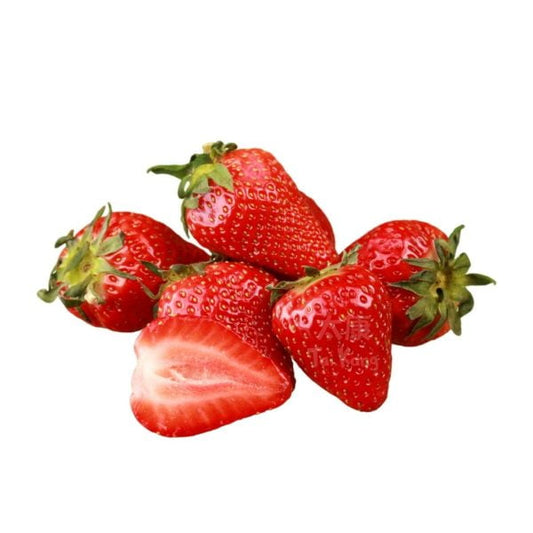
| Strawberries | Antioxidants and vitamin C; linked to slower memory decline in older women in observational work | Washed and halved in a lunchbox |
| Red and purple grapes | Polyphenols; named by Singapore’s HealthXchange among brain-supportive fruit | Frozen or chilled as a desk snack |
| Oranges and other citrus | Vitamin C and flavanones | Peeled segments between study blocks |
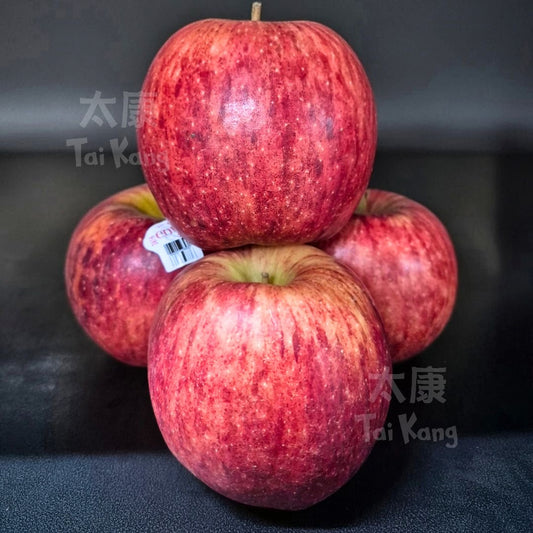
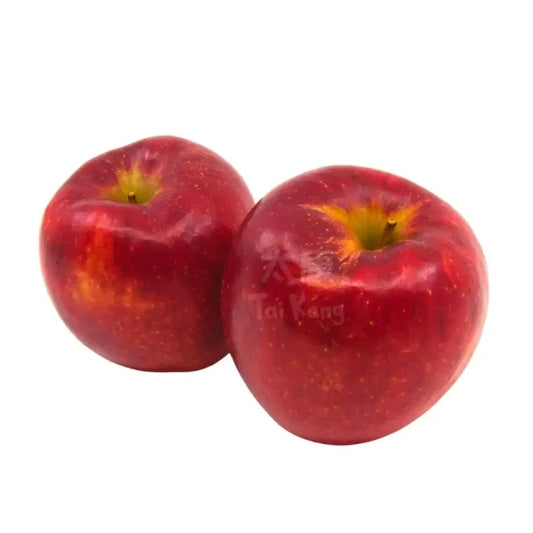
| Apples | Fibre (especially with the skin on) and steady energy | Sliced with the skin on |
| Bananas | Potassium and an easy, filling snack | Pre-exam breakfast or bag snack |
| Watermelon | High water content, named in a brain-healthy pattern by dietitians | Chilled cubes on a hot afternoon |
The pattern is simple: deeply colored fruit tends to carry more of the plant compounds scientists are interested in. Singapore’s HealthXchange guidance on foods for a child’s brain names blueberries, strawberries and red or purple grapes, and explains that fruit and vegetables supply antioxidant vitamins that protect the brain from oxidative damage.
Berries: the front runner
In the MIND diet, a pattern designed around brain health, berries are the one fruit singled out over other fruit. Singapore’s Health Promotion Board also notes that berries contain the highest amount of antioxidants among fruits.
The academic evidence points the same way. A meta-analysis of 80 studies found that dietary flavonoids, particularly those from berries, benefited long-term memory, processing speed and mood. A separate review of plant foods and age-related cognitive decline reported that strawberries and blueberries were associated with slower decline in global cognition and verbal memory among older women, and that trials of blueberry preparations showed gains in some memory measures.

That same review is careful to call the evidence emerging rather than conclusive, and we think you should hold it the same way: encouraging, not a promise.
Citrus, grapes and the rest of the rainbow
Professional dietitians describe a brain-healthy eating pattern that can include a variety of fruit, including berries, citrus, grapes and watermelon. Citrus brings vitamin C and flavanones, a flavonoid subgroup. The same review that discusses berries also covers orange juice and reports improvements in selected cognitive measures in older adults, though whole fruit gives you fibre that juice lacks (more on that below).
Bananas are a fair choice too. A medium banana has around 295 mg of potassium, about 7% of the average adult’s requirement, according to Singapore’s HealthHub. That is a nutrition fact, not a proven concentration booster, so treat it as a convenient, filling snack rather than a cognitive shortcut.
What the research actually shows
Because search results for this topic are full of bold promises, it helps to know where the evidence is firm and where it is thin.
What is reasonably well supported
Fruit contains vitamins, minerals, fibre, carotenoids, flavonoids and other phytochemicals, and fruit polyphenols are associated with delayed cognitive decline. A systematic review of fruit and vegetable intake found improved memory and attention in longitudinal studies lasting 10 to 12 weeks, and children improved immediate recall after blueberry supplementation.
Flavonoids such as anthocyanins, flavanols and flavanones may be neuroprotective by improving cerebral blood flow and influencing signaling pathways, according to a 2021 narrative review. In plain terms, these compounds may help the brain’s blood supply and cell communication.
What is still uncertain
Here is the honest part:
- Doses and timing are unclear. An overview of systematic reviews supports an association between polyphenol-rich fruit and cognitive benefits, but says conclusions on effective doses and durations remain tentative, partly because study designs differ so much.
- Age may change how much you need. The systematic review above suggests older adults may need a higher intake than children and younger adults to see meaningful changes in cognitive measures.
- Many studies are observational. An Australian study of 77 cognitively normal older adults found that higher fruit intake was independently linked to less accumulation of a brain amyloid marker over 36 months. That is an association in one country, not a Singapore clinical recommendation and not proof that fruit caused it.
- Children’s evidence is thin. A 2024 systematic review found few intervention studies on whole fruit and children’s cognition, and called for more research.
The takeaway: fruit is a good bet for your overall and long-term brain health, and berries are the best-supported choice. It is not a substitute for sleep, revision or medical care.
Fruits for studying, exams and concentration
Students and parents often ask for a cheat sheet. There is no exam-day miracle fruit, but a few habits help you make fruit part of how you study.
Build fruit into the study routine
Singapore’s HealthHub suggests snacking on fruit and aiming for two servings a day. Practical ways to do it:
- Swap the packet snack. Mayo Clinic Press suggests an apple instead of processed snacks like chips as a practical way to eat more brain-healthy whole foods.
- Keep the apple skin on. It adds fibre, according to HealthHub.
- Refrigerate bananas. HealthHub notes this can make them last about a week longer, which is handy for a busy exam fortnight.
- Pre-cut, pre-portion. A container of grapes, orange segments and berries is far likelier to be eaten at 9 pm than a whole fruit you have to peel.
- Pair with protein. Fruit with yogurt, nuts or a boiled egg keeps you fuller through a long paper.
A sample study-day plan
| Time | What to eat | Why it works |
|---|---|---|
| Breakfast | Oats or wholemeal toast with banana or blueberries | Steady energy before a long morning |
| Mid-morning | Apple slices with the skin on | Fibre and an easy snack |
| Lunch | Rice or noodles with protein, plus orange segments | Balanced plate with vitamin C |
| Afternoon slump | Chilled grapes or strawberries | Cold, sweet and light, better than a sugary drink |
| Evening revision | Watermelon cubes and water | Hydrating without a heavy stomach |
If you are shopping for a student sitting a major exam, our PSLE Care Pack is a ready-made way to keep fruit on the desk during the stressful weeks.
Whole fruit or juice?
For the brain, the studies on orange juice are interesting, but for daily eating we recommend whole fruit. You get the fibre, you eat more slowly, and you are less likely to overshoot on sugar. We have written a separate guide on how much juice is reasonable and why whole fruit still wins in Singapore. If you manage blood sugar, see our guide to 15 gram fruit servings and low sugar pairings. If certain fruits upset your stomach, our low FODMAP fruit guide will help you choose.
Fruit within a whole brain-friendly plate
Fruit works best as part of a pattern. Singapore’s Health Promotion Board says a healthy lifestyle can reduce the risk of some types of dementia, and recommends My Healthy Plate: half the plate fruit and vegetables, a quarter wholegrains and a quarter protein-rich foods. That is a simple template to follow at every meal, not just at snack time.

Color variety helps too. Mixing red, orange, purple and green foods through the week is an easy way to cover many different plant compounds, and the idea of eating three colors a day to reach 30 plants a week is a handy way to keep yourself honest. Fruit counts toward that variety, so rotate it rather than eating the same banana every day.
Hydration: the quiet part of concentration
What you drink matters as much as what you eat. Research on hydration and cognition, much of it in young adults, has linked mild dehydration to slower processing speed and more errors in vigilance and attention tasks, and some studies saw better sustained attention after people drank water. Study designs vary, so we would not put a precise number on it. The practical advice is easy: keep a bottle of water next to your books and your laptop, and in Singapore’s heat, drink more when you have been outdoors or exercising.
Water-rich fruit such as watermelon, oranges and strawberries supports this, but it does not replace drinking water.
Our perspective: how we think about fruit and the brain
We sell fruit, so we want to be straight with you. Nobody should buy a punnet of blueberries expecting a higher exam score. What we do believe, from what we see and from the research above, is that the biggest benefit comes from consistency and variety. The people who do best are not the ones who buy one “superfruit” once; they are the ones who always have good fruit within reach.
That is why we inspect fruit by hand, choose premium-grade produce from trusted growers worldwide and store it in temperature-controlled conditions. Fruit that is fresh, ripe and tastes good gets eaten. Fruit that is bruised or bland sits in the bowl. For busy families, students and office teams, a regular delivery removes the shopping step that so often breaks the habit.
Our advice: pick two or three fruits you love, add one colorful berry or grape option each week, keep the skin on where you can, and rotate with the seasons. If you want help choosing, our guide to seasonal fruit in Singapore shows what is at its best, and our vitamin C fruit list is useful for planning citrus and guava.
— Tai Kang
Get brain-friendly fruit delivered in Singapore
If you would rather not carry bags of fruit home, we deliver across Singapore. Every item is quality-inspected and kept in temperature-controlled storage, and larger orders qualify for free delivery.

For a steady supply, our bi-weekly fruit delivery subscription plan keeps fresh fruit arriving without reordering. You can also browse our premium fruits, gift boxes and more for family snacks, a gift for a student or a thoughtful present. Teams who want fruit in the pantry can look at our corporate fruit packs, and our guide to choosing a fruit box size by servings helps you avoid ordering too much or too little. Our customers rate us 4.85 stars from 46 reviews, and our rewards program thanks repeat customers.
FAQ
What is the best fruit for the brain?
Blueberries have the strongest research support, and berries in general are the fruit the MIND diet highlights. Strawberries, grapes and citrus are also good choices. The best approach is to eat a variety rather than rely on one fruit.
Which fruits help with studying and concentration?
Berries, oranges, apples, bananas and grapes all make easy study snacks. Some trials report small gains in memory and attention after weeks of regular fruit intake, but the evidence is not strong enough to promise better exam results. Eat fruit alongside good sleep, water and regular breaks.
How much fruit should I eat a day?
Singapore’s Health Promotion Board recommends two servings of fruit a day. My Healthy Plate suggests that fruit and vegetables together fill half of your plate at meals. If you have diabetes or a digestive condition, ask your doctor or dietitian how to portion fruit.
Is fruit juice as good as whole fruit for the brain?
Some studies have looked at orange juice and reported benefits in selected measures for older adults. For everyday eating, we still recommend whole fruit because it has more fibre and is easier to portion. Treat juice as an occasional extra.
Does drinking water really help concentration?
Studies in young adults link mild dehydration with slower processing and more attention errors. Keeping water nearby while you study is a cheap and sensible habit, especially in Singapore’s heat.
Sources
- HealthXchange: Top 10 Foods for a Child’s Brain Development
- HealthHub: Reduce Your Risk of Developing Dementia
- HealthHub: Benefits of Fruits, Fun Fruity Facts for Health
- NIA: What Do We Know About Diet and Prevention of Alzheimer’s Disease
- Academy of Nutrition and Dietetics: Feeding Your Body, Feeding Your Brain
- Effects of fruit and vegetable intake on memory and cognition (systematic review)
- Dietary Flavonoids and Human Cognition: A Meta-Analysis
- Intake of Products Containing Anthocyanins, Flavanols and Flavanones
- Plant-Based Dietary Patterns, Plant Foods, and Age-Related Cognitive Decline
- Polyphenols and Cognition In Humans: An Overview of Current Evidence
- Mayo Clinic Press: The best foods for reducing dementia risk
- Effects of hydration status on cognitive performance and mood