
Skip Cut Melon: Fruits That Travel Well for Flights, Drives, and Hikes
Apples, clementines, firm pears, grapes, and passionfruit hold up best fresh, while raisins, dried apricots, and prunes last longest on the road. Durable skin or low water content is what keeps them reliable. At Tai Kang Healthy Fruits, we offer fresh fruit for customers to pack for trips.
TL;DR:
- Keep cut or prepackaged fruit refrigerated; discard it after 2 hours at room temperature, or after 1 hour when temperatures exceed 90°F.
- Chill perishable fruit before departure, dry it after washing, and carry it in an insulated bag with frozen gel packs or water bottles.
- For flights, choose clementines, grapes, or dried apricots; hikers can favor dried apricots and prunes, while road trippers can pack apples and glove box raisins.
- Check airline rules before packing fruit, juice, or soft purées, and review destination import requirements before crossing borders with fresh produce.
Table of Contents
- 1. Which fruits are best to pack for any trip?
- 2. Why do these fruits hold up so well?
- 3. How should you pack and store fruit for travel?
- 4. What snack combos work best on the go?
- 5. What do we do differently when we pack fruit?
- 6. Where can you get travel-ready fruit from us?
- FAQ
- Sources
1. Which fruits are best to pack for any trip?
Think in three groups: whole fresh fruit with tough skin, dried fruit that shrugs off heat, and softer fruit that needs a cold source.
Group A: best fresh whole fruits
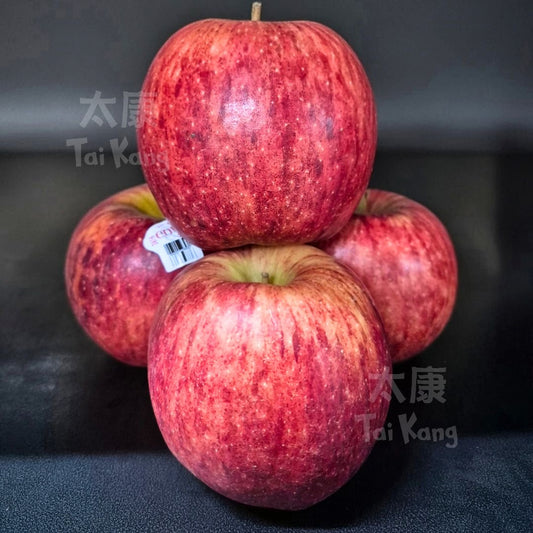
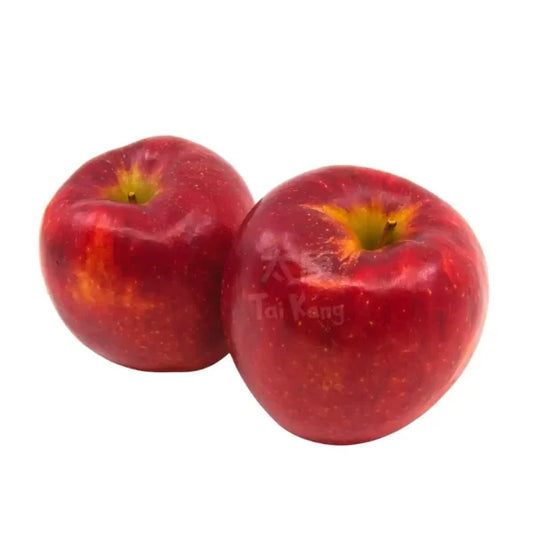
- Apples: dense flesh and a waxy skin make them the classic bag-bottom survivor.
- Clementines and mandarins: the peel is built-in packaging, and it keeps hands clean.
- Firm pears: buy them slightly underripe so they ripen on your schedule, not in your backpack.
- Grapes: small, self-contained, and easy to portion. Our grapes are a good fit, and we explain how to keep them crisp in our guide to storing fresh grapes.
- Passionfruit: the thick, wrinkly shell protects the pulp inside. Our passionfruit is a convenient option for travel.
Group B: dried and shelf-stable fruits
Raisins, dried apricots, and prunes need no refrigeration and survive hot cars and long layovers. Travel writers also recommend dried apricots and raisins as portable sources of potassium and fiber, which makes them a smart choice for multi-day trips.
Group C: softer fruits that need care
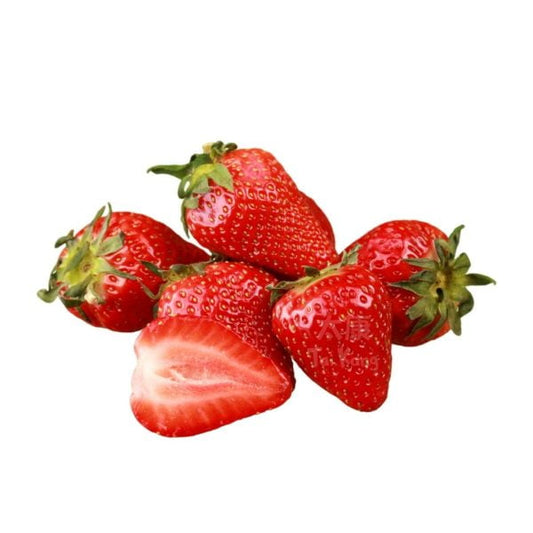
- Berries: delicious, but they crush and spoil fast. Pack them in a rigid tub with a cold source.
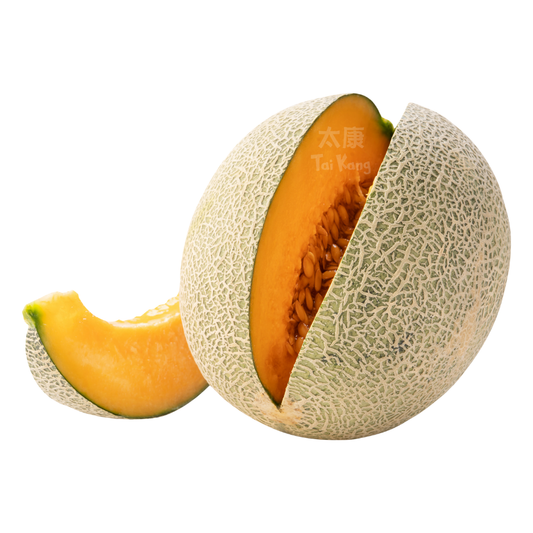
- Sliced melon: keep it chilled and eat it within a couple of hours. Cut fruit is the riskiest item in your bag.
Best pick by trip
- Plane: clementines, grapes, dried apricots. Nothing leaks, nothing needs a fork.
- Road trip: apples, grapes in a cooler, raisins for the glove box.
- Hiking: dried apricots, prunes, and a firm pear or two. Weight stays low and energy stays high.
2. Why do these fruits hold up so well?
Three traits decide how well a fruit travels: skin, flesh, and water content.
Firm skin and dense flesh resist the bumps and pressure of a packed bag. A clementine peel or passionfruit shell can help protect the fruit, while a raspberry is more delicate. Fruits with high water content and thin skin bruise and weep, which is why they need a cooler.

Dried fruit is portable and convenient because it contains less moisture than fresh fruit. What remains is concentrated natural sugar for quick energy plus fiber that keeps you full longer.
If you prep ahead, know that not every fruit freezes equally well. NDSU Extension guidance explains that most fruits can be frozen satisfactorily using tray pack, dry pack, or sugar and syrup methods, with best quality kept at 0°F or lower and used within 12 months. Frozen grapes and berries also double as edible ice packs on the first leg of a trip.
3. How should you pack and store fruit for travel?
Fresh produce should be cooled before it goes anywhere. Postharvest researchers at UC Davis stress that perishable products should be cooled before transport and packed so they keep cooling in transit. The same logic applies to your cooler bag. For more on why cold chains matter, see our explainer on temperature-controlled storage.
The timing rule matters most. Clemson Extension advises discarding cut or pre-packaged fruit left at room temperature for more than 2 hours, or 1 hour when temperatures exceed 90°F (32.2°C), because bacteria multiply quickly in the 40°F to 140°F danger zone.
- Chill perishable fruit in the fridge the night before you leave.
- Wash it at home, then dry it fully. Our guide to washing fruit the right way covers the steps.
- Pack it in an insulated bag with frozen gel packs or frozen water bottles.
- Wrap delicate pieces in foam nets or cloth so they do not rub together.
- Leave cutting for the last minute. Whole fruit is often easier to pack than slices.
- Portion snacks into resealable single-serve bags for easy grabbing.
Pro Tip: Pack gel packs with the fruit in an insulated bag, and keep produce from touching them directly if condensation is a problem.
Before flying, check your airline and airport guidance for rules on carrying fruit, juice, and soft fruit purées. Crossing borders is a different matter: Before carrying fresh produce into Singapore, check the Singapore entry guidance for applicable import requirements. Our own fruit storage guide helps once you arrive.
4. What snack combos work best on the go?
Pairing fruit with protein or fat keeps you full and cuts down on mess.
- Dried apricots and almonds: no refrigeration, great for hikes.
- Grapes and small cheese cubes: keep both chilled and eat within a couple of hours.
- Apple slices and nut butter: slice at the last minute and carry the nut butter in a small tub.
- Clementine segments and pistachios: the peel stays on until you are ready.
Use reusable snack bags, small airtight tubs, or silicone cups for anything moist, and keep pungent items like cheese in their own container. Choose dried fruit for hot, dry, or multi-day trips, and fresh fruit when you want hydration and quick energy right away. For healthy-eating ideas beyond fruit, the team at Wild Foodz shares useful tips for eating well on holiday.
Pro Tip: Freeze a handful of grapes overnight and tuck them beside your sandwich. They keep lunch cool and turn into a sweet treat by midday.
5. What do we do differently when we pack fruit?
We aim to handle fruit carefully before delivery. That routine is the same discipline you need for travel: start cold, protect the skin, and move quickly. Customer feedback helps us understand what people value about our service. For deeper how-to detail, browse our storage and washing guides linked above.
— Tai Kang
6. Where can you get travel-ready fruit from us?
We make packing easy. Start with passionfruit and grapes, or send a ready-made treat with our gift pack. If you travel often, our bi-weekly fruits delivery subscription keeps a steady supply at your door. Pick your fruit today and pack it with confidence.

FAQ
Which food is good while traveling?
Whole fruit with a tough skin, dried fruit, and nuts are the easiest choices. They need no utensils and survive bumps and warm temperatures well. Add a cold source if you carry anything cut or soft.
What are some good snacks for hot weather?
Dried apricots, raisins, and prunes hold up in heat because they contain little water. Fresh grapes and clementines work too if they ride in an insulated bag. Cut fruit should be eaten within 1 hour in temperatures above 90°F, per Clemson Extension.
Which fruit is lowest in sugar?
Berries are generally among the lower-sugar fresh fruits, but they are also the most fragile for travel. If you want durability, pair firmer fruit such as apples or pears with a protein like nuts to slow the sugar rush.
Which juice is good for traveling?
Whole fruit usually beats juice on the road because it brings fiber and stays intact in your bag. If you do pack juice, choose sealed single-serve cartons, keep them cold, and check airline liquid rules before flying.
Sources
- Freezing Fruits | NDSU Agriculture
- Hgic
- My
- GEN 1.4 ENTRY, TRANSIT AND DEPARTURE OF CARGO
- Healthy snacks for planes, trains and cars